

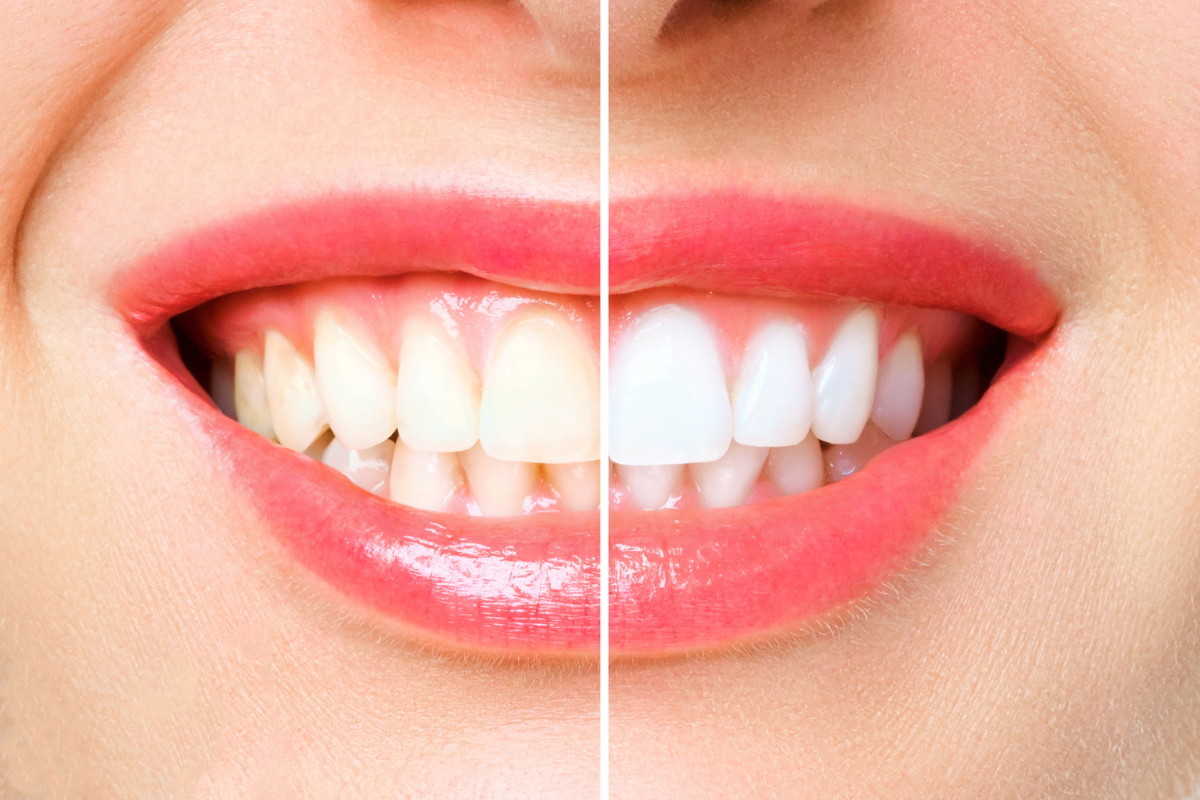
The toothpaste aisle has never been more confusing. Whitening strips, whitening gels, charcoal toothpaste, whitening kits, baking soda formulas every product promises a brighter smile in days. Some of them deliver. Some of them cause more problems than they solve.
If you have been staring at stained teeth and wondering what actually works and what is safe this article covers everything you need to know about teeth whitening before you try anything.
What Causes Teeth Discoloration?
Teeth discoloration does not usually happen overnight. It builds up gradually through daily habits and, sometimes, through things completely outside your control.
Common causes include coffee stains on teeth, tea stains on teeth, tobacco stains on teeth from smoking or chewing, ageing, certain antibiotics, poor oral hygiene, and regularly eating or drinking deeply coloured foods and drinks. Some people are more prone to staining than others regardless of how well they brush.
Types of Teeth Stains
Understanding the type of stain on your teeth matters because not all whitening treatments work the same way on all stains.
Extrinsic Stains
Extrinsic tooth stains sit on the outer surface of the tooth. They are caused by things that come into contact with the teeth coffee, tea, red wine, smoking stains on teeth, and coloured foods. These are the stains that most teeth whitening products and treatments are designed to target. Yellow teeth stains and brown teeth stains from food and tobacco are usually extrinsic.
Intrinsic Stains
Intrinsic tooth stains develop inside the tooth itself. They can result from ageing, dental trauma, too much fluoride during childhood, or certain antibiotics taken during tooth development. These stains are harder to remove and often do not respond to standard over the counter teeth whitening products the same way surface stains do. Intrinsic staining usually needs professional assessment and cosmetic dentistry options.
How Teeth Whitening Works
Most teeth whitening treatments whether done at a dental clinic or at home work by using a bleaching agent to break down stain molecules inside the tooth enamel. The two most commonly used ingredients are hydrogen peroxide teeth whitening formulas and carbamide peroxide whitening gels.
Professional treatments use higher concentrations applied and monitored by a dentist. At-home teeth whitening products strips, kits, gels, trays use lower concentrations that are available without a prescription. The results differ accordingly.
Professional Teeth Whitening vs Over-the-Counter Products
If you’re looking for faster and more noticeable results, professional teeth whitening is the better choice. Dentists use stronger whitening agents, custom-fitted trays, and carefully monitor the procedure to minimise tooth sensitivity and gum irritation. It is especially effective for deep or stubborn stains.
Over-the-counter (OTC) whitening products such as whitening toothpaste, strips, gels, and kits—are more affordable and work well for mild surface stains. However, they contain lower-strength whitening agents and may take several weeks to show visible results.
In short: Choose professional whitening for dramatic, long-lasting results, and OTC products for maintaining your smile or treating mild discoloration. If you have sensitive teeth or existing dental work, consult a dentist before starting any whitening treatment.
Teeth Whitening Cost in India What to Expect
Cost is one of the first things people search for and none of the competitors answer it clearly. This is your content gap opportunity.
Professional teeth whitening in India typically costs:
Treatment Type | Approximate Cost |
In-clinic bleaching (single session) | Rs 5,000 – Rs 15,000 |
Laser / LED teeth whitening | Rs 8,000 – Rs 20,000 |
Custom take-home trays (dentist-made) | Rs 3,000 – Rs 8,000 |
OTC whitening strips (branded) | Rs 500 – Rs 2,500 |
OTC whitening kits | Rs 800 – Rs 3,000 |
These are general ranges actual cost depends on the clinic, city, and how many shades of whitening are needed.
Which Teeth Whitening Option Is Right for You?
Method | Best For | Results | Duration | Cost |
In-clinic bleaching | Moderate to heavy stains | 3–8 shades lighter | 1–2 years | Rs 5,000–15,000 |
Laser / LED whitening | Fast, dramatic results | 4–10 shades lighter | 1–3 years | Rs 8,000–20,000 |
Custom home trays (dentist) | Gradual, controlled whitening | 2–6 shades | 1–2 years | Rs 3,000–8,000 |
OTC strips | Mild surface stains | 1–3 shades | 3–6 months | Rs 500–2,500 |
Whitening toothpaste | Maintenance only | Surface only | Ongoing | Rs 100–500 |
Charcoal/baking soda | Not recommended | Minimal, risk of damage | N/A | Low |
The right choice depends on the degree of staining, whether intrinsic or extrinsic, existing dental work, and budget. When in doubt ask a dentist before spending money on products that may not suit your teeth.
Laser teeth whitening what it actually is:
Laser or LED-assisted whitening is done in a dental clinic. A higher-concentration bleaching gel is applied to the teeth and activated with a laser or LED light which speeds up the bleaching process. Results are typically faster and more dramatic than standard in-clinic bleaching. It is not a permanent solution maintenance is still needed but for people wanting significant whitening in one session, it is the most effective option available. Results can last 1–3 years with proper care.
Are Over-the-Counter Whitening Products Safe?
Most OTC whitening products are safe when used as directed. The problems usually come from overuse, incorrect application, or choosing a product that is not suitable for your teeth.
Safe teeth whitening whether at home or in a clinic depends on following instructions, not using products more often than recommended, and being honest with yourself about any sensitivity or existing dental issues. If you have gum disease, large fillings, crowns, or veneers, many OTC products are not designed for your situation and may cause irritation or uneven results.
When in doubt, a quick online dental consultation before buying anything can save you from a lot of unnecessary discomfort.
Risks and Side Effects of Teeth Whitening
Teeth whitening side effects are common, especially with overuse or incorrect application. The most frequent ones include teeth sensitivity after whitening particularly to cold and sweet foods gum irritation after whitening, temporary pain or soreness, uneven whitening where some areas lighten more than others, and enamel damage from whitening if products are used too often or left on too long.
Most side effects settle within a few days. Persistent sensitivity or gum irritation that does not improve needs a dentist’s attention.
Common Teeth Whitening Mistakes
The most common mistakes people make include over whitening teeth by using products too frequently, skipping regular dental checkups while whitening at home, using DIY teeth whitening remedies without understanding the risks, ignoring sensitivity and continuing to use the product anyway, expecting to go from heavily stained teeth to television-white in one session, and whitening with veneers, whitening with crowns, or whitening with fillings — which do not respond to bleaching agents the way natural teeth do and can end up looking mismatched.
Can Teeth Whitening Damage Enamel?
Used correctly and within recommended limits, teeth whitening is considered safe for enamel. The risk comes with overuse. Using whitening products more often than recommended, using excessively high concentrations without supervision, or chasing shade results too aggressively can weaken enamel over time.
Enamel damage from whitening is avoidable. Stick to the recommended frequency, do not ignore sensitivity, and if you are unsure about a product, check with a dentist before using it.
Who Should Avoid Teeth Whitening?
Teeth whitening is not suitable for everyone. It is generally not recommended for pregnant women, children and teenagers whose teeth are still developing, people with active gum disease, patients with significant tooth sensitivity, or individuals with veneers, crowns, or large fillings who may end up with uneven colour.
If any of these apply to you, a dentist can advise on what options are appropriate for your specific situation.
How Long Does Teeth Whitening Last?
Results from teeth whitening typically last anywhere from a few months to a couple of years. How long they last depends on oral hygiene habits, whether you smoke, and how much coffee, tea, wine, or coloured food you consume regularly.
Whitening touch-ups done periodically with a dentist or carefully at home help maintain results. Whitening maintenance is easier than starting from scratch, so small consistent efforts go further than one big treatment every year or two.
Tips to Maintain White Teeth
After whitening, a white diet after whitening avoiding deeply coloured foods and drinks for at least 48 hours helps the results set properly. Beyond that, brush twice daily, avoid smoking and tobacco, limit coffee and tea, keep up with regular dental cleanings, and follow any specific whitening aftercare advice your dentist gives.
Foods and Drinks That Stain Teeth
The most common culprits for stained teeth include tea, coffee, red wine, cola drinks, berries, and tobacco products. Cutting back on these or rinsing with water after consuming them helps slow down the rate of new staining after treatment.
When Should You See a Dentist for Teeth Whitening?
See a dentist before starting any whitening treatment if you have sensitive teeth, gum problems, or existing dental work like fillings, crowns, or veneers. During treatment, see a dentist if teeth become highly sensitive, gum irritation develops and does not settle, OTC whitening products are not working, or stains seem to be getting darker rather than lighter.
If you are not sure whether whitening is the right option for your teeth, an online dental consultation is a good first step. You can describe your situation, ask about safe teeth whitening options, and get guidance from a dentist before spending money on products that may not be right for you.
Home Remedies for Teeth Whitening
Baking soda teeth whitening and charcoal teeth whitening are two of the most popular home remedies people try. Baking soda has mild abrasive properties that can help with surface stains, but using it too often can wear down enamel. Charcoal is even more abrasive and there is limited evidence it whitens teeth effectively while the risk of enamel damage from overuse is real.
These remedies are not without risk. Before trying any DIY teeth whitening approach, it is worth checking with a dentist especially if you already have sensitive teeth or thin enamel.
Myths About Teeth Whitening Cleared Up
Myth 1: All whitening products are safe for everyone.
Not true. OTC whitening products are not designed for people with active gum disease, large fillings, crowns, veneers, or significant tooth sensitivity. Using them in these situations can cause irritation, uneven results, or enamel damage. A quick dental check before starting any whitening treatment avoids these problems.
Myth 2: Whitening damages teeth permanently.
When done correctly and within recommended limits, whitening is safe. Temporary sensitivity is common — permanent damage is not, unless products are overused or used in concentrations that are too high without supervision.
Myth 3: Whitening toothpaste whitens teeth the same way as bleaching.
Whitening toothpastes work through mild abrasion they remove surface stains but do not bleach the tooth itself. They are useful for maintaining results or reducing minor surface staining. They cannot change the underlying colour of the tooth the way hydrogen or carbamide peroxide treatments do.
Myth 4: Results from whitening are permanent.
No whitening treatment is permanent. Results depend on oral hygiene habits, diet, and tobacco use. Coffee, tea, wine, and smoking all cause restaining over time. Professional results typically last 1–2 years. OTC results last 3–6 months. Touch-up treatments whether at home or in clinic are part of maintaining the result.
Myth 5: Charcoal toothpaste is a natural, safe whitener.
Charcoal toothpaste is heavily marketed as a natural whitening option. The evidence does not support it. Charcoal is abrasive more so than standard toothpaste and regular use risks wearing down enamel over time. There is also no robust clinical evidence that it whitens teeth more effectively than regular fluoride toothpaste. Dentists generally do not recommend it.
How HealthPil Can Help
HealthPil connects you with dental experts who can guide you toward safe and effective cosmetic teeth whitening options. Book an online dental consultation today and find out what will actually work for your teeth.
Summary
Teeth whitening can effectively remove stains, but results vary by the type of discoloration. Professional whitening offers faster results, while OTC products help with mild stains. Temporary sensitivity is common, and home remedies like charcoal or baking soda may damage enamel. Whitening does not work on crowns, veneers, or fillings. For safe and effective treatment, book an online dental consultation through HealthPil.
FAQs
Is teeth whitening safe?
Yes, professional teeth whitening is generally safe when done correctly.
Can whitening cause tooth sensitivity?
Yes. Some people may experience temporary tooth sensitivity after whitening.
Do whitening toothpastes really work?
They may help remove surface stains but usually cannot deeply whiten teeth.
How long do whitening results last?
Results may last several months to years depending on lifestyle habits.
Can I book an online consultation for teeth whitening?
Yes. Online dental consultations can help determine the safest whitening option for your teeth.

Read our editorial policy