

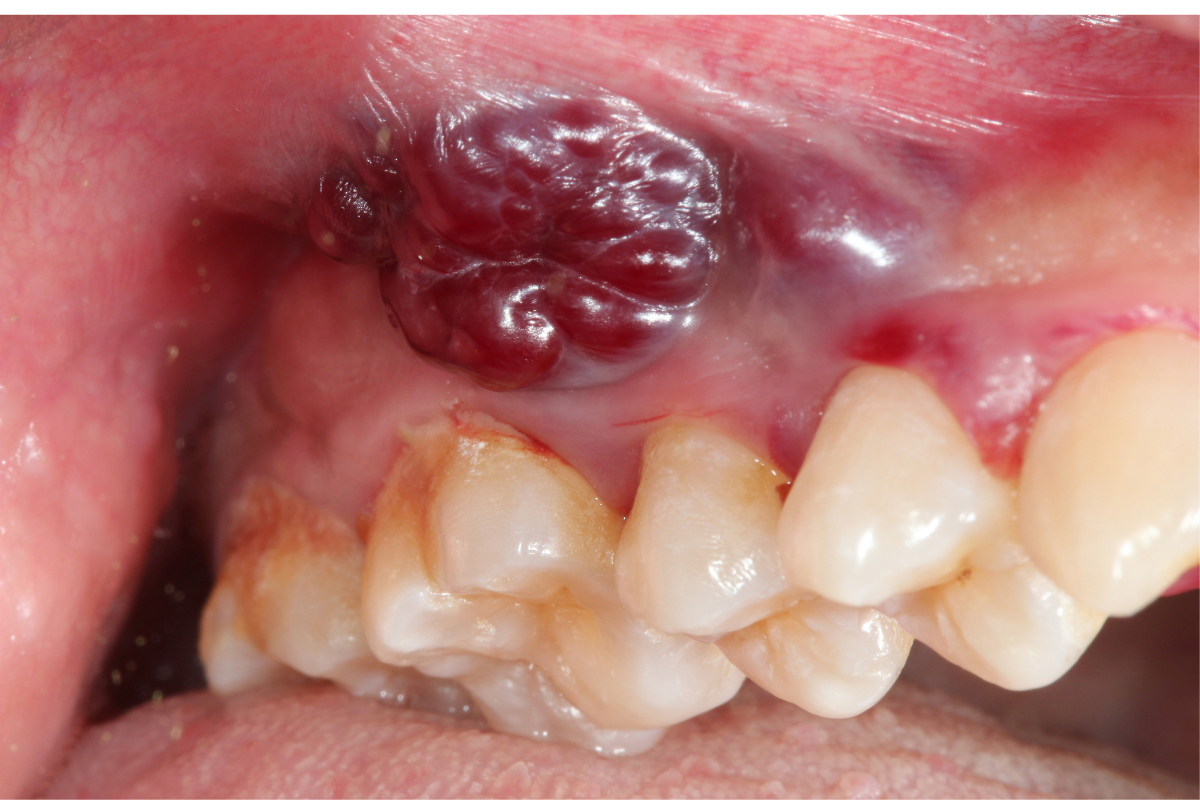
It starts as something easy to ignore. A small sore on the tongue that does not seem to be healing. A white patch on the inside of the cheek that has been there for a few weeks. A lump in the neck that appeared without explanation.
Most people wait. They assume it will go away on its own. And sometimes it does. But when it does not and when the cause turns out to be oral cancer those weeks of waiting can matter a great deal.
Mouth cancer is one of the most treatable cancers when found early. The problem is that early oral cancer symptoms look almost identical to things people see and dismiss every day.
Oral Cancer in India A Burden We Cannot Ignore
India has one of the highest rates of oral cancer in the world, with around 1.3 lakh new cases and 75,000 deaths every year. According to ICMR, oral cancer accounts for nearly 30% of all cancers in the country.
The biggest cause is tobacco use, including gutka, pan masala, khaini, beedi, and cigarettes. Unfortunately, most cases are diagnosed in advanced stages, making treatment more difficult.
Early signs such as a mouth ulcer that doesn’t heal, white or red patches, or a lump in the mouth should never be ignored. Early diagnosis greatly improves the chances of successful treatment.
What Is Oral Cancer?
Oral cancer also called mouth cancer or oral cavity cancer is cancer that develops in any part of the mouth. This includes the lips, tongue, cheeks, gums, the floor of the mouth, the roof of the mouth, and the throat.
Like most cancers, oral cancer is far easier to treat in its early stages than once it has spread. This is why oral cancer awareness and knowing what to look for matters so much.
Types of Oral Cancer
There are several types of oral cancer. The most common is squamous cell carcinoma, which accounts for the large majority of mouth cancer cases. Others include verrucous carcinoma, salivary gland cancer, oral melanoma, oral lymphoma, and oral sarcoma.
Most people never need to know the difference between these. What matters is recognising the symptoms early and getting the right assessment quickly.
Who Is at Risk of Oral Cancer?
Several factors can increase the risk of oral cancer, with tobacco use being the biggest one. Smoking, as well as chewing gutka, pan masala, khaini, or betel quid, damages the cells inside the mouth. Regular alcohol consumption further increases the risk, especially when combined with tobacco.
Other important risk factors include HPV (Human Papillomavirus) infection, poor oral hygiene, a family history of oral cancer, and long-term sun exposure to the lips, which can lead to lip cancer.
It’s also important to remember that oral cancer can occur in non-smokers. If you notice a mouth ulcer, white or red patch, or a lump that doesn’t heal within two weeks, don’t ignore it. Early diagnosis greatly improves the chances of successful treatment.
Early Warning Signs of Oral Cancer
Early signs of oral cancer are easy to miss because they often look like everyday mouth problems. The key difference is persistence symptoms that do not go away after two to three weeks need to be checked.
Sores that Don’t Heal
A persistent mouth ulcer or non-healing mouth ulcer is one of the most important early signs of oral cancer to watch for. Most mouth ulcers heal within one to two weeks. One that stays beyond that especially if it is painless should be seen by a dentist or doctor. Unexplained mouth bleeding from the area is another warning sign.
Lumps or Thickening
A lump in the mouth or a lump in the neck that appears without obvious reason needs prompt attention. Swollen lymph nodes in the neck that do not settle after a few weeks can sometimes be linked to oral cancer spreading to nearby tissue. Any unexplained thickening or growth inside the mouth should be assessed.
Difficulty Swallowing
Painful swallowing or difficulty swallowing that develops gradually especially when there is no obvious throat infection is a symptom worth taking seriously. Difficulty chewing that keeps getting worse also falls into this category.
White or Red Patches
A white patch in the mouth or red patch in the mouth that has been present for more than two weeks and cannot be wiped off is a common early oral cancer symptom. These patches are not always cancerous, but they always need to be checked by a professional.
Other symptoms to watch for include voice changes that persist without explanation, jaw pain, and unexplained weight loss. Any combination of these symptoms together is a reason to see a doctor without delay.
How Is Oral Cancer Diagnosed?
Oral cancer diagnosis usually starts with a physical oral examination, followed by an oral visual inspection of the entire mouth, tongue, throat, and neck. If something suspicious is found, the doctor will advise further tests.
An oral cancer biopsy where a small piece of tissue is taken and tested is the only way to confirm whether something is cancerous. Imaging like a CT scan for oral cancer, MRI for oral cancer, or PET scan for oral cancer helps doctors understand how far the cancer has spread and whether lymph nodes or other areas are involved. An endoscopy may also be used to look deeper into the throat.
Oral Cancer Screening
Regular oral cancer screening during dental check-ups is one of the most effective ways to catch suspicious changes early. During a routine visit, dentists examine the entire mouth for lesions, patches, lumps, or ulcers that do not look normal. Regular dental checkups are not just about teeth they are also one of the most accessible forms of early cancer detection available.
Anyone with oral cancer risk factors should ask for a screening at every dental visit.
Stages of Oral Cancer
Oral cancer stages run from Stage 0 — where abnormal cells are present but have not spread to Stage IV, where the cancer has spread to other parts of the body. The stage at diagnosis has a major impact on treatment options and outcomes. Early stage oral cancer is significantly more treatable than advanced stage disease.
Understanding Oral Cancer Staging The TNM System
Oral cancer is staged using the TNM system Tumour, Node, Metastasis. This gives doctors a precise picture of how far the cancer has spread.
T — Tumour size:
T1 — tumour 2 cm or smaller
T2 — tumour between 2 and 4 cm
T3 — tumour larger than 4 cm
T4 — tumour has grown into nearby structures jawbone, skin, deep muscles
N — Lymph Node involvement:
N0 — no lymph nodes affected
N1 — one lymph node on the same side, 3 cm or smaller
N2 — one or more lymph nodes involved, larger or on both sides
N3 — large lymph node involvement
M — Metastasis:
M0 — cancer has not spread to distant organs
M1 — cancer has spread to distant organs such as the lungs or liver
What the stages mean in practice:
Stage I — small tumour, no lymph nodes, no spread. Highly treatable. Surgery alone often curative.
Stage II — slightly larger tumour, no lymph nodes. Still very treatable.
Stage III — tumour has reached nearby lymph nodes. Treatment more intensive surgery plus radiation.
Stage IV — spread to multiple lymph nodes or distant organs. Treatment focuses on control alongside quality of life.
The stage at diagnosis is the single biggest factor in outcome. Stage I oral cancer treated promptly has survival rates above 80%. The same cancer found at Stage IV has significantly worse odds not because it cannot be treated, but because treatment options narrow as the disease advances.
Oral Cancer Treatment Options
Surgery
Oral cancer surgery involves removing the cancerous tissue and, if needed, affected lymph nodes. For early stage cancers, surgery alone may be enough. For more advanced cases, it is often combined with other treatments.
Radiation Therapy
Radiation therapy for oral cancer uses high-energy beams to destroy cancer cells. It may be used after surgery to reduce the risk of the cancer coming back, or as the main treatment when surgery is not possible.
Chemotherapy
Chemotherapy for oral cancer uses anti-cancer drugs to kill cancer cells throughout the body. It is most often used alongside radiation therapy for more advanced cancers.
Targeted Therapy
Targeted therapy focuses on specific changes in cancer cells that help them grow. It is designed to damage cancer cells while doing as little harm as possible to healthy tissue.
Immunotherapy
Immunotherapy for oral cancer helps the body’s own immune system recognise and fight cancer cells more effectively. It is increasingly being used for certain types of oral cancer, particularly in cases that have come back after previous treatment.
Reconstruction and Recovery After Oral Cancer Treatment
Oral cancer surgery can affect how a person speaks, chews, and swallows depending on how much tissue needs to be removed. This is one of the most understandably frightening aspects for patients. But reconstruction and rehabilitation have advanced significantly, and recovery outcomes are meaningfully better than they were a decade ago.
Surgical reconstruction
When the tumour involves the tongue, jawbone, or floor of the mouth, reconstructive surgery is performed at the same time as tumour removal. Tissue flaps taken from the forearm, thigh, or chest are used to rebuild the affected area. The goal is to restore as much normal function and appearance as possible.
Dental rehabilitation
Surgery or radiation can affect teeth and the jawbone. Dental rehabilitation implants, dentures, or bridges helps restore the ability to chew normally after treatment. This is planned as part of the overall treatment programme, not as an afterthought.
Speech therapy
Tongue or palate involvement affects speech. Speech therapists work with patients from early in recovery — with exercises to retrain the muscles used in speaking and swallowing. Most patients regain functional speech with consistent therapy.
Swallowing therapy
Difficulty swallowing dysphagia is one of the most common functional challenges after oral cancer treatment, particularly after radiation. Specific swallowing exercises, dietary modifications, and in some cases specialist procedures help patients regain safe swallowing function.
Psychological support
The physical changes from oral cancer treatment are significant. Many patients experience changes in how they look, how they communicate, and how they eat all of which affect self-image and confidence. Counselling and support groups are an important and often underutilised part of the recovery process.
Recovery from oral cancer treatment is a process not a single event. The right multidisciplinary team makes a substantial difference to how complete that recovery is.
Can Oral Cancer Be Cured?
When found at an early stage, oral cancer is often highly treatable and many patients recover fully. Oral cancer survival rate is significantly higher when the cancer is caught before it has spread to lymph nodes or other areas. This is why early detection and not delaying assessment of symptoms is so important.
How to Perform a Self Oral Examination
A self oral examination takes less than five minutes and can be done once a month at home. Stand in front of a mirror with good light and check the inside of the lips, the gums, the inside of each cheek, the roof and floor of the mouth, and all surfaces of the tongue including underneath and the sides.
Look for white patches, red patches, non-healing ulcers, lumps, unusual bleeding, or any change in how the tongue moves. Anything that has been there for more than two weeks and is not getting better needs to be checked.
Why Early Detection Matters
Early detection of oral cancer allows for less aggressive treatment, shorter recovery, better preservation of speech and swallowing function, and significantly better outcomes overall. A small lesion caught at Stage I is a very different situation from cancer found at Stage III or IV.
Oral cancer awareness knowing the symptoms, doing monthly self-checks, and attending regular dental checkups gives the best possible chance of catching it early.
Complications of Untreated Oral Cancer
Oral cancer that is not treated spreads. It can move into nearby tissue, reach the lymph nodes in the neck, and eventually spread to other organs. As it progresses, it affects the ability to speak, chew, swallow, and eat properly. Advanced oral cancer significantly affects quality of life and overall survival. This is why persistent mouth ulcers, lumps, patches, or voice changes should never be left unchecked for weeks.
Oral Cancer Survival Rate
Survival rates for oral cancer are much higher when the cancer is caught and treated early. Stage I and Stage II oral cancers have considerably better outcomes than Stage III or Stage IV. Getting any unusual symptoms assessed quickly rather than waiting is what makes the difference in many cases.
When Should You See a Doctor?
See a doctor or dentist promptly if a mouth ulcer has not healed after two weeks, a white patch or red patch in the mouth has been present for more than two weeks, there is a lump in the mouth or a lump in the neck, swallowing or chewing has become painful or difficult, voice changes have appeared without explanation, there is unexplained mouth bleeding, or unexplained weight loss has occurred alongside any mouth symptom.
Do not wait for symptoms to become painful before getting them checked. Many early oral cancers are painless.
If seeing a specialist in person is not immediately possible, an online cancer consultation with an oral cancer specialist is a practical first step. You can describe your symptoms, share photos or reports, and get guidance on how urgently you need an in-person assessment. Early advice from an oral cancer specialist consultation can make a real difference to what happens next.
Online Consultation for Oral Cancer
For patients who have noticed symptoms, received screening results, or want a second opinion on a biopsy report, an online consultation for oral cancer allows you to speak with a cancer specialist from home. You can discuss symptoms, review treatment options, and get clear guidance on next steps without needing to travel or wait for a long appointment.
Myths
Myth 1: Only smokers get oral cancer. Tobacco and oral cancer are linked, but non-smokers develop oral cancer too. HPV and oral cancer, alcohol and oral cancer, and family history of oral cancer are all independent risk factors. Anyone can develop mouth cancer.
Myth 2: Oral cancer symptoms are always obvious. Early oral cancer symptoms often look exactly like common mouth problems a small sore, a patch, mild jaw pain. They are easy to dismiss. The difference is that cancerous changes do not go away. Any symptom that persists beyond two weeks needs to be assessed.
How HealthPil Can Help
HealthPil connects you with healthcare professionals who specialise in oral cancer screening and treatment. If you have noticed a symptom that concerns you, book an online consultation today and get the right guidance from the right specialist.
Summary
Oral cancer is one of the most common cancers in India, with tobacco being the leading cause. Early signs include non-healing mouth ulcers, white or red patches, lumps, and difficulty swallowing. Early diagnosis and timely treatment greatly improve outcomes. Monthly self-checks, regular dental visits, and avoiding tobacco are the best ways to reduce risk. Book an online oral cancer consultation through HealthPil for expert guidance.
FAQs
Q1. Is oral cancer curable?
Yes. When detected early, oral cancer is highly treatable with good survival rates.
Q2. What are the early signs of oral cancer?
A mouth ulcer that doesn’t heal, white or red patches, or a painless lump lasting over 2 weeks.
Q3. Can non-smokers get oral cancer?
Yes. HPV infection, alcohol, and poor diet can also increase the risk.
Q4. Is a biopsy necessary?
Yes. A biopsy is the only way to confirm oral cancer.
Q5. How often should I check my mouth?
Do a self-examination once a month and see a dentist if any change lasts more than 2 weeks.
Q6. Does gutka increase oral cancer risk?
Yes. Gutka, pan masala, and other smokeless tobacco products greatly increase the risk.
Q7. What happens after treatment?
Regular follow-up visits are needed to monitor recovery and detect any recurrence early.
References
Disclaimer:
This content is for informational purposes only and should not replace professional medical advice. Always consult your healthcare provider for personalised guidance.

Read our editorial policy