

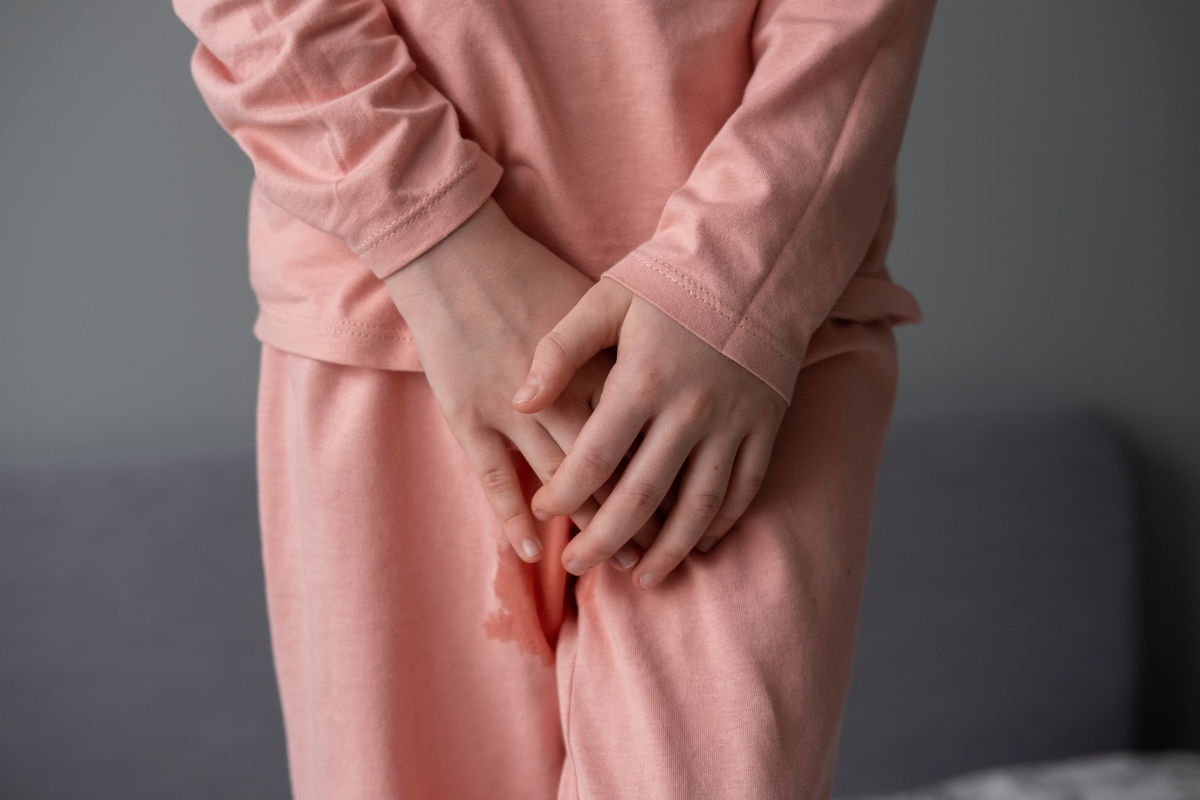
If you’ve ever leaked a little urine while laughing at a joke, sneezing during allergy season, or found yourself sprinting to the bathroom seconds too late, you already know how disruptive urinary incontinence can feel. It’s also far more common than most people admit out loud. Studies suggest a meaningful share of women between the ages of 30 and 60 experience some form of it, and while it’s less common in men, affecting roughly 1.5 to 5% of them, it can still show up at any age for very different reasons.
Urinary incontinence isn’t one single problem it’s a symptom with several different root causes, and understanding which type you’re dealing with is the first real step toward fixing it. This guide walks through what’s actually happening inside your bladder when leakage occurs, the different types of incontinence and what triggers each one, how doctors diagnose it, and the full range of treatments available today, from simple pelvic floor exercises to more advanced medical procedures.
What Is Urinary Incontinence?
Urinary incontinence means losing control over when urine leaves your bladder anywhere from an occasional small leak to a complete loss of bladder control. To understand why this happens, it helps to know how bladder control normally works: your bladder is a muscular sac that stores urine, and a ring of muscle called the sphincter keeps that urine inside until you’re ready to release it. Nerves running between your bladder and brain coordinate the whole process, signaling when the bladder is full and giving you conscious control over when the sphincter relaxes.
Incontinence happens when something disrupts this system whether it’s the sphincter itself weakening, the bladder muscle contracting when it shouldn’t, a blockage preventing the bladder from emptying properly, or damaged nerve signals failing to coordinate the process correctly. Because the underlying problem can sit in any one of these places, doctors classify urinary incontinence into distinct types based on exactly what’s going wrong and when leakage tends to occur.
Types of Urinary Incontinence
1. Stress Incontinence
Stress incontinence happens when sudden physical pressure on the bladder overwhelms a weakened sphincter, causing urine to leak. Here, “stress” refers to physical pressure, not emotional stress. Coughing, sneezing, laughing, exercising, or lifting something heavy all momentarily increase pressure inside your abdomen, and if the pelvic floor muscles supporting your bladder and urethra aren’t strong enough to hold against that pressure, urine escapes.
This is the most common type of incontinence in women, particularly after pregnancy and vaginal childbirth, since carrying and delivering a baby stretches and weakens the pelvic floor muscles. Falling estrogen levels during menopause can weaken these tissues further, which is why stress incontinence often becomes more noticeable around that time.
2. Urge Incontinence
Urge incontinence, also called overactive bladder, happens when the bladder muscle contracts involuntarily, creating a sudden, intense need to urinate that’s difficult or impossible to delay. Once that urge hits, you may have only seconds before urine is released, regardless of how hard you try to hold it.
This pattern is typically caused by the bladder’s nerve signals misfiring sending “empty now” messages to the bladder muscle even when it isn’t full. Certain triggers are known to set this off unpredictably, including a sudden change in body position, the sound of running water, or even sexual activity. Conditions that damage the nerves controlling the bladder, such as multiple sclerosis, stroke, or Parkinson’s disease, are common underlying causes.
3. Overflow Incontinence
Overflow incontinence occurs when the bladder doesn’t empty completely during urination, leaving leftover urine behind. As more urine builds up on top of what’s already there, the bladder eventually leaks small amounts involuntarily — often described as dribbling. This happens because something is physically blocking urine flow or because the bladder muscle itself has become too weak to push urine out fully.
In men, an enlarged prostate is one of the most common causes, since the prostate sits right around the urethra and can squeeze it as the gland grows larger, obstructing the normal flow of urine. Bladder stones, tumors, constipation, and prostatitis (inflammation of the prostate) can all contribute to this blockage as well.
4. Functional Incontinence
Functional incontinence isn’t caused by a problem with the bladder itself — the bladder and urinary system may be working perfectly fine. Instead, it happens when a physical, cognitive, or mobility-related barrier prevents someone from reaching the bathroom in time. Arthritis that makes walking or undressing difficult, dementia or Alzheimer’s disease that causes confusion about where the bathroom is, or a stroke that limits movement can all lead to this type of leakage. It’s especially common among elderly people and in nursing home settings.
5. Mixed Incontinence
Mixed incontinence means experiencing symptoms of more than one type at once, most commonly a combination of stress and urge incontinence. This is fairly common, and treatment usually needs to address both underlying mechanisms rather than just one.
6. Total Incontinence
Less commonly discussed but worth knowing about, total incontinence means the bladder can’t store urine at all, resulting in continuous leakage or periodic, uncontrollable loss of large amounts of urine. This can result from a birth defect, a spinal cord injury that disrupts communication between the brain and bladder, or a fistula an abnormal channel that forms between the bladder and a nearby area, such as the vagina, allowing urine to bypass normal control entirely.
Symptoms of Urinary Incontinence
The core symptom across every type is the same urine escaping without your control but how and when it happens depends heavily on which type you’re dealing with:
- Sudden, strong urges to urinate, often followed by leakage before reaching the bathroom
- Frequent urination, defined by many doctors as needing to go more than seven times a day or waking up more than twice a night to urinate
- Leaking urine when coughing, sneezing, or laughing, or during physical activity
- Dribbling urine or a constant, low-level dripping, particularly after finishing urination
- Difficulty starting urination or fully emptying the bladder
- Weak bladder control, where holding urine in feels harder than it used to
If you’re noticing any combination of these on a regular basis, it’s worth getting evaluated rather than assuming it’s just a normal part of getting older.
Causes and Risk Factors
Ageing weakens the muscles supporting the bladder and urethra over time, which is one of the most consistent risk factors across nearly every type of incontinence.
Pregnancy and childbirth place direct physical strain on the pelvic floor. Vaginal delivery in particular can stretch and sometimes damage these muscles and the nerves supporting them, which is why stress incontinence is so strongly linked to childbirth history.
Menopause brings a drop in estrogen, a hormone that helps keep the tissue lining the urethra and vagina healthy and elastic. As estrogen falls, that tissue can thin and weaken, reducing how well the urethra seals shut.
Enlarged prostate in men physically narrows the urethra as the gland grows, which can both obstruct urine flow (leading to overflow incontinence) and, after treatments like prostate surgery, sometimes weaken the sphincter (leading to stress incontinence).
Infections and stones — including urinary tract infections, bladder infections, kidney infections, kidney stones, and bladder stones — can all irritate the bladder lining or physically block urine flow, triggering temporary or ongoing incontinence.
Neurological conditions disrupt the nerve signals that coordinate bladder control. Stroke, Parkinson’s disease, multiple sclerosis, dementia, and spinal cord injuries can all interfere with this communication, leading to urge or functional incontinence depending on which nerves are affected.
Diabetes can damage nerves throughout the body over time, including the ones controlling the bladder, which is why long-standing or poorly controlled diabetes is a recognised risk factor for incontinence.
Constipation adds extra pressure inside the pelvis from a full bowel pressing against the bladder, which can worsen urinary symptoms, particularly in people already prone to leakage.
Certain medications — including diuretics, some blood pressure medications, sleeping tablets, sedatives, and muscle relaxants can either increase urine production or relax the muscles that normally help hold urine in.
Lifestyle factors such as excessive caffeine or alcohol intake, smoking (which can cause a chronic cough that triggers stress incontinence), and being overweight (which adds constant extra pressure on the bladder and pelvic floor) can all worsen symptoms or increase risk.
Interstitial cystitis, a chronic condition causing inflammation inside the bladder wall, is another less commonly discussed but important cause of urgency and frequency-related incontinence.
Diagnosis of Urinary Incontinence
Getting an accurate diagnosis matters because treatment differs significantly depending on the type and underlying cause of incontinence.
Medical history and physical examination usually come first. Your doctor will ask about how often leakage happens, what triggers it, your fluid intake, medications, childbirth history, and other urinary symptoms. A physical exam may assess pelvic floor muscle strength in women, or check the prostate in men.
A bladder diary is often recommended as a simple but genuinely useful tool — you record what and how much you drink, how often you urinate, how much urine you produce, and exactly when leakage episodes happen. This pattern often points doctors toward the right type of incontinence before any tests are even run.
Urinalysis checks a urine sample for infection, blood, or other abnormalities that might be contributing to symptoms.
Blood tests may be used to assess kidney function or check for underlying conditions like diabetes that could be driving the incontinence.
Postvoid residual measurement checks how much urine is left in the bladder right after you urinate. A high amount left behind points toward overflow incontinence caused by incomplete emptying.
Pelvic or urinary tract ultrasound creates images of the bladder and surrounding structures to look for physical abnormalities, stones, or blockages.
A stress test may be done in-clinic, where you’re asked to cough or bear down while the doctor watches for urine loss, directly confirming stress incontinence.
Urodynamic testing is a more detailed evaluation of how the bladder stores and releases urine — measuring bladder muscle tone, contractions, capacity, and pressure at different filling levels. This is particularly useful when the diagnosis isn’t clear from history and simpler tests alone.
Cystoscopy involves inserting a thin tube with a camera through the urethra to directly examine the inside of the bladder and urethra, helping identify abnormalities like tumors, stones, or structural issues that other tests might miss.
Treatment and Management of Urinary Incontinence
Treatment depends heavily on which type of incontinence you have, what’s causing it, and how much it’s affecting your daily life. Most treatment plans start conservative and escalate only if needed.
Pelvic floor exercises (Kegels) are usually the first line of treatment, especially for stress incontinence. These exercises specifically strengthen the muscles that support the bladder and urethra, directly improving the sphincter’s ability to hold against sudden pressure. Done consistently, they can meaningfully reduce leakage over a period of weeks to months.
Bladder training helps retrain a bladder that’s become overactive or overly sensitive. Techniques include gradually delaying urination when an urge hits to build tolerance, following a scheduled toilet timetable throughout the day, and a method called double voiding — urinating, waiting a couple of minutes, then trying again to ensure the bladder empties fully.
Behavioural modifications support the above techniques and include managing how much and when you drink fluids, cutting back on caffeine and alcohol (both of which irritate the bladder), maintaining a healthy weight to ease pressure on the pelvic floor, and following scheduled bathroom visits rather than waiting for urgency to build.
Medications are prescribed based on the specific type of incontinence:
- Beta-3 agonists can relax an overactive bladder muscle, helping with urge incontinence
- Antimuscarinic drugs work similarly, calming involuntary bladder contractions
- Topical estrogen may be prescribed for women, particularly after menopause, to help strengthen the tissue lining the urethra and vagina
- Certain antidepressants, used off-label in specific cases, can help by affecting nerve signals involved in bladder control
Like any medication, these can carry side effects such as dry mouth, nausea, or changes in blood pressure, so they’re generally used under close medical supervision alongside not instead of exercises and behavioural changes.
Physical therapy focused specifically on the pelvic floor can help retrain and strengthen these muscles with more precision than exercises alone, often guided by a specialist trained in pelvic floor rehabilitation.
Medical devices and minimally invasive procedures offer options beyond medication:
- Urethral inserts or a pessary (a ring-shaped device placed in the vagina) can physically support the bladder neck and reduce leakage in women
- Bulking agent injections around the urethra help keep it sealed more tightly
- Botox injections into the bladder muscle can calm an overactive bladder that hasn’t responded to medication
- Sacral nerve stimulation, sometimes marketed as InterStim therapy, involves implanting a small device that sends mild electrical pulses to the nerve controlling bladder function, helping restore more normal signaling
- Radiofrequency therapy gently heats tissue in the lower urinary tract, which can firm up as it heals and improve urinary control
Catheter use may be recommended when the bladder can’t empty properly on its own, particularly in overflow or severe functional incontinence, to prevent urine buildup and related complications.
Absorbent products, including pads and specially designed undergarments, offer practical day-to-day protection for smaller leaks while other treatments take effect, or for cases where leakage can’t be fully resolved.
Surgery is generally considered when conservative treatments haven’t sufficiently controlled symptoms. Options include sling procedures, where a strip of mesh or tissue is placed to support the urethra and prevent leakage; colposuspension, which lifts and repositions the bladder neck; and, in select cases, an artificial urinary sphincter, a device that mimics the function of a healthy sphincter to control urine flow. Women who are planning future pregnancies should discuss timing with their doctor before choosing a surgical option, since childbirth after certain procedures can affect their results.
Complications of Urinary Incontinence
Left unmanaged, urinary incontinence can lead to problems that go beyond the inconvenience of leakage itself.
- Urinary tract infections become more likely with persistent moisture and, particularly, with long-term catheter use, which significantly raises infection risk
- Skin irritation, rashes, and sores can develop from prolonged contact between skin and urine, and in more serious cases, this can progress to cellulitis, a bacterial skin infection causing swelling and pain
- Kidney problems can occur in cases where urine flow is obstructed for a long period, since backed-up urine can eventually put pressure on the kidneys and affect their function
- Pelvic organ prolapse can develop when the same weakened pelvic floor muscles responsible for incontinence also fail to support the bladder, uterus, or rectum properly, allowing these organs to shift downward
- Catheter-related complications, including infection and local irritation, are a risk for anyone relying on a catheter for extended periods
- Emotional and social effects are often underestimated — persistent leakage can lead to embarrassment, anxiety, depression, or social withdrawal, and these effects deserve just as much attention as the physical symptoms
How to Prevent Urinary Incontinence
Not every case can be prevented, particularly when it’s linked to childbirth, ageing, or a neurological condition. But several habits genuinely reduce risk or severity:
- Maintain a healthy weight, since extra weight adds constant pressure on the bladder and pelvic floor
- Exercise regularly to support overall muscle tone and circulation
- Practise pelvic floor exercises consistently, even before symptoms appear, since stronger muscles are more resistant to stress-related leakage
- Follow a balanced, nutritious diet and stay adequately hydrated, since both too little and too much fluid can worsen symptoms
- Limit caffeine and alcohol if you notice they worsen urgency or frequency
- Avoid smoking, since a chronic smoker’s cough repeatedly strains the pelvic floor
- Treat urinary tract and bladder infections promptly rather than letting them linger, since untreated infections can worsen bladder irritability
- Manage constipation, since a full bowel adds pressure that can aggravate bladder symptoms
- Discuss persistent symptoms with a healthcare professional early, rather than waiting until leakage significantly affects daily life
When to See a Doctor
Urinary incontinence should never simply be accepted as an unavoidable part of getting older. It’s worth seeing a doctor if:
- Urine leakage is frequent, worsening, or interfering with your daily activities
- You’re avoiding social situations or physical activity because of leakage concerns
- You notice blood in your urine alongside incontinence
- Symptoms appear alongside recurring urinary tract infections or unexplained fever
Seek medical attention right away if incontinence occurs together with any of the following, since these combinations can signal a medical emergency: difficulty walking or speaking, weakness or tingling in any part of the body, sudden vision changes, confusion, loss of consciousness, or loss of bowel control.
A urologist can identify the exact type and cause of your incontinence and recommend a treatment plan that actually fits your situation, rather than a generic fix. You can book an online consultation with a urologist through HealthPil to get started without waiting weeks for an in-person appointment.
How HealthPil Can Help
HealthPil connects you with experienced urologists and pelvic floor physiotherapists who specialise in diagnosing and treating urinary incontinence. Whether you’re dealing with occasional stress leakage or a more persistent bladder control issue, you can book an online consultation through HealthPil to explore the right combination of exercises, medication, or procedures for your specific type of incontinence.
Summary
Urinary incontinence is the involuntary loss of urine, and it shows up differently depending on what’s causing it — stress incontinence from sudden pressure on a weakened pelvic floor, urge incontinence from an overactive bladder muscle, overflow incontinence from incomplete bladder emptying, and functional incontinence from physical or cognitive barriers to reaching the bathroom in time. Causes range from pregnancy and menopause to an enlarged prostate, neurological conditions, infections, and certain medications.
Diagnosis typically starts with a bladder diary and physical exam before moving to more detailed tests like urodynamic testing or cystoscopy if needed. Treatment ranges from pelvic floor exercises and bladder training to medication, medical devices, and surgery, chosen based on the type and severity of the condition. Left unmanaged, incontinence can lead to infections, skin problems, and real emotional strain, which is exactly why it’s worth addressing early rather than quietly living with it.
FAQs
What is urinary incontinence?
Urinary incontinence is the involuntary leakage of urine or loss of bladder control. It may range from occasional urine leakage to more frequent or significant bladder-control problems.
What are the main types of urinary incontinence?
The main types include stress incontinence, urge incontinence, overflow incontinence, functional incontinence, and mixed incontinence.
What causes urinary incontinence?
Urinary incontinence can be associated with ageing, pregnancy and childbirth, weakened pelvic floor muscles, enlarged prostate, urinary tract infections, neurological conditions, diabetes, obesity, constipation, certain medications, and lifestyle factors.
Is urinary incontinence a normal part of ageing?
Urinary incontinence becomes more common with age, partly because the muscles supporting the bladder may weaken. However, persistent urinary leakage should not simply be ignored, as an underlying condition may require treatment.
Can Kegel exercises help with urinary incontinence?
Pelvic floor exercises, including Kegel exercises, can help strengthen muscles involved in bladder control and may be useful for managing certain types of urinary incontinence
References
- Alshadli AF, Hanno PM. Urinary Incontinence. StatPearls Publishing. Available at:
NCBI Bookshelf - Urinary Incontinence – Clinical Review. Available at:
PubMed
Disclaimer:
This information is for educational purposes and should not replace professional medical advice. Always consult your healthcare provider for personalised recommendations.

Read our editorial policy