

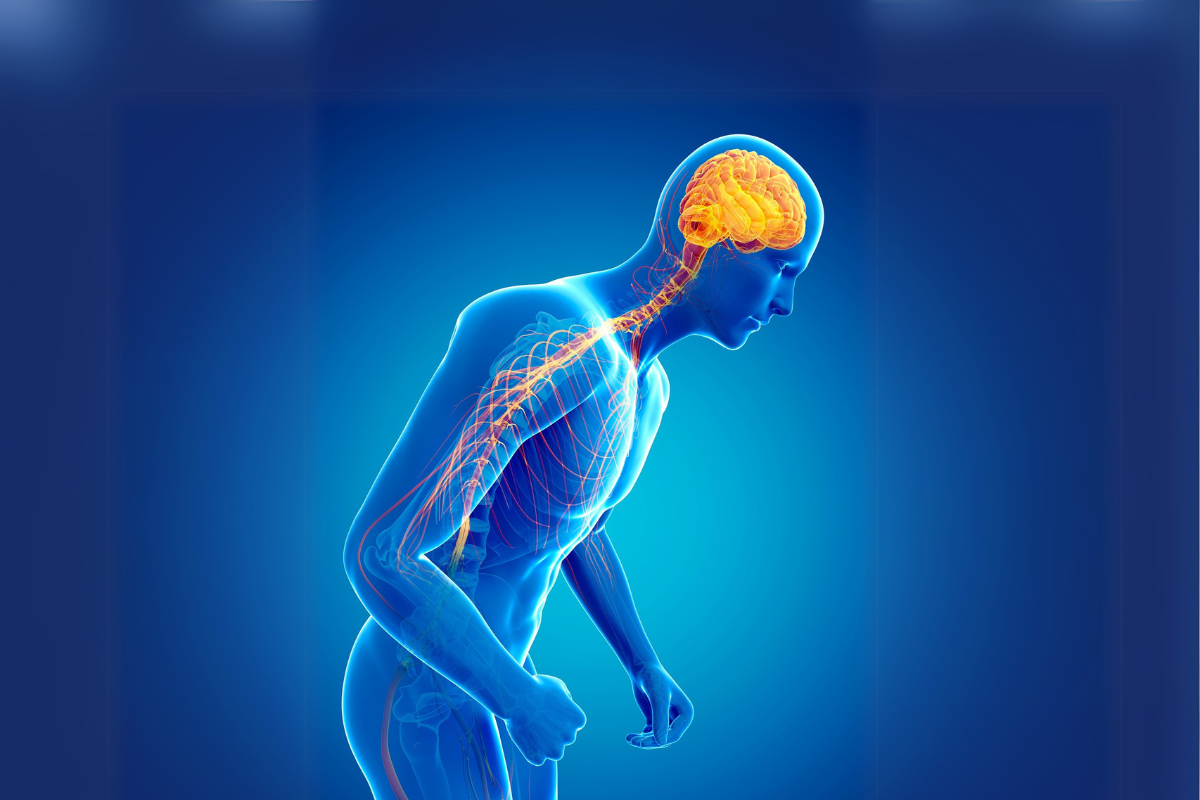
Are any elders in your family experiencing tremors, slowness while walking and during daily activities, stiffness and rigidity in the limbs? It is natural to wonder if this could be Parkinson’s disease. Many people think of shaky hands or tremors as the main sign. However, Parkinson’s disease covers much more than only issues with movement. Both the body and mind are affected by this progressive neurological condition, affecting a person’s quality of life in ways that go beyond just their physical symptoms. As a neurologist, I’ve treated a lot of patients with Parkinson’s disease, and while it’s an incurable condition, it can also be well managed with the right kind of treatment.
Parkinson’s disease affects around 1 in 1200 people, and its incidence increases with age. It’s a progressive disease, meaning symptoms worsen over time, but with proper care, many people with Parkinson’s can live fulfilling active lives. In this article, I’ll walk you through the key symptoms, diagnostic approaches, treatments, and how we can manage Parkinson’s disease to improve the lives of those affected.
Causes of Parkinson’s Disease
Parkinson’s disease occurs due to changes in the brain that affect movement and coordination. Key causes include:
- Loss of dopamine producing nerve cells in the brain
- Reduced dopamine levels, affecting movement control and coordination
- Genetic factors that may increase the risk of developing the condition
- Environmental factors such as toxin exposure
- Changes in brain cells and progressive nerve damage
While the exact cause is not fully known, a combination of these factors contributes to the development of Parkinson’s disease.

Risk Factors of Parkinson’s Disease
Several factors can increase the risk of developing Parkinson’s disease. Age is the most significant factor, as it commonly affects people over 60. Genetic factors may also play a role if there is a family history of the condition. Exposure to toxins such as pesticides and chemicals can increase risk. Head injuries and long-term neurological stress may also contribute.
Early Symptoms of Parkinson’s Disease
The early symptoms of Parkinson’s disease are often mild and may go unnoticed. Common early signs include:
- Slight tremors in the hands
- Small handwriting (micrographia)
- Reduced facial expressions
- Slow movements (bradykinesia)
Identifying these early symptoms of Parkinson’s disease can help in timely diagnosis and better management of the condition.
Symptoms of Parkinson’s Disease
Parkinson’s disease typically begins with subtle signs and progresses gradually. While the hallmark symptom of Parkinson’s is shaking or tremors, there are other,
often less obvious symptoms that can affect daily life. Here’s what to look for:
Motor Symptoms:
- Tremors or Shaking: This is the classic symptom people often associate with Parkinson’s disease. It usually starts in one hand and can even occur when the hand is at rest.
- Bradykinesia or slowed movement: Even simple tasks like buttoning a shirt, walking across a room, or standing up from a chair may feel like a chore.
- Muscle rigidity: As the muscles become stiff, movements become difficult and can cause discomfort. Your posture and ability to move smoothly can also be affected due to this.
- Poor posture and balance: Your balance becomes more challenging and you may experience falls, which can be a serious concern.
Non-Motor Symptoms:
- Mood Changes such as depression, anxiety, and irritability are common in Parkinson’s disease. These can often be more debilitating than motor symptoms and may require separate treatment.
- Many patients experience cognitive issues as the disease progresses. This can range from mild memory problems to more severe conditions like Parkinson’s disease and dementia.
- Restless leg syndrome, frequent waking, and other sleep disturbances are common in Parkinson’s disease. Due to this, you may feel more tired, and other symptoms may get worse.
- Problems like constipation, low blood pressure, and excessive sweating may also occur because the nervous system is affected.
Stages of Parkinson’s Disease
Parkinson’s disease progresses in different stages. In the early stage, symptoms are mild and may affect only one side of the body. In the mid stage, symptoms become more noticeable and can impact daily activities.
In advanced stages, movement becomes significantly limited, and patients may require assistance. Early diagnosis can help slow the progression of Parkinson’s disease.
How Parkinson’s is Diagnosed
A neurologist’s diagnosis of Parkinson’s disease combines clinical examination with the elimination of other possible causes. There is no single test that confirms Parkinson’s disease, which makes diagnosis a careful and stepwise process. A neurologist relies on detailed clinical evaluation, ruling out other conditions that mimic Parkinson’s before confirming Idiopathic Parkinson’s disease.
One of the key steps is to differentiate it from Atypical Parkinsonism syndromes, which include Progressive Supranuclear Palsy (PSP), Corticobasal Syndrome (CBS), and other variants. These conditions may present with overlapping features but require different approaches to management.
- Medical history: We start by discussing the symptoms in detail and how they’ve changed over time. The age of onset and the presence of classic motor symptoms like tremors are important in guiding the diagnosis.
- Neurological examination: We conduct a physical exam to check for motor symptoms, rigidity, and reflex changes.
- Imaging tests: While no imaging test can definitively diagnose Parkinson’s, scans like MRI or DaTscan (dopamine transporter scan) can help rule out other conditions and sometimes support the diagnosis.
- Blood tests: These are often done to exclude other causes for the symptoms.
Complications of Parkinson’s Disease
If not managed properly, Parkinson’s disease can lead to several complications. These include speech difficulties, memory problems, sleep disorders, and emotional issues such as anxiety and depression. Physical complications like balance issues and frequent falls are also common. Proper treatment and regular monitoring can help reduce these complications.
Treatment Options for Parkinson’s Disease
Parkinson’s disease currently has no known cure, but the aim of treatment is to control symptoms and allow people to live as normally as possible. The right mix of medicine, counselling, and lifestyle changes can have a significant effect.
Medications:
- Levodopa (L-DOPA): The most commonly prescribed medicine that helps restore dopamine levels.
- Dopamine Agonists: These drugs mimic dopamine in the brain and can be used as a supplement to Levodopa.
- MAO-B Inhibitors: These medicines slow down the breakdown of dopamine, keeping it active for longer.
- COMT Inhibitors: These drugs help prolong the effect of Levodopa by blocking its breakdown in the body.
Surgical Options for Parkinson’s disease
For some patients whose symptoms are not controlled well with medicines, Deep Brain Stimulation (DBS) is an emerging treatment option. DBS involves implanting a device that sends controlled electrical impulses to specific parts of the brain, helping to reduce tremors, stiffness, and movement difficulties. What makes DBS especially valuable is that it not only improves quality of life but can also reduce the adverse effects associated with long-term medication use.
Physical and Supportive Therapy
- Physiotherapy: Helps maintain flexibility, strength, and balance while reducing the risk of falls.
- Speech therapy: Useful when speech becomes softer or slurred.
- Occupational therapy: Supports independence in daily activities like dressing, eating, and writing.
Managing Parkinson’s Disease in Daily Lifestyle
Parkinson’s management goes beyond medicines and surgery. A holistic approach that includes lifestyle, mental health, and ongoing monitoring works best.
- Healthy lifestyle: A balanced diet, regular exercise, and good sleep routines help in overall symptom control.
- Mental health support: Counselling or therapy can ease anxiety, depression, and stress, which often worsen symptoms.
- Regular follow-ups: Continuous monitoring by a neurologist ensures medicines are adjusted as the disease progresses.
When to See a Doctor
If you notice early symptoms of Parkinson’s disease such as tremors, muscle stiffness, or slow movement, it is important to consult a neurologist online. Early diagnosis and treatment can help manage symptoms effectively and improve quality of life.
How HealthPil Can Help With Parkinson’s
At HealthPil, we understand how challenging it can be to live with Parkinson’s disease. Our team of specialist doctors, including neurologists and physical therapists, can work with you to design a comprehensive care plan. Whether you need a second opinion or regular followups, we’re here to provide you with trustworthy advice and support. You can visit a neurologist from the comfort of your home with our teleconsultation services to better control your condition.
You can consult a neurologist online through HealthPil and get expert care from the comfort of your home. Book a neurologist appointment online today for early diagnosis and personalized treatment.
Summary
Parkinson’s disease is a progressive neurological condition that affects movement, balance, and overall quality of life. Early symptoms such as tremors, stiffness, and slow movements may seem mild at first but can gradually worsen over time. While there is no cure, timely diagnosis and the right combination of treatment, lifestyle changes, and medical care can help manage symptoms effectively.
Recognizing early warning signs and seeking medical advice can make a significant difference in slowing disease progression and improving daily life. If you or a loved one notice symptoms of Parkinson’s disease, it is important to consult a neurologist early for proper evaluation and personalized care.
