

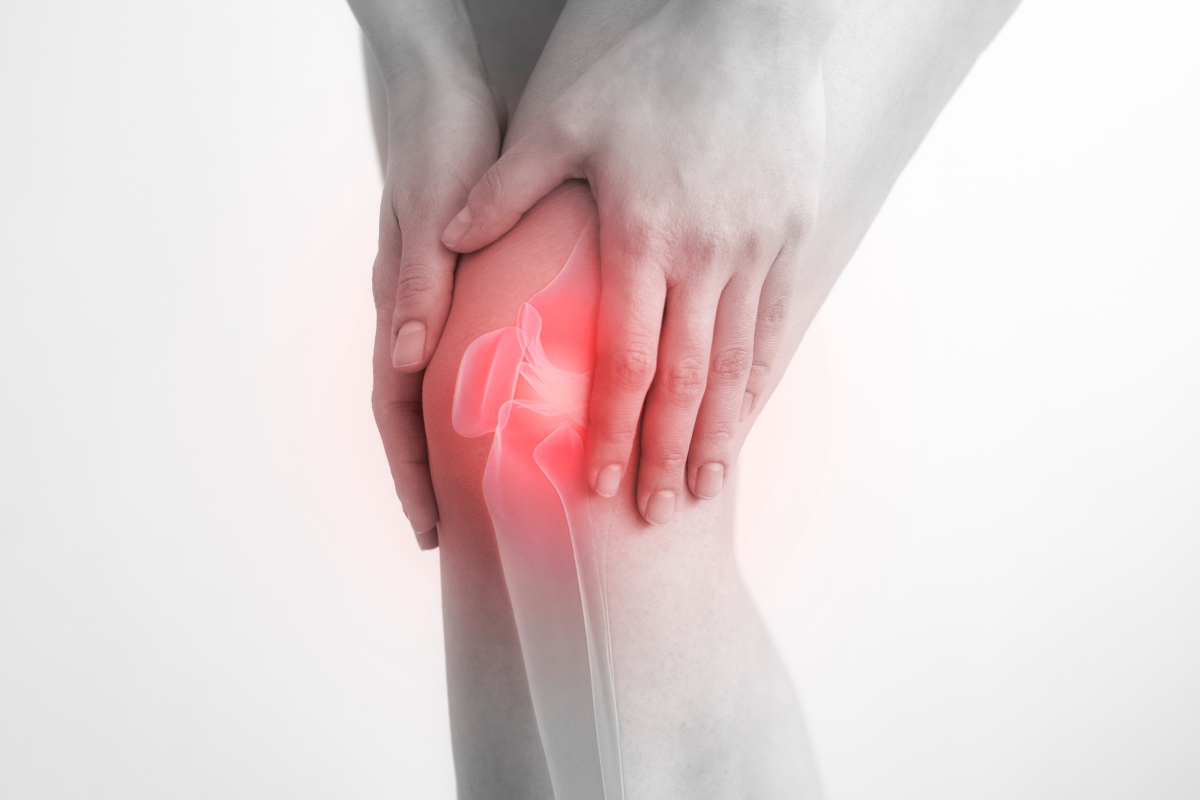
Knee pain could affect anyone irrespective of their age and gender whether caused by an injury such as ligament tear or cartilage damage or from various diseases like osteoarthritis, rheumatoid arthritis, gout, infections, etc. Minor knee pain can sometimes be treated with the help of rest, wearing knee braces and physiotherapy while major knee pain needs medicines and injection treatments. But in some severe conditions, knee operations like arthroscopy or knee replacement can solve this issue and bring back mobility into life.
Symptoms of Knee Pain
The symptoms of knee pain may vary depending on the underlying cause and severity of the condition. Common symptoms include:
- Swelling around the knee joint
- Stiffness and reduced range of motion
- Redness and warmth around the knee
- Knee weakness or instability
- Difficulty walking or climbing stairs
- Popping, clicking, or grinding sounds during movement
- Difficulty bending or straightening the knee
- Knee locking, where the knee becomes stuck and cannot move normally
- Knee buckling (giving way), where the knee suddenly feels unstable or collapses while standing or walking
- Pain that worsens during physical activity or after prolonged sitting
If knee pain is accompanied by severe swelling, inability to bear weight, knee locking, or recurrent knee buckling, medical evaluation is recommended.

Common Causes of Knee Pain
Injuries
Knee injuries are usually the result of an accident, a fall, or a sporting activity. The most common knee injuries include:
Ligament Tear (ACL/PCL Injury)
An abrupt change in speed or direction common in football, basketball, or badminton can tear the anterior cruciate ligament (ACL). A popping sensation followed by immediate swelling and instability are typical signs of an ACL tear. PCL (posterior cruciate ligament) injuries are less common but follow a similar pattern, often caused by a direct blow to the front of the knee.
Meniscus Tear
The meniscus is a C-shaped piece of cartilage that acts as a shock absorber between the thigh bone and shin bone. A twisting motion especially with the foot planted on the ground — can tear it. Meniscus tears cause pain, swelling, and sometimes a locking sensation in the knee.
Fractures
Knee fractures occur when the bones around the knee particularly the patella (kneecap) — break due to a fall or direct trauma. These are more common in older adults with weaker bones and in high-impact accident cases.
Patellar Tendonitis (Jumper’s Knee)
Patellar tendonitis is inflammation of the patellar tendon the tissue connecting the kneecap to the shin bone. It is an overuse injury seen commonly in runners, cyclists, and people who jump frequently in their sport. The pain is typically felt just below the kneecap and worsens with activity. Left untreated, it can progress to a tendon tear.
Patellofemoral Pain Syndrome (Runner’s Knee)
Patellofemoral pain syndrome refers to pain around or behind the kneecap, caused by the kneecap not tracking correctly over the knee joint. It is particularly common in young adults, runners, and people who sit for long periods with bent knees. The pain usually worsens when climbing stairs, squatting, or sitting for extended time and can develop in both knees simultaneously.
Arthritis-Related Causes
Osteoarthritis (OA)
Osteoarthritis is the most common form of knee arthritis and occurs due to gradual wear and tear of the joint cartilage over time. As the cartilage breaks down, bones begin to rub against each other, causing pain, stiffness, and reduced mobility. It most commonly affects adults over 50 but can develop earlier due to previous knee injuries or excess weight.
Rheumatoid Arthritis
Rheumatoid arthritis is an autoimmune condition in which the body’s immune system attacks the joint lining, causing chronic inflammation, pain, and swelling. Unlike osteoarthritis, it can affect people of any age and often involves multiple joints at the same time.
Gout
Gout is caused by a buildup of uric acid crystals in the joint, leading to sudden, intense episodes of pain, redness, and swelling in the knee. Gout attacks often come on without warning and can make the joint extremely tender to even light touch. Dietary changes and medication can help manage and prevent recurrence.
Other Causes
Bursitis
Bursitis results from inflammation of the bursa small fluid-filled sacs that cushion the knee joint. It is usually triggered by repetitive activities, prolonged kneeling, or direct impact. The knee may appear visibly swollen and feel warm and tender.
Infections
In some cases, bacterial infections can affect the knee joint — a condition called septic arthritis. This causes rapid onset of severe pain, swelling, warmth, and sometimes fever. Septic arthritis requires prompt medical treatment and should not be confused with other inflammatory conditions.
Risk Factors for Knee Pain
Certain factors increase the likelihood of developing knee pain:
- Age — Cartilage naturally wears down over time, making older adults more susceptible to osteoarthritis and other degenerative knee conditions.
- Excess body weight — Every extra kilogram of body weight puts approximately 4 kg of additional pressure on the knee joint. This accelerates cartilage wear and increases fracture risk.
- Previous knee injury — A history of ligament tears, meniscus injuries, or fractures significantly raises the risk of future knee problems, including early onset osteoarthritis.
- Sports and high-impact activities — Activities involving running, jumping, sudden pivoting, or contact sports increase the risk of ligament and tendon injuries.
- Weak or imbalanced muscles — Weak quadriceps and hamstrings reduce knee support and stability, making injuries more likely.
- Occupational stress — Jobs that involve prolonged kneeling, squatting, or heavy lifting put repeated stress on the knee joint.
- Gender — Women are more likely than men to develop certain knee conditions, including ACL injuries and patellofemoral pain syndrome, partly due to differences in hip and knee alignment.
Diagnosis of Knee Pain
Getting the right diagnosis is the first step toward effective treatment. Doctors use a combination of the following depending on the suspected cause:
Physical Examination
The doctor will check for swelling, tenderness, range of motion, and joint stability. Specific tests — such as the Lachman test for ACL injuries or the McMurray test for meniscus tears — help narrow down the cause during the physical exam itself.
X-ray
X-rays show the bones clearly and are used to detect fractures, bone spurs, and signs of osteoarthritis such as joint space narrowing.
MRI Scan
An MRI provides detailed images of soft tissues ligaments, tendons, cartilage, and menisci that do not appear on X-rays. It is the most useful imaging tool for diagnosing ACL tears, meniscus injuries, and patellar tendonitis.
CT Scan
CT scans give a more detailed view of the bone structure and are used for complex fractures or when surgical planning is needed.
Blood Tests
Blood tests are used when an inflammatory or autoimmune cause is suspected — such as rheumatoid arthritis or gout. A uric acid level test helps confirm gout.
Arthroscopy
In some cases, the doctor may recommend a diagnostic arthroscopy — a minimally invasive procedure in which a small camera is inserted into the knee joint to view the internal structures directly. This is also used as a treatment tool when repairs are needed.
Treatment Methods for Knee Pain
Treatment depends on the cause, severity, and duration of the pain. Options range from simple home measures to surgical intervention.3
Conservative Treatment
R.I.C.E Method
The R.I.C.E technique Rest, Ice, Compression, and Elevation — is the first line of management for acute knee injuries. Apply an ice pack wrapped in a cloth for 15–20 minutes every 2–3 hours during the first 48 hours. Avoid placing ice directly on the skin.
Physical Therapy and Knee Exercises
Physical therapy is one of the most effective long-term treatments for knee pain. A physiotherapist designs a programme to strengthen the muscles around the knee particularly the quadriceps, hamstrings, and calf muscles — to improve joint stability and reduce pain. Targeted knee exercises also help restore range of motion and prevent re-injury. For conditions like patellofemoral pain syndrome and patellar tendonitis, physiotherapy is often the primary treatment.
Medications
For relieving pain and inflammation, doctors may recommend:
- Over-the-counter NSAIDs (such as ibuprofen or naproxen) for mild to moderate pain
- Prescription medications for more persistent or severe pain
- Uric acid-lowering medications for gout management
- Disease-modifying drugs (DMARDs) for rheumatoid arthritis
Injections
- Corticosteroid injections — Provide temporary relief from inflammation and pain, particularly useful for osteoarthritis and bursitis flare-ups.
- Hyaluronic acid (viscosupplementation) injections — Used in knee osteoarthritis to improve lubrication in the joint and reduce pain.
- PRP (Platelet-Rich Plasma) injections — An emerging option that uses the patient’s own blood components to support tissue healing, particularly for tendon injuries and early-stage osteoarthritis.
Surgical Interventions
Arthroscopy
A minimally invasive knee surgery in which a small camera and instruments are inserted through tiny incisions. It is used to treat meniscus tears, remove loose cartilage fragments, and repair damaged ligaments including ACL reconstruction.
Partial or Total Knee Replacement
When knee arthritis becomes severe and significantly affects daily life, knee replacement surgery may be recommended. In a partial knee replacement, only the damaged portion of the joint is replaced. A total knee replacement involves resurfacing the entire joint with prosthetic components. Your doctor will advise the appropriate type based on the extent of damage and your overall health.
How to Prevent Knee Pain
Maintain a healthy body weight — Reducing excess weight takes significant pressure off the knee joints and lowers osteoarthritis risk.
Wear supportive footwear — Proper shoes with adequate cushioning reduce impact stress on the knees during walking and exercise.
Strengthen the muscles around the knee — Regular quadriceps and hamstring exercises provide better joint support and reduce injury risk.
Warm up before activity — A proper warm-up prepares the muscles and joints for exercise and lowers the chance of acute injuries.
Stretch regularly — Flexibility exercises for the quadriceps, hamstrings, and calves help maintain knee joint health.
Avoid overuse — Gradually increase the intensity of physical activity and allow adequate rest between training sessions to prevent tendonitis and stress injuries.
Choose low-impact activities — Swimming, cycling, and walking are easier on the knees than running or jumping, particularly for those with existing knee conditions.
Recovery from Knee Pain
Recovery time depends on the type and severity of the knee condition:
Condition | Typical Recovery Time |
Mild sprains and strains | 2–4 weeks |
Meniscus tear (conservative) | 6–8 weeks |
ACL reconstruction | 6–12 months |
Patellar tendonitis | 6–12 weeks |
Knee arthroscopy | 4–6 weeks |
Partial knee replacement | 6–8 weeks |
Total knee replacement | 3–6 months |
Following your prescribed rehabilitation programme and not rushing back to physical activity are the two most important factors in avoiding setbacks. Pain alone is not always a reliable guide some injuries feel better before they are fully healed
When to See a Doctor for Knee Pain?
You should visit a doctor if your knee pain is severe and does not improve with rest, if swelling continues or worsens, if you are unable to put weight on your knee, or if the pain persists for several weeks. You can also choose an online orthopedic consultation to discuss your symptoms and get expert medical advice.
How HealthPil Can Help With Knee Pain
HealthPil connects patients with experienced orthopaedic specialists for diagnosis, treatment, rehabilitation, and online care. Consult an orthopaedic doctor online and book your appointment today.
Summary
Knee pain can affect people of all ages and may result from injuries, arthritis, or other medical conditions. Common symptoms include swelling, stiffness, pain, weakness, and difficulty moving the knee. Treatment options range from home remedies like the R.I.C.E method and physical therapy to medications and surgical procedures in severe cases. Maintaining a healthy lifestyle can help prevent knee pain. If your pain is severe, persistent, or affects your ability to walk, consult a doctor for proper diagnosis and treatment.
