

Guillain Barré Syndrome (GBS) is a rare but serious neurological disorder in which the body’s immune system mistakenly attacks the peripheral nerves. The condition often begins with tingling sensations, numbness, and muscle weakness in the legs, which can rapidly progress to difficulty walking, paralysis, and even breathing problems in severe cases. Because Guillain Barré Syndrome symptoms can worsen within days, early diagnosis and treatment are extremely important.
In this article, we will discuss the early symptoms of Guillain-Barré Syndrome, its causes, risk factors, diagnosis, treatment options, recovery process, and when to seek immediate medical attention. Understanding the warning signs of GBS can help ensure timely treatment and reduce the risk of serious complications.
What Is Guillain-Barré Syndrome (GBS)?
Guillain-Barré Syndrome (GBS) is a rare but serious autoimmune disorder in which the body’s immune system attacks the peripheral nervous system (PNS). This leads to nerve damage (demyelination), disrupting communication between the brain and the body and causing symptoms such as muscle weakness, numbness, and, in severe cases, paralysis.
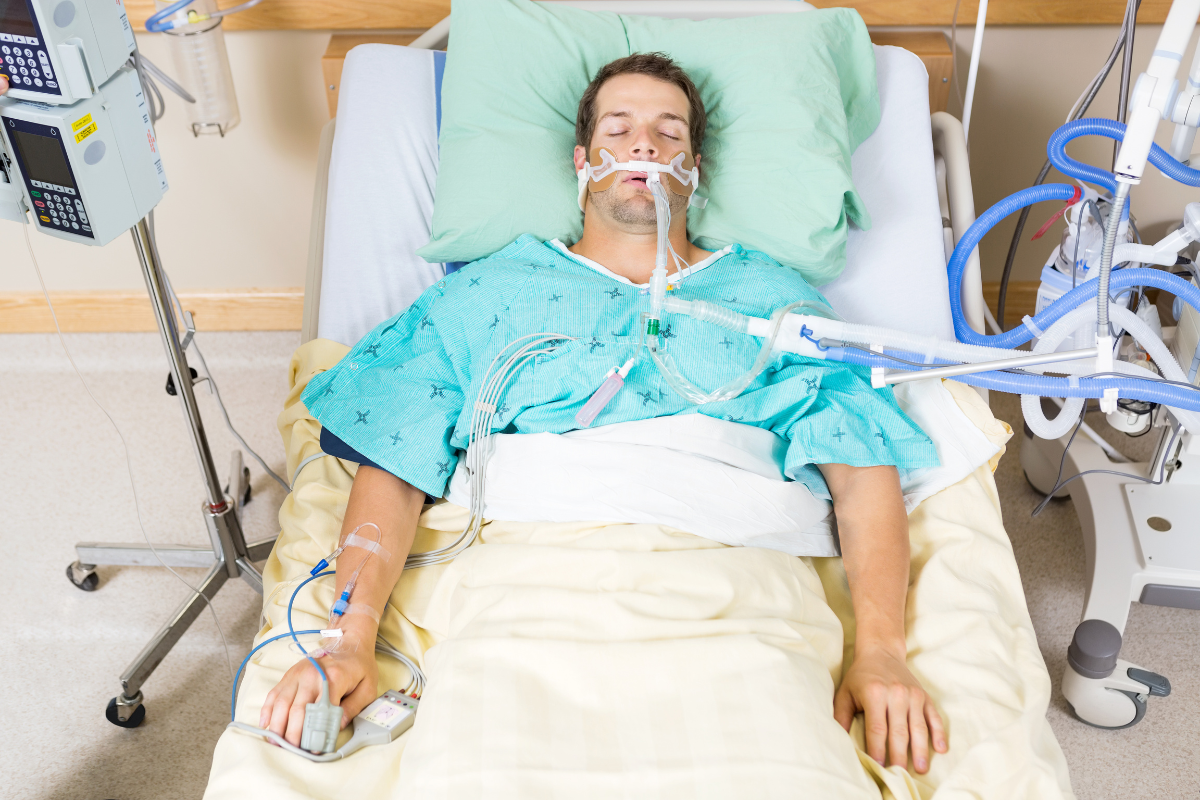
Guillain-Barré syndrome symptoms often begin with ascending weakness, meaning they start in the legs and gradually move upward to affect the arms and respiratory muscles. In severe cases, this can lead to respiratory failure, requiring immediate medical attention and ventilator support.
Early Symptoms of Guillain-Barré Syndrome
The early symptoms of Guillain-Barré Syndrome (GBS) often begin with tingling and weakness in the legs. These symptoms may gradually spread to the arms and upper body, making it difficult to walk, climb stairs, or perform daily activities. Early diagnosis is important to prevent serious complications.
Guillain-Barré Syndrome Symptoms
Common symptoms of Guillain-Barré Syndrome include:
- Tingling or “pins and needles” sensation in the hands and feet
- Muscle weakness, usually starting in the legs
- Difficulty walking or maintaining balance
- Numbness in the arms, legs, or face
- Loss of reflexes
- Difficulty moving the eyes, face, or swallowing
- Breathing difficulties or respiratory failure (in severe cases)
If symptoms worsen rapidly or affect breathing, immediate medical attention is required
The Danger of GBS: What Can Happen?
Guillain-Barré syndrome is not a condition that can be ignored. Without proper and rapid treatment, it can lead to:
- Complete Paralysis: The muscle weakness can ascend to paralysis, rendering the patient completely immobilised. If left untreated, paralysis can affect the breathing muscles, leading to respiratory failure and potentially death.
- Loss of Sensation: Patients can experience numbness or a sensation of “pins and needles,” particularly in their feet, which can spread as the condition progresses.
- Cardiovascular Complications: GBS can affect the autonomic nervous system, leading to blood pressure fluctuations, heart arrhythmias, and tachycardia.
- Inability to Move or Breathe: In severe cases, GBS can leave a patient unable to breathe on their own without a ventilator and entirely dependent on medical equipment for survival.
The Approach to Guillain Barré Syndrome
The neurologist uses a planned diagnostic process when a patient shows symptoms that could indicate GBS. The diagnosis is confirmed, and other possible causes of increasing acute weakness are ruled out using a set of diagnostic tests and a thorough clinical examination. This is the standard method:
1. Clinical Evaluation:
- Progression of Symptoms: A detailed assessment is done to confirm the ascending nature of the weakness (from legs to arms).
- Recent Infections: Since GBS is often preceded by viral infections, such as gastrointestinal infections (Campylobacter jejuni), respiratory diseases-*/ (such as the flu or COVID-19) and even Dengue fever, the doctor will inquire about these recent illnesses.
- Weakness and Reflexes: Weakness typically begins in the legs and progresses to the arms, and deep tendon reflexes may be absent or diminished.
2. Diagnostic Tests:
- Lumbar Puncture (Spinal Tap): A key test in diagnosing GBS, it checks for albuminocytologic dissociation, which is an increase in protein in the cerebrospinal fluid (CSF) without a corresponding increase in white blood cells.
- Electromyography (EMG) and Nerve Conduction Studies (NCS): These tests assess nerve conduction velocity and can detect demyelination in affected nerves.
- Blood Tests: To rule out other causes of weakness, such as electrolyte imbalances, and check for signs of infection or autoimmune triggers.
3. Differential Diagnosis:
Guillain-Barré syndrome can be easily mistaken for other conditions. Some of the major differentials include:
- Myasthenia Gravis: A neuromuscular condition causing muscle weakness, but it typically affects ocular muscles first, unlike GBS.
- Polyradiculoneuropathy: Similar to GBS, it may have a more gradual onset and less demyelination.
- Spinal Cord Diseases (e.g., transverse myelitis): These conditions can present with weakness and sensory loss, but they typically cause spinal cord lesions that differ from GBS lesions.
Management of Guillain-Barré Syndrome
Early diagnosis and quick treatment are important for preventing complications and improving recovery. Treatment typically includes:
1. Plasmapheresis (Plasma exchange):
- In severe cases, plasmapheresis is performed to remove autoantibodies from the bloodstream, which are attacking the nerves.
- This treatment has been shown to shorten the disease duration and reduce disability.
2. Intravenous immunoglobulin (IVIg):
- IVIg therapy is used to modulate the immune system by providing healthy antibodies, which help prevent further nerve damage.
- This therapy is generally used when plasmapheresis is not available or feasible.
3. Respiratory Support:
- If the patient is unable to breathe on their own due to important diaphragm muscle damage, ventilator support is needed.
4. Physical Rehabilitation:
- After the acute phase, physical therapy is important for restoring muscle function, strength, and mobility.
5. Monitoring for Complications:
- Close monitoring for cardiac arrhythmias, autonomic dysfunction, and breathing difficulties is essential during the acute phase of GBS.
When to See a Doctor
If you experience Guillain-Barré syndrome symptoms such as muscle weakness, numbness, or breathing difficulty, you should consult a neurologist online immediately.
Early diagnosis and treatment can prevent serious complications and improve recovery outcomes.
Consult a neurologist online and get expert care from the comfort of your home. Book a neurologist appointment online today.
How we managed our patient
We quickly assessed the patient in the emergency and ruled out other differential diagnoses. We did NCS, which revealed a demyelinating pattern (initial NCS may also be normal) and did a lumbar puncture, which revealed increased protein and ruled out infections. Once the diagnosis was confirmed, without any delay, we started our patient on IVIG therapy, following which the patient had 70-80% improvement within a week. The patient was started on active physiotherapy, and within 2 weeks of discharge, his weakness improved to almost 95%. The patient is now back to leading a normal, active life. However, not all patients are that fortunate. Timely diagnosis and treatment are very important.
How HealthPil Can Help
At HealthPil, experienced neurologists provide online consultations for patients experiencing symptoms of Guillain-Barré Syndrome (GBS), including muscle weakness, numbness, tingling sensations, and difficulty walking. Through teleconsultation, patients can discuss their symptoms, receive expert guidance, understand possible treatment options, and get recommendations for further evaluation or hospital care when needed.
If you or a loved one develops sudden weakness, rapidly worsening symptoms, or breathing difficulties, seeking immediate medical attention is essential. Early diagnosis and timely treatment can significantly improve outcomes and reduce the risk of serious complications.
Myths About Guillain Barré Syndrome
Myth 1: Guillain-Barré Syndrome is always caused by vaccinations.
Fact: While GBS can occur after vaccination, it’s extremely rare, and the risk of GBS after vaccination is far lower than the risk of GBS after a viral infection like the flu or COVID-19.
Myth 2: Guillain-Barré Syndrome is fatal in all cases.
Fact: While GBS can be deadly due to respiratory failure and paralysis, if patients receive early treatment, then most of them can recover. The mortality rate has greatly decreased in the past few years due to advancements in care.
Summary
Guillain-Barré Syndrome (GBS) is a rare condition that affects the nerves. It often starts with symptoms like tingling, numbness, or weakness in the legs and can become more serious if not treated on time. In some cases, it may make it difficult to walk, move, or even breathe.
The good news is that many people improve with early diagnosis and proper treatment. If you or someone you know develops sudden weakness, numbness, or trouble walking, it is important to consult a neurologist as soon as possible.
