

Sudden chest pain, shortness of breath, or extreme fatigue could it be a heart attack? Or could it be heart failure? Both conditions involve your heart, and people mix them up constantly, but they’re genuinely different problems with different causes, different timelines, and different treatments. Knowing exactly how they differ isn’t just trivia — it can change how quickly you recognise a real emergency versus a condition that needs steady, long-term management. Let’s break down what actually sets a heart attack and heart failure apart, their symptoms, and how you can protect yourself from both.
What Is a Heart Attack?
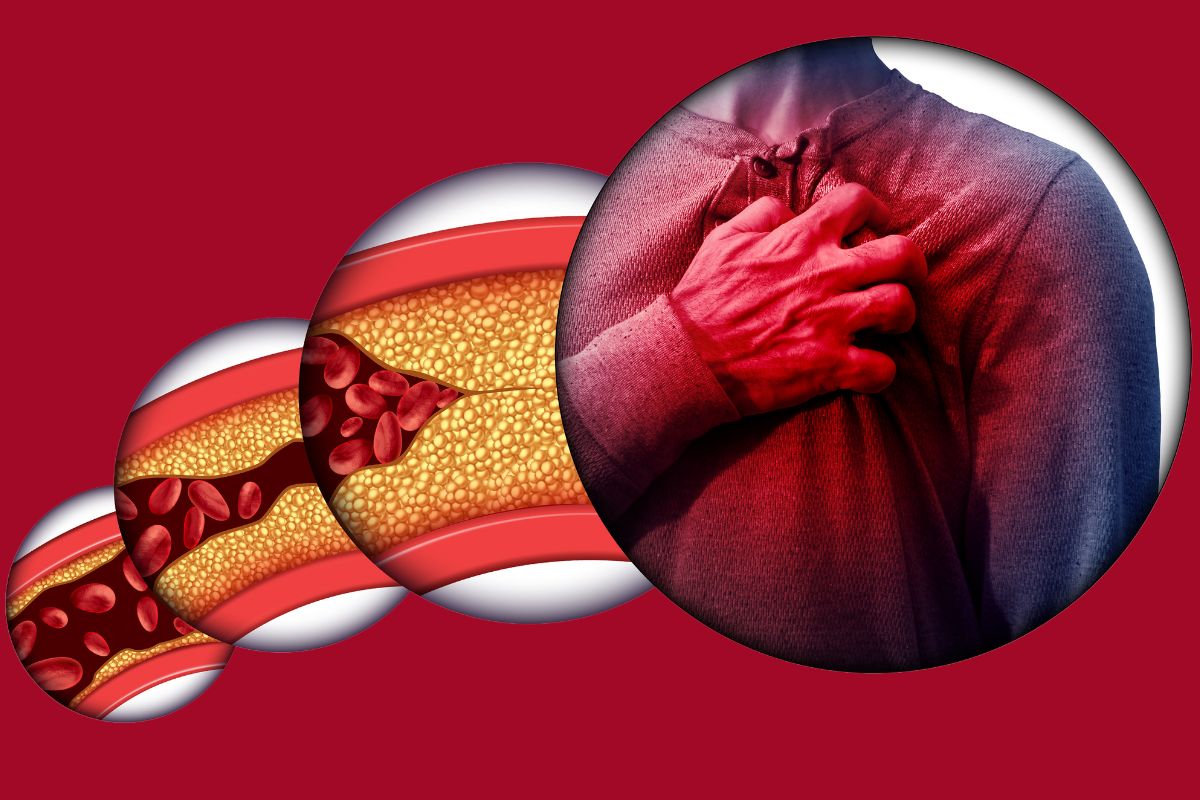
A heart attack, medically known as a myocardial infarction, happens when blood supply to part of the heart muscle is suddenly cut off. This blockage is usually caused by a blood clot, or by plaque a buildup of fatty deposits that narrows the coronary arteries over time until they finally give way.
Your heart muscle depends on a steady supply of oxygen-rich blood to function, and when that supply is interrupted, the affected tissue begins to suffer real damage. The longer the heart goes without oxygen, the more extensive that damage becomes.
Beyond blocked arteries, a few less common causes can also trigger a heart attack:
- Coronary artery spasm: a sudden narrowing or tightening of a coronary artery, sometimes triggered by smoking, extreme cold, or intense stress
- Coronary artery dissection: a tear in the inner wall of a coronary artery, which can obstruct blood flow even without typical plaque buildup
Heart attacks require immediate medical attention to restore circulation and prevent permanent heart damage — every minute genuinely counts here.
Heart Attack Symptoms
- Chest pain or discomfort (often described as pressure or tightness)
- Pain radiating to the jaw, back, neck, arms, or stomach
- Shortness of breath
- Nausea or lightheadedness
- Cold sweats
It’s worth understanding that heart attacks don’t always present with the “classic” symptoms you’d expect. Women, older adults, and people with diabetes are more likely to experience a silent heart attack one with subtler signs like fatigue, indigestion, or mild discomfort rather than dramatic chest pain. Younger people can also present with milder, easy-to-dismiss symptoms.
What to Do If You Suspect a Heart Attack
If you or someone near you is showing signs of a heart attack, acting fast genuinely changes outcomes:
- Call emergency services immediately a heart attack is a medical emergency, not something to wait out.
- Chew an aspirin, if advised by emergency responders and you’re not allergic this can help slow clot formation.
- Stay as calm as possible and rest. Avoid driving yourself to the hospital if an ambulance is available.
When Should You Seek Emergency Medical Care?
Seek emergency medical attention immediately if you experience:
- Chest pain lasting longer than 10–15 minutes
- Severe shortness of breath
- Sudden pain spreading to the jaw, arm, neck, or back
- Loss of consciousness
- Blue lips or fingertips
- Sudden swelling with difficulty breathing
- Rapid heartbeat with dizziness or fainting
Early treatment significantly improves survival and reduces the extent of permanent heart damage.
What Is Heart Failure?
Heart failure, sometimes called congestive heart failure (CHF), is a chronic condition where the heart can’t pump blood efficiently enough to meet the body’s needs. Here’s an important distinction: heart failure doesn’t mean the heart has stopped working. It simply means the heart has become weaker than normal, and can’t keep up with demand the way it used to. The heart’s pumping ability tends to decline gradually over time, often driven by conditions like diabetes, high blood pressure, coronary artery disease, or previous heart attacks a slow decline, unlike the sudden onset of a heart attack.
What Causes Heart Failure?
Heart failure rarely has just one cause it usually develops from one or more of the following:
- Coronary artery disease: the most common underlying cause, where cholesterol and fatty deposits accumulate in the heart’s arteries, reducing blood flow to the heart muscle over time
- A previous heart attack: damaged heart muscle from an earlier heart attack struggles to pump as effectively going forward
- High blood pressure: forces the heart to work harder than normal with every beat, gradually weakening it
- Abnormal or damaged heart valves: whether congenital, infection-related, or caused by other heart disease, faulty valves force the heart to work harder to keep blood moving properly
- Heart muscle disease (cardiomyopathy): conditions like dilated or hypertrophic cardiomyopathy, or myocarditis from infection, alcohol, or drug use, directly damage heart muscle tissue
- Congenital heart disease: a structural heart defect present from birth forces the rest of the heart to work harder to compensate
- Chronic lung disease: severe respiratory conditions make the heart work harder to keep the body properly oxygenated
- Diabetes: raises the risk of hypertension and atherosclerosis, both of which strain the heart over time
- Obesity: places extra demand on the heart and raises the risk of related conditions like sleep apnea and cardiomyopathy
A few less common but important contributing factors include anaemia (a low red blood cell count, which forces the heart to work harder to deliver oxygen), hyperthyroidism (an overactive thyroid that speeds up the whole body, including the heart), and abnormal heart rhythms that prevent efficient pumping.
Types of Heart Failure
Heart failure isn’t the same for everyone. Depending on which part of the heart is affected and how well it pumps blood, doctors classify heart failure into distinct types.
Left-sided heart failure is the most common type. It occurs when the left ventricle can’t pump blood efficiently to the rest of the body, often causing shortness of breath, fatigue, and fluid buildup in the lungs.
Right-sided heart failure develops when the right side of the heart can’t pump blood properly to the lungs. This typically causes swelling in the legs, ankles, feet, and abdomen, and sometimes the liver, due to fluid accumulation.
Congestive heart failure (CHF) refers to heart failure accompanied by fluid congestion in the lungs and body tissues. While the term CHF is still widely used, healthcare professionals now often classify heart failure based on how the heart is functioning rather than congestion alone.
Systolic heart failure (HFrEF) happens when the heart muscle weakens and can’t contract effectively, reducing how much blood gets pumped out with each heartbeat.
Diastolic heart failure (HFpEF) happens when the heart muscle becomes stiff and can’t relax properly between beats, making it harder for the heart to fill with enough blood before it pumps.
Heart Failure Symptoms
- Shortness of breath, especially when lying down
- Swelling in the legs, ankles, or abdomen (fluid retention)
- Fatigue and weakness
- Rapid or irregular heartbeat
- Persistent cough or wheezing
- Sudden weight gain from fluid buildup
It’s also worth knowing that heart failure can develop after a heart attack. Once the heart muscle has been damaged, it often becomes harder for the heart to pump blood effectively — which is exactly why heart attack survivors need ongoing monitoring, not just recovery from the initial event.
Heart Attack vs. Cardiac Arrest: A Third Condition People Often Confuse
There’s a third term that frequently gets mixed up with these two, and it deserves a clear explanation of its own: cardiac arrest. Unlike a heart attack (a circulation problem) or heart failure (a pumping efficiency problem), cardiac arrest is an electrical problem it happens when the heart’s electrical system malfunctions, causing dangerously abnormal heart rhythms (arrhythmias) that make the heart stop beating altogether.
During cardiac arrest, a person becomes unresponsive and stops breathing within moments. It’s immediately life-threatening without treatment, death can occur within minutes. Cardiac arrest can be triggered by an underlying heart attack, but it can also occur due to other heart conditions or, in some cases, with no clearly identifiable cause at all.
If you witness someone in cardiac arrest: call emergency services immediately, begin CPR right away, and use a defibrillator (AED) as soon as one is available. Quick action here is genuinely the difference between life and death.
The Key Difference: Heart Attack vs. Heart Failure
While both conditions involve the heart, the core difference lies in what’s actually going wrong:
- Heart Attack: sudden damage to heart muscle tissue caused by a blockage that stops blood flow to the heart. It’s an emergency, and it happens fast.
- Heart Failure: a long-term, progressive condition where the heart can’t pump blood efficiently, often developing gradually as a result of past heart damage, high blood pressure, or other chronic conditions.
If heart muscle damage from a heart attack is severe enough, it can eventually lead to heart failure. But heart failure on its own is a progressive illness that typically builds over time from a combination of underlying heart conditions and risk factors it isn’t usually a single sudden event.
Heart Attack vs Heart Failure: Comparison Table
Feature | Heart Attack | Heart Failure |
Medical Name | Myocardial Infarction | Congestive Heart Failure / Heart Failure |
Onset | Sudden | Gradual |
Main Cause | Blocked artery | Weak or stiff heart muscle |
Emergency? | Yes | Usually chronic, but can worsen suddenly |
Chest Pain | Common | Sometimes |
Swelling | Rare | Very common |
Breathlessness | During the attack | Persistent, ongoing |
Treatment | Angioplasty, stent, clot-dissolving medicines | Medicines, lifestyle changes, devices |
Recovery | Weeks to months | Lifelong management |
Heart Attack Risk Factors: Who Is at Higher Risk?
You may face a higher risk of a heart attack if you:
- Have high blood pressure
- Have diabetes
- Have high cholesterol
- Smoke or use tobacco
- Are overweight or obese
- Live a physically inactive lifestyle
- Have a family history of heart disease
- Experience chronic stress
- Consume excessive alcohol
- Are over 45 years old (men) or over 55 years old (women)
Managing these risk factors, even a few of them consistently, can significantly reduce your overall chances of developing cardiovascular disease.
How to Prevent a Heart Attack
Preventing a heart attack comes down to reducing the risk factors that drive plaque buildup and blood clot formation in your arteries:
- Maintain a healthy diet: focus on fruits, vegetables, whole grains, and lean proteins while cutting back on saturated fats, trans fats, and sodium.
- Exercise regularly: aim for at least 30 minutes of moderate physical activity, 3–4 days a week.
- Quit smoking: smoking doesn’t just raise your heart attack risk, it’s one of the leading direct causes of heart disease overall.
- Monitor cholesterol levels: keep LDL cholesterol (“bad” cholesterol) low and HDL cholesterol (“good” cholesterol) high through diet and exercise.
- Control high blood pressure: keeping consistent tabs on your blood pressure matters enormously, since hypertension significantly raises heart attack risk.
- Manage stress: long-term, unmanaged stress raises heart attack risk and can contribute to broader heart disease over time.
How to Prevent Heart Failure
Managing the underlying conditions that strain the heart like high blood pressure and coronary artery disease is central to preventing heart failure:
- Control blood pressure: high blood pressure is one of the leading causes of heart failure. Aim to maintain a reading below 120/80 mmHg.
- Maintain a healthy weight: being overweight raises heart failure risk and adds ongoing extra pressure on the heart.
- Exercise regularly: regular cardiovascular activity strengthens the heart and improves blood flow, helping keep heart failure at bay.
- Follow a heart-healthy diet: a diet low in sodium and rich in potassium, magnesium, and fiber genuinely supports heart function.
- Quit smoking and limit alcohol: both damage the heart directly over time, eventually raising the risk of heart failure and heart attack alike.
Another key step is staying on top of long-term conditions like diabetes, high cholesterol, and obesity through routine check-ups catching risk factors early allows for prompt intervention before they progress into something more serious.
Possible Complications of Heart Failure
Left untreated, heart failure can lead to serious complications, including:
- Kidney damage
- Liver damage
- Irregular heartbeat (arrhythmia)
- Heart valve problems
- Pulmonary hypertension
- Blood clots
- Stroke
- Sudden cardiac death
Proper treatment and regular follow-up appointments help prevent these complications from developing in the first place.
How Are Heart Attack and Heart Failure Diagnosed?
Doctors recommend different tests depending on which condition they suspect.
For a heart attack:
- Electrocardiogram (ECG)
- Cardiac troponin blood test
- Coronary angiography
- Echocardiogram
- Chest X-ray
For heart failure:
- Echocardiography (2D echo)
- ECG
- BNP blood test
- Chest X-ray
- Cardiac MRI
- Stress test
- CT coronary angiography, if needed
These investigations help determine the underlying cause, the severity of the condition, and the most appropriate treatment plan going forward.
Treatment Options for Heart Attack and Heart Failure
Heart Attack Treatment
Treatment focuses on restoring blood flow to the heart as quickly as possible, and may include:
- Aspirin and blood-thinning medicines
- Clot-dissolving medications (thrombolytics)
- Angioplasty with stent placement
- Coronary artery bypass graft (CABG) surgery
- Cardiac rehabilitation after recovery
Heart Failure Treatment
Heart failure is managed through long-term treatment, which may include:
- ACE inhibitors
- ARBs
- Beta-blockers
- Diuretics
- SGLT2 inhibitors
- Lifestyle modifications
- A pacemaker or Implantable Cardioverter Defibrillator (ICD) in selected patients
- Heart transplant in severe, treatment-resistant cases
The exact treatment plan depends heavily on the type and severity of heart failure a person has.
Common Myths About Heart Attack and Heart Failure
Myth: Heart attack and heart failure are the same condition.
Reality: A heart attack is caused by blocked blood flow to the heart; heart failure occurs when the heart can’t pump blood efficiently, often over a much longer period of time.
Myth: Heart failure means the heart has stopped working.
Reality: Heart failure means the heart is weaker than normal, but it continues to function it’s a pumping efficiency problem, not a complete stoppage.
Myth: Only older adults develop heart attacks. Reality: Younger adults with diabetes, obesity, smoking habits, high cholesterol, or hypertension are also genuinely at risk.
Myth: Chest pain always occurs during a heart attack.
Reality: Women, older adults, and people with diabetes may experience silent heart attacks without the severe chest pain most people expect.
How HealthPil Can Help
If you’re concerned about your heart health or want to better understand the prevention and treatment of heart attack and heart failure, HealthPil can connect you with expert cardiologists. Whether you need a second opinion or a personalised treatment plan, we can help guide you in managing your heart health and reducing your risk of serious complications.
Summary
A heart attack and heart failure are often confused, but they are two different heart conditions. A heart attack (myocardial infarction) is a sudden medical emergency caused by a blockage in the coronary arteries that cuts off blood flow to the heart muscle, leading to permanent damage if treatment is delayed. In contrast, heart failure (congestive heart failure/CHF) is a long-term condition in which the heart becomes too weak or stiff to pump blood efficiently, causing symptoms such as shortness of breath, fatigue, swelling, and fluid retention.
The blog also explains the causes, symptoms, types of heart failure, emergency warning signs, diagnosis, treatment options, prevention strategies, common myths, and the key differences between heart attack, heart failure, and cardiac arrest. It emphasizes that maintaining a healthy lifestyle, controlling blood pressure, diabetes, and cholesterol, quitting smoking, and seeking immediate medical attention during emergencies can significantly reduce the risk of both conditions.
Frequently Asked Questions (FAQ)
Can heart failure be reversed?
While heart failure cannot be fully reversed, you can manage it effectively with medications, lifestyle changes, and, in severe cases, surgical interventions like heart transplants.
What should I do if I think I'm having a heart attack?
Call emergency services immediately. The faster you receive medical treatment, the better the chances of minimizing heart damage.
Is heart failure the same as a heart attack?
No, heart failure is a chronic condition where the heart can’t pump blood effectively, whereas a heart attack is a sudden event caused by a blockage in the coronary arteries.
Can I prevent heart failure if I’ve already had a heart attack?
Yes, it’s possible to prevent heart failure after a heart attack by managing risk factors, taking prescribed medications, and adopting a heart-healthy lifestyle.
5. When should you seek emergency care for a heart problem?
Seek emergency medical attention for chest pain lasting more than 10–15 minutes, severe shortness of breath, sudden pain spreading to the jaw, arm, neck or back, loss of consciousness, or blue lips or fingertips.
References
- Yilmaz MB, Kilic ME, Biegus J, Citro R, Geavlete O, Omerovic E, Pagnesi M, Metra M. Acute Myocardial Infarction versus Acute Decompensated Heart Failure in Cardiogenic Shock: A Systematic Review and Meta-Analysis of Clinical Phenotypes and Mortality. Available at:
PubMed - Braunwald E. Heart Failure. Available at:
PubMed
Disclaimer:
This article is for informational purposes only and should not be considered medical advice. Always consult your healthcare provider for diagnosis, treatment, and prevention of heart disease and related conditions.

Read our editorial policy