

There’s a particular kind of silence around urological health. People will happily discuss their blood pressure or their cholesterol over dinner, but a burning sensation while urinating, or a weak urine stream, or trouble getting an erection these get pushed aside, sometimes for months, out of embarrassment more than anything else.
That delay costs people more than it should. Urological disorders are genuinely common in India kidney stones alone are estimated to affect around 12% of the population, with roughly 2 million new cases diagnosed every year, and nearly half of all Indian men will develop an enlarged prostate by the time they turn 60. Most of these conditions are treatable, and in most cases, don’t even require surgery. This guide walks through what’s actually happening inside the urinary system when these conditions develop, and when a visit to a urologist stops being optional.
What Is Urology, and What Does a Urologist Actually Do?
Urology is the branch of medicine focused on the urinary system in both men and women, and the male reproductive system specifically. That covers the kidneys, ureters, bladder, and urethra, along with the prostate, testicles, and penis in men.
Becoming a urologist in India follows a defined path: a medical degree earned after clearing NEET, followed by a multi-year residency specifically in urology, and a specialist board exam before independent practice begins. This matters because urologists are trained as surgeons even though most of what they treat never needs an operation. It’s a common misconception that a referral to a urologist means surgery is coming. It usually doesn’t.
Understanding the Urinary Tract, and Why Problems Happen Where They Do
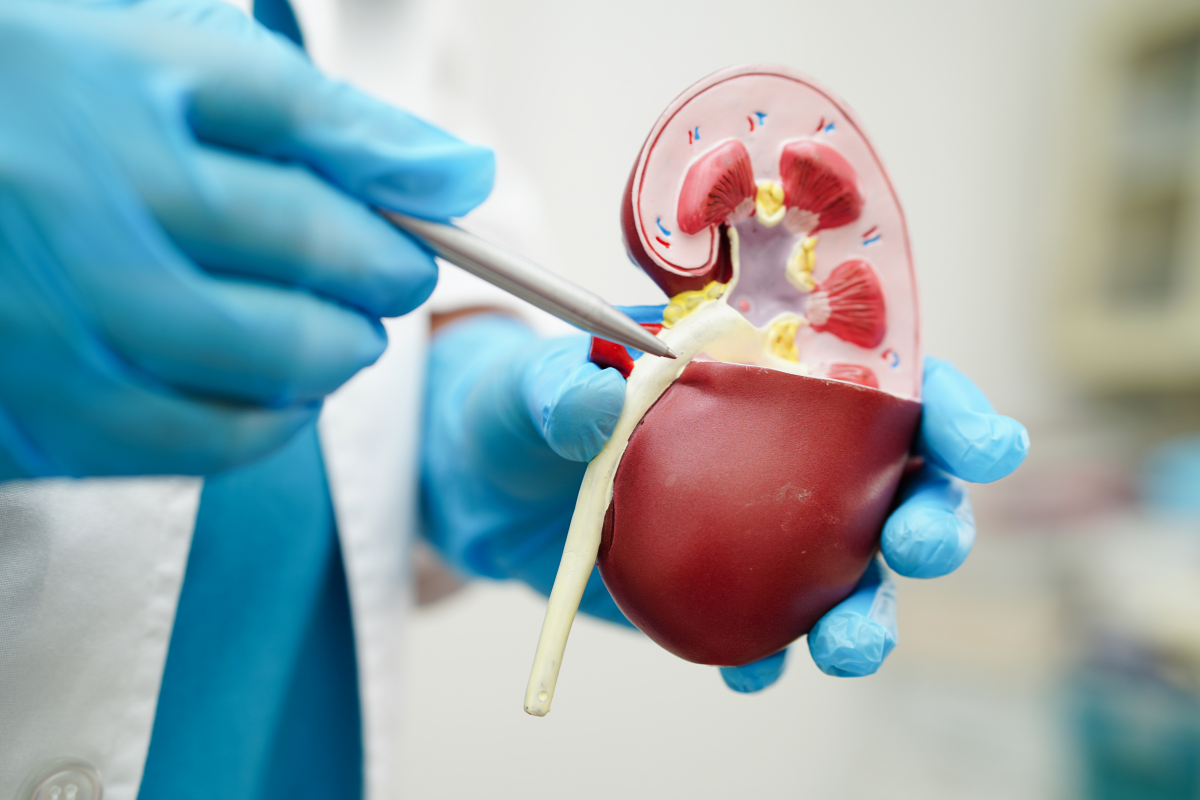
The kidneys filter waste out of your blood and produce urine. From there, thin tubes called ureters carry that urine down to the bladder, where it’s stored until you’re ready to release it through the urethra. Every part of this chain has to work correctly for urination to happen normally, and understanding this chain actually explains why different urological problems show up where they do.
One detail worth knowing: women have a noticeably shorter urethra than men — around 4 centimetres compared to roughly 20 centimetres in men. That shorter distance gives bacteria from the skin or rectal area a much easier path to reach the bladder, which is exactly why UTIs show up far more often in women. It’s not about hygiene or bad luck — it’s simple anatomy, and it also explains why UTIs in men, when they do happen, more often point to an underlying issue like an enlarged prostate obstructing normal urine flow, rather than a random infection.
Common Urological Disorders
Urinary tract infections (UTIs)
A UTI happens when bacteria, most commonly E. coli from the digestive tract, make their way into the urinary tract and multiply, usually starting in the bladder. As the bladder lining becomes irritated and inflamed, it triggers the classic combination of burning urination and the constant urge to go, even when very little urine is actually there.
Most UTIs clear up with a short course of antibiotics targeted to the specific bacteria involved. Recurrent infections deserve a closer look, since they can point to an anatomical issue, incomplete bladder emptying, or in men, an enlarged prostate creating a reservoir where bacteria can linger.
Kidney stones (urolithiasis)
Stones form through a specific chemical process: when urine becomes too concentrated with minerals like calcium and oxalate, these substances crystallise and slowly build up on the kidney’s inner surface, gradually clumping together into a hard mass. India’s hot climate plays a direct role here high heat drives fluid loss through sweat, concentrating urine further and making stone formation more likely, which partly explains why kidney stones are so common across the country.
Small stones might pass on their own, sometimes without much notice. Larger stones are a different story as one tries to squeeze through the narrow ureter, it triggers intense, wave-like pain, since the ureter’s muscular walls contract forcefully trying to push the stone along. Treatment ranges from hydration and pain management for small stones to procedures like shockwave lithotripsy, which breaks stones into fragments small enough to pass naturally, or ureteroscopy for stones that need direct removal.
Benign prostatic hyperplasia (BPH), or enlarged prostate
The prostate sits in a ring directly around the urethra, and as men age, hormonal shifts specifically a change in the balance between testosterone and oestrogen within prostate tissue cause the gland to gradually grow larger. Because of exactly where it sits, this growth squeezes the urethra like a hand tightening around a hose, which is precisely why BPH causes a weak stream, difficulty starting urination, and frequent trips to the bathroom, especially at night once the bladder muscle has to work harder against the narrowed passage.
Despite the alarming name, it’s benign, not cancer, and it’s genuinely common close to half of Indian men have some degree of it by age 60. Medication like alpha-blockers, which relax the muscle tissue around the prostate and urethra to ease the squeeze, is often enough before surgery is ever considered.
This is involuntary urine leakage, and it can stem from several different mechanisms weakened pelvic floor muscles that no longer support the bladder properly, nerve signal disruption that affects bladder control, or an overactive bladder muscle that contracts before it should.
Because the underlying cause varies so much, treatment is genuinely personalised, ranging from pelvic floor exercises to medication to, in select cases, a corrective procedure.
Prostatitis
This is inflammation of the prostate gland, sometimes from a bacterial infection and sometimes without one, causing pelvic pain, painful urination, and general urinary discomfort.
Bacterial cases respond to targeted antibiotics; non-bacterial cases often need a more layered approach involving pain management and pelvic floor therapy.
Getting and maintaining an erection depends on a coordinated sequence nerve signals triggering blood vessels in the penis to relax and fill with blood, while a valve mechanism traps that blood in place. ED happens when any link in that chain breaks down: blood flow problems from conditions like diabetes or heart disease, nerve damage, hormonal imbalances, certain medications, or psychological factors like stress and anxiety can all interrupt the process, sometimes more than one at once.
A urologist’s job is working out exactly which link is broken in your specific case, since the right treatment depends entirely on the cause rather than a one-size-fits-all approach.
When a couple struggles to conceive, the cause lies with the male partner in a significant share of cases problems with sperm production, sperm quality, or a structural blockage in the reproductive tract can all be responsible. A urologist can run semen analysis and other targeted tests to pinpoint exactly what’s going on before outlining treatment options.
Urological cancers
These include cancers of the kidney, bladder, prostate, and testicles. Symptoms and outlook vary enormously depending on the type and stage, which is exactly why persistent or unusual symptoms blood in the urine being a significant one should never be brushed off as “probably nothing.”
Symptoms of Urological Disorders
Because urology covers so much ground, symptoms differ depending on exactly what’s going on, but a few show up again and again:
- Painful or burning urination
- Frequent urination, or nocturia waking up repeatedly at night to urinate
- Difficulty starting urination, or a weak urine stream
- Blood in the urine (hematuria) this should never be ignored, even if it happens just once
- Cloudy or foul-smelling urine
- Pelvic, lower abdominal, or back pain
- Urinary leakage or trouble controlling urination
In men specifically, testicular pain, erectile dysfunction, or symptoms of an enlarged prostate often point toward a urological issue. In women, urinary symptoms combined with back or side pain, or a burning sensation during urination, are the more common red flags. Fever, chills, or nausea alongside any of these symptoms can signal a more serious infection, since it suggests the infection may have spread beyond the bladder toward the kidneys, and shouldn’t wait for a routine appointment.
Common Myths About Urological Health
Myth: Urological problems only affect older men.
Not true. UTIs affect women of every age, kidney stones increasingly show up in people in their 30s and 40s, and fertility issues can affect men at any reproductive age.
Myth: A referral to a urologist means you’ll need surgery.
Not usually. Most people referred to a urologist end up managing their condition through medication or lifestyle changes.
Myth: Only men need to see a urologist.
Women have a urinary tract too, and conditions like incontinence, recurrent UTIs, and bladder problems fall squarely under urology.
Myth: Holding your urine occasionally doesn’t matter.
Making a habit of it does. Regularly delaying urination gives bacteria more time to multiply in urine that isn’t being flushed out, and over time it can weaken the bladder muscle’s normal contraction pattern.
Myth: Blood in the urine always means cancer.
It can, and it always needs evaluation, but it also has far more common, less alarming causes infections, kidney stones, or even intense exercise. The point isn’t to panic; it’s to get it checked rather than guess.
How Are Urological Disorders Diagnosed?
Diagnosis typically starts with a conversation about your symptoms, medical history, and lifestyle, followed by a physical exam. From there, a urologist might order:
- Urine tests, to check for infection, blood, or other abnormalities
- Blood tests, to assess kidney function or look for signs of infection
- Ultrasound, which images the kidneys, bladder, and prostate to check for stones, blockages, or structural issues
- CT or MRI scans, for a more detailed look when needed, particularly for kidney stones or masses
- Cystoscopy, where a thin camera examines the inside of the bladder and urethra directly — it sounds intimidating, but most people find it far less uncomfortable than they expected
Treating Urological Disorders
Medications cover a lot of ground here antibiotics matched to the specific bacteria causing an infection, alpha-blockers that relax prostate and urethral muscle tissue to ease BPH symptoms, and pain relief for smaller kidney stones as they pass.
Lifestyle changes genuinely make a difference for many conditions: staying well hydrated dilutes urine and directly lowers the chance of new stones forming, maintaining a healthy weight reduces strain linked to several urological conditions, and pelvic floor exercises can rebuild the muscular support that prevents incontinence.
Minimally invasive procedures, like ureteroscopy for kidney stones or shockwave lithotripsy that uses focused sound waves to fragment stones from outside the body, handle a large share of cases that don’t respond to medication alone.
Surgery stays reserved for situations that genuinely need it very large kidney stones, advanced prostate conditions, certain cancers, or structural problems that other treatments can’t fix.
Urologist or Nephrologist Who Do You Actually Need?
This mix-up comes up constantly. A nephrologist is a kidney specialist who manages medical conditions affecting how the kidneys function as a filtering organ chronic kidney disease, kidney-related high blood pressure, or dialysis care. A urologist handles the structural and surgical side of the urinary tract and male reproductive system kidney stones, UTIs, an enlarged prostate, incontinence, and urological cancers.
There’s overlap, since both deal with kidneys, but broadly: if it’s about how well your kidneys are functioning, that’s nephrology; if it’s a physical or structural urinary problem, that’s urology.
Preventing Urological Problems
- Drink enough water through the day this is the single most effective thing you can do to prevent kidney stones, since it keeps urine dilute and stops minerals from concentrating enough to crystallise
- Empty your bladder fully each time, and avoid holding urine for long stretches, especially important in India’s hot climate where fluid loss through sweat already concentrates urine
- Cut back on bladder irritants like excessive caffeine and fizzy drinks
- Keep your pelvic floor strong with regular Kegel exercises repeatedly tightening and releasing the muscles you’d use to stop urine flow, a few times a day
- Stay physically active to maintain a healthy weight, since obesity is directly linked to both kidney stone recurrence and incontinence
- Don’t smoke, since it’s a known risk factor for bladder cancer specifically
- Men past 50 should consider a regular prostate check, given how common BPH becomes with age
When Should You See a Urologist?
If you have any of these persistent or recurring urinary or reproductive health symptoms, it’s important to get properly evaluated:
- Blood in the urine
- Painful or burning urination
- Difficulty starting or maintaining urine flow
- Weak urine stream
- Frequent urination or repeated nighttime urination
- Recurrent UTIs
- Persistent pelvic or back pain
- Urinary leakage
- Erectile dysfunction
- Recurring kidney stones
If symptoms appear suddenly, become severe, or occur with fever or significant illness, seek prompt medical attention rather than waiting for them to resolve on their own. You can book an online consultation with a qualified urologist through HealthPil for personalized evaluation and guidance based on your symptoms.
How HealthPil Can Help:
At HealthPil, we connect you with experienced urologists who can effectively diagnose and treat your urological conditions. Schedule a consultation today!
Summary
Urological disorders cover a wide range of conditions affecting the kidneys, bladder, prostate, and male reproductive organs, and they’re genuinely common in India kidney stones alone affect roughly 12% of the population, and BPH touches nearly half of men by 60. Understanding the mechanics behind these conditions why women get more UTIs, why India’s climate drives kidney stones, why an enlarged prostate squeezes the urethra makes it clear these aren’t random misfortunes but predictable results of anatomy, hormones, and environment.
Most people referred to a urologist never need surgery; medication, lifestyle changes, and minimally invasive procedures handle the majority of cases. What actually determines the outcome is how early the condition gets caught, which depends entirely on whether symptoms get reported instead of ignored. If something’s been nagging at you, book an online consultation with HealthPil.
FAQs
1. What does a urologist treat?
A urologist treats conditions affecting the kidneys, bladder, ureters, urethra, and, in men, the prostate, testicles, and penis, including UTIs, kidney stones, enlarged prostate, incontinence, erectile dysfunction, and male infertility.
2. Why are kidney stones so common in India?
India’s hot climate leads to significant fluid loss through sweat, which concentrates urine and makes it easier for minerals like calcium and oxalate to crystallise into stones. This is one reason kidney stones affect around 12% of the Indian population.
3. Is urological surgery always necessary?
No. Most people referred to a urologist manage their condition through medication, lifestyle changes, or minimally invasive procedures.
4. What is the difference between a urologist and a nephrologist?
A nephrologist manages medical conditions affecting kidney function, like chronic kidney disease. A urologist handles structural and surgical issues of the urinary tract and male reproductive system, such as kidney stones and an enlarged prostate.
5. Why are UTIs more common in women than men?
Women have a much shorter urethra than men, giving bacteria a shorter distance to travel to reach the bladder, which makes infections more likely.
References
- National Institute of Diabetes and Digestive and Kidney Diseases (NIDDK). Urologic Diseases. Available at:
NIDDK - Urological Disorders – Clinical Review. Available at:
PubMed
Disclaimer:
This information is for educational purposes and should not replace professional medical advice. Always consult your healthcare provider for personalised recommendations.

Read our editorial policy