

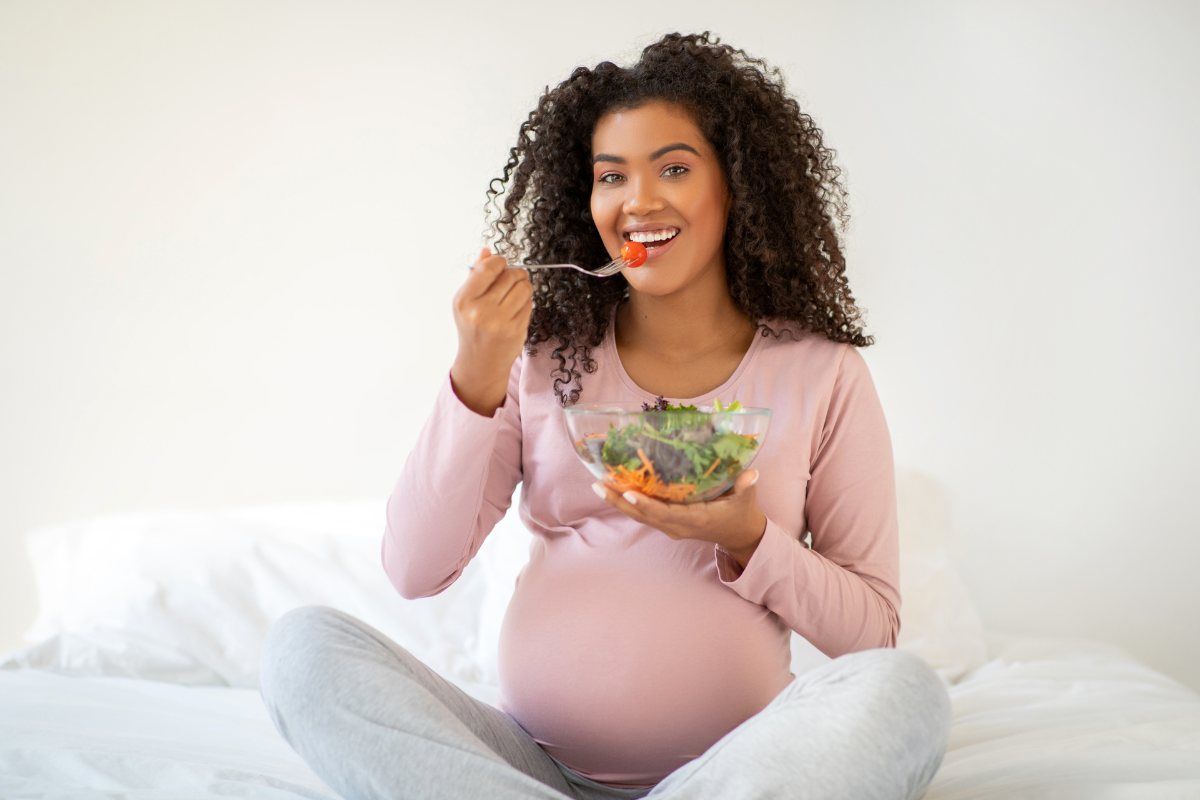
A nutritious diet is important for both the mother’s and the baby’s health throughout pregnancy it’s one of the few things you have real, daily control over during these nine months. Achieving good health during this time requires personalised dietary and lifestyle changes, and the Indian Council of Medical Research’s (ICMR) 2024 guidelines lay out exactly what that should look like for Indian mothers.
This article debunks common misconceptions, walks through the important elements of pregnancy nutrition, and offers practical, research-based guidance you can actually use at home.
Why Is Nutrition Important During Pregnancy?
A nutritionally adequate diet during pregnancy offers real, measurable benefits:
- Healthy fetal development. Proper nourishment supports brain, organ, and skeletal development the building blocks that happen only once, and only now.
- Reduced complications. Adequate weight gain generally 10 to 12 kg for women with a normal BMI lowers the risk of preterm delivery and low birth weight.
- Maternal health. A well-planned diet prevents deficiencies, anaemia, and other health issues for the mother herself, not just the baby.
Poor nutrition during pregnancy usually falls into one of two categories. The first is malnutrition simply not eating enough overall, which can affect the baby’s growth from very early on. The second is micronutrient deficiency eating enough food, but missing key nutrients like iron, folate, or zinc, which can affect specific aspects of development even when overall weight gain looks completely normal. Both matter, which is why variety counts just as much as quantity.
Poor nutrition also raises the risk of underweight newborns something linked to higher rates of illness and mortality in a baby’s first two years of life.
Pre-Pregnancy Nutrition: Laying the Foundation
A healthy pregnancy genuinely begins before conception.
- Achieve optimal weight. Women should aim for a normal BMI (18.5–23 kg/m²) before conceiving.
- Screening and supplements. Get tested for anaemia, blood sugar, blood pressure, and thyroid function ahead of time. Start folic acid supplements 400 mcg daily at least three months before conception.
- Prevent infections. Take precautions against infections like malaria, which can contribute to low birth weight.
Pregnancy Nutrition by Trimester
First trimester (0–13 weeks)
Focus on folic acid. Stay hydrated. Eat small, frequent meals rather than three large ones.
Morning sickness is common here, and there are genuine ways to ease it small sips of ginger tea, plain crackers before getting out of bed, and staying hydrated with electrolyte drinks if needed. If vomiting becomes severe or persistent, don’t try to manage it alone — call your doctor.
Second trimester (14–27 weeks)
Calorie needs go up. Protein intake increases. Calcium and iron requirements both rise noticeably during this stage.
Third trimester (28–40 weeks)
DHA, calcium, iron, fibre, and hydration all matter more as the baby grows rapidly and your own body prepares for delivery.
Key Nutritional Components During Pregnancy
Calorie requirements
No additional calories are needed in the first trimester. Add roughly 350 calories a day in the second trimester, and 450 calories a day in the third. Choose nutrient-dense foods over empty calories from processed or sugary items the extra calories should be doing real work, not just filling space.
Macronutrients
Protein is critical for fetal growth add about 8g a day in the second trimester and 18g a day in the third. Good sources include pulses, beans, milk, eggs, fish, and lean meat.
Fats matter too, particularly for brain development. Nuts, seeds, fish, and flaxseeds are solid sources of the fatty acids your baby needs.
Micronutrients
- Folic acid prevents neural tube defects. Get it from green leafy vegetables, legumes, fortified cereals, and supplements.
- Iron prevents anaemia and supports red blood cell production. Green leafy vegetables, beans, and fish are good sources pair them with vitamin C-rich foods for better absorption.
- Calcium and vitamin D are essential for fetal bone development and your own bone health. Dairy products, fortified foods, and sunlight exposure all help.
- Iodine supports brain and thyroid development in the baby. Iodised salt, fish, and eggs cover this well.
- Vitamin A prevents night blindness and supports immune function found in carrots, spinach, mangoes, and animal liver (though liver itself needs a caution, more on that below).
- Zinc is one that doesn’t get talked about enough. It supports healthy cell growth and division in the developing baby, and a shortage is linked to slower fetal growth and a higher risk of birth defects. Good sources include meat, dairy, legumes, nuts, and whole grains.
Foods to Eat During Pregnancy
Green leafy vegetables. Whole grains. Lentils and chickpeas. Eggs. Low-mercury fish. Milk, yoghurt, and paneer. Fruits, nuts, and seeds. Millets. Sweet potatoes. Citrus fruits.
Together, these foods provide the protein, iron, calcium, folate, fibre, omega-3 fatty acids, and antioxidants that genuinely support healthy pregnancy outcomes not because any single one is “magic,” but because the mix does the work.
Healthy Meal Planning for Pregnant Women
A typical balanced day should include:
Breakfast — Whole grains like oats or ragi, a boiled egg or sprouts, and a glass of milk.
Lunch — Brown rice or millets, lentils, a leafy vegetable, curd, and a piece of fruit.
Snacks — Roasted chickpeas, fruit salad with nuts, or boiled peanuts.
Dinner — Whole-grain chapatis, a protein source like fish or paneer, and mixed vegetables.
Hydration matters just as much as any single food aim for at least 2 litres of water daily.
Foods to Avoid During Pregnancy
Raw meat. Raw eggs. Unpasteurised milk. High-mercury fish. Alcohol. Tobacco. Excess caffeine. Soft drinks. Ultra-processed foods. Raw sprouts. Refrigerated deli meat.
Organ meat deserves a specific mention. Liver and other organ meats are very high in vitamin A, and excess vitamin A during pregnancy — especially in the first trimester has been linked to birth defects. It’s best avoided, even though it feels like a “natural” food.
A few other things worth flagging directly:
High Fat, Salt, and Sugar (HFSS) foods raise the risk of gestational diabetes and hypertension.
Caffeine should be limited to one cup a day — excess intake may raise miscarriage risk.
Highly processed foods carry preservatives and chemicals that aren’t good for either mother or baby.
Unhygienic food, like street food, carries a real risk of foodborne illness worth being extra cautious about right now.
Sample One-Day Pregnancy Meal Plan
Breakfast — Vegetable oats, milk, and a boiled egg
Mid-morning — A piece of fruit and a handful of almonds
Lunch — Two rotis, dal, a green vegetable, and curd
Evening — Roasted chana and coconut water
Dinner — Brown rice, paneer or fish, and vegetables
Bedtime — A glass of warm milk
Hydration and Physical Activity During Pregnancy
Hydration
Aim for around 2 to 3 litres of water daily, unless your doctor advises otherwise. Proper hydration supports amniotic fluid levels, digestion, circulation, and temperature regulation, and may help reduce constipation and urinary tract infections two things a lot of pregnant women deal with more than they expect.
Physical activity
Regular, moderate exercise improves circulation, supports healthy weight gain, eases back pain, improves sleep, and lowers the risk of gestational diabetes.
Good options include walking, prenatal yoga, gentle stretching, and swimming. Always check with your doctor before starting or continuing any exercise routine during pregnancy what’s safe changes depending on your specific situation.
When Should You Consult a Doctor?
Reach out to your healthcare provider if you experience:
Severe vomiting. Rapid weight loss. Persistent swelling. High blood pressure. Signs of gestational diabetes. Reduced fetal movement. Severe anaemia. Difficulty eating.
Professional guidance at the right moment prevents complications for both you and your baby.
Common Myths About Pregnancy Nutrition
Myth: “You need to eat for two.”
Fact: Nutritional quality matters far more than quantity. Eating excessive calories can lead to complications and unnecessary weight gain, without actually benefiting the baby.
Myth: “Pregnancy cravings must be satisfied.”
Fact: Cravings aren’t always linked to what your body nutritionally needs. They can be indulged, just in moderation.
Myth: “Only supplements can meet pregnancy needs.”
Fact: A balanced diet covers most nutritional demands on its own. Supplements are meant for specific, identified deficiencies — not a replacement for real food.
Myth: “Dairy causes weight gain and should be avoided.”
Fact: Dairy is a critical source of calcium and protein during pregnancy. Avoiding it usually does more harm than good.
How HealthPil Can Help
HealthPil places a high priority on maternal health, offering:
- Professional nutrition consultations — customised meal plans built around your specific nutritional needs and stage of pregnancy.
- Lifestyle advice — practical guidance for maintaining energy levels, managing blood sugar, and keeping weight gain on track.
- Supplement advice — personalised recommendations for iron, calcium, and folic acid, based on what your body actually needs rather than a generic list.
Our team makes sure your pregnancy nutrition feels manageable, not overwhelming every step of the way.
Summary
Nutrition during pregnancy is about more than eating more it’s about eating right, in the right balance, at the right stage. Following ICMR 2024 guidelines means paying attention to calories, protein, and a full range of micronutrients including folic acid, iron, calcium, iodine, vitamin A, and zinc a nutrient that often gets overlooked. Certain foods, including organ meat, raw or undercooked items, and high-mercury fish, are best avoided due to real, specific risks. Staying hydrated, keeping up moderate physical activity, and knowing the warning signs that need a doctor’s attention all matter just as much as the food on your plate. If you’d like a personalised pregnancy nutrition plan, book an online consultation with a HealthPil expert today.
FAQs :-
1. Can pregnant women eat papaya?
Only ripe papaya is generally considered safe. Avoid unripe papaya, as it contains latex, which may stimulate uterine contractions.
2. Is coffee safe during pregnancy?
Limit caffeine intake to 200 mg per day or less, as recommended by most clinical guidelines.
3. Which fruit is best during pregnancy?
Oranges, bananas, apples, berries, guava, mangoes, and pomegranates all provide good vitamins, fibre, and antioxidants.
4. Do all pregnant women need supplements?
Most need folic acid, iron, and calcium. Supplements should only be taken as advised by a healthcare professional, not self-prescribed.
5. Can vegetarians get enough protein during pregnancy?
Yes. Lentils, beans, soy products, dairy, nuts, and seeds provide adequate protein when eaten in sufficient variety and quantity through the day.
6. How many extra calories do I need during pregnancy?
No extra calories are needed in the first trimester. About 350 extra calories a day are recommended in the second trimester, and around 450 extra calories a day in the third though individual needs can vary based on your starting weight and activity level.
7. Is it safe to eat rice during pregnancy?
Yes, in moderate amounts. Rice is generally safe and can support healthy digestion, but it works best as part of a varied diet rather than a dominant one.
References
- Talebi S, Kianifar HR, Mehdizadeh A. Nutritional Requirements in Pregnancy and Lactation. Available at:
PubMed - Marshall NE, Abrams B, Barbour LA, et al. The Importance of Nutrition in Pregnancy and Lactation: Lifelong Consequences. Available at:
PubMed
Disclaimer:
This article is for informational purposes only and should not replace professional medical advice. Consult a healthcare provider for personalised recommendations during pregnancy.

Read our editorial policy