

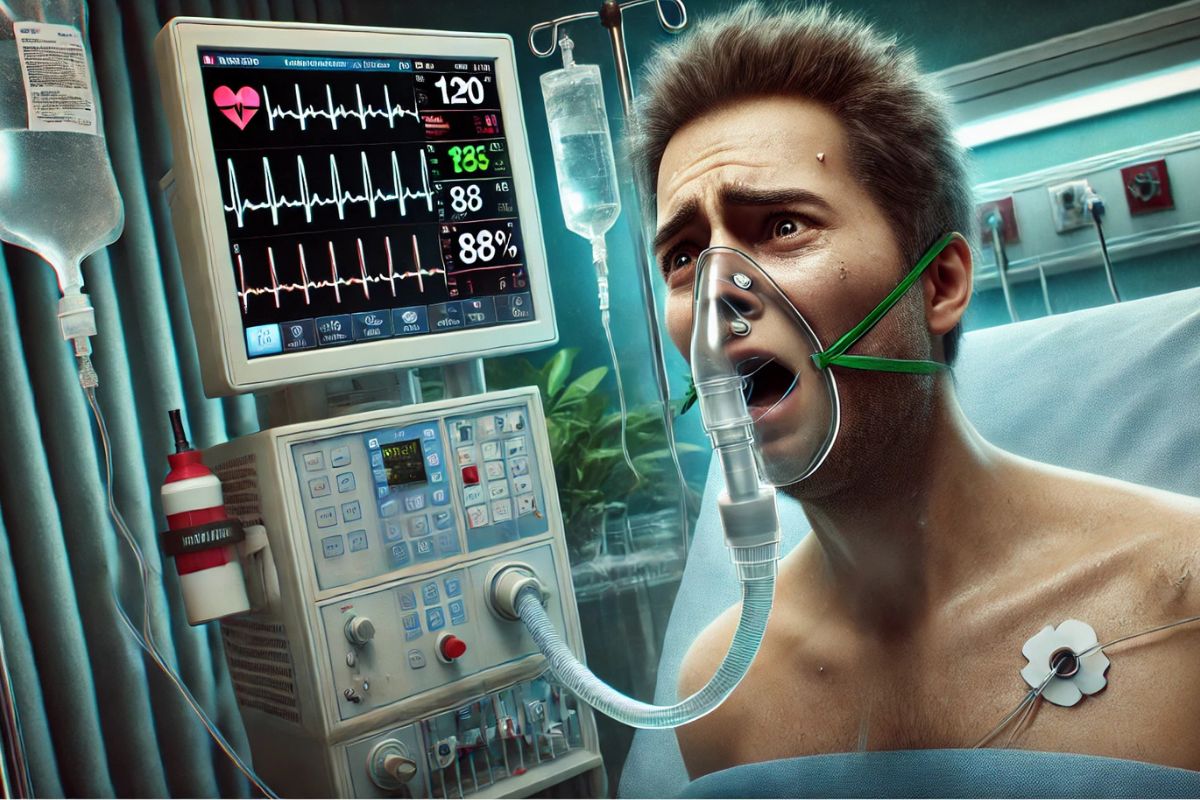
One moment you feel fine. The next, there is a sudden sharp pain in your chest. Breathing becomes hard. Your heart is racing. You feel dizzy and weak.
This is not always a heart attack. Sometimes it is something equally serious a blood clot in the lungs. This is called pulmonary embolism.
Pulmonary embolism can happen without much warning. It can be life-threatening. And many people who have it don’t even know they were at risk.
This blog explains what pulmonary embolism is, what symptoms to watch for, what causes it, how it’s diagnosed, and how it’s treated. Simple words. Easy to understand.
What Is Pulmonary Embolism?
Pulmonary embolism or PE happens when a blood clot blocks one of the arteries in the lungs. This lung artery blockage stops blood from flowing properly. When blood can’t flow, oxygen can’t reach the lungs either. This is what makes PE so dangerous.
Most of the time, the blood clot didn’t start in the lungs. It usually forms somewhere else most commonly in the deep veins of the leg. This is called Deep Vein Thrombosis or DVT. When a clot breaks off from the leg vein, it travels through the bloodstream and gets stuck in the pulmonary artery. That’s pulmonary artery blockage and it’s a medical emergency.
Not every blood clot in lungs is the same size. Small clots may cause mild symptoms. Large clots can cause right heart failure or even sudden cardiac arrest.
Symptoms of Pulmonary Embolism
Pulmonary embolism symptoms can vary. Some people have several symptoms at once. Others have just one or two. What makes PE tricky is that its symptoms can look like other conditions a heart attack, pneumonia, or even a panic attack.
Here is what to watch for:
- Sudden shortness of breath this comes on fast. You feel like you cannot get enough air, even at rest. Sudden shortness of breath with no obvious reason is one of the clearest signs of PE.
- Chest pain sharp, stabbing chest pain that gets worse when you breathe deeply or cough. It can feel very similar to a heart attack. Don’t wait to find out which one it is.
- Coughing blood some people cough up blood or bloody mucus. This is a serious sign and needs immediate attention.
- Rapid heartbeat your heart races even when you are sitting still. Low oxygen levels from the blocked artery force the heart to work harder.
- Dizziness or fainting a large clot drops blood pressure suddenly. This causes dizziness and can lead to fainting.
- Leg swelling and leg pain swelling, redness, or pain in one leg usually the calf is a sign of DVT symptoms. This is often where the clot started before it travelled to the lungs.
- Low oxygen levels lips or fingernails turning bluish is a sign that the body is not getting enough oxygen.
- Any of these symptoms especially chest pain, sudden shortness of breath, or coughing blood need emergency medical care immediately. Do not drive yourself. Call for help.
What Causes Pulmonary Embolism?
Blood clots form when blood moves too slowly, when a blood vessel is damaged, or when the blood itself clots too easily. Several things can cause this.
- Deep vein thrombosis is the most common cause. A blood clot forms in the deep veins of the leg, breaks loose, and travels to the lungs.
- Post-surgery blood clots surgery especially hip or knee replacement slows blood flow and increases clotting risk significantly. Post-surgery blood clots are one of the most common causes of pulmonary embolism in hospital settings.
- Prolonged immobility sitting for long hours on a long flight, bed rest after illness or surgery, or long periods without movement allows blood to pool in the leg veins. This is how many travel-related clots develop.
- Pregnancy and blood clots pregnancy increases clotting factors in the blood naturally. The risk is highest in the third trimester and in the weeks after delivery. Pregnancy and blood clots together make PE one of the most serious complications of childbirth.
- Cancer and blood clots certain cancers particularly pancreatic, lung, and blood cancers significantly increase clotting risk. Chemotherapy also raises this risk further.
- Birth control pills and hormone therapy oestrogen-based medications increase blood clotting tendency. Women on the pill who also smoke face a particularly high risk.
- Smoking smoking damages blood vessel walls and makes blood more likely to clot.
- Obesity excess weight puts pressure on leg veins and slows circulation.
Who Is at Higher Risk?
Understanding pulmonary embolism risk factors helps you take action before a clot forms.
Higher risk if you are over 60. If you have recently had surgery. If you have been sitting still for long periods. If you smoke. If you are pregnant or recently gave birth. If you have cancer. If you take hormonal birth control. If your family has a history of blood clots. If you have an inherited clotting disorder.
None of these mean PE will definitely happen. But the more risk factors you have, the more important blood clot prevention becomes.
How Is Pulmonary Embolism Diagnosed?
Pulmonary embolism diagnosis is not always straightforward. The symptoms overlap with other serious conditions. Doctors use a combination of tests to confirm it.
- CT pulmonary angiography this is the gold standard test for PE. It uses a special dye and X-ray imaging to show the blood vessels in the lungs clearly. A blood clot shows up as a blockage in the pulmonary artery. CT pulmonary angiography is the most accurate way to confirm a diagnosis.
- D-dimer test a blood test that measures a substance released when blood clots break down. A high D-dimer level suggests a clot may be present. It’s often the first test done when PE is suspected.
- Ultrasound for DVT if DVT is suspected as the source of the clot, an ultrasound of the leg veins can show whether a clot is present there.
- VQ scan a ventilation-perfusion scan is sometimes used instead of CT angiography, particularly when a patient cannot have contrast dye. It checks how air and blood flow through the lungs.
- Echocardiogram an ultrasound of the heart. Used to check for right heart failure a serious complication of large pulmonary embolisms. An echocardiogram shows how hard the heart is working and whether the right side is under strain.
- Arterial blood gas test checks oxygen and carbon dioxide levels in the blood. Low oxygen levels support the diagnosis of PE.
Treatment for Pulmonary Embolism
Pulmonary embolism treatment depends on how severe the clot is. The main goals are to stop the clot from getting bigger, prevent new clots from forming, and dissolve the existing clot if it is causing serious problems.
- Blood thinners anticoagulants these are the most common pulmonary embolism treatment. Anticoagulants don’t dissolve the clot, but they stop it from growing and prevent new clots forming. Heparin is given first usually by injection. Then warfarin or DOACs (direct oral anticoagulants) are used for longer-term treatment. DOACs are increasingly preferred because they are easier to manage than warfarin.
- Thrombolytic therapy clot-busting drugs used in life-threatening cases where the clot is very large. Thrombolytic therapy dissolves the clot quickly but carries a significant risk of serious bleeding. It is reserved for the most severe situations.
- Catheter-directed thrombolysis a catheter is guided directly to the clot in the pulmonary artery. Clot-dissolving medication is delivered right at the blockage site. This approach reduces bleeding risk compared to systemic thrombolytic therapy.
- IVC filter an inferior vena cava filter is a small device placed inside the large vein that carries blood from the lower body to the heart. It catches clots before they can reach the lungs. An IVC filter is used when blood thinners cannot be given safely.
- Oxygen therapy if low oxygen levels are present, supplemental oxygen helps the body function while the clot is being treated.
Recovery After Pulmonary Embolism
Most people recover well with proper treatment, though it can take several weeks to months, not days. Some breathlessness or fatigue may linger even after the clot itself is treated this is common and usually improves gradually over time.
Regular follow-up appointments help your doctor track your progress, adjust your blood thinner dose if needed, and catch any lingering issues early. Don’t skip these visits just because you’re feeling better.
Complications of Untreated Pulmonary Embolism
Without treatment, pulmonary embolism complications can be serious and permanent.
- Pulmonary hypertension the blocked artery raises pressure in the lungs. Pulmonary hypertension puts strain on the right side of the heart.
- Right heart failure the right ventricle works harder and harder against the high pressure. Eventually it can fail.
- Pulmonary infarction when blood supply is cut off long enough, part of the lung tissue dies. This is pulmonary infarction.
- Pleural effusion fluid can build up around the lungs, adding to breathing difficulty and sometimes requiring separate treatment to drain it.
Then add this note at the very end of the same section, after “Permanent lung damage scarring of the lung tissue affects breathing long term.”:
In rare cases, scarring can remain in the lung arteries even after treatment, causing ongoing breathlessness for months. This is called CTEPH. If breathing difficulty continues six months after treatment, mention this to your doctor.
- Recurrent pulmonary embolism without proper treatment and prevention, PE can come back. Recurrent pulmonary embolism carries a higher mortality risk than the first episode.
- Permanent lung damage scarring of the lung tissue affects breathing long term.
Blood Clot Prevention What You Can Do
Many cases of pulmonary embolism are preventable. Here is what genuinely helps:
- Stay active avoid sitting still for long periods. On long flights, walk the aisle, flex your calves, stretch your legs every hour. Simple movement keeps blood flowing.
- Compression stockings compression stockings gently squeeze the leg veins and push blood upward. They are particularly useful after surgery and during long travel.
- Stay hydrated drinking enough water keeps blood from thickening. Dehydration increases clotting risk.
- Follow post-surgery instructions take prescribed blood thinners after surgery. Move as early as the medical team advises. Post-surgery blood clots are largely preventable with proper care.
- Quit smoking smoking damages blood vessels and raises clotting risk. Stopping smoking reduces PE risk significantly.
- Manage weight obesity increases pressure on leg veins and slows circulation.
- Discuss risk with your doctor if you are pregnant, starting hormonal contraception, or having surgery, talk to your doctor about your individual risk and what preventive steps are right for you.
Pulmonary Embolism Myths Set Straight
“PE only happens to older people.” No. DVT and PE can affect younger people too particularly those with risk factors like pregnancy, hormonal contraception, prolonged immobility, or inherited clotting disorders.
“Blood thinners are dangerous.” Anticoagulants are life-saving medicines when used correctly under medical supervision. The risk of not treating a clot is far greater than the managed risk of anticoagulation.
“You always know when you have a clot.” Many DVT clots form silently in the leg with no pain before causing pulmonary embolism. This is exactly why knowing risk factors matters.
“One PE means you’ll always get another.” Not necessarily. With proper treatment and ongoing blood clot prevention, recurrent pulmonary embolism risk is significantly reduced.
When Should You See a Doctor?
Go to emergency immediately if you have sudden shortness of breath. Sudden chest pain. Coughing blood. Racing heartbeat. Dizziness or fainting. Leg swelling with pain or redness.
These are pulmonary embolism symptoms that cannot wait. Every minute matters with a large clot.
For those with known risk factors recovering from surgery, pregnant, history of DVT an online consultation about when to seek help for pulmonary embolism and what prevention steps are right for your situation is a sensible and accessible first step.
How HealthPil Can Help
HealthPil connects you with experienced doctors and specialists who can assess your pulmonary embolism risk factors, explain your D-dimer test or CT pulmonary angiography results, guide blood clot prevention, and advise on blood thinners and long-term pulmonary embolism recovery.
Whether you have symptoms that concern you or want to understand your risk expert medical support is available online from wherever you are. Book your consultation with HealthPil today.
Summary
Pulmonary embolism is a blood clot in the lungs that blocks oxygen supply and can be life-threatening. Most clots start as DVT in the leg veins and travel to the pulmonary artery. Sudden shortness of breath, chest pain, coughing blood, rapid heartbeat, and leg swelling are the key symptoms. CT pulmonary angiography and D-dimer test confirm diagnosis. Blood thinners including heparin, warfarin, and DOACs are the main treatment. Clot-busting drugs and IVC filters are used in severe cases. Staying active, using compression stockings, staying hydrated, and following post-surgery guidelines are the foundations of blood clot prevention. If symptoms appear act immediately.
FAQs
1. What is the first sign of pulmonary embolism?
The most common early sign of pulmonary embolism is sudden shortness of breath. Some people may also experience chest pain, rapid heartbeat, dizziness, or coughing up blood.
2. Can pulmonary embolism be cured completely?
Yes. Most cases of pulmonary embolism can be successfully treated with blood thinners (anticoagulants) and other medical therapies. Early diagnosis and timely treatment greatly improve recovery outcomes.
3. Who is at the highest risk of developing pulmonary embolism?
People with deep vein thrombosis (DVT), recent surgery, prolonged bed rest, pregnancy, obesity, cancer, smoking habits, or a family history of blood clots have a higher risk of developing pulmonary embolism.
4. When should I seek emergency medical attention for pulmonary embolism?
Seek immediate medical care if you experience sudden shortness of breath, severe chest pain, coughing up blood, fainting, or a rapid heartbeat. Pulmonary embolism is a medical emergency and requires prompt treatment.
5. Can I consult a doctor online for pulmonary embolism symptoms?
Yes. If you are experiencing symptoms such as unexplained breathlessness, chest discomfort, leg swelling, or have concerns about blood clot risks, you can book an online consultation with a qualified healthcare professional. An online doctor can assess your symptoms, recommend diagnostic tests, and guide you on the next steps for treatment or emergency care if needed.
References
- Vyas V, Sankari A, Goyal A. Acute Pulmonary Embolism. StatPearls Publishing. Available at:
NCBI Bookshelf - Konstantinides SV, Meyer G, Becattini C, et al. The 2022 ESC Guidelines on Acute Pulmonary Embolism. Available at:
PubMed
Disclaimer:
This article is for informational purposes only and is not a substitute for professional medical advice. If you suspect a pulmonary embolism, seek immediate medical attentionDon’t ignore the signs. Protect yourself and your loved ones by learning more about pulmonary embolism. HealthPil is here to guide you every step of the way.

Read our editorial policy