

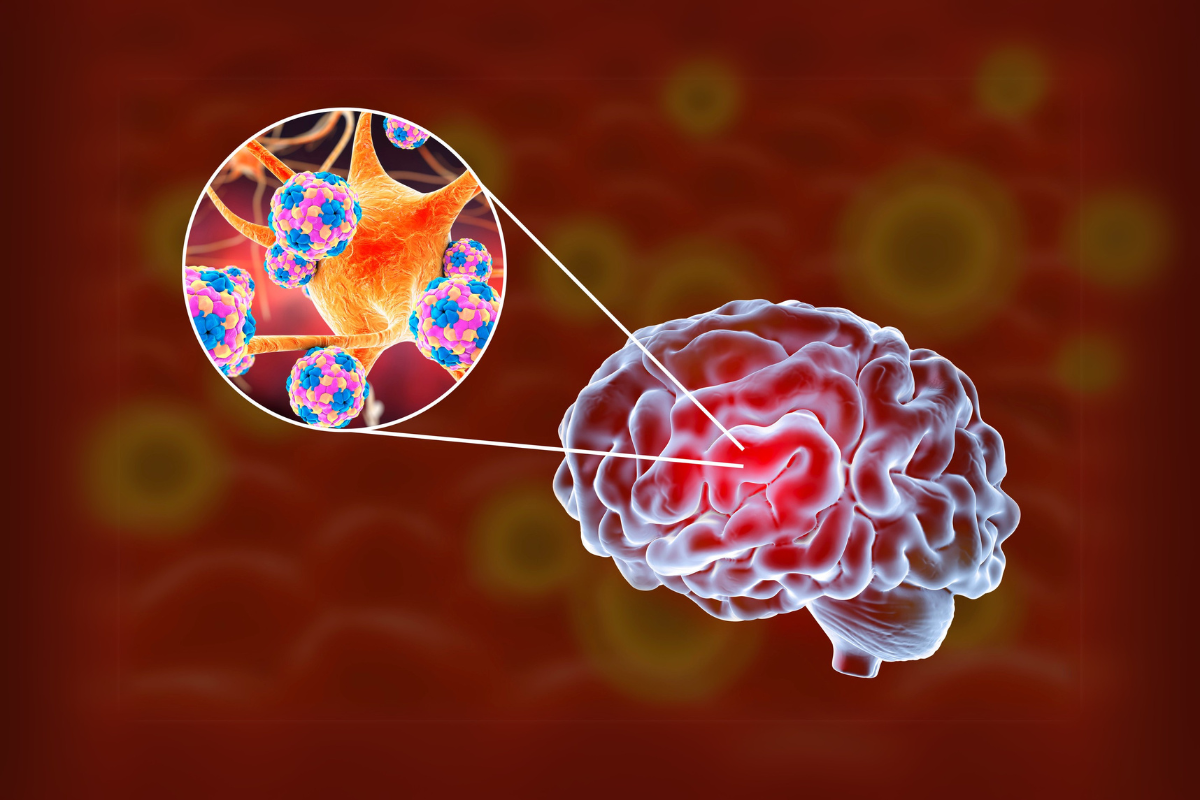
Meningitis is a serious brain infection that can become life threatening within hours if not treated on time. Early meningitis symptoms such as high fever, severe headache, neck stiffness, and confusion should never be ignored. Many people confuse these signs with common viral infections, which can delay treatment and increase risk.
Understanding meningitis symptoms and treatment options is crucial for early diagnosis and better recovery. If you or someone around you experiences these warning signs, it is important to consult a doctor immediately to prevent complications and get timely medical care.
What Is Meningitis?
Meningitis is inflammation of the membranes that cover the brain and spinal cord. Think of these membranes as protective wrapping around delicate electrical wiring. When they become swollen or infected, the pressure and irritation can trigger intense symptoms such as headache, fever, neck stiffness, and changes in thinking. Because the brain and spinal cord control the whole body, inflammation in this area can quickly become dangerous.
There are several types of meningitis. Bacterial meningitis is usually the most urgent because it can worsen within hours and may lead to brain damage, hearing loss, bloodstream infection, or death if treatment is delayed. Viral meningitis is more common and often less severe, but it can still cause serious illness in babies, older adults, and people with weak immune systems. Less common forms include fungal, parasitic, and non infectious meningitis.
The exact symptoms depend on age, the cause, immune status, and how fast the inflammation develops. Some people feel sick for days before obvious warning signs appear. Others become critically ill very quickly.
Common Early Meningitis Symptoms
Early meningitis symptoms often look similar to flu, COVID-like illness, or a bad viral infection. That similarity is why people sometimes dismiss it at first. A person may wake up with a pounding headache, fever, and body aches, assuming rest and fluids will solve it. But if symptoms intensify or are paired with neck stiffness or confusion, urgent medical care is essential.
The most common early symptoms include:
- High fever
- Severe headache
- Stiff neck
- Nausea or vomiting
- Sensitivity to light
- Extreme tiredness
- Muscle aches
- Poor appetite
- Difficulty concentrating
The headache is often described as stronger than a normal tension headache and less responsive to regular pain relievers. Neck stiffness can make it painful to look down or move the chin toward the chest. Light sensitivity may feel like even normal room lighting is too bright.
These symptoms do not always appear together. In some cases, fever may be absent early on, especially in older adults or people with weakened immunity.
Severe Symptoms That Need Emergency Care
When meningitis progresses, the body can send louder alarm bells. These symptoms mean immediate emergency treatment is needed. Waiting at home can be dangerous because bacterial meningitis can worsen with shocking speed.
Serious warning signs include:
- Confusion or unusual behavior
- Difficulty waking up
- Seizures
- Loss of consciousness
- Purple or red rash that does not fade when pressed
- Severe dehydration
- Trouble breathing
- Sudden weakness or collapse
The rash associated with meningococcal meningitis can be especially important. It may start as tiny pinprick spots and spread into larger purple areas caused by bleeding under the skin. Not everyone gets a rash, so its absence does not rule out meningitis.
If someone seems “not themselves,” becomes hard to wake, or deteriorates rapidly, call emergency services immediately. Minutes can matter.
Meningitis Symptoms in Babies and children
Meningitis in infants can be harder to recognize because babies cannot describe headache, neck pain, or light sensitivity. Instead, the clues are often behavioral and physical changes. Parents may simply feel something is wrong—and that instinct should never be ignored.
Symptoms in babies may include:
- Fever or low temperature
- Poor feeding
- Constant crying or unusual whimpering
- Lethargy or floppy body
- Irritability when handled
- Vomiting
- Bulging soft spot on the head (fontanelle)
- Stiff body or jerking movements
- Sleepiness that is hard to interrupt
Some babies become unusually quiet rather than fussy. Others cry in a high-pitched way that sounds different from normal hunger crying. Because symptoms can be subtle, medical review should happen urgently if a baby seems very unwell.
Toddlers may show fever, vomiting, clinginess, confusion, or refusal to walk or move because of pain.
Meningitis Symptoms in Teenagers and Adults
Teens and adults are more likely to show the “classic triad” of fever, headache, and neck stiffness, though not everyone has all three. College students and people in crowded housing environments may have increased exposure to certain bacterial strains, which is one reason vaccination campaigns often target these age groups.
Adults may experience:
- Severe headache unlike usual headaches
- Fever and chills
- Neck pain or stiffness
- Sensitivity to light
- Vomiting
- Drowsiness
- Confusion
- Joint pain
- Rash in some bacterial cases
Some people say the headache feels like pressure from the inside out, while others describe being unable to tolerate noise or movement. If symptoms appear suddenly and strongly, medical evaluation should be immediate.
Viral vs Bacterial Meningitis Symptoms
Although symptoms overlap, there are patterns that may help doctors distinguish causes. Still, it is impossible to reliably tell at home, which is why testing is critical.
Feature | Viral Meningitis | Bacterial Meningitis |
Onset | Often gradual | Often sudden or rapid |
Fever | Common | Common, often high |
Headache | Common | Severe |
Neck stiffness | Possible | Very common |
Rash | Rare | Possible in meningococcal cases |
Confusion | Less common | More common |
Severity | Often milder | Medical emergency |
Treatment | Supportive/antiviral in some cases | Immediate antibiotics |
Bacterial meningitis is the version doctors fear most because delays can lead to complications quickly. Viral meningitis can still be serious, especially in newborns and immunocompromised patients.
Causes and Risk Factors Of Meningitis
Meningitis can be caused by different germs and medical triggers. Common bacterial causes include Neisseria meningitidis, Streptococcus pneumoniae, and Haemophiles influenzae type b in places where vaccination coverage is low. Viral causes include enteroviruses, herpes viruses, and others.
Risk factors include:
- Being an infant or young child
- Living in dormitories or crowded housing
- Not being vaccinated
- Recent ear or sinus infection
- Weakened immune system
- Travel to outbreak regions
- Close contact with an infected person
- Certain surgeries or skull injuries
Sometimes healthy people become ill without obvious risk factors, which is why no one should rely on age or fitness alone for reassurance.
How Neurologist Doctors Diagnose Meningitis
Doctors move quickly when meningitis is suspected. They will review symptoms, perform a physical exam, and check vital signs. Questions often focus on fever, rash, headache onset, travel history, and recent infections.
Common tests include:
- Blood tests
- Blood cultures
- CT or MRI scans in selected cases
- Lumbar puncture to examine cerebrospinal fluid
- PCR tests to detect viruses or bacteria
A lumbar puncture is one of the most important tools because it helps identify the cause and guides treatment. While many people fear the test, it is routinely performed and often essential.
Treatment Options For Meningitis
Treatment depends entirely on the cause. Suspected bacterial meningitis is treated immediately with intravenous antibiotics, often before test results return. Doctors may also use steroids in some cases to reduce inflammation and lower the risk of complications such as hearing loss.
Viral meningitis may require hospital observation, fluids, pain control, and sometimes antiviral medication if caused by viruses like herpes simplex. Fungal meningitis needs antifungal drugs, often for extended periods.
Recovery varies widely. Some people recover fully within weeks. Others may experience fatigue, headaches, hearing changes, memory problems, or emotional stress afterward. Follow up care is important.
Prevention Tips For Meningitis
Prevention is stronger than cure, especially with meningitis. Vaccines have significantly reduced several dangerous bacterial forms.
Helpful prevention steps include:
- Stay up to date with recommended vaccines
- Wash hands regularly
- Avoid sharing drinks or utensils during illness
- Cover coughs and sneezes
- Seek care for persistent infections
- Follow public health advice during outbreaks
- Ask doctors about preventive antibiotics if exposed to certain bacterial cases
Vaccination schedules vary by country and age, so local medical advice matters.
When to See a Doctor
Seek immediate medical attention if you or someone else has:
- Fever with severe headache
- Stiff neck
- Confusion or unusual sleepiness
- Seizure
- Purple/red rash that does not fade under pressure
- Persistent vomiting
- Baby who is hard to wake, feeding poorly, or has a bulging soft spot
- Rapid worsening over hours
Do not try to “wait it out” if meningitis is a possibility. Fast treatment can save life and reduce complications. Consult a neurologist immediately if symptoms worsen
How HealthPil Can Help
We at HealthPil are aware of how serious meningitis is and how important early treatment is. Consult our neurologists; they are available for online consultation, so you may get the professional guidance you require in a timely manner. We can provide timely diagnosis and care whether you have suspected meningitis or need advice on continued treatment.
Summary
Understanding meningitis symptoms can make a life saving difference. The condition may begin with fever, headache, and tiredness, but it can escalate into confusion, seizures, rash, or collapse especially when caused by bacteria. Babies may show subtle warning signs such as poor feeding, unusual crying, or sleepiness instead of classic symptoms.
Trust the pattern, not just one symptom. A severe headache plus fever, neck stiffness, rash, or altered behavior deserves urgent medical care. Quick diagnosis and treatment often lead to better outcomes, while delays increase risk. When in doubt, it is always safer to get checked immediately.
