

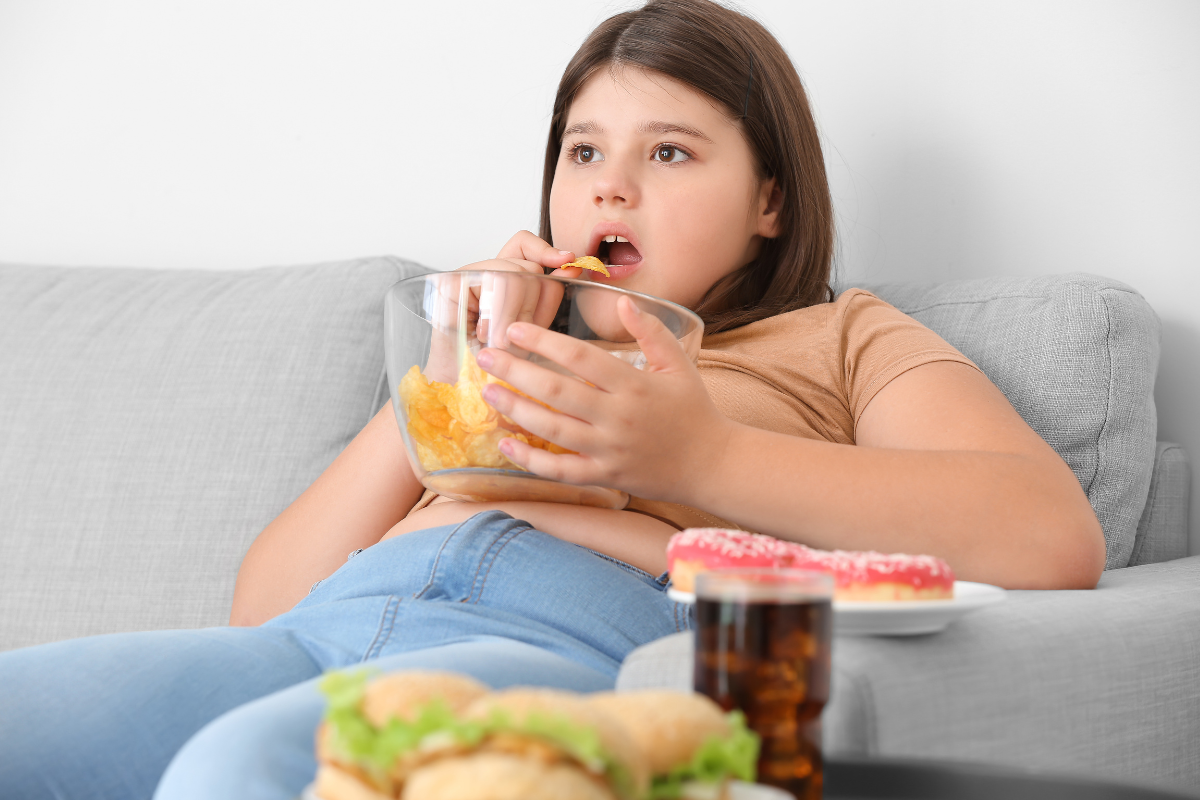
Many parents notice it slowly. A child getting tired more easily, avoiding outdoor play, wanting more screen time, gaining weight steadily over months, or becoming less confident socially. Most parents do notice the changes early, but many are also unsure whether it is just “baby fat,” a temporary phase, or something that actually needs attention.
Take Anaya, for example. She was 12 years old and had gradually become less active over the past year. Outdoor play reduced, screen time increased, and snacking became more frequent. Her parents also noticed that she seemed tired most of the time and was becoming more conscious about her appearance and weight.
When they finally consulted a pediatrician, they realised that childhood obesity is much more common than most families think, and more importantly, that it can be managed effectively with early lifestyle changes and the right support.
The important thing parents should know is that managing obesity in children is not about blaming the child or strict dieting. It is about improving overall lifestyle, eating habits, physical activity, sleep, and long-term health gradually and sustainably.
Signs and Symptoms of Childhood Obesity
Childhood obesity does not appear overnight. It builds up slowly, and for a long time, it can be easy to miss.
Some signs parents may notice include excess weight gain that does not match the child’s age and height, getting tired quickly, not wanting to move around much, getting out of breath doing normal things, snoring or sleeping badly at night, spending long hours on screens, pulling away from friends or feeling low about themselves, and struggling to keep up with other children physically.
In some overweight children, health problems can start showing up earlier than most parents expect.
Health Risks of Childhood Obesity
Childhood obesity is not just about how a child looks or how much they weigh. Over time, carrying extra weight puts real pressure on a child’s body and mind.
Health risks include type 2 diabetes in children, high blood pressure in children, high cholesterol, fatty liver disease, sleep apnea in children, joint pain, low physical stamina, anxiety and obesity together, and low self-esteem in children.
Children dealing with obesity may also face bullying due to obesity, social isolation, and emotional stress. These things quietly chip away at a child’s confidence over time.
Common Causes of Childhood Obesity
There is rarely one single reason behind obesity in children. Most of the time it is a combination of daily habits, food choices, and environment building up over months and years.
Unhealthy Eating Habits
Regular junk food and obesity go hand in hand. Fast food and obesity are also closely linked. Packaged snacks, large portions, and processed foods all add up to more calories than a child’s body needs. An unhealthy diet over time is one of the biggest drivers of childhood obesity.
Sugary Drinks
Soft drinks, packaged juices, milkshakes, and sweetened beverages carry a lot of hidden sugar and calories. Most children do not realise how much they are consuming through drinks alone. Hydration for kids should ideally come from water, not sugary options.
Lack of Physical Activity
Less outdoor time and more sitting indoors means fewer calories burned every day. Lack of physical activity adds up slowly but steadily when it becomes a daily pattern.
Excessive Screen Time
Screen time obesity is a real and growing problem. Long hours on phones, tablets, television, or video games reduce movement and often go hand in hand with mindless snacking. Video games and obesity are increasingly being linked, especially in younger children.
Poor Sleep Habits
Irregular sleep and not getting enough rest affects the hormones that control hunger and appetite. Children who sleep badly are more likely to eat more and move less the next day.
Family History and Genetics
Some children are more likely to gain weight if obesity runs in the family. Genetics play a role, but lifestyle still makes the biggest difference.
Medical or Hormonal Conditions
In some cases, a hormonal or metabolic condition may be behind the weight gain and needs proper medical evaluation by a pediatric obesity specialist.
How Is Childhood Obesity Diagnosed?
Diagnosis looks at the full picture not just the number on the scale.
BMI for Children
Doctors calculate Body Mass Index and compare it against a standard BMI growth chart based on the child’s age and gender. A growth assessment helps confirm whether the weight is a real concern or within a normal range.
India is seeing a steady rise in childhood obesity rates, particularly in urban areas. BMI cutoffs for Indian children differ from Western standards Indian children can be at metabolic risk at a lower BMI than Western charts suggest. Waist circumference should also be checked alongside BMI, as abdominal fat is the strongest predictor of type 2 diabetes and cholesterol complications.
Health Assessment
The doctor may also check blood pressure, blood sugar levels, cholesterol, eating habits, physical activity levels, sleep patterns, and family history. This helps identify whether obesity-related complications are already starting to develop.
Treatment for Childhood Obesity
The goal of childhood obesity treatment is not rapid weight loss or putting children on strict diets. The focus is on building healthier habits slowly and in a way that actually sticks.
Healthy Eating Habits for Kids
Small food changes done consistently make a big difference over time. Eating more fruits and vegetables, cutting back on junk food and packaged snacks, choosing home-cooked meals more often, eating balanced meals with protein and whole grains, replacing sugary drinks with water, and introducing healthy snacks for kids gradually these all help without making food feel like a punishment.
Portion control for kids is also worth paying attention to. Children do not always need the same portion sizes as adults.
Extreme restrictions are not a good idea. They usually backfire and can affect how a child feels about food for a long time.
Physical Activity for Children
Daily physical activity for children is one of the most important parts of any weight management program. The key is finding movement the child actually enjoys cycling, outdoor games, swimming, dancing, sports, family walks. Exercise for kids works best when it feels like fun and not a chore.
Behavioural and Lifestyle Changes
Healthy habits for kids take root much better when the whole family is on board. Children are far more likely to stick to changes when parents also eat better, cut down screen time, stay active, and keep regular sleep schedules.
A supportive home environment does more than any program on its own.
When consistent lifestyle changes aren’t producing results after several months, a referral to a paediatric endocrinologist or obesity specialist is the right next step. In some cases, an underlying condition like hypothyroidism or insulin resistance is driving the weight gain and needs its own treatment. Medications or bariatric surgery are considered only in severe cases with established complications and strict criteria not relevant to the vast majority of children.
When Should Parents See a Doctor?
See a doctor if weight gain is increasing fast, the child is always tired, there is heavy snoring or disturbed sleep, physical activity has become difficult, signs of diabetes appear such as unusual thirst or frequent bathroom trips, or obesity is affecting the child’s mood, confidence, or friendships.
An online pediatric consultation is a good first step if parents are not sure whether the child’s weight is a health concern. A pediatric nutritionist or pediatric obesity specialist can help create a proper plan based on the child’s specific needs.
How to Prevent Childhood Obesity
Preventing childhood obesity does not require dramatic changes. Small daily habits, done consistently, are what actually work over time.
Encourage outdoor play regularly. Reduce excessive screen time. Build healthy eating habits at home. Avoid keeping junk food easily within reach. Keep regular sleep times. Eat meals together as a family. Support active hobbies and sports. And focus on the child’s overall health never on appearance or body shaming.
How to prevent childhood obesity and how to reduce obesity in children both come down to the same thing making healthy choices the normal, everyday option rather than the difficult one.
With the right support, gradual changes, and a home environment that makes health feel normal and easy, childhood obesity can be managed well and children can grow up feeling strong, confident, and comfortable in their own skin.
How HealthPil Can Help
You’ve already done the hardest part: you’re paying attention and looking for answers. HealthPil connects you with experienced pediatric nutritionists and child obesity specialists who understand that every child’s situation is different and every family’s life looks different.
Whether you need a first opinion, a second opinion, ongoing support, or just a clear explanation of what the numbers on a growth chart actually mean, real, qualified help is one consultation away.
Summary
Childhood obesity builds gradually through a combination of diet, activity, sleep, screen time, genetics, and environment. For most children, early and consistent lifestyle changes better food, daily movement, reduced screen time, regular sleep produce meaningful improvement. When complications are already present or lifestyle changes aren’t working, a paediatric specialist referral is the appropriate next step. The goal is never rapid weight loss. It is building habits that support a child’s health for life.
FAQs
At what age can childhood obesity be diagnosed?
As early as age two, using BMI-for-age charts. Regular growth monitoring at paediatric check-ups is the most reliable way to catch it early.
Can a child with obesity develop diabetes?
Yes. Type 2 diabetes is increasingly being seen in obese children in India, particularly those with a family history. Early lifestyle changes can prevent or significantly delay its development.
How much screen time is too much?
WHO recommends no screen time for children under two and a maximum of one hour per day for ages two to five. For older children, the key is ensuring screens don’t displace sleep, physical activity, or face-to-face interaction.
Should I put my child on a strict diet?
No. The focus should be on improving food quality, reducing processed and sugary foods, and making healthy eating the family norm — not a punishment or restriction.
References
- Leung AKC, Wong AHC, Hon KL. Childhood Obesity: An Updated Review. Available at:
PubMed - Weihrauch-Blüher S, Wiegand S. Risk Factors and Implications of Childhood Obesity. Available at:
PMC
Disclaimer:
This information is not intended to replace professional medical advice. Always consult a healthcare provider for diagnosis and treatment options.

Read our editorial policy