

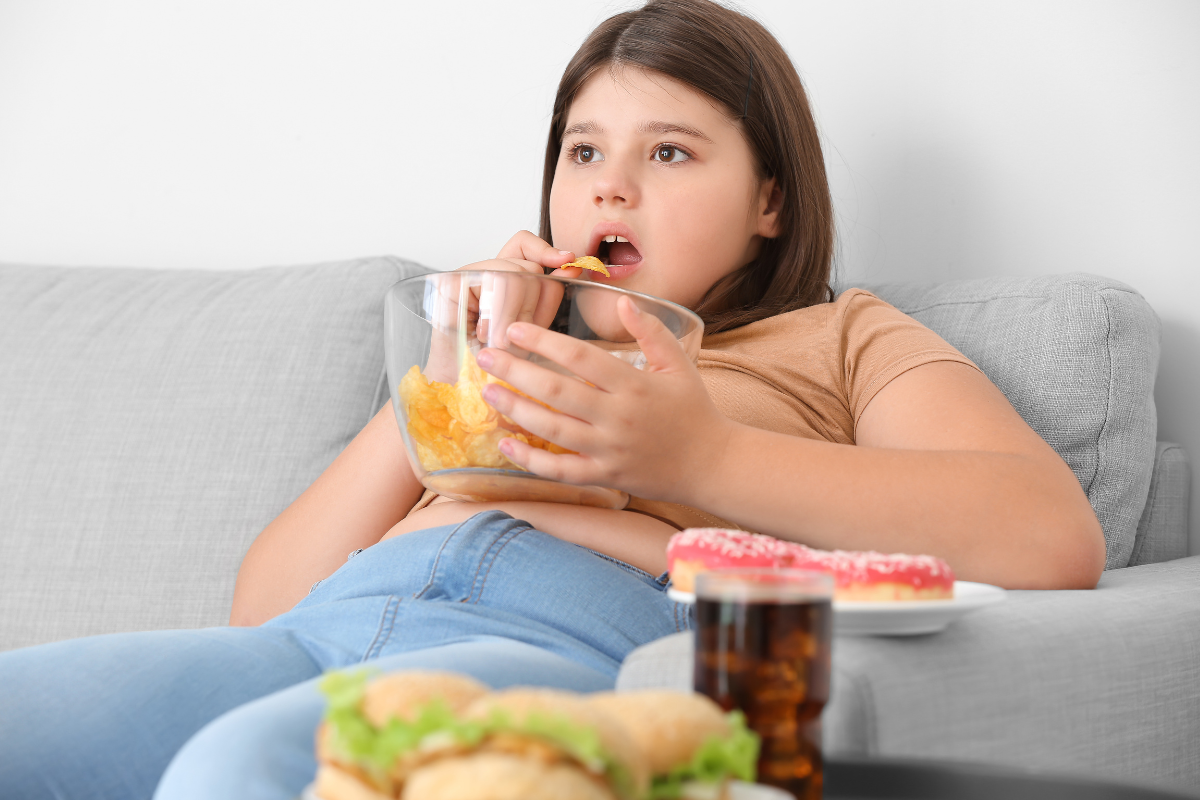
Childhood obesity is a growing concern worldwide, affecting both body and mind negatively. Parents must understand its sources, effects, and management techniques. This article follows the story of 9-year-old Anaya, who struggled because she was obese.
Patient Story: Anaya’s parents noticed that she had gained significant weight over the past year and experienced fatigue and low self-esteem as she loved to play video games and preferred snacks over meals. Concerned, they consulted a paediatrician for advice on managing her weight.
Symptoms:
Signs of obesity in children include:
● Excess Body Weight: Obesity is if the Body Mass Index (BMI) is 95th percentile or above.
● Low Energy Levels: constantly tired and unwilling to engage in physical activities.
● Health Problems: conditions such as high blood pressure, type 2 diabetes, or sleep apnea.
Diagnosis:
- Growth Assessment: Check the child’s percentile and compare it with the growth chart.
- Health screening: checking for blood pressure, cholesterol, and blood sugar levels, which are the side effects of obesity. Obesity increases the chances of type-2 diabetes.
Treatment Options:
Managing childhood obesity requires a diverse approach, including:
- Healthy Eating Habits: Encourage a balanced diet with fruits, vegetables, whole grains, and lean proteins.
- Physical Activity: at least 30 minutes of light to moderate physical exercise daily.
- Behavioural Therapy: Counselling helps children develop healthy habits, and their self-esteem improves.
Tips for parents:
Parents can support their child’s journey to a healthier lifestyle by:
● Simulating Healthy Behaviors: Showing children balanced eating and regular physical activity.
● Encouraging Family Activities: Go for family walks to develop a love for physical activity.
● Limiting Screen Time: Reduce screen time so the child is encouraged to play.
FAQs
What causes childhood obesity?
Genetic, environmental, and behavioural factors contribute to childhood obesity.
Is childhood obesity reversible?
Yes. Children can achieve and maintain a healthy weight with appropriate lifestyle changes.
How can I motivate my child to be more active?
Find activities your child enjoys, such as dancing, swimming, or team sports, to encourage participation.
Disclaimer:
This information is not intended to replace professional medical advice. Always consult a healthcare provider for diagnosis and treatment options.
How HealthPil Can Help:
HealthPil connects you with pediatric nutritionists and specialists who can provide personalised guidance and support for managing childhood obesity, ensuring your child’s health and well-being.

Read our editorial policy