


Stress-Induced Seizures in a Young Girl Studying Epilepsy

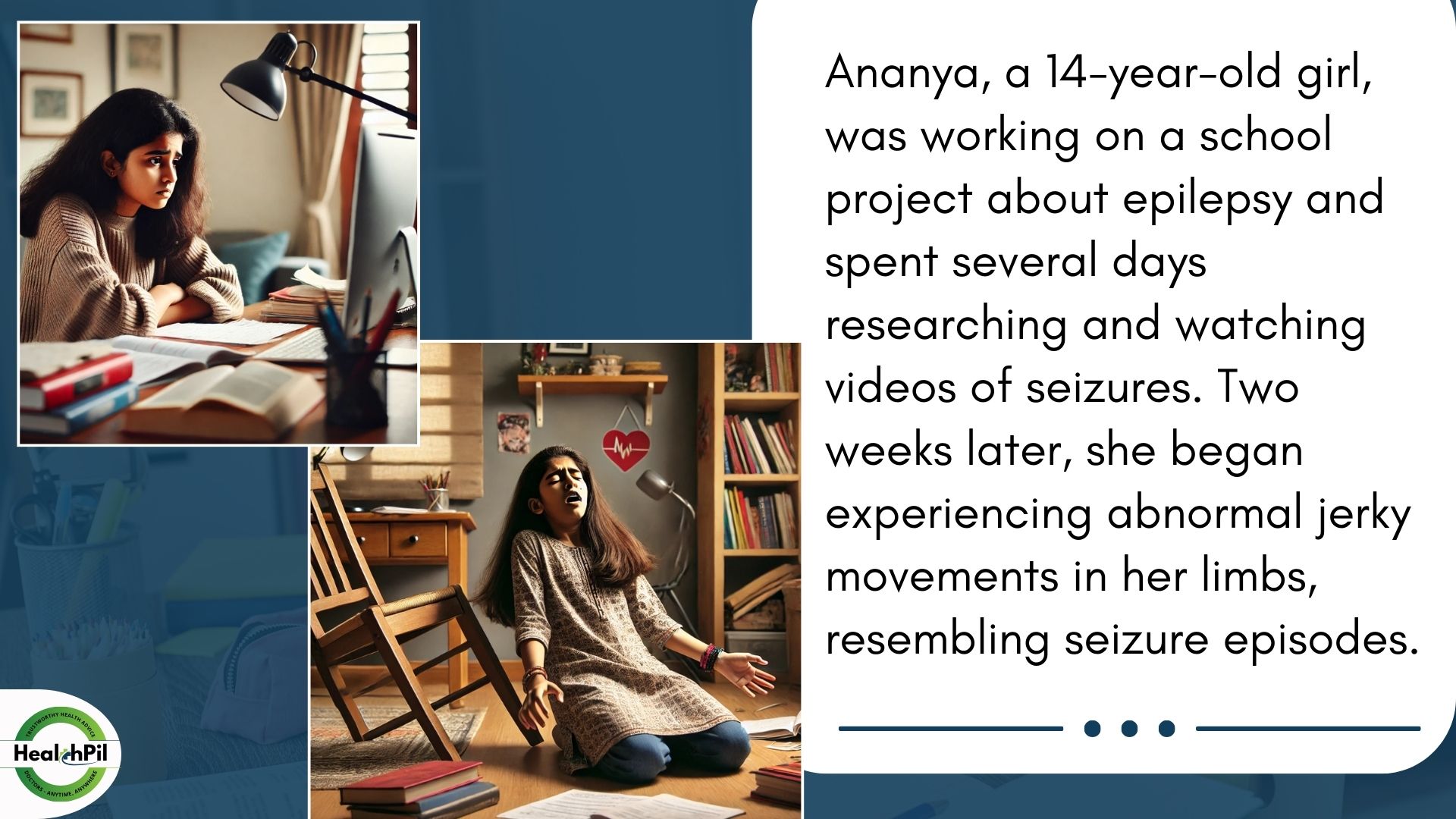

When 14-year-old Ananya began researching epilepsy for a school project, she never imagined that her fascination would turn into her own health crisis. Spending days watching seizure videos and immersing herself in the topic, Ananya unexpectedly began experiencing episodes of jerky movements that looked like seizures. Her family was alarmed, but the reality behind her symptoms was far more surprising: Stress-Induced Psychogenic Non-Epileptic Seizures (PNES).
Ananya’s Journey: From Confusion to Recovery
How it all began…
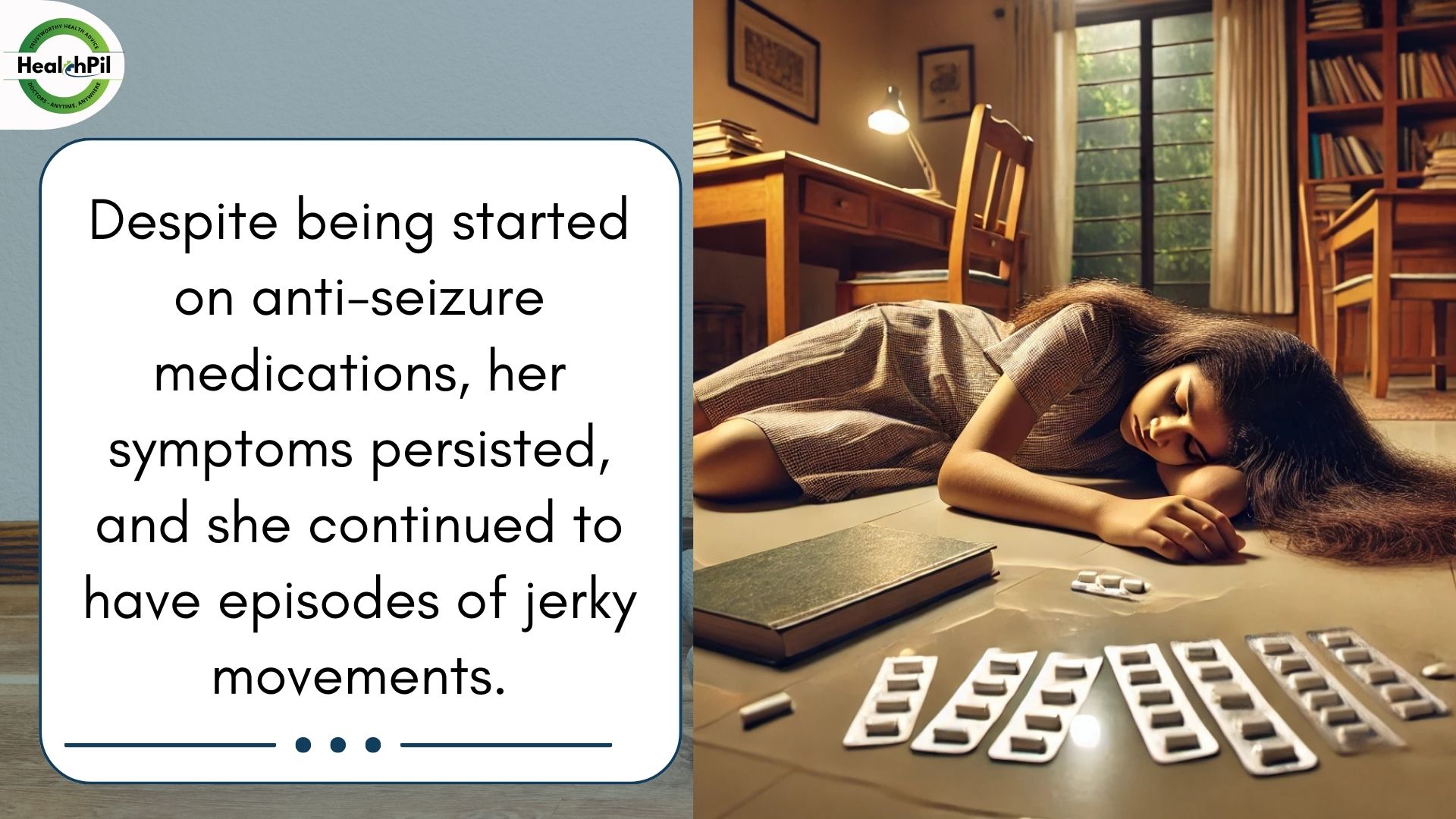
Ananya’s symptoms began with sudden, jerky movements in her limbs that left her family worried and confused. Initially thought to be epilepsy, she was started on anti-seizure medications, but when the episodes didn’t stop, it became clear something wasn’t adding up.
The Investigation:
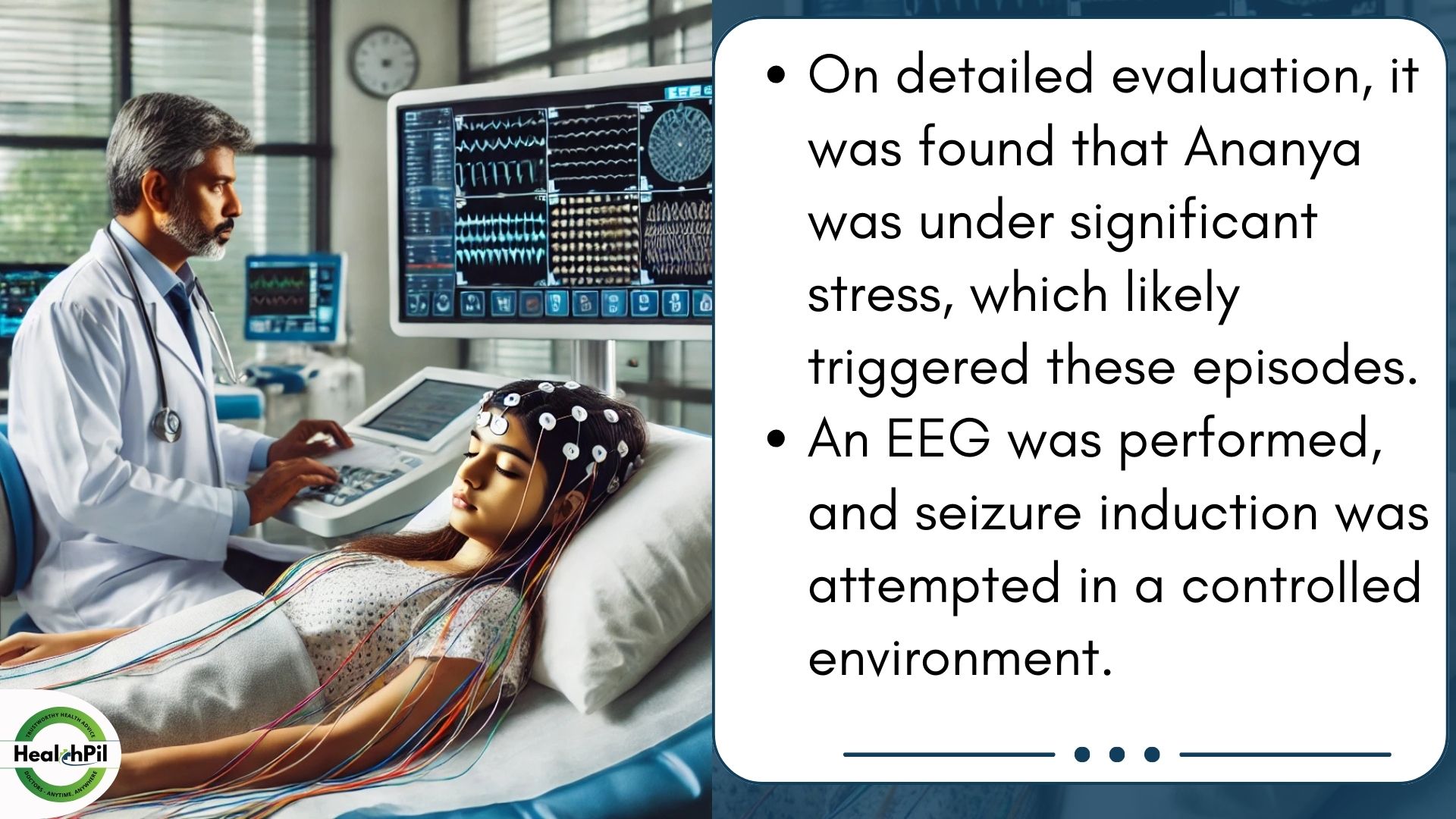
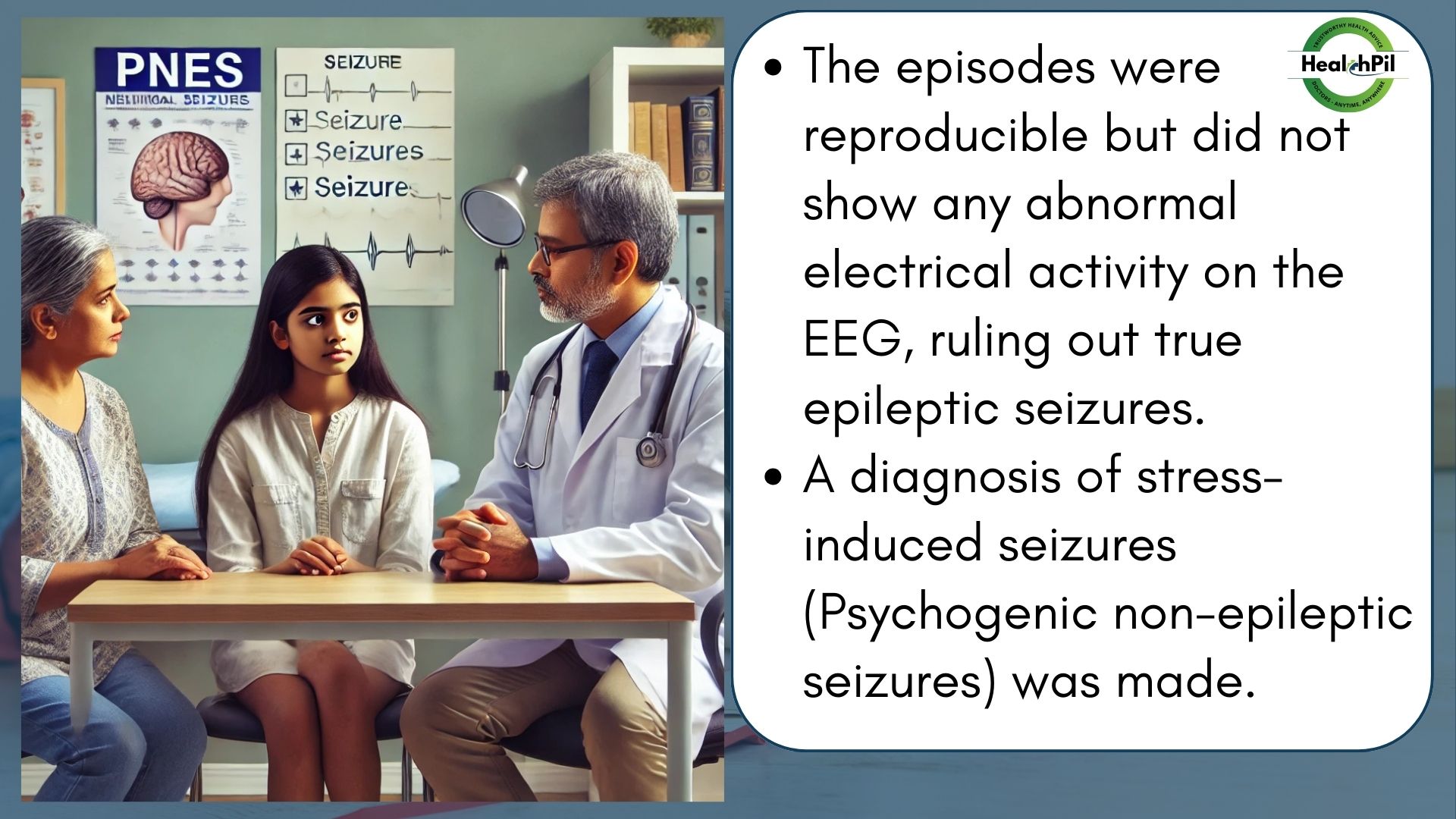
Her neurologist decided to perform a detailed evaluation, including an EEG (electroencephalogram) and seizure induction in a controlled environment. While her episodes were reproducible during the evaluation, the EEG revealed no abnormal electrical activity in her brain. This ruled out true epileptic seizures and pointed toward a diagnosis of Psychogenic Non-Epileptic Seizures (PNES).
Upon discussing further with Ananya, it was discovered that she had been under significant academic stress.. Her intense focus on epilepsy during her project likely triggered her body to mimic what she had studied—a phenomenon linked to psychological stress.
The Treatment:
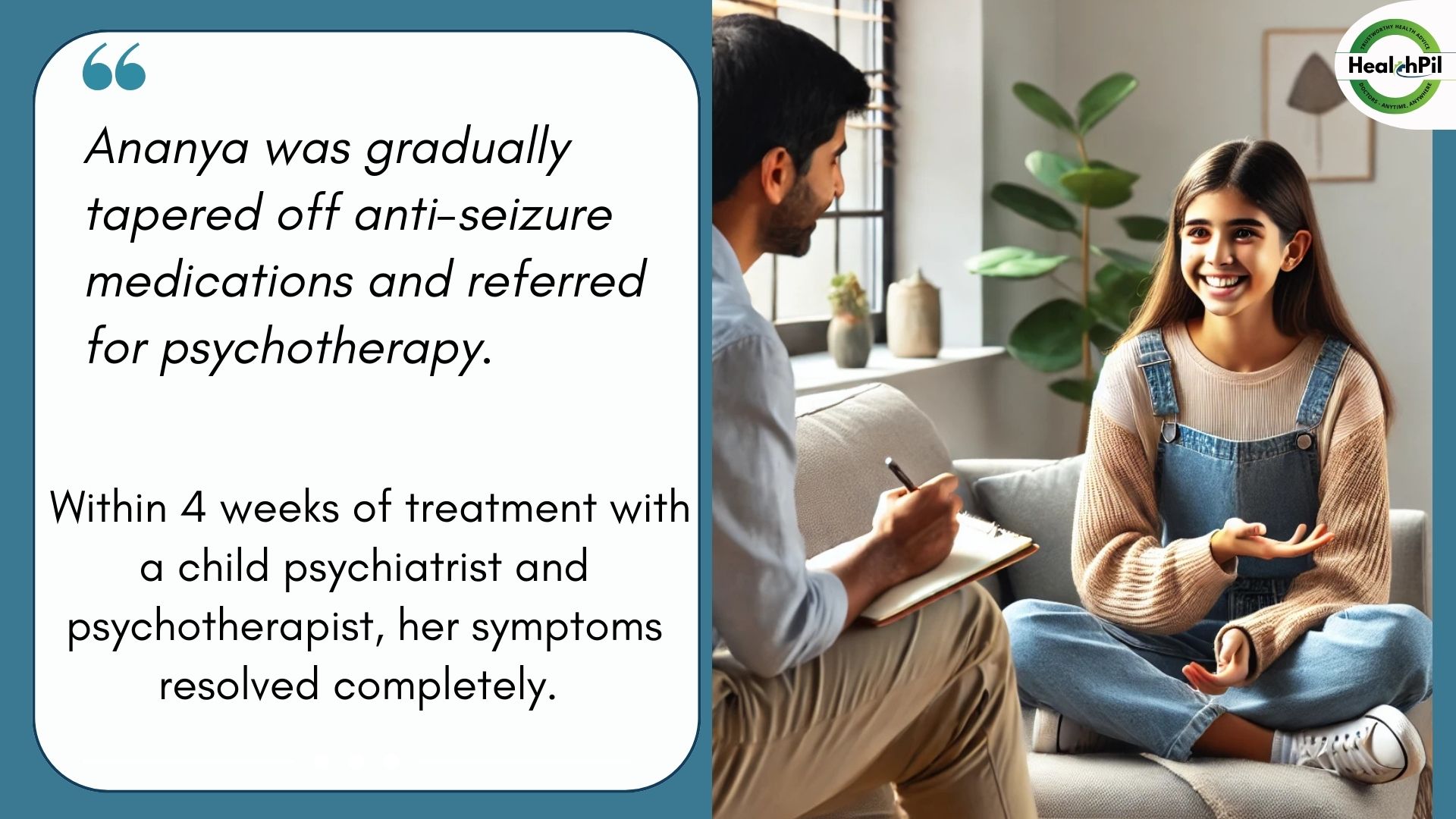
Realising her seizures were not caused by epilepsy but by stress, Ananya’s neurologist gradually tapered her off anti-seizure medications. She was referred to a child psychiatrist and psychotherapist for targeted treatment.
Over the next 4 weeks, therapy sessions focused on stress management, coping mechanisms, and identifying emotional triggers. With consistent support and guidance, Ananya’s episodes resolved completely, and she returned to her normal routine.
What Is PNES?
Psychogenic Non-Epileptic Seizures (PNES) are episodes that resemble epileptic seizures but are not caused by abnormal brain activity. Instead, they stem from psychological distress, emotional trauma, or stress.
Key Features of PNES:
Mimics Seizures: Symptoms may include jerky movements, loss of consciousness, or unresponsiveness, similar to epileptic seizures.
No Electrical Abnormality: EEG during an episode shows no seizure activity in the brain.
Linked to Stress: Often triggered by underlying psychological stress or trauma.
Diagnosis and Treatment of PNES
Comprehensive Evaluation:
Detailed history, clinical examination, and observation of episodes.
EEG and seizure induction to rule out epilepsy.
Therapy-Based Treatment:
Psychotherapy, especially Cognitive Behavioral Therapy (CBT), is key to addressing the underlying stress.
Stress management techniques and emotional support.
Medication Withdrawal:
Anti-seizure medications are ineffective for PNES and are typically tapered off.
The Importance of Early Recognition
PNES is often misdiagnosed as epilepsy, leading to unnecessary medications and delayed treatment. Recognizing the psychological origins early can prevent years of frustration and allow for targeted care.
FAQ : Stress-Induced Seizures (PNES)
What are stress-induced seizures?
These are episodes that resemble seizures but are triggered by psychological stress rather than abnormal brain activity.
How are stress-induced seizures diagnosed?
Diagnosis is made by ruling out epileptic seizures using EEG and clinical evaluation.
Can stress-induced seizures be treated?
Yes, treatment usually involves psychotherapy and managing the underlying stress or psychological issues.
Is anti-seizure medication effective for stress-induced seizures?
No, anti-seizure medications are not effective and are usually discontinued once the diagnosis is confirmed.
How HealthPil Can Help
At HealthPil, we connect patients with specialists who understand the delicate balance between neurological and psychological health:
Expert Diagnosis: Access neurologists trained to differentiate between epilepsy and PNES.
Integrated Care Plans: Work with neurologists, psychiatrists, and psychotherapists for holistic treatment.
Supportive Guidance: Get emotional and practical support tailored to young patients and their families.
Disclaimer
This article is for informational purposes only and not a substitute for professional medical advice. Always consult a qualified healthcare provider for diagnosis and treatment.
If you or someone you know is experiencing seizure-like episodes, don’t wait. Contact HealthPil today to get accurate diagnosis and compassionate care. Early action can make all the difference.

Read our editorial policy