

NPH Patient’s Journey from Disability to Independence
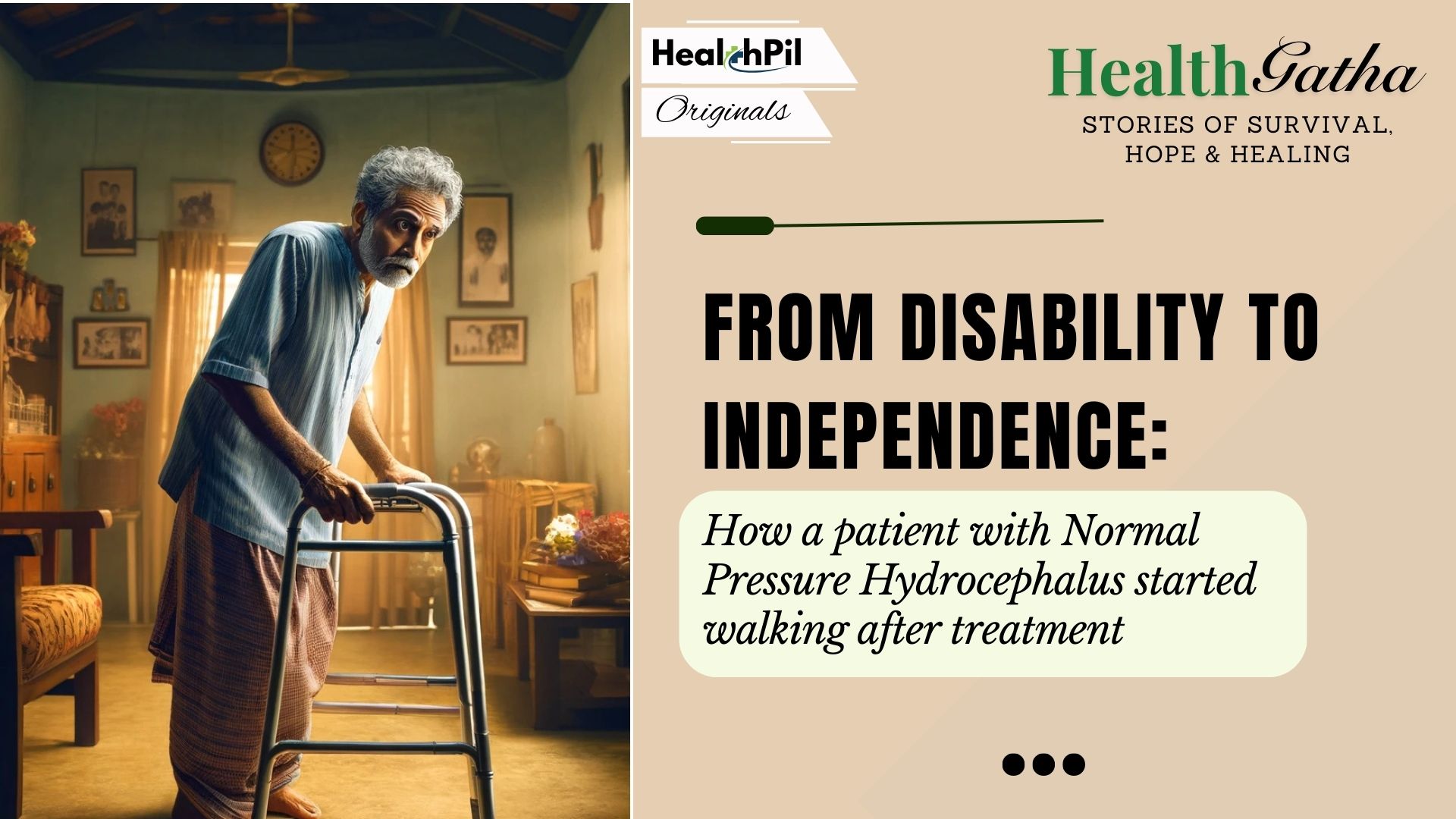
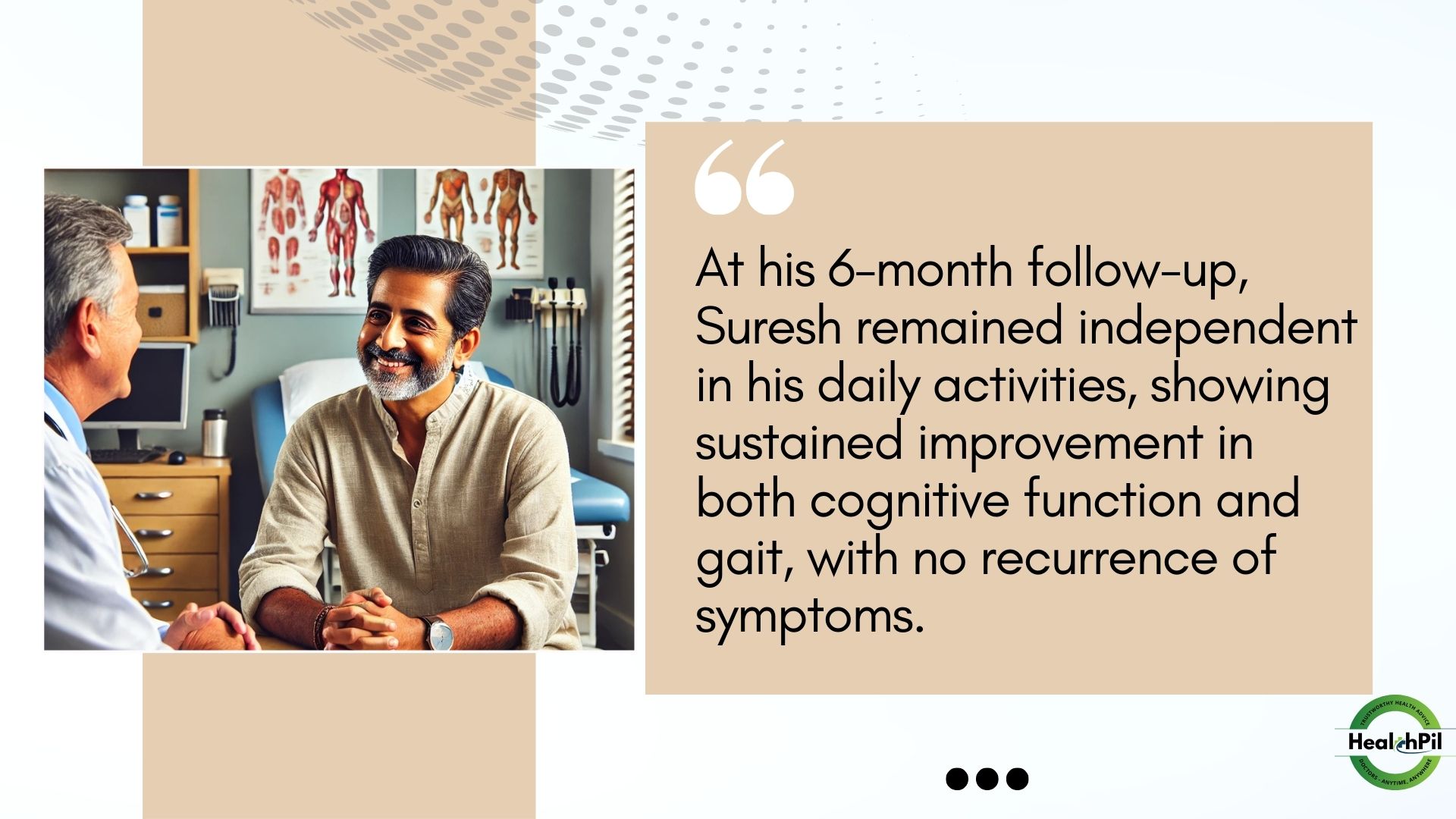

When 65-year-old Suresh started struggling with walking, memory lapses, and unexpected urinary accidents, his family assumed it was just ageing. But what they thought was normal turned out to be Normal Pressure Hydrocephalus (NPH)—a condition that can lead to severe disability if untreated.
Suresh’s Journey from Disability to Independence
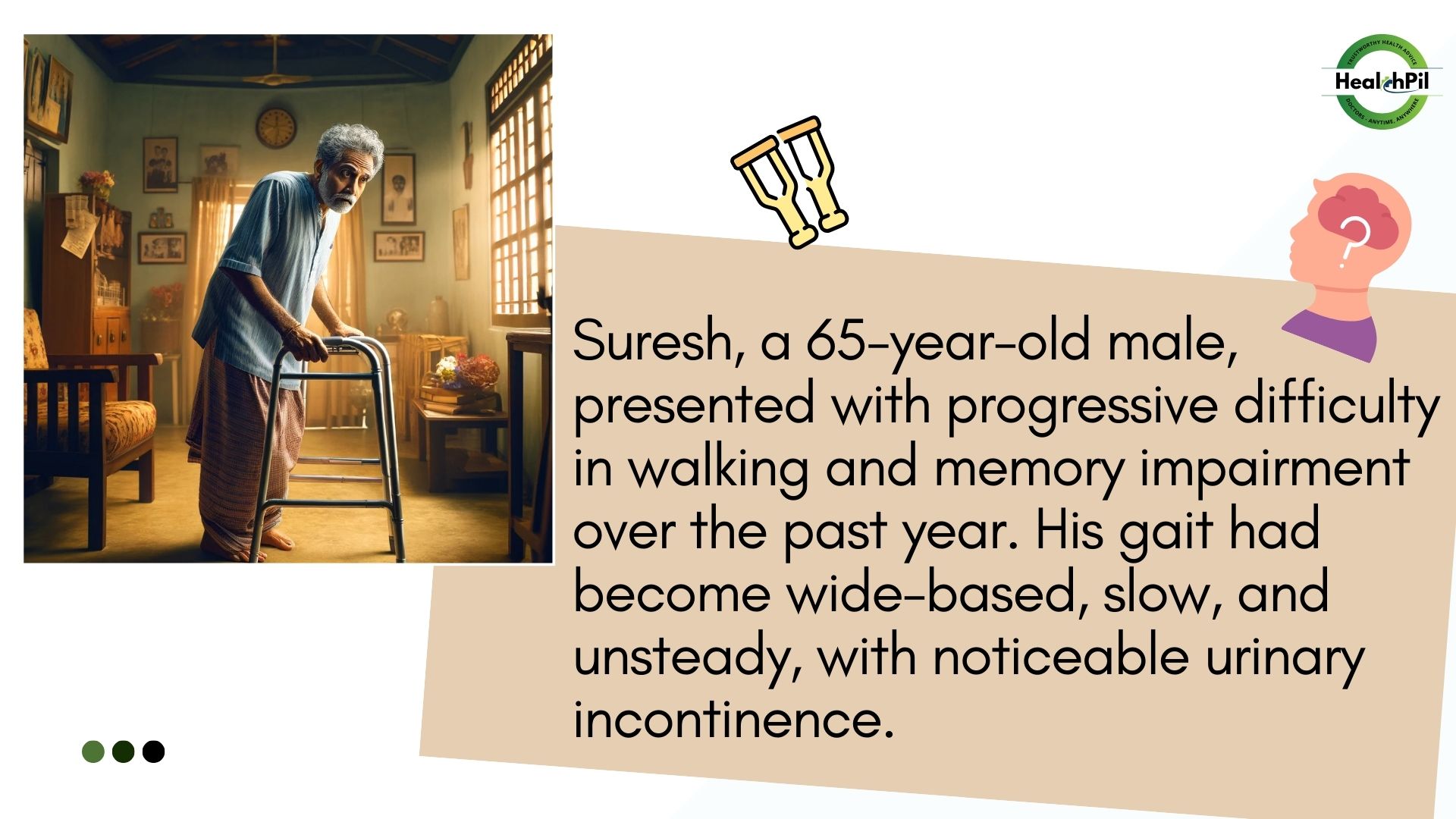
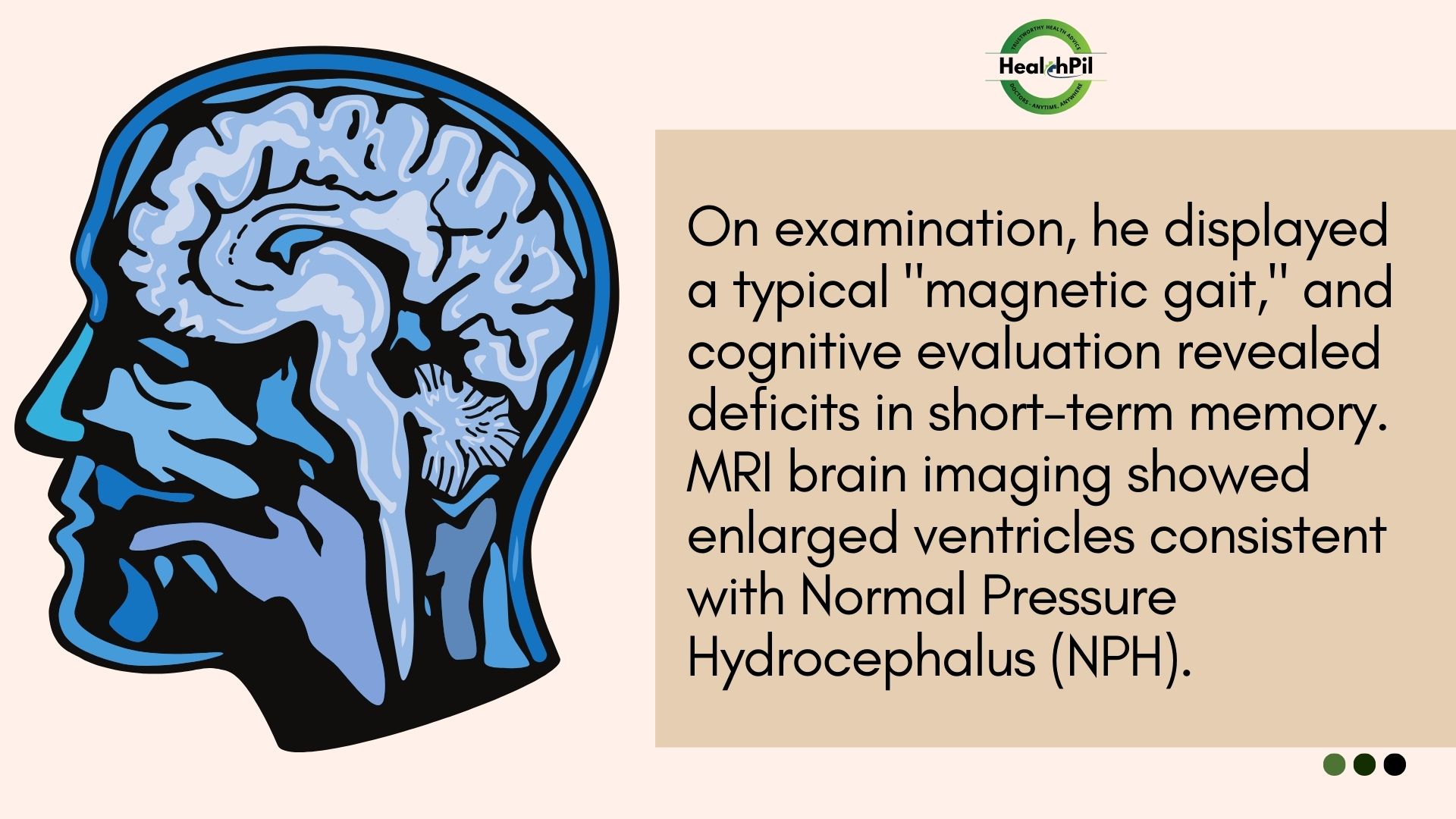
Suresh’s symptoms had been worsening for over a year. His gait became unsteady and slow, his memory noticeably declined, and urinary incontinence further disrupted his daily life. A neurologist diagnosed him with NPH based on an MRI showing enlarged brain ventricles and a high-volume lumbar puncture that confirmed the condition.
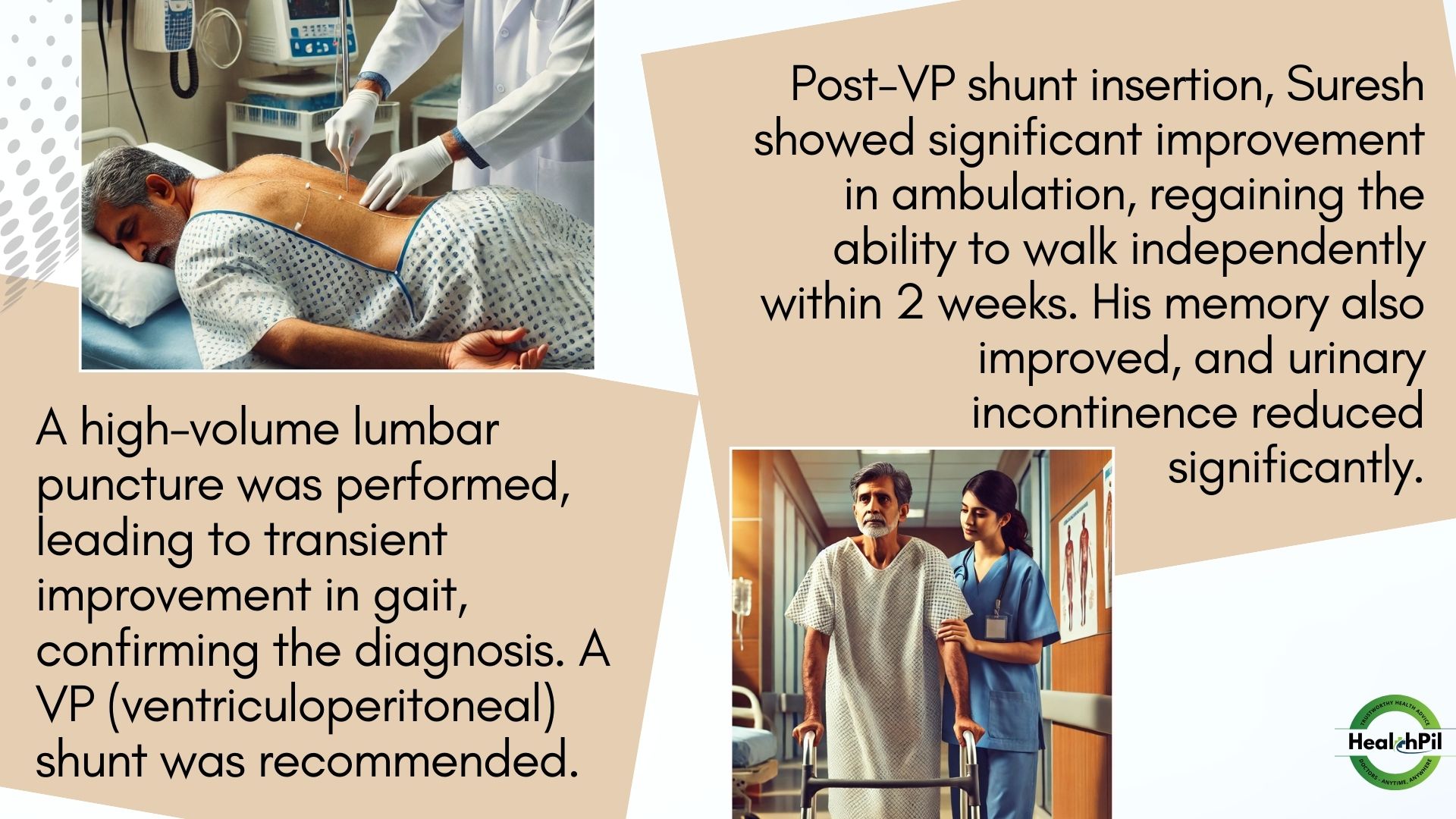
The recommended treatment—a ventriculoperitoneal (VP) shunt—changed everything. Within weeks, Suresh regained his independence, walking steadily, recalling conversations, and regaining confidence. At his 6-month follow-up, he remained fully active, with no recurrence of symptoms.
What Is Normal Pressure Hydrocephalus (NPH)?
NPH is a neurological condition caused by excess cerebrospinal fluid (CSF) accumulating in the brain’s ventricles. This fluid buildup increases pressure, leading to symptoms that are often mistaken for other conditions like dementia or Parkinson’s disease.
Features of NPH:
1. Gait Disturbance:
● A slow, shuffling, “magnetic” gait, as if feet are stuck to the floor.
● Often the earliest and most noticeable symptom.
2. Memory Impairment:
● Difficulty recalling recent events or concentrating, resembling early dementia.
3. Urinary Incontinence:
● Increased urgency or complete loss of bladder control, often dismissed as aging.
4. Silent Progression:
● If left untreated, the symptoms can gradually get worse, eventually leading to significant challenges and even severe disability.
Diagnosis of NPH
1. Clinical Evaluation:
● Identifying the classic triad of gait disturbance, cognitive decline, and urinary incontinence.
2. Imaging:
● MRI or CT scan showing enlarged ventricles with normal brain tissue.
3.High-Volume Lumbar Puncture:
● Temporary removal of CSF to check for symptom improvement, confirming the diagnosis.
Treatment for NPH
1. Ventriculoperitoneal (VP) Shunt:
● A surgical procedure where a shunt drains excess CSF from the brain to the abdomen, relieving pressure.
● Patients often see improvements within weeks, as in Suresh’s case.
2. Post-Treatment Follow-Up:
● Regular check-ups to monitor the shunt and ensure sustained symptom relief.
Why Early Diagnosis Matters
● Permanent mobility issues, confining patients to wheelchairs.
● Cognitive decline that mimics advanced dementia.
● Loss of independence in daily activities.
However, with early intervention, most patients can experience dramatic recovery, regaining mobility, cognitive function, and quality of life.
How HealthPil Can Help
At HealthPil, we provide expert guidance for diagnosing and treating NPH and other neurological conditions:
● Access Trusted Specialists: Connect with neurologists trained in managing NPH.
● Comprehensive Care Plans: Receive personalized advice on symptoms, diagnosis, and treatment options.
● Ongoing Support: Stay supported through follow-ups and long-term care plans.
Disclaimer
This article is for informational purposes only and does not substitute for professional medical advice. Always consult a qualified healthcare provider for diagnosis and treatment.
FAQ : NPH and Treatment with VP Shunt
What is Normal Pressure Hydrocephalus (NPH)?
NPH is a condition where cerebrospinal fluid builds up in the brain’s ventricles, causing gait disturbances, memory issues, and urinary incontinence.
How is NPH diagnosed?
Diagnosis is made through clinical evaluation, brain imaging (MRI/CT), and a lumbar puncture or infusion test.
What is a VP shunt, and how does it help?
A VP shunt drains excess cerebrospinal fluid from the brain to the abdominal cavity, improving symptoms like difficulty walking and memory loss.
What are the typical outcomes after VP shunt surgery?
Many patients experience significant improvement in gait, cognitive function, and bladder control.

Read our editorial policy