

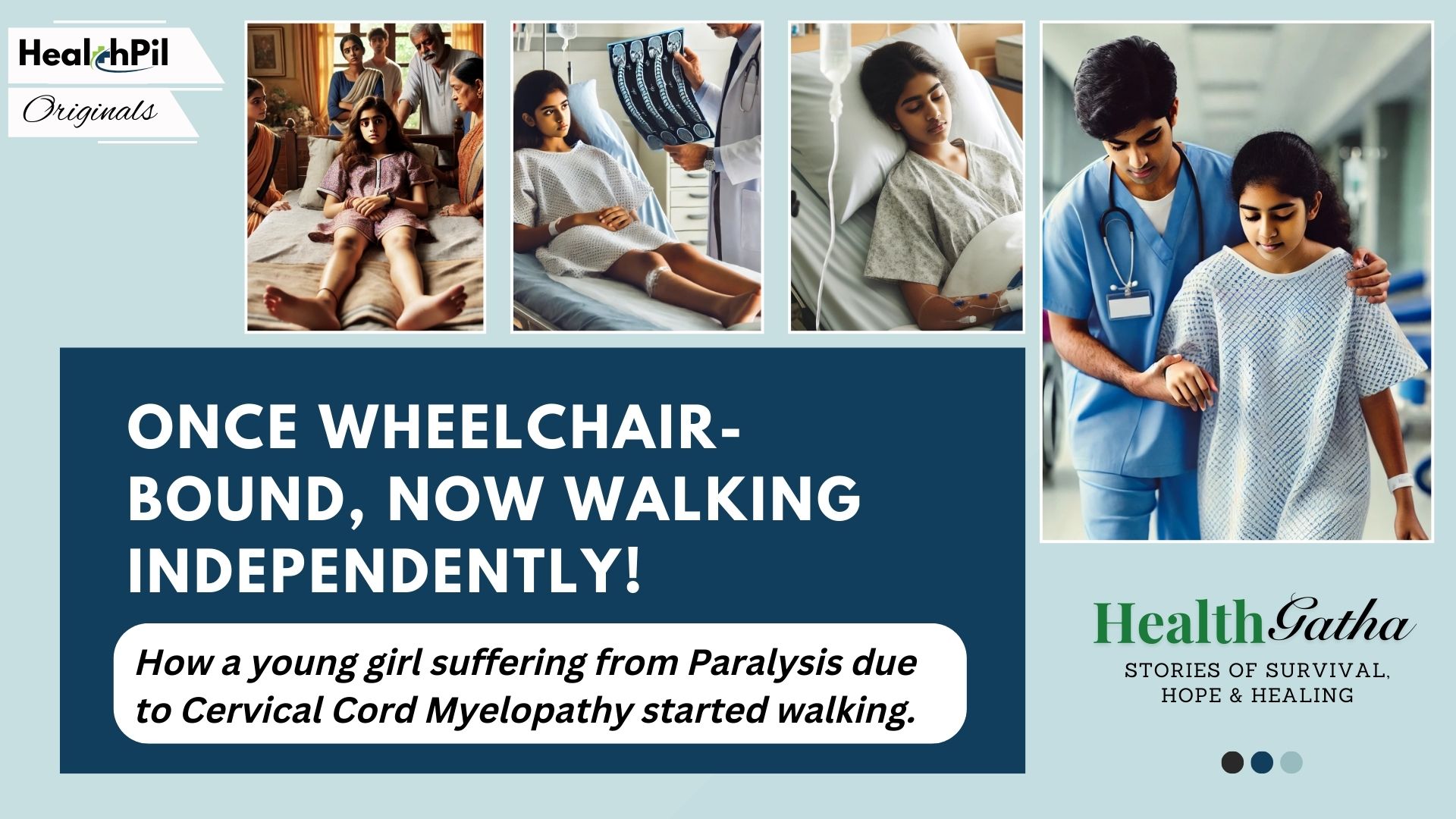
A Young Girl with NMO-SD: From Paralysis to Recovery

Imaginewaking up one day unable to see clearly, move your legs, or control your bladder. For many, these terrifying symptoms come without warning and can lead to a misdiagnosis. Conditions like Multiple Sclerosis (MS), Myelin Oligodendrocyte Glycoprotein Antibody Disease (MOGAD), and Neuromyelitis Optica Spectrum Disorder (NMOSD) are rare but serious autoimmune diseases that attack the nervous system.
Getting the right diagnosis quickly is crucial—but do you know what to look out for?
A Brief Overview of MS, MOG, and NMOSD
1. Multiple Sclerosis (MS):
● A progressive condition where the immune system damages the protective covering of nerves (myelin), leading to symptoms like fatigue, muscle weakness, vision problems, and cognitive decline.
● Often relapsing-remitting but can become more severe over time.
2. Myelin Oligodendrocyte Glycoprotein Antibody Disease (MOGAD):
● An autoimmune disease causing inflammation of the optic nerves and spinal cord.
● Typically presents with optic neuritis (blurry vision, eye pain) and transverse myelitis (weakness, paralysis).
3. Neuromyelitis Optica Spectrum Disorder (NMOSD):
● A rare but severe autoimmune condition that targets the optic nerves and spinal cord, causing sudden vision loss, paralysis, and bladder dysfunction.
● Often mistaken for MS but progresses more aggressively and requires different treatment.
What Makes NMOSD Different?
Neuromyelitis Optica Spectrum Disorder (NMOSD) stands out due to its rapid onset and the severity of symptoms. This disease happens when the immune system mistakenly attacks aquaporin-4 (AQP4) proteins, which are key to the proper function of the central nervous system.
Key Symptoms of NMOSD:
1. Optic Neuritis: Sudden vision loss or blurry vision, often in one or both eyes.
2. Transverse Myelitis: Characterised by severe inflammation of the spinal cord, leading to:
● Weakness or paralysis (usually in the legs).
● Bladder and bowel dysfunction.
3. Unpredictable Relapses: Without proper treatment, NMOSD often relapses, each episode causing cumulative damage.
Diagnosing NMOSD
Timely diagnosis is critical, as NMOSD requires treatments distinct from MS.
● Clinical Symptoms: Sudden-onset weakness, paralysis, or vision changes.
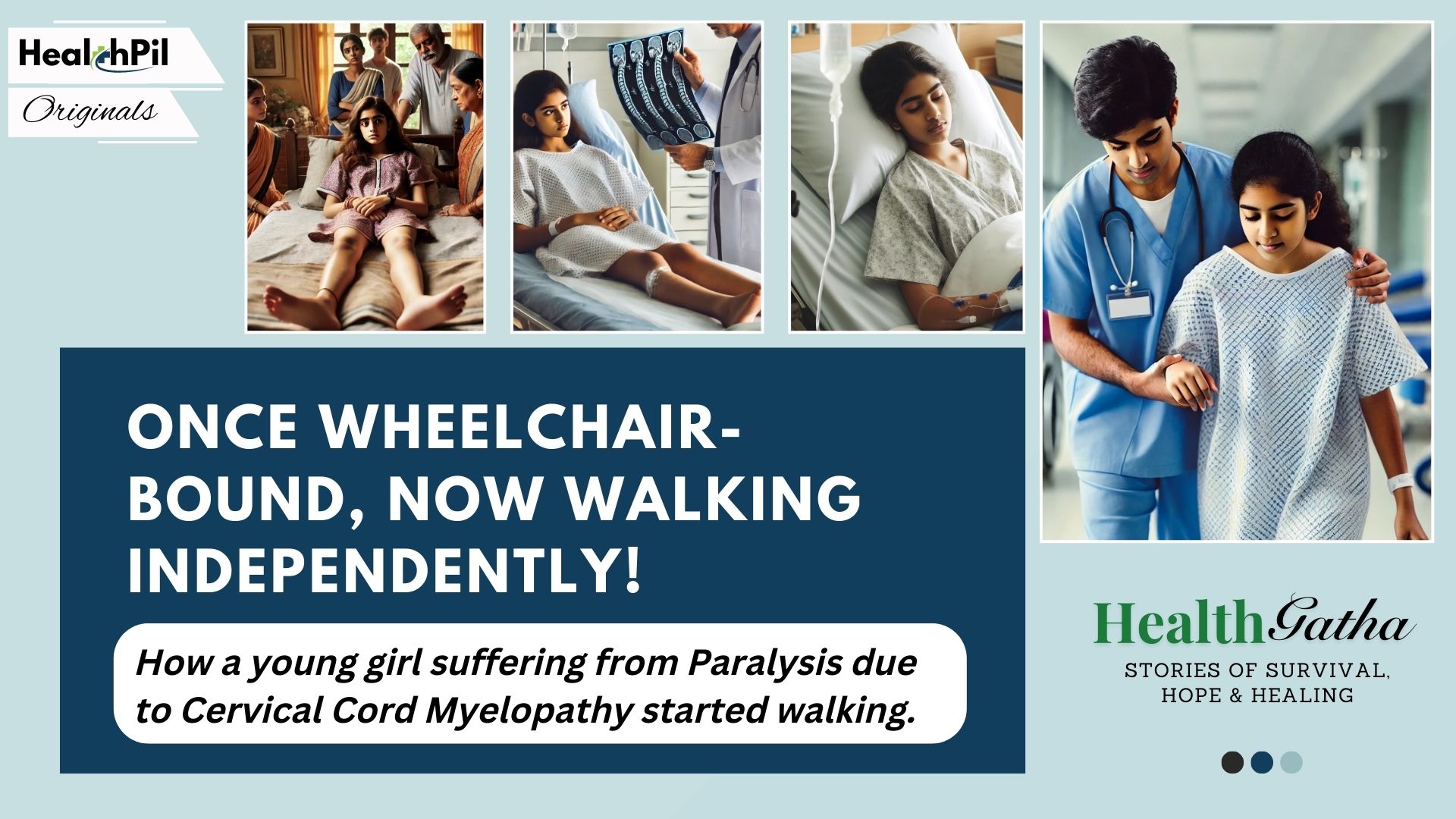
● Imaging: MRI scans reveal spinal cord lesions extending over multiple segments (longitudinally extensive transverse myelitis) or optic nerve inflammation.
● Antibody Testing: Detection of aquaporin-4 (AQP4-IgG) antibodies confirms the diagnosis in most cases.
Treating NMOSD
Effective management of NMOSD involves:
1. Acute Phase Treatment:
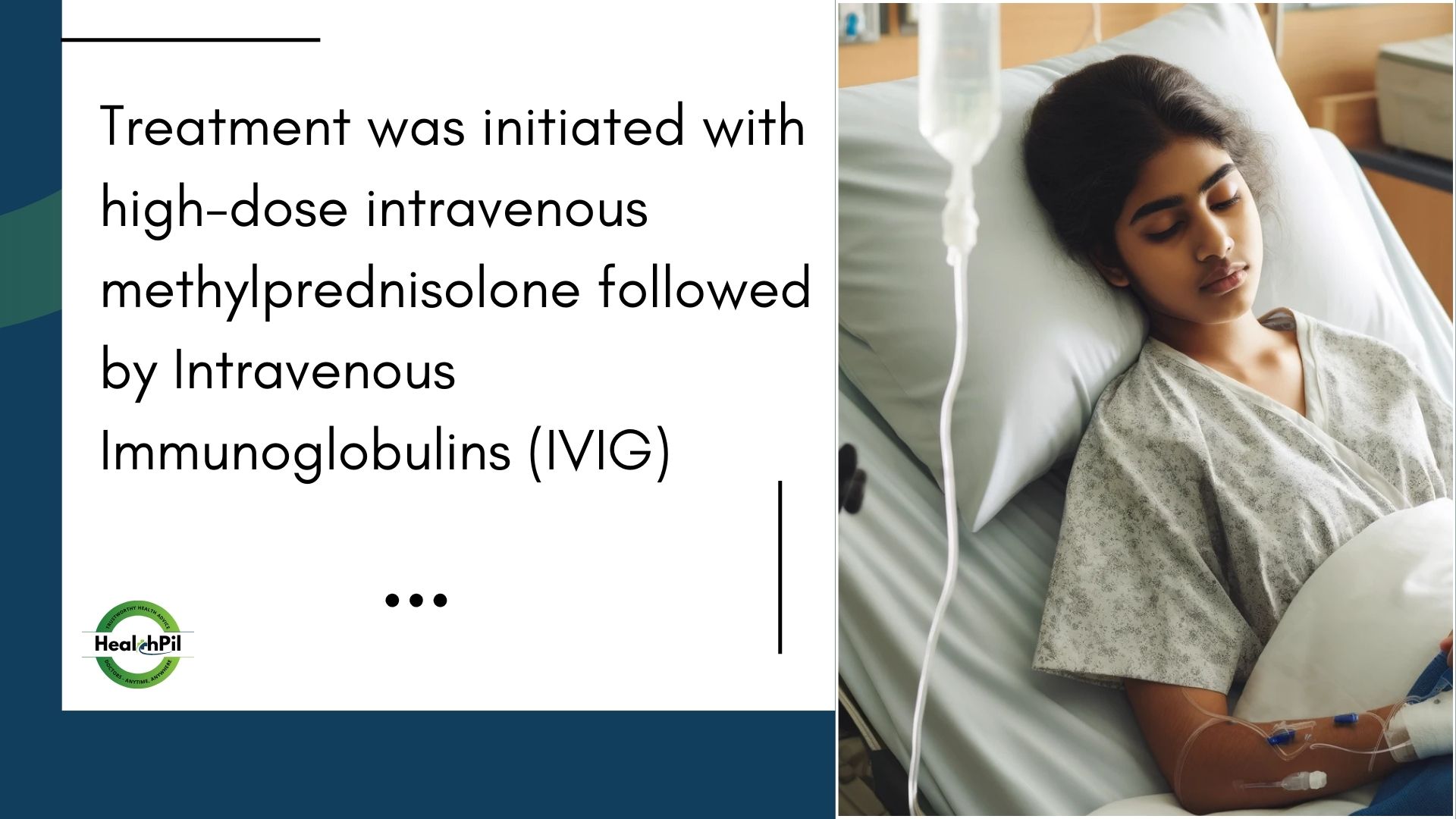
● High-Dose Steroids: To reduce inflammation and prevent further immune damage.
● Plasma Exchange or IVIG: For severe cases to remove harmful antibodies.
2. Long-Term Management:
● Immunosuppressive Therapies: Medications like rituximab or azathioprine to prevent relapses.
3. Rehabilitation:
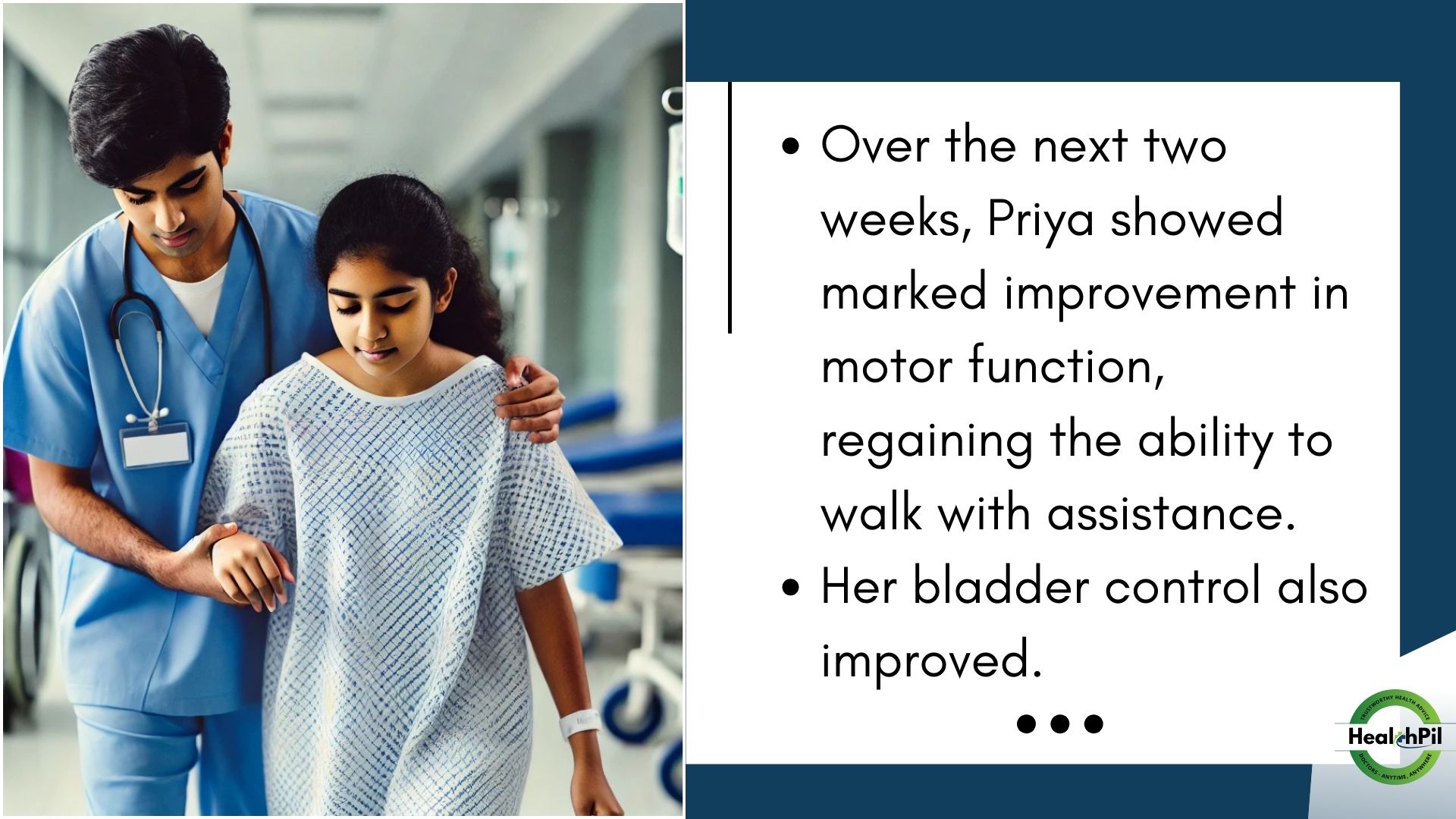
● Physical and occupational therapy to regain strength and mobility.
Why Early Diagnosis Matters?
NMOSD can lead to permanent disability if left untreated. Early recognition and treatment are essential to prevent relapses and minimise damage.
FAQs: NMO-SD and Treatment with Steroids and IVIG
What is Neuromyelitis Optica Spectrum Disorder (NMO-SD)?
NMO-SD is an autoimmune disease where the immune system attacks the optic nerves and spinal cord, leading to vision loss and paralysis.
What are the symptoms of NMO-SD?
Symptoms include sudden vision loss, muscle weakness, bladder dysfunction, and paralysis.
How is NMO-SD treated?
High-dose steroids and IVIG are commonly used to reduce inflammation and restore function.
What is the recovery outlook for NMO-SD?
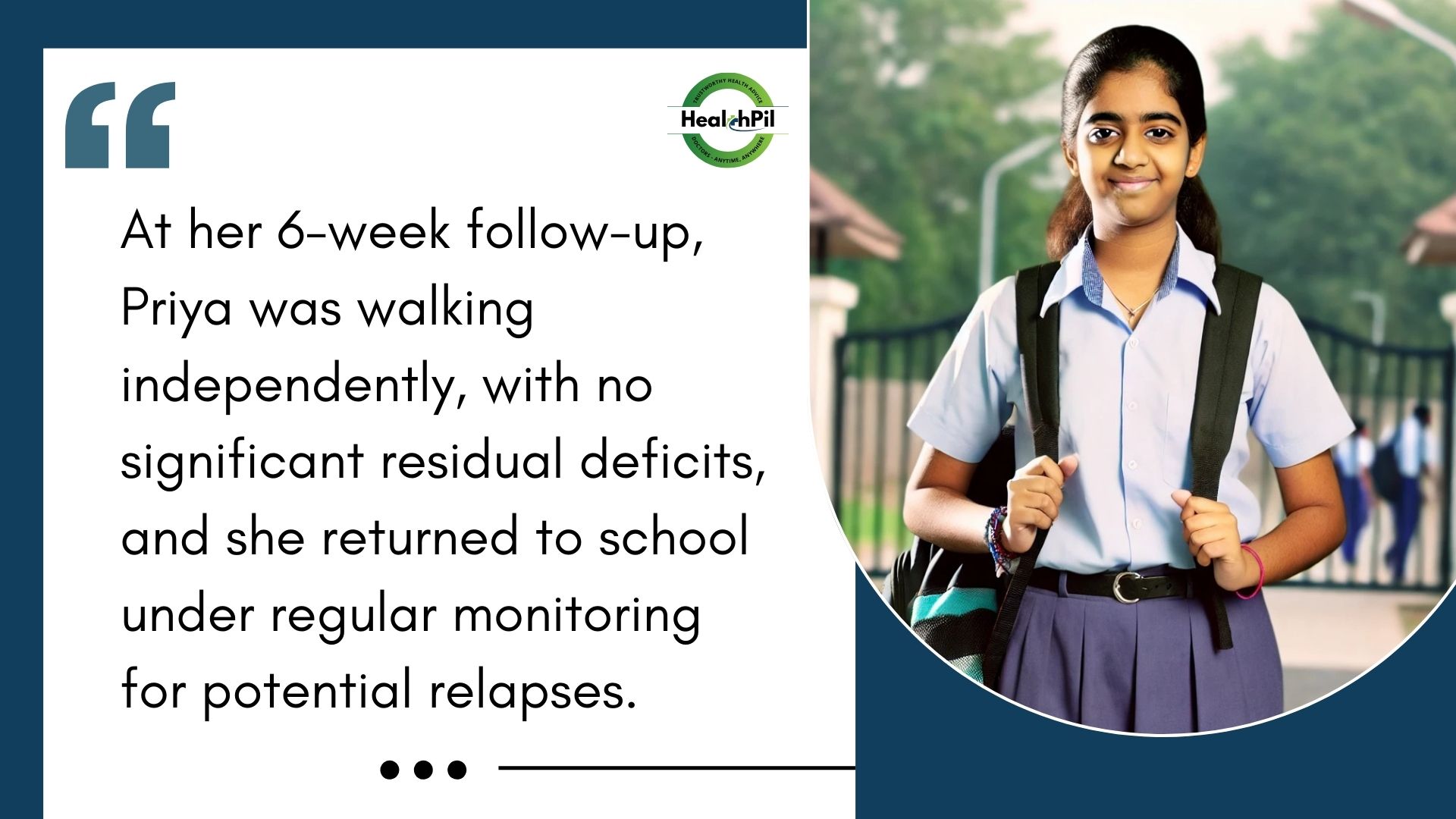
With early treatment, many patients recover significant function, though regular monitoring is needed to prevent relapses.
How HealthPil Can Help
At HealthPil, we’re here to provide expert guidance for rare neuroimmunological conditions like NMOSD, MS, and MOGAD:
● Expert Consultations: Connect with neurologists experienced in managing autoimmune disorders of the nervous system.
● Comprehensive Care Plans: Tailored treatment strategies to control symptoms and prevent relapses.
● Ongoing Support: Assistance with follow-ups, rehabilitation, and long-term care.
Disclaimer
This article is for informational purposes only and not a substitute for professional medical advice. Always consult a healthcare provider for accurate diagnosis and treatment.
Notice sudden weakness, vision loss, or unusual symptoms? Don’t wait. Contact HealthPil today for expert evaluation and compassionate care. Early intervention can save lives and prevent lifelong disability.

Read our editorial policy