

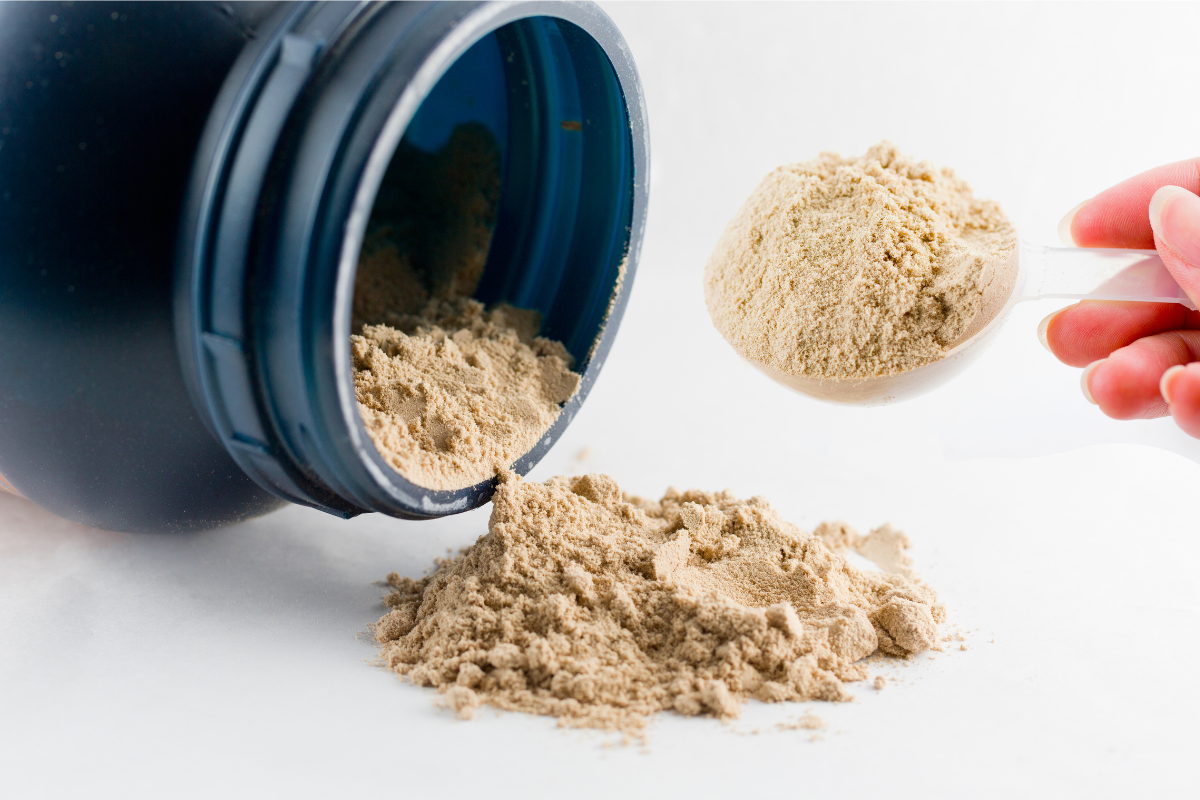
Protein has become increasingly well-known as a must-have component for athletes, fitness fanatics, and anyone trying to get healthier. However, controversies and safety issues have emerged with the development of protein powders and supplements, particularly in India. Are protein powders advantageous or dangerous? Here is an explanation of the health benefits of protein, the controversy surrounding protein powders, and the findings of scientific research regarding their safety.
The Importance of Protein: Beyond Muscle Building
Protein is an essential macronutrient that supports:
- Tissue Repair and Growth: Crucial for muscle repair and recovery.
- Immune Function: Produces antibodies to fight infections.
- Hormone Regulation: This is key to producing insulin, growth hormone, and other regulatory proteins.
- Enzymatic reactions: Most enzymes in the body are proteins.
The Recommended Daily Allowance (RDA) for protein varies:
- Adults: 0.8 g per kilogram of body weight.
● Athletes: 1.2–2 g per kilogram.
● Pregnant or lactating women: 1.1–1.3 g per kilogram.
What Is Protein Powder?
Protein powder is a concentrated source of protein made from animal-based sources such as milk and eggs or plant-based ingredients like soy, peas, rice, and hemp. It is designed to help people meet their daily protein requirements when regular food intake is insufficient. Protein powders are commonly used by athletes, fitness enthusiasts, vegetarians, and older adults to support muscle recovery, tissue repair, and overall nutrition. However, they should complement a balanced diet rather than replace whole-food protein sources.
Types of Protein Powder
Protein powders are available in different forms to suit individual health goals. Whey protein is fast-digesting and ideal for muscle recovery after exercise. Casein protein is absorbed slowly, making it suitable before bedtime. Plant-based proteins, including soy, pea, rice, and hemp protein, are good alternatives for vegetarians, vegans, and people with lactose intolerance. Choosing the right type depends on your dietary preferences, activity level, and nutritional needs. Whey protein comes in three main forms: Concentrate (70-80% protein, contains some lactose and fat), Isolate (90%+ protein, minimal carbs and fat ideal for lean muscle goals), and Hydrolysate (pre-digested for faster absorption).
The Controversy: Protein Powders Under the Microscope
Fake and Unsafe Protein Powders in India
The need for protein supplements has increased due to India’s booming fitness sector. On the other hand, fake protein powders are a major problem. Several protein powders on the market contain harmful ingredients, heavy metals, and even steroids, according to a research by the Food Safety and Standards Authority of India (FSSAI). Risks from these substances include hormone abnormalities, liver poisoning, and kidney damage.
Debate Over Necessity
Critics argue that most people in India do not need protein supplements if they consume a balanced diet. However, busy lifestyles, vegetarian diets, and inadequate protein intake among Indians (average intake of 50g/day compared to the recommended 60-100g/day) have made protein powders a convenient option.
Health Risks of Excessive Protein Supplement Use
Protein powders are generally safe when consumed in recommended amounts, but excessive intake or poor-quality supplements may cause bloating, gas, digestive discomfort, or unnecessary calorie intake. Some unregulated products have also been reported to contain contaminants such as lead, arsenic, and cadmium. Individuals with existing kidney or liver disease should consult a doctor before using protein supplements regularly.
- Cardiovascular Issues: Because high-protein diets, especially those using powders, lack the healthy elements present in entire foods, they may raise the risk of heart disease.
- Neurological Concerns: Excessive protein intake might alter mental function by increasing blood ammonia levels.
Protein Supplements and Chronic Conditions
1. Cardiological Impact
- A 2020 study in the Journal of the American Heart Association found that high-protein diets, particularly animal-derived proteins common in powders, were linked to increased arterial stiffness and higher risks of cardiovascular events.
2. Neurological Impact
- Research published in Frontiers in Nutrition (2019) highlighted that protein overconsumption could disrupt neurotransmitter balance, potentially affecting mood and cognition.
3. Kidney and Liver Function
- Individuals with pre-existing kidney or liver conditions are at risk of exacerbated issues due to the high nitrogen load from excess protein.
Are protein powders safe in India?
The safety of protein powders in India varies significantly depending on the brand and source.
- Certified Brands: Look for products tested by third-party agencies like FSSAI, NSF International, or Informed Choice.
- Counterfeit Products: Avoid powders sold without proper labelling or certifications.
- Additives: Many powders contain artificial flavours, sugar, or preservatives that could negate the health benefits.
How to Choose a Safe Protein Powder
Choosing a safe protein powder is essential to avoid counterfeit or low-quality supplements. Always buy products from trusted brands and authorised sellers. Look for certifications such as FSSAI, NSF Certified for Sport, or Informed Choice, which indicate quality testing. Read the ingredient label carefully and avoid products containing excessive added sugar, unnecessary fillers, or undisclosed proprietary blends. If you have any chronic health condition, consult a healthcare professional before starting protein supplements.
Who Can Benefit from Protein Powders?
Protein powders may benefit athletes, gym beginners, older adults, vegetarians, vegans, and individuals recovering from illness or surgery who struggle to meet their daily protein needs through food alone. They can also be helpful for people with busy lifestyles who require a quick and convenient source of high-quality protein. However, protein supplements should always support not replacea balanced diet.
Protein Powder vs Whole Food Protein
Whole-food protein sources such as eggs, fish, dairy products, pulses, and legumes provide protein along with fibre, healthy fats, vitamins, and minerals. Protein powders, on the other hand, offer convenience and a concentrated protein source, making them useful after workouts or when dietary intake is inadequate. Whenever possible, prioritise whole foods and use protein powders only as a supplement.
When Should You Take It?
Timing isn’t as critical as total daily intake, but a few patterns help: within 30 minutes after a workout supports muscle recovery, a scoop in the morning can help stabilise energy, and casein protein before bed supports overnight muscle repair.
Best Protein Sources
Whole Food Sources
- Animal-Based: Eggs, lean meats, fish, and dairy.
● Plant-Based: Lentils, quinoa, tofu, and nuts.
Protein Powders
- Whey Protein: Easily digestible, contains all essential amino acids.
- Plant-Based Protein: Made from peas, rice, or hemp, suitable for vegans.
- Casein Protein: Slow-digesting, ideal for overnight muscle repair.
When Should You See a Doctor?
Consult a doctor before using protein powders if you have kidney disease, liver disease, diabetes, or other chronic health conditions, or if you are pregnant or breastfeeding. Seek medical advice if you experience allergic reactions, persistent digestive issues, or other unusual symptoms after taking a protein supplement. If you’re unsure about which protein powder is right for you or your daily protein needs, you can book an online consultation with a HealthPil doctor or registered dietitian for personalised, evidence-based guidance.
How HealthPil Can Help:
At HealthPil, we prioritise your health and safety. Our experts can:
- It helps you determine your daily protein needs based on your lifestyle.
- Guide you in selecting safe, certified protein supplements.
- Provide personalised diet plans to meet your nutritional goals through natural foods and supplements.
With HealthPil’s teleconsultation services, you can connect with experienced dietitians and fitness specialists who ensure your choices are science-backed and safe.
Expert Tips for Using Protein Powders Safely
Use protein powders only when your daily protein needs cannot be met through regular meals. Choose certified products from reputable brands, follow the recommended serving size, and avoid excessive intake. Combining protein supplements with a balanced diet, regular exercise, and professional guidance can help you achieve your fitness and health goals safely.
Summary:
While they can be a useful addition to your diet, protein powders are not risk-free. Whole foods continue to be the best and safest sources of protein, but for those with higher requirements, verified protein powders can be a convenient option. With the right precautions and guidance, you can take advantage of the power of protein while avoiding the drawbacks. Let HealthPil provide you with expert, personal guidance on your journey to better health.
FAQs:-
Are protein powders necessary for everyone?
Can protein powders harm your kidneys?
How do I choose a safe protein powder?
Are plant-based powders as effective as whey?
Is there a risk of heavy metals in protein powders?
References
- Samal JRK, Samal IR. Protein Supplements: Pros and Cons. Available at:
PubMed - Patel V, Aggarwal K, Dhawan A, et al. Protein Supplementation: The Double-Edged Sword. Available at:
PMC
Disclaimer:
This article is for informational purposes only and is not a substitute for medical advice. Always consult a healthcare provider before starting protein supplements, especially if you have pre-existing conditions.

Read our editorial policy