

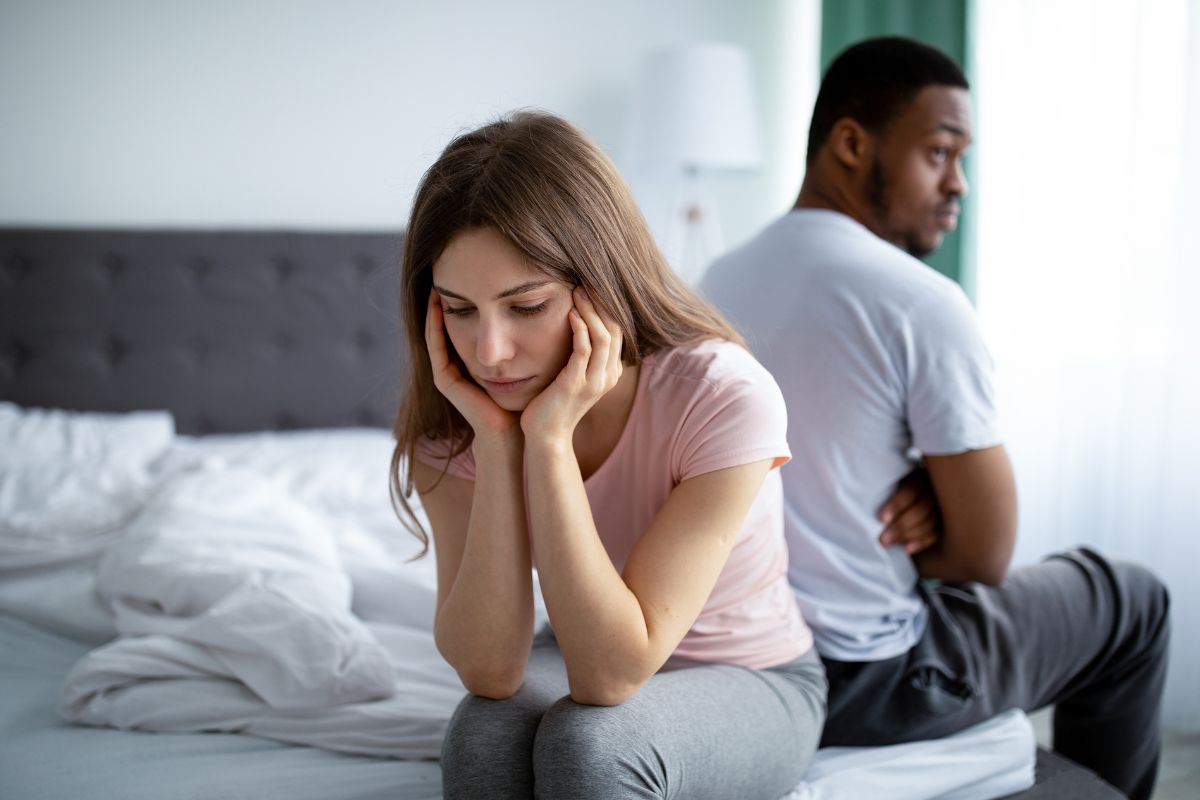
Is the spark in your love life starting to feel like a flicker? You’re not imagining it, and you’re definitely not alone low libido is something a surprising number of people quietly struggle with. It’s not just an “age thing” either. A dip in sexual desire is often your body’s way of waving a small flag, telling you that something hormonal, emotional, or physical needs attention. The reasons range from hormonal imbalance and stress to underlying health conditions, and while it’s easy to brush it off, ignoring it rarely makes it go away on its own. The good news is that once you understand what’s really going on, restoring closeness and connection is very achievable.
A Story That Feels Familiar
Ravi had always been an affectionate partner. But lately, something had shifted he felt a quiet distance growing between himself and his wife, Priya. He still loved her deeply, yet he simply wasn’t “in the mood” anymore. Bringing it up terrified him. Would Priya assume something was wrong with their marriage? Was this some deeper sign of emotional disconnect, or was there something else going on entirely?
If this sounds familiar, you’re far from alone. Reduced sexual desire whether it stems from stress, hormonal shifts, or a health condition can make anyone feel disconnected from their partner. And it doesn’t make the conversation any less uncomfortable. But here’s the thing: acknowledging it, talking about it openly, and taking a few deliberate steps is exactly how couples find their way back to closeness.
What Is Low Libido, Exactly?
Low libido simply means a noticeably reduced interest in sexual activity fewer sexual thoughts, less desire to initiate intimacy, and sometimes difficulty getting aroused even when the opportunity is there. Everyone’s baseline sexual desire is different, so “low” is relative to what feels normal for you. It becomes worth addressing when the change is persistent and starts affecting your happiness or your relationship.
It’s also far more common than most people realise. Sexual dysfunction, with low desire as a major contributing factor, affects a large share of both men and women at some point in their adult lives so if you’re dealing with this, you’re in good company, and it’s absolutely fixable.
What Causes Low Libido?
Low libido causes are rarely just one thing it’s usually a mix of physical, hormonal, psychological, and relational factors working together.
1. Hormonal Imbalance
Hormones are essentially your body’s messaging system, and when that system gets disrupted, sexual desire is often the first thing to take a hit.
- Low testosterone is one of the most common drivers of low libido in men. Testosterone plays a central role in sex drive, arousal, and performance, and levels naturally decline with age though a sharp or early drop is worth getting checked.
- Low estrogen, especially during menopause, perimenopause, pregnancy, postpartum, or breastfeeding, is a major cause of reduced sexual desire in women. Estrogen decline can also cause vaginal dryness, making sex physically uncomfortable which understandably lowers desire even further.
- Hormonal birth control (the pill, patch, or implant) can also quietly suppress libido in some women by lowering natural testosterone levels in the body.
- Thyroid disorders both an underactive and an overactive thyroid can throw off the hormonal balance that supports healthy sexual desire.
2. Mental Health
Mental health and sexual health are deeply connected. Stress, anxiety, and depression don’t just weigh on your mind they show up in the bedroom too.
- Stress and anxiety raise cortisol, the “stress hormone,” which can suppress testosterone and estrogen, dull desire, and increase the risk of erectile dysfunction.
- Depression frequently causes a loss of interest in activities that once felt pleasurable, sex included. It’s a two-way street too: many common antidepressants, including SSRIs, are known to reduce libido as a side effect.
- Low self-esteem and poor body image can spark performance anxiety, making people avoid intimacy altogether which, left unaddressed, can spiral into bigger mental health concerns.
- Burnout from constant pressure at work or home leaves little emotional bandwidth for closeness, sexual or otherwise.
3. Chronic Illness and Physical Health Conditions
Ongoing health conditions and the medications used to treat them can significantly affect sexual function and performance.
- Diabetes, heart disease, high blood pressure, and obesity can all restrict blood flow and energy levels, both of which are essential for healthy arousal and desire.
- Thyroid disorders, chronic fatigue syndrome, and chronic pain conditions can leave little physical or emotional room for intimacy.
- Sleep deprivation and sleep disorders such as insomnia or obstructive sleep apnea are strongly linked to lower testosterone and reduced libido.
- Medications particularly antidepressants, blood pressure drugs, chemotherapy or radiation treatments, and certain hormone-altering medicines commonly list low libido as a side effect. Never stop a prescribed medication without talking to your doctor first; there’s usually an alternative that won’t compromise your sexual health.
- Alcohol and substance use: heavy or regular alcohol intake, smoking, and recreational drug use can all suppress testosterone and interfere with arousal over time.
- Exercise extremes: both too little physical activity (which contributes to obesity, poor circulation, and low mood) and excessive, intense endurance training have been linked to lower libido scores.
4. Relationship Struggles
Physical closeness rarely survives without emotional closeness. Unresolved conflict, poor communication, feeling unheard, or simply drifting apart over time can quietly erode sexual desire even when both partners still love each other deeply.
Types of Low Libido
Low libido doesn’t look the same for everyone. Broadly, it shows up in a few different patterns:
- Situational Low Libido: Desire drops only in certain situations or with a specific partner, while interest remains completely normal elsewhere.
- Generalised Low Libido: A near-total lack of sexual interest across all situations and relationships.
- Lifelong Low Libido: Some people have experienced comparatively low sexual desire for as long as they can remember.
- Acquired Low Libido: This develops after a period of previously normal desire, usually triggered by stress, hormonal shifts, a health condition, medication, or relationship difficulties.
Symptoms of Low Libido
Low libido symptoms can appear gradually or seemingly overnight. Common signs include:
- Noticeably reduced interest in sexual activity
- Fewer sexual thoughts or fantasies
- Difficulty becoming or staying aroused
- Little to no interest in initiating intimacy
- Persistent fatigue or low energy
- Mood changes such as anxiety or depression
- Growing dissatisfaction or tension in the relationship
- Erectile dysfunction in men, or vaginal dryness and discomfort during sex in women
If these symptoms have been sticking around for several weeks or months, it’s a good sign to get a professional opinion rather than wait it out.
Medical Conditions Linked to Low Libido
Persistent low libido is sometimes the visible symptom of a deeper medical issue, including:
- Diabetes
- Thyroid disorders (hypothyroidism or hyperthyroidism)
- Heart disease
- Obesity
- Depression and anxiety disorders
- Hormonal disorders, including low testosterone and low estrogen
- Chronic fatigue syndrome
- Sleep disorders such as insomnia and sleep apnea
- Erectile dysfunction in men
- Menopause in women
Treating the underlying condition often brings sexual desire back on its own, which is exactly why an accurate diagnosis matters so much.
How Is Low Libido Diagnosed?
A proper low libido diagnosis starts with an honest conversation about your medical history, lifestyle, relationship, and symptoms. From there, a healthcare provider may recommend:
- A physical examination
- Hormone tests, including testosterone and estrogen levels
- Thyroid function tests
- Blood sugar and cholesterol tests
- A review of your current medications
- A mental health assessment
- Imaging tests such as a pelvic ultrasound, when relevant for women
- Relationship or sex counselling, if needed
Getting a clear diagnosis is what makes the treatment plan that follows actually effective, instead of guessing at solutions.
How to Regain Your Libido
1. Start the Conversation
Talk to your partner. Speaking honestly, in a safe and judgment-free space, lets you both voice concerns without assigning blame. The goal isn’t to find fault it’s to reconnect.
2. Seek Professional Help
An online sexologist consultation, urologist consultation, or gynecologist consultation can help pinpoint the exact root cause of your low libido and guide you toward personalised, medically sound treatment instead of guesswork.
3. Make Lifestyle Changes
Regular exercise, a healthy diet, and better stress management go a long way. Physical activity boosts circulation, lowers stress hormones, and helps keep your hormonal health in balance three things directly tied to sexual desire.
4. Prioritise Emotional Intimacy
Rekindle connection through quality time conversation, shared activities, or simple physical affection that isn’t about sex at all. Emotional closeness very often becomes the bridge back to physical intimacy.
Medical Treatment Options
Depending on what’s actually driving your low libido, treatment may involve:
- Hormone therapy for hormonal imbalance testosterone therapy for men, or estrogen therapy for women going through menopause
- Medication adjustment, if a current prescription is affecting your libido
- Treatment of the underlying chronic illness, whether that’s diabetes, thyroid disease, or heart disease
- Cognitive Behavioural Therapy (CBT) to work through anxiety, stress, or negative thought patterns around sex
- Sex therapy or couples counselling, to rebuild both communication and desire
- Medications specifically approved for sexual dysfunction, prescribed only after a proper medical evaluation
- Stress management techniques, from structured relaxation practices to therapy
All of this should be guided by a qualified healthcare professional self-medicating or relying on unverified supplements can do more harm than good.
Home Remedies to Improve Low Libido
Small, consistent daily habits genuinely support healthy sexual function over time:
- Exercise regularly, but avoid extremes in either direction
- Eat a balanced diet rich in zinc and vitamin D
- Sleep 7–8 hours a night
- Practise meditation or deep breathing to manage stress
- Reduce alcohol intake
- Quit smoking
- Maintain a healthy body weight
- Spend quality, distraction-free time with your partner
These work best as a support system alongside professional treatment not as a replacement for it, especially if a medical or hormonal cause is suspected.
Myth-Busting: Separating Fact from Fiction
Myth #1: “Low libido is just part of getting older.”
Fact: Aging naturally brings some hormonal change, but a major drop in desire is not something you simply have to accept. Low libido is treatable at any age.
Myth #2: “Only men experience low libido.”
Fact: Women experience shifts in libido too, especially around menopause, pregnancy, postpartum, or during periods of high stress.
Myth #3: “Low interest in sex means there’s a problem with the relationship.”
Fact: Not necessarily. Low libido is very often caused by external factors stress, health conditions, or hormonal imbalance and has nothing to do with how much someone loves their partner.
Myth #4: “Nothing can really be done about it.”
Fact: Low libido is treatable. From hormone therapy to lifestyle changes and counselling, there are real, effective paths to regaining interest and satisfaction in intimacy.
When Should You Consult a Doctor?
Reach out to a healthcare professional if:
- Low libido has lasted more than a few months
- It’s creating tension or distance in your relationship
- You’re experiencing erectile dysfunction or vaginal dryness
- Fatigue or other hormonal symptoms are showing up alongside it
- Lifestyle changes haven’t made a noticeable difference
Early diagnosis makes it far easier to catch an underlying medical or psychological condition early and to treat it effectively. Book an online consultation with HealthPil today and find a doctor who can help you take the first step back toward intimacy and overall well-being.
Tips to Maintain a Healthy Libido Long-Term
- Exercise regularly
- Eat a nutritious, balanced diet
- Get enough quality sleep
- Manage stress effectively
- Avoid smoking and limit alcohol
- Communicate openly with your partner
- Keep up with regular health check-ups
Consistency here matters more than intensity small, sustainable habits protect your sexual health and overall well-being over the long run.
How HealthPil Can Help
If low libido, erectile dysfunction, or emotional intimacy concerns are affecting your relationship, you don’t have to navigate it alone or in silence. HealthPil connects you with experienced sexologists, urologists, and gynaecologists through secure, confidential online consultations no waiting rooms, no awkward front-desk conversations, just a private space to talk openly about your sexual health.
Whether you need an online sexologist consultation, an online urologist consultation, or an online gynecologist consultation, our specialists offer personalised guidance and treatment plans built around your specific causes and concerns helping you move toward better sexual wellness, stronger hormonal health, and a more connected relationship.
Summary
Low libido is a common condition that can affect both men and women and may result from hormonal changes, stress, medical conditions, medications, or relationship challenges. Early diagnosis and the right treatment—including lifestyle changes, counselling, or medical care can help restore sexual desire and improve overall wellbeing. If low libido is affecting your quality of life or relationship, book an online consultation with a HealthPil specialist for personalised evaluation and treatment.
FAQ Section:
Can low libido be treated?
Yes. Most cases improve with lifestyle changes, counselling, medication, or hormone therapy depending on the underlying cause.
Can stress cause low libido?
Yes. Chronic stress can affect hormone levels and reduce sexual desire.
Which doctor should I consult for low libido?
You can consult a sexologist, urologist, gynaecologist, or endocrinologist depending on your symptoms.
Can low testosterone cause low libido?
Yes. Low testosterone is one of the common causes of reduced sexual desire in men.
Can lifestyle changes improve low libido?
Yes. Regular exercise, healthy eating, quality sleep, and stress management can significantly improve libido.
References
- Pettigrew JA, Novick AM. An Overview of Hypoactive Sexual Desire Disorder: Physiology, Assessment, Diagnosis, and Treatment. Available at:
PMC - Bancroft J. Human Sexuality and Its Problems. Available at:
PubMed
Disclaimer:
The information provided in this article is for educational purposes only. It is not intended to diagnose or treat any health condition. Please consult a qualified healthcare provider for personalised advice.

Read our editorial policy