

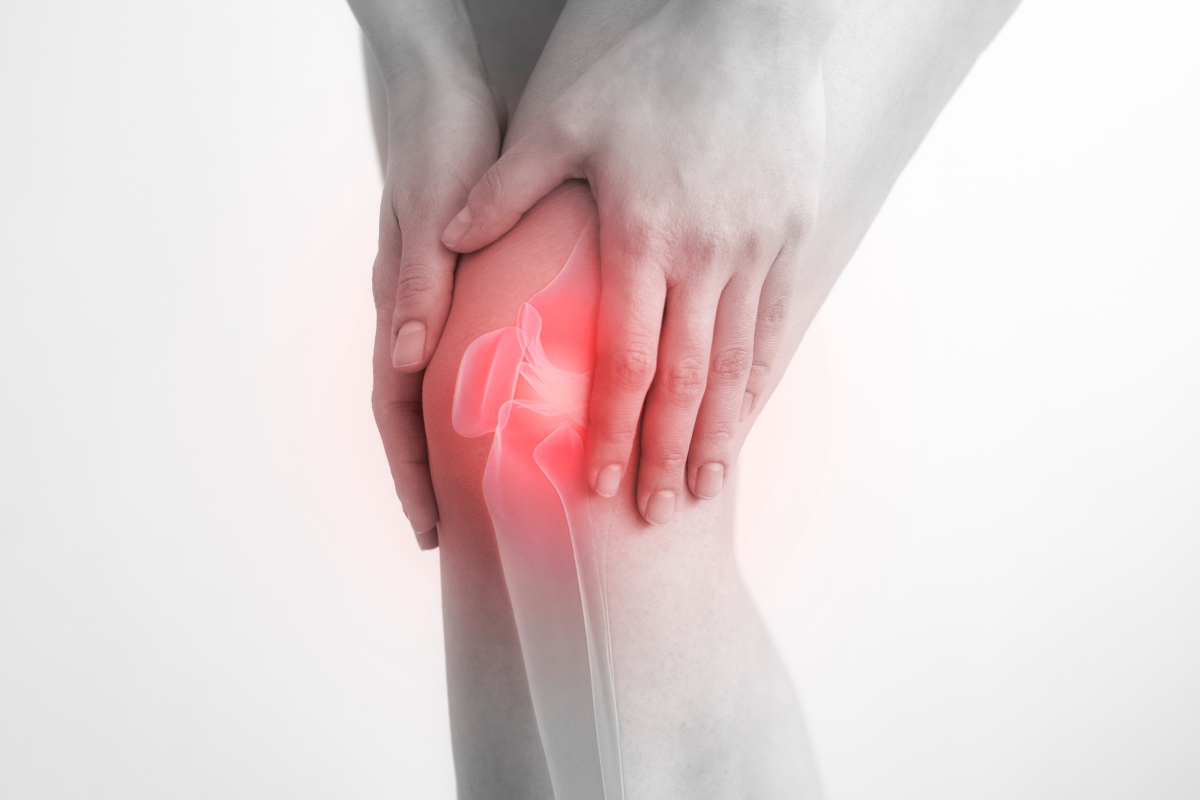
Knee pain can affect people of all ages and genders, whether due to injuries like ligament tears, cartilage damage, or from medical conditions such as osteoarthritis, rheumatoid arthritis, gout, or infections. Mild knee discomfort can often be managed with rest, knee braces, or physical therapy, but some cases may require medications or injections. On the other hand, in some severe situations, surgical options such as arthroscopy or knee replacement can restore mobility and improve quality of life.
Most Common Causes of Knee Pain:
● Injuries:
Knee injuries are often caused by sports or accidents. Common injuries include:
● Ligament Tears: Abrupt stops or direction changes may damage the anterior cruciate ligament (ACL).
● Meniscus Tears: Usually caused by twisting actions, these injuries affect the cartilage cushioning the knee joint.
● Fractures: Broken bones around the knee can result from falls or high-impact injuries.
● Osteoarthritis (OA):
In terms of arthritis, it is the most prevalent type. It causes discomfort and stiffness as a result of the joint cartilage gradually deteriorating.
● Rheumatoid Arthritis:
Inflammation of the joints, resulting in discomfort and swelling, caused by an autoimmune disease.
● Bursitis:
Inflammation of the bursa (tiny fluid-filled sacs that cushion the knee joint), often due to repetitive movements or prolonged pressure.
Treatment Options for Knee Pain:
- Initial care such as the ‘R.I.C.E’ method, i.e, Rest, Ice, Compression, and Elevation can help reduce pain and swelling in acute knee injuries.
- Consult a physical therapist to help you become more stable, flexible, and firm around your knee joint.
- Medications:
● You can manage pain and inflammation by prescription drugs or over-the-counter painkillers (NSAIDs) like ibuprofen.
● If the pain doesn’t go away, your doctor may prescribe stronger pain killers or Corticosteroid injections that can provide temporary relief for inflammation and pain.
- Surgical Interventions:
● Procedures such as Arthroscopy is a minimally invasive surgery used to diagnose and treat various knee problems.
● Your doctor may recommend Partial or total knee replacement to restore function in severe cases of arthritis or injury.
When to See a Doctor for Knee Pain?
Consult a healthcare provider if:
● you experience severe pain that does not go away with rest.
● you have swelling that persists or worsens.
● you are unable to put any weight on the knee.
● it doesn’t get better after a few weeks
FAQs on Knee Pain:
Can I avoid knee pain?
Yes, definitely, if you lose weight if you’re overweight/obese, add resistance training with some walking, swimming, or aerobics in your workout routine, and wear appropriate shoes. All these practices can keep knee pain at bay.
Is surgery always necessary for knee pain?
No, not necessarily; for many cases, conventional treatments are enough.
Disclaimer:
This information is for educational purposes only and should not replace professional medical advice. Always consult your healthcare provider for personalised recommendations.
How HealthPil Can Help with Knee Pain
HealthPil connects you with orthopaedic specialists who can assess your knee pain and recommend appropriate treatments. Schedule your appointment today for a comprehensive evaluation!

