

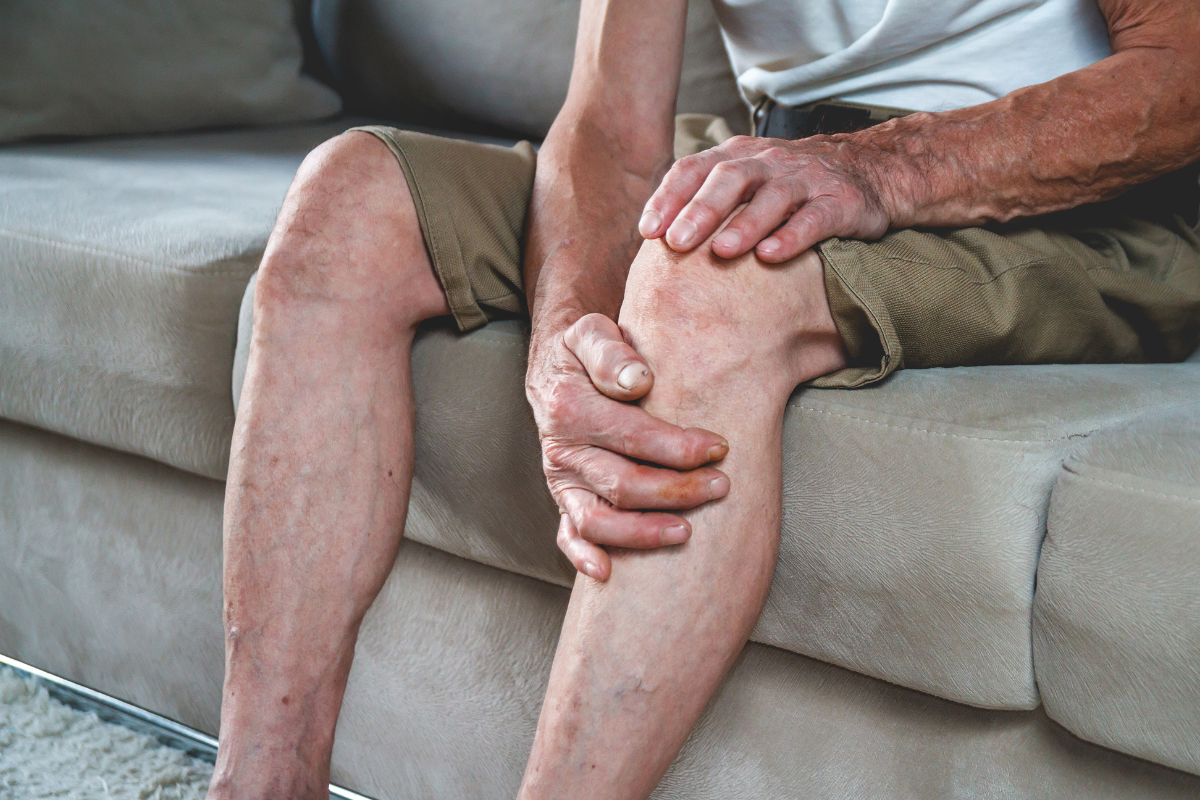
Do you have knee pain when climbing stairs? Do your knees feel stiff in the mornings, or hurt after sitting for long periods? These are often early signs of knee osteoarthritis, one of the most common causes of knee pain as we get older, and should not be ignored. Osteoarthritis is a condition that occurs when the protective cartilage in the knee wears down, leading to pain, stiffness, and swelling.
In India, millions of people are affected by osteoarthritis (OA) of the knee, and the numbers are rising because of factors like obesity, diabetes, and increasingly sedentary lifestyles. But, with the right care, necessary lifestyle changes, treatment, and some prevention tips, you can manage knee osteoarthritis and continue to stay active.
What is Osteoarthritis?
Osteoarthritis is a condition where the cartilage in your joints, that is, the smooth, protective tissue that cushions the bones, gradually breaks down. So, without this cushioning, the bones rub against each other, leading to pain, swelling, stiffness, and reduced mobility.
While osteoarthritis can affect any joint, the knee is one of the most commonly affected areas, since it bears most of the body’s weight.
Common Symptoms of Knee Osteoarthritis:
● Persistent joint pain during or after movement, which may improve with rest.
● Movement becomes challenging when joints are stiff, mainly in the morning or after sitting still for long periods.
● Inflammation, tenderness and sometimes swelling around the knee joint.
● Difficulty bending or straightening the knee.
● You may hear or feel a grinding or cracking sound when moving your knee.
Risk Factors for Osteoarthritis in the Knee
● Wear and tear naturally increases with ageing.
● If you are obese or overweight, it puts additional strain on weight-bearing joints like the knees.
● A family history of OA raises your chances of getting it.
● Past joint injuries such as ligament tears or fractures increase the risk.
● Lifestyle Factors such as sedentary living, poor diet, and uncontrolled diabetes can worsen joint health.
Treatment for Knee Osteoarthritis
Treatment for knee osteoarthritis usually involves a mix of lifestyle adjustments, non-surgical options, and, in severe cases, surgery. Most doctors will begin with non-surgical approaches before considering surgery as a last resort.
Non-Surgical treatment options:
1. Lifestyle Changes:
● Reduce extra weight to help ease joint pain, especially on the hips and knees.
● Exercise regularly; low-impact exercises, such as swimming, cycling, and walking, can improve flexibility and strength of the muscles around the joints.
2. Medications:
● Nonsteroidal anti-inflammatory drugs (NSAIDs) or painkillers such as ibuprofen help manage pain and reduce inflammation.
● You can bring localised relief with creams that contain NSAIDs or capsaicin.
3. Injections:
● Corticosteroid Injections can reduce joint pain and inflammation for a short time.
● Hyaluronic Acid Injections help by greasing the joint, this treatment can improve mobility and reduce pain.
Surgical treatment:
● Arthroscopy removes damaged tissues and cleans up the joint; it is minimally invasive
● Joint Replacement may be suggested in some cases, a partial or total knee replacement may be needed.
How Can You Prevent Osteoarthritis in the Knee?
● Consuming a healthy diet that includes omega-3 fatty acids (fish) and antioxidants (fruits and vegetables) can help decrease inflammation.
● Consulting an orthopaedic specialist regularly can help track joint health and identify problems early.
● Increasing muscular mass might help your joints be better supported.
FAQs
What is the best cure for osteoarthritis in the knee?
There is no cure for osteoarthritis, but its symptoms can be controlled through effective medications to enhance life quality.
What lifestyle changes can help manage osteoarthritis?
Working out regularly with cardiovascular exercises and strength training, watching your weight and having a balanced meal consisting of protein, fibre and minerals can help keep osteoarthritis in check.
How HealthPil Can Help with Knee Osteoarthritis
HealthPil connects you with experienced orthopaedic specialists who can guide you through managing osteoarthritis effectively. Schedule your consultation today and take the first step towards healthier joints!
Disclaimer:
This information is for educational purposes only and should not replace professional medical advice. Seek out professional advice from your doctor for a customised treatment.

