

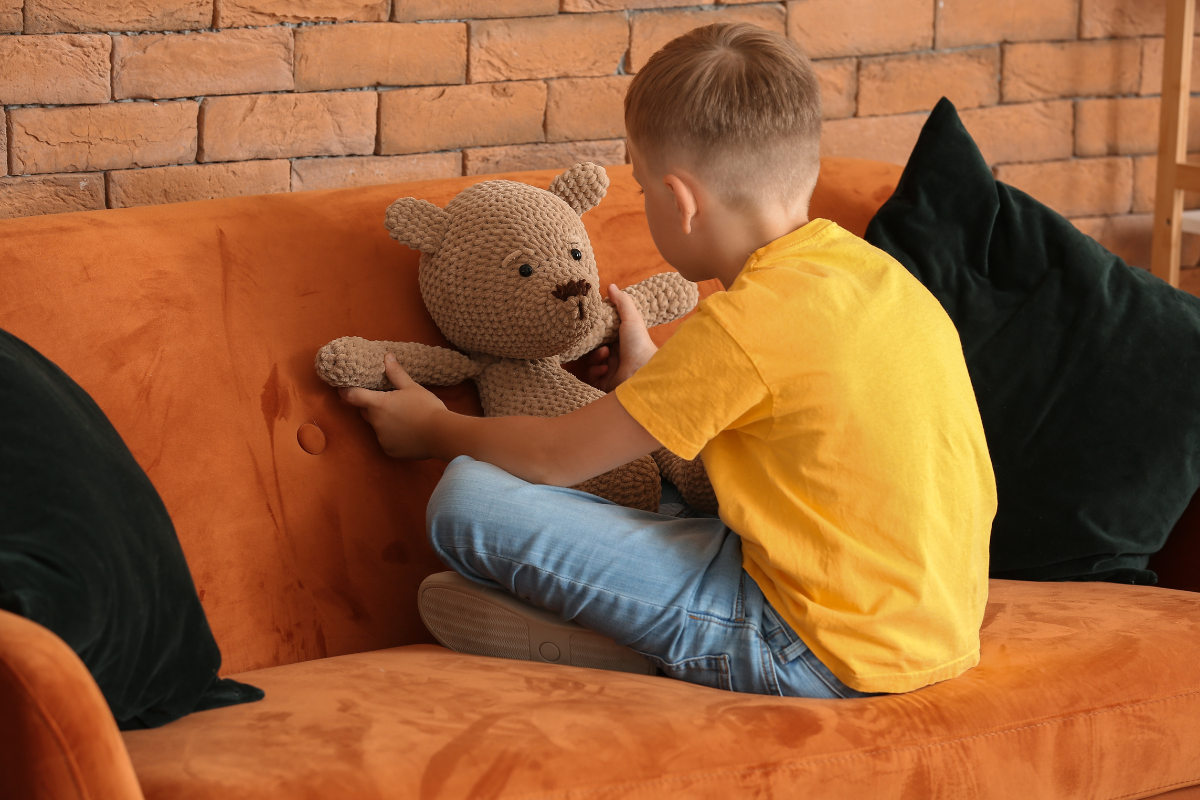
Autism Spectrum Disorder (ASD) is a neurologic-developmental disorder that affects a child’s ability to communicate, behave, and engage in social interactions. Better outcomes are associated with early diagnosis. This article tells how the ASD of Maya, a five-year-old girl, was diagnosed, what symptoms she had, and how she was treated.
Patient’s Story: Maya’s parents observed that she was having trouble expressing herself appropriately and didn’t make eye contact as much as her friends. She would sing the same tune and do some repetitive tasks. Concerned about her growth, they sought help from the paediatrician.
Symptoms of Autism:
The majority of these symptoms are present in autistic patients, varying in severity.
● Speech Problems: underdeveloped speech, repeating the exact words or phrases, or being unable to understand sarcasm or metaphorical language.
● Repetitive Behaviors: Constantly touching or rubbing hands, hand flapping, fascination with specific smell or sound.
● Social Difficulties: Avoid eye contact, have trouble interacting with others, have difficulty regulating or showing emotions, or are not an active participant in collaborative activities.
Diagnosis:
Diagnosing ASD involves a multidisciplinary approach, such as:
1. Developmental screenings: To examine developmental challenges at certain ages in which parents are questioned about a child’s behaviour.
2. Comprehensive Diagnostic Evaluation: A team of professionals assesses a child’s specific behaviour to determine whether it is indicative of ASD.
Treatment Options:
Children with ASD need early intervention for better results, which include:
1. Applied behaviour analysis (ABA) uses measurable goal-setting and positive reinforcement to prevent undesirable behaviours by rewarding desirable behaviours.
2. Social skills training: Children learn to manage their behaviour and act politely around adults and their family and friends.
3. Speech therapy: improves children’s verbal skills, allowing them to interact successfully with others.
Strategies for Parents:
Parents can provide a supportive environment for children by:
● Maintain consistency: Having a consistent routine helps children reinforce learning and predictability.
● Promoting interests: Directing a child’s attention towards their passions might open doors to social interaction and communication.
● Joining support groups: Connecting with other parents can provide emotional support and valuable understanding.
FAQs
What causes autism?
The exact cause of autism is unknown, but research points to a possible mix of environmental and genetic parameters.
Can early intervention improve outcomes?
Indeed, early intervention greatly enhances autistic children’s long-term results.
How can I provide social support for my child?
Promote peer playtime, participate in group activities, and simulate social situations at home.
Disclaimer:
This information is not intended to replace professional medical advice. Always consult a healthcare provider for diagnosis and treatment options.
How HealthPil Can Help:
HealthPil connects you with specialists who can guide you through managing ASD effectively, ensuring your child receives the necessary support for their development.

Read our editorial policy