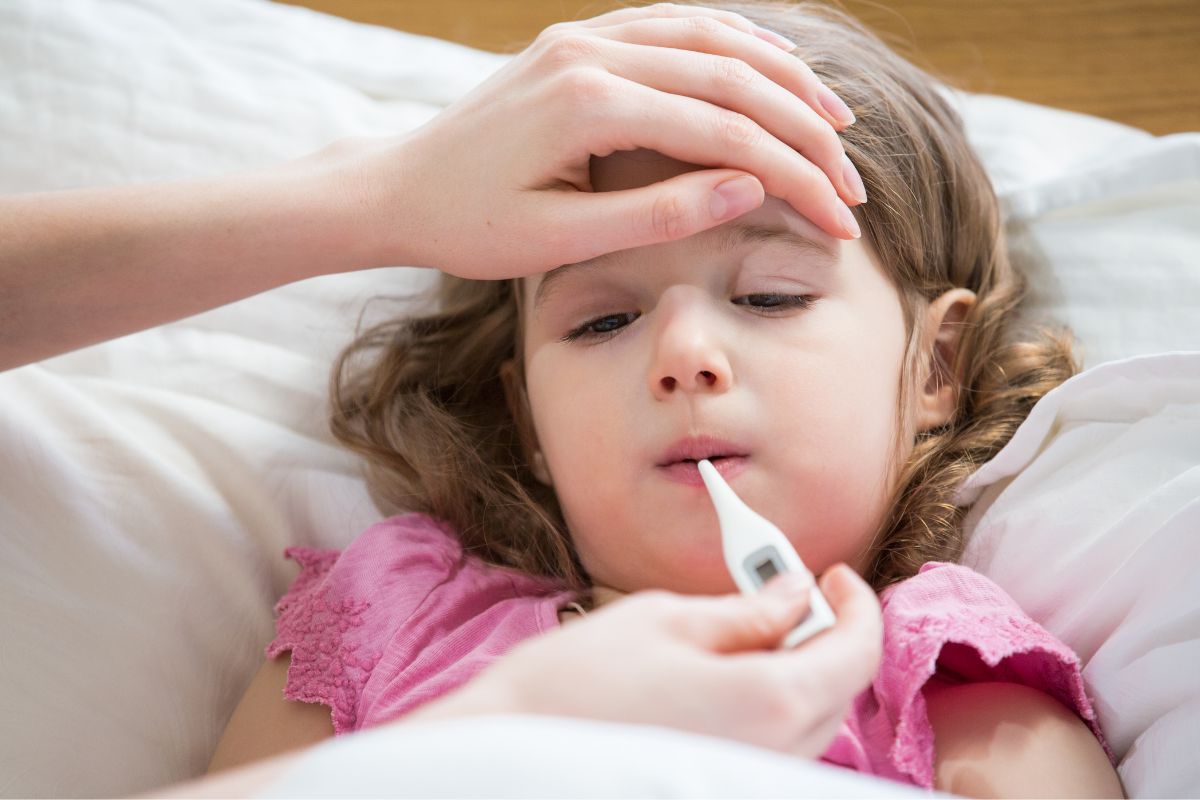
Febrile seizures are among the most common neurological events in early childhood, typically occurring between the ages of six months and five years. They are convulsions that happen in association with fever, without any evidence of central nervous system infection, metabolic disturbance, or structural brain abnormality. While the episode can appear frightening, it is important for parents and caregivers to understand that febrile seizures are largely benign, self-limiting in nature. They represent the immature brain’s exaggerated response to a rapid rise in body temperature, rather than a serious neurological disease.
Epidemiology and Risk Factors
It is estimated that 2–5% of all children experience at least one febrile seizure during early childhood. The condition most frequently occurs around 18 months of age and is slightly more common in boys than in girls.
Several risk factors have been identified:
-
Age: Peak incidence between 12 and 24 months.
-
Genetic predisposition: Family history of febrile seizures in first-degree relatives increases risk.
-
Rapid rise of temperature: The speed of temperature elevation is more critical than the absolute value.
-
Viral infections: Common viral fevers such as influenza, adenovirus, or roseola often precede the episode.
-
Neurodevelopmental immaturity: The developing nervous system is more excitable and prone to abnormal electrical discharges.
Classification of Febrile Seizures
Febrile seizures are broadly categorized into two clinical types based on duration, recurrence, and seizure pattern:
-
Simple Febrile Seizures
-
Generalized from onset
-
Duration less than 15 minutes
-
Occur only once in 24 hours
-
No postictal neurological deficit
-
Complex Febrile Seizures
-
Duration longer than 15 minutes
-
Focal features or one-sided movements
-
May recur within 24 hours
-
Require further evaluation to rule out underlying pathology
Clinical Presentation of Febrile Seizures
A febrile seizure typically begins suddenly, usually within the first few hours of fever onset. The child may lose consciousness, become rigid or stiff, followed by rhythmic jerking of the limbs. Eyes may roll upward, and lips can appear pale or bluish. Occasionally, there may be urinary incontinence or frothing at the mouth. The episode usually lasts for one to three minutes and stops spontaneously. Afterward, the child often remains drowsy or confused for a short period — a phase called postictal drowsiness — before returning completely to normal.
Immediate First Aid and Home Management of Febrile Seizures
During an episode, parents and caregivers should focus on ensuring safety and maintaining airway patency rather than attempting to stop the seizure.
Key steps include:
-
Lay the child on their side on a flat, safe surface.
-
Loosen any tight clothing around the neck.
-
Do not put any object or fluid into the mouth.
-
Note the duration and pattern of the episode.
-
If the seizure lasts longer than five minutes, seek emergency medical help immediately.
-
After the seizure stops, allow the child to rest. Do not give food or liquids until the child is fully awake.
Diagnostic Evaluation of Febrile Seizures
For most children with simple febrile seizures, extensive investigations are not necessary. The focus is on identifying the source of fever. The doctor will perform a thorough clinical examination and may advise selected tests depending on findings:
-
Blood tests to assess for infection or electrolyte imbalance.
-
Urine examination to detect urinary tract infection.
-
Lumbar puncture (spinal tap) if meningitis is suspected, especially in children below one year of age or those with neck stiffness or persistent altered consciousness.
-
EEG (Electroencephalography) is not routinely recommended after a simple febrile seizure, as it does not predict recurrence or later epilepsy.
-
Neuroimaging (CT or MRI) is indicated only if seizures are focal, prolonged, or accompanied by abnormal neurological findings.
Treatment Approach of Febrile Seizures
1. Acute Management
In the emergency setting, if a seizure lasts more than five minutes, benzodiazepines such as diazepam (rectal) or midazolam (intranasal/buccal) may be administered to stop the episode. These are short-acting medicines that help terminate prolonged seizures and prevent complications related to hypoxia.
2. Antipyretic Therapy
Controlling fever helps improve comfort and may reduce recurrence in the same illness.
-
Paracetamol or ibuprofen can be given as per age and weight-based dosage.
-
Adequate hydration, removal of excessive clothing, and sponging with lukewarm water are supportive measures.
-
Aspirin should never be used in children due to the risk of Reye’s syndrome.
3. Long-term Therapy
Long-term anticonvulsant medication is not recommended for children with simple febrile seizures.
-
Continuous prophylaxis with drugs like phenobarbital or valproate has been studied but is avoided due to adverse effects outweighing benefits.
-
Intermittent prophylaxis using diazepam during febrile illness may be considered in children with frequent, prolonged, or complex febrile seizures, under specialist supervision.
Prognosis and Long-Term Outlook of Febrile Seizures
The overall prognosis for febrile seizures is excellent. Most children outgrow the condition by five to six years of age, as the brain matures and becomes less sensitive to temperature changes.
-
Recurrence occurs in approximately 30% of children, usually within the first year after the initial episode.
-
The risk of later developing epilepsy is slightly higher than in the general population but remains low — about 2–4%, especially in those with complex seizures or preexisting neurological abnormalities.
-
There is no evidence that febrile seizures cause intellectual impairment, behavioral problems, or learning difficulties.
Prevention and Parental Guidance for Febrile Seizures
While febrile seizures cannot always be prevented, the following measures are helpful:
-
Treat fever early with appropriate antipyretics.
-
Avoid excessive clothing or blankets that can trap body heat.
-
Encourage fluids and rest during illness.
-
Keep rescue medication available if prescribed, and know how to use it.
-
Educate family members and caregivers about first-aid steps during seizures.
-
Maintain regular follow-up with your pediatrician, especially if seizures are recurrent or prolonged.
How HealthPil Can Help
HealthPil connects parents directly with qualified pediatricians and child neurologists for accurate diagnosis, evidence-based management, and long-term follow-up of children who experience febrile seizures. Our platform allows parents to:
-
Consult experts online for post-seizure evaluation.
-
Upload reports and get second opinions.
-
Learn correct fever management and emergency care protocols.
-
Access verified educational resources written by doctors.
With HealthPil, parents receive reliable information, timely medical support, and practical guidance — ensuring that no child’s health is compromised by misinformation or delay in care.
Disclaimer
This content is intended for educational and awareness purposes only. It should not be considered as medical advice or a substitute for professional consultation. If your child experiences a seizure or has a high fever, seek immediate medical evaluation.
For trusted medical guidance, second opinions, and access to verified pediatric specialists, visit HealthPil.com — your partner in evidence-based, compassionate healthcare.