

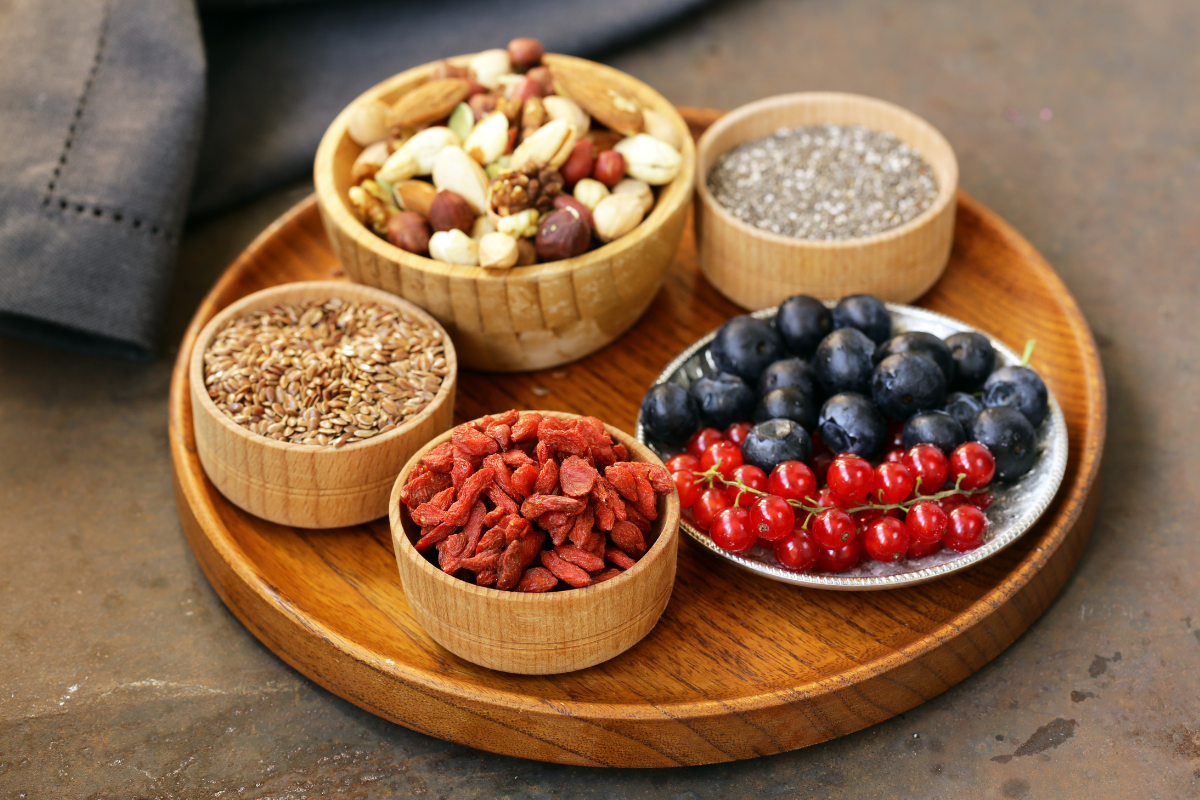
Superfoods are praised for their health advantages, including quinoa, chia seeds, and kale. However, are they actually better than other foods high in nutrients, or is it just the term discovered to sell the products? The science underlying superfoods, common misconceptions, and reasonably priced Indian substitutes will all be covered in this article.
What Are Superfoods?
Superfoods are nutrient-rich foods believed to have exceptional health benefits. Common examples include:
- Blueberries are packed with antioxidants.
● Quinoa is a complete protein.
● Turmeric is known for its anti-inflammatory properties.
Why Are Superfoods Called Super?
The term “superfood” is not an official medical or scientific classification. It is commonly used to describe foods that are naturally rich in vitamins, minerals, antioxidants, healthy fats, fibre, or other beneficial nutrients. While these foods can support overall health, no single superfood can prevent or cure diseases. Their benefits are greatest when they are included as part of a balanced and varied diet.
The Science of Superfoods:
1. Blueberries:
- rich in oxidative stress-fighting anthocyanins.
2. Turmeric:
- It contains curcumin, a potent anti inflammatory compound.
3. Quinoa:
- A rare plant-based complete protein containing all essential amino acids.
What Research Says About Superfoods
Research suggests that the health benefits of superfoods come from their overall nutrient profile rather than any single ingredient. Studies published in journals such as Nutrients and The American Journal of Clinical Nutrition have found that diets rich in fruits, vegetables, whole grains, legumes, nuts, and seeds are associated with a lower risk of heart disease, type 2 diabetes, and other chronic conditions. However, experts agree that no single superfood can provide all the nutrients needed for optimal health or replace a balanced diet.
Research consistently points to the same conclusion — it’s the overall eating pattern, not any single “superfood,” that lowers disease risk. Diets like the Mediterranean pattern, built mostly around vegetables, whole grains, legumes, and healthy fats, show the strongest evidence for better heart and metabolic health over time.
Myths About Superfoods
Myth 1: “Superfoods are necessary for health.”
- Fact: A balanced diet with diverse foods provides all essential nutrients.
Myth 2: “Expensive superfoods are better.”
- Fact: Low-cost alternatives with similar health advantages include flaxseeds, spinach, and amla.
Myth 3: “Superfoods cure diseases.”
- Fact: No single food can cure illnesses. A holistic diet and lifestyle are essential.
Affordable Indian Alternatives
1. Quinoa vs. Millets
- Millets are fibre-rich and sustainable, making them a better choice for Indian diets.
2. Acai Berries vs. Amla
- Amla offers more vitamin C than acai berries and is far more affordable.
3. Kale vs. Spinach
- Spinach is nutrient-dense, widely available, and more accessible to incorporate into Indian dishes.
4. Chia Seeds vs. Flaxseeds
- Flaxseeds are rich in omega-3s and more cost-effective than chia seeds.
Imported Superfoods vs Affordable Indian Alternatives
Imported Superfood | Affordable Indian Alternative | Key Benefit |
Quinoa | Millets | Fibre & Plant Protein |
Chia Seeds | Flaxseeds | Omega-3 Fatty Acids |
Acai Berries | Amla | Vitamin C & Antioxidants |
Kale | Spinach | Iron, Folate & Vitamin K |
Choosing locally available foods can provide similar nutritional benefits at a lower cost, making healthy eating more practical and sustainable.
Best Superfoods for Different Health Goals
Health Goal | Recommended Superfood |
Immunity | Amla, Turmeric |
Heart Health | Flaxseeds, Walnuts |
Brain Health | Walnuts, Berries |
Weight Management | Millets, Quinoa |
Digestive Health | Spinach, Yogurt |
Choosing superfoods based on your health goals is more effective than following food trends. Including a variety of locally available, nutrient-rich foods in your daily meals helps ensure you receive a wide range of vitamins, minerals, fibre, and antioxidants.
How to Add Superfoods to Your Daily Diet
Superfoods are easy to include in everyday meals without making major dietary changes. Add berries or amla to breakfast, include spinach or millets in lunch, snack on nuts or roasted flaxseeds, and use turmeric regularly while cooking. The key is consistency rather than consuming large amounts of a single food. Combining different nutrient-rich foods provides better overall nutrition than relying on one “miracle” ingredient.
One thing worth remembering — more isn’t automatically better. Eating large amounts of any single food, even a nutrient-dense one, won’t multiply the benefits, and can sometimes cause digestive discomfort or nutrient imbalance instead. Portion control matters just as much with superfoods as it does with any other food.
Can Superfoods Cure Diseases?
No. Despite their impressive nutritional value, superfoods cannot cure or prevent diseases on their own. Their health benefits come from supporting overall nutrition as part of a balanced diet and healthy lifestyle. Regular physical activity, quality sleep, stress management, and routine medical care remain equally important for reducing the risk of chronic diseases. Superfoods should complement—not replace—medical treatment or prescribed medications.
Who Can Benefit from Superfoods?
Most people can benefit from including nutrient-rich foods in their daily diet. Superfoods may be especially helpful for children, older adults, athletes, vegetarians, pregnant women, and people recovering from illness, as they provide essential vitamins, minerals, fibre, and healthy fats. However, dietary needs vary from person to person, so choosing the right foods based on your health condition is important.
More Nutrient-Rich Superfoods to Include
Besides quinoa, blueberries, and turmeric, several everyday foods also offer excellent nutritional value. Beans and lentils provide plant-based protein and fibre, walnuts are rich in omega-3 fatty acids that support heart and brain health, Greek yogurt contains probiotics for gut health, while sweet potatoes supply fibre, vitamin A, and antioxidants. Including a variety of these foods helps ensure a balanced intake of essential nutrients.
Oats deserve a mention too one of the most effective whole grains for lowering cholesterol and steadying blood sugar levels, and an easy addition to an Indian breakfast routine.
How HealthPil Can Help:
We at HealthPil help you find cost-effective, nutrient-dense options that are designed to meet your needs. Our nutrition specialists offer scientifically supported suggestions to improve your diet in a sustainable way.
When Should You See a Dietitian?
If you have diabetes, heart disease, kidney disease, food allergies, digestive disorders, or specific nutritional deficiencies, consult a doctor or registered dietitian before making major dietary changes. If you’re unsure which superfoods are best for your health goals, you can book an online consultation with a HealthPil nutrition expert for personalised, evidence-based dietary guidance.
Summary:
Superfoods can be a valuable addition to a healthy diet, but they are not miracle foods. Their greatest benefits come from being part of a balanced eating pattern that includes a variety of nutrient-rich foods. Choosing affordable local options such as millets, amla, spinach, and flaxseeds can provide nutrition comparable to many expensive imported superfoods. If you need personalised nutrition advice, book an online consultation with a HealthPil nutrition expert to receive a diet plan tailored to your health goals and lifestyle
FAQs
Are superfoods necessary for a healthy diet?
No. A balanced diet containing a variety of fruits, vegetables, whole grains, legumes, and healthy fats can provide all the nutrients most people need.
Are expensive superfoods healthier than local foods?
Not necessarily. Affordable Indian foods such as amla, millets, spinach, and flaxseeds offer nutritional benefits similar to many imported superfoods.
Can superfoods help with weight loss?
Superfoods alone do not cause weight loss. They can support weight management when combined with a balanced diet, portion control, and regular physical activity.
Which Indian superfoods are the best?
Some excellent Indian superfoods include amla, turmeric, millets, spinach, flaxseeds, lentils, and moringa, as they are rich in vitamins, minerals, fibre, and antioxidants.
Can superfoods replace supplements?
No. Superfoods provide natural nutrients but should not replace supplements or medications prescribed by your healthcare provider.
References
- Díaz O, Cobos Á. ‘Superfoods’: Reliability of the Information for Consumers Available on the Web. Available at:
PMC - Díaz O, Cobos Á. ‘Superfoods’: Reliability of the Information for Consumers Available on the Web. Available at:
PubMed
Disclaimer:
This article is for informational purposes only and does not replace medical advice. For specific dietary concerns, consult a healthcare provider.

Read our editorial policy