

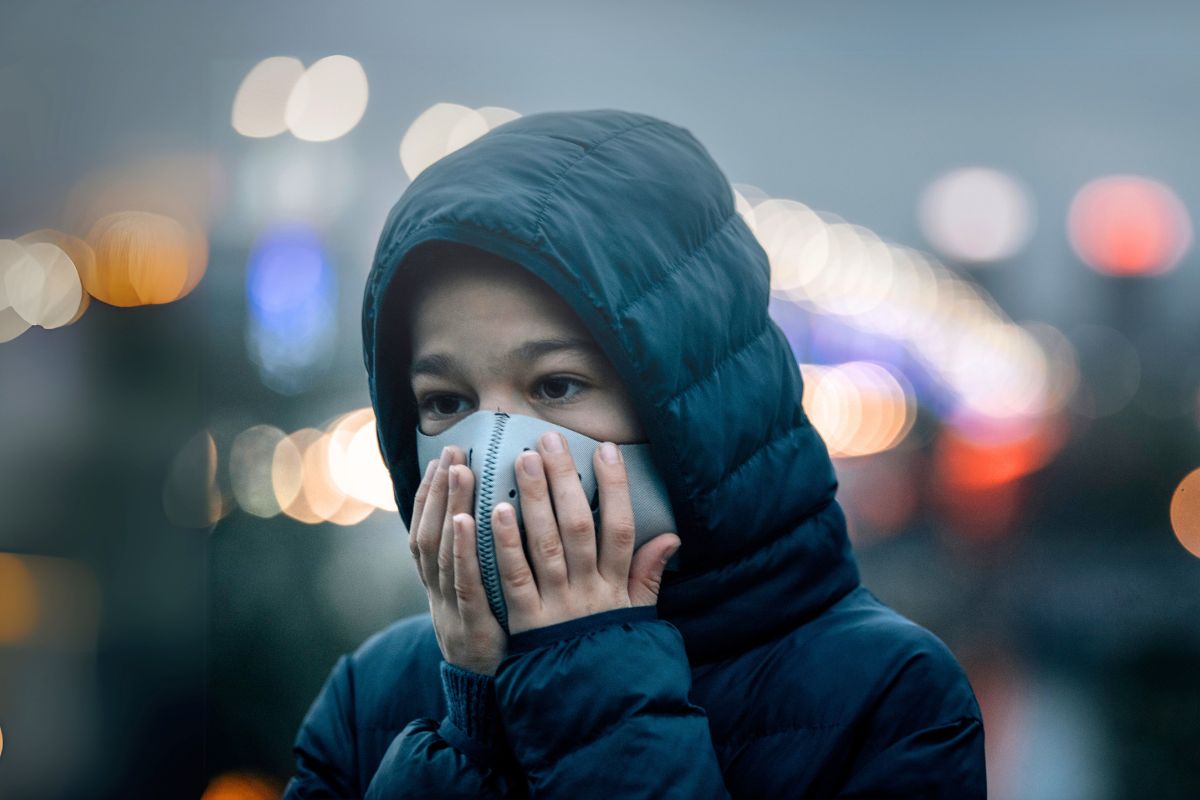
India’s air quality crisis has become impossible to ignore, especially in dense urban centres like Delhi, where pollution levels regularly climb far past what’s considered safe. While this threatens everyone, it hits newborns and children hardest their developing lungs, immune systems, and brains simply aren’t equipped to handle what adult bodies can tolerate more easily. This article walks through exactly how air pollution affects children’s health, what’s driving it, and what parents can realistically do to reduce the risk.
What Is Air Pollution?
Air pollution refers to the contamination of indoor or outdoor air by harmful substances particulate matter (PM2.5 and PM10), carbon monoxide (CO), nitrogen dioxide (NO₂), sulfur dioxide (SO₂), ground-level ozone (O₃), and other pollutants. These originate from vehicle emissions, industrial activity, fossil fuel combustion, crop burning, construction dust, and everyday household sources. Children and newborns are particularly vulnerable simply because their lungs, immune systems, and brains are still developinga body still under construction has far less capacity to filter out or recover from this kind of ongoing exposure.
What’s Driving Air Pollution in Urban Areas?
Vehicle emissions, industrial discharge, construction activity, and crop burning combine to push pollution levels sharply upward, particularly in cities. According to the Central Pollution Control Board (CPCB), average PM2.5 levels in Delhi often exceed 200 µg/m³ eight times higher than the WHO’s safe limit of 25 µg/m³. That gap alone says a lot about the scale of the problem.
The Bigger Environmental Picture
Air pollution doesn’t exist in isolation — it’s tightly connected to broader environmental shifts that shape long-term risk too.
Climate change and global warming: The same emissions driving local air pollution largely from burning fossil fuels also release greenhouse gases that trap heat in the atmosphere, gradually raising global temperatures. This connects local pollution to the much bigger picture of climate change.
Acid rain: Nitrogen oxides and sulfur oxides released from vehicles and industry react with water vapour in the atmosphere, falling back to earth as acid rain, which affects soil, water bodies, and agricultural land indirectly touching food and water quality too.
Ozone layer depletion: Certain pollutants, including chlorofluorocarbons from older refrigeration and aerosol products, damage the ozone layer that shields us from harmful UV radiation. While regulation has slowed this globally, it remains part of the broader environmental cost of unchecked emissions.
None of this is abstract for a parent worried about a child’s cough — it’s the backdrop explaining why air quality keeps trending in the wrong direction across many Indian cities, year after year.
Major Air Pollutants That Affect Children
Several pollutants are directly responsible for poor air quality and its effects on children’s health:
- PM2.5 and PM10: Tiny particles small enough to travel deep into the lungs and even the bloodstream, raising the risk of respiratory disease.
- Nitrogen Dioxide (NO₂): Released mainly from vehicle exhaust and industrial emissions, it irritates the airways and worsens asthma.
- Sulfur Dioxide (SO₂): Produced by burning fossil fuels and industrial processes, triggering breathing difficulty and lung irritation.
- Carbon Monoxide (CO): A poisonous gas that reduces how much oxygen reaches the body’s tissues.
- Ground-level Ozone (O₃): Formed when pollutants react in sunlight, damaging lung tissue and reducing lung function over time.
Health Risks for Newborns and Children
1. Respiratory Health
Newborns’ and children’s developing lungs are particularly susceptible here. Research published in Environmental Health Perspectives (2023) found that high PM2.5 exposure during infancy raises the risk of respiratory infections, asthma, and other chronic respiratory conditions with children exposed to polluted air roughly 30% more likely to develop asthma by age five. Beyond asthma, children in high-pollution areas also face elevated risk of pneumonia and bronchitis, and with prolonged exposure over a lifetime even a heightened long-term risk of lung cancer in adulthood.
2. Cognitive Development
Air pollution’s reach extends to the brain, too. A 2023 review in Environmental Research found that people living in high-pollution areas are around 30% more likely to develop dementia-related conditions than those in cleaner environments, with oxidative stress and neuroinflammation from inhaled pollutants identified as key mechanisms.
3. Developmental Problems
Children’s developing brains are especially vulnerable during critical growth windows. A 2022 study in Pediatrics linked high air pollution exposure during these key developmental phases to chronic cognitive impairments later on.
4. Mental Health Disorders
A 2022 meta-analysis in Psychological Medicine found that high air pollution exposure increases rates of anxiety and depression a connection that’s still relatively underappreciated compared to the more visible respiratory effects.
5. Early Delivery and Low Birth Weight
Pregnant women exposed to high pollution levels face a meaningfully increased risk of preterm birth and underweight babies. A 2023 systematic review in The Lancet found that every 10 µg/m³ increase in PM2.5 exposure raises preterm birth risk by roughly 12%. Low birth weight itself is linked to higher susceptibility to chronic disease and mortality later in life making this one of the more serious, if less visible, consequences of poor air quality.
6. Increased Allergies and Sensitivities
A 2022 study in the Journal of Allergy and Clinical Immunology found a strong link between rising pollution levels and higher rates of food allergies and allergic rhinitis in children. Pollutants appear to sensitise the immune system, making allergic reactions more likely over time.
7. Long-Term Health Effects
A 2023 Pediatrics meta-analysis found that children in high-pollution areas face elevated risk of cardiovascular disease, obesity, and developmental delays with metabolic disorders that begin in childhood often persisting well into adulthood.
How Air Pollution Enters the Body
Air pollutants enter the body primarily through breathing. Fine particles such as PM2.5 are small enough to bypass the body’s natural defence mechanisms, travel deep into the lungs, and enter the bloodstream. Once inside the circulation, these pollutants trigger inflammation and oxidative stress that may affect multiple organs, including the lungs, heart, brain, and immune system.
How Air Pollution Affects the Body
Air pollution reaches well beyond the lungs. Fine particles like PM2.5 can enter the bloodstream directly, triggering inflammation throughout the body affecting the lungs, brain, heart, immune system, and nervous system all at once. Over time, this kind of chronic exposure is linked to asthma, chronic respiratory disease, developmental delays, cardiovascular disease, cognitive impairment, allergies, and a generally weakened immune system.
Symptoms: When to Watch Closely
Parents should stay alert to specific signs that may indicate pollution is affecting a child’s health:
- Respiratory: shortness of breath, wheezing, persistent coughing, or recurring respiratory infections
- Cognitive: changes in activity levels, declining academic performance, or trouble focusing
- Allergic reactions: increased sneezing, runny nose, or skin irritation
- Memory issues: frequent forgetfulness or difficulty recalling information an early, easy-to-miss sign
- Concentration difficulties: trouble focusing or processing information generally
- Mood changes: increased irritability, anxiety, or low mood, which can quietly track alongside pollution exposure
Why Early Recognition Matters
Air pollution-related symptoms often develop gradually and may initially resemble a common cold or seasonal allergies. However, if respiratory symptoms persist, repeatedly worsen after outdoor exposure, or interfere with a child’s daily activities, parents should not ignore them. Early recognition allows timely medical evaluation and reduces the risk of long-term complications.
Air Quality Index (AQI): Why It’s Worth Checking
The AQI measures how clean or polluted the air is and translates that into a practical health risk indicator. Checking it before letting kids play outdoors is a simple habit worth building.
AQI | Air Quality | Recommendation |
0–50 | Good | Outdoor activities are safe |
51–100 | Moderate | Safe for most children |
101–150 | Unhealthy for sensitive groups | Limit outdoor play |
151–200 | Unhealthy | Stay indoors whenever possible |
Above 200 | Very Unhealthy | Avoid outdoor exposure entirely |
Who’s at Higher Risk?
Air pollution affects everyone, but some groups face disproportionately higher risk:
- Newborns and infants
- Young children generally
- Pregnant women
- Children with asthma
- Premature babies
- Children with allergies
- Children with congenital heart disease
Preventive Measures Parents Can Take
Improve Indoor Air Quality
Since children spend a large share of their time indoors, indoor air quality matters just as much as outdoor conditions. A 2022 study in the Journal of Environmental Health found that HEPA (high-efficiency particulate air) filters can reduce indoor PM2.5 levels by up to 80% a genuinely meaningful improvement, though it’s worth knowing HEPA filters have limits too, particularly against gases and odours like volatile organic compounds (VOCs) from household items. They work best as one part of a broader strategy, not a complete solution on their own.
Practical steps include:
- Using HEPA air purifiers
- Avoiding smoking indoors
- Keeping rooms well-ventilated when outdoor pollution is low, and windows closed on high-pollution days
- Reducing incense, mosquito coils, and indoor burning
- Cleaning dust regularly
- Avoiding harsh chemical cleaning products around infants
Limit Outdoor Exposure
Monitor the AQI and scale back outdoor activity when pollution levels climb, particularly for children with pre-existing respiratory conditions. Encouraging indoor play on genuinely poor air quality days is a small habit that adds up over a season.
Advocate for Cleaner Air, Beyond the Home
Individual precautions matter, but so does supporting the larger shift toward cleaner air: favouring public transportation over short car trips, supporting renewable energy adoption (solar and wind are increasingly viable across India), backing tree plantation drives (trees genuinely absorb a meaningful share of airborne pollutants), and general energy conservation at home, since a large share of pollution traces back to fossil fuel-based electricity generation.
Nutrition and Immune Support
A diet rich in antioxidants and vitamins genuinely helps the body cope with pollution-related stress. Foods rich in vitamin C and E — plenty of fruits and vegetables support the body in countering some of the oxidative stress pollution causes at a cellular level.
Educate and Raise Awareness
Helping children understand why clean air matters, and what symptoms to flag to an adult, builds a habit of self-advocacy that serves them well beyond childhood.
When Should Parents Consult a Doctor?
Parents should seek medical advice if a child develops:
- Persistent coughing
- Wheezing
- Difficulty breathing
- Chest tightness
- Recurrent respiratory infections
- Reduced physical activity or stamina
- Poor concentration
- Frequent headaches
- Symptoms that noticeably worsen on high-pollution days
If your child develops persistent coughing, wheezing, difficulty breathing, chest tightness, recurrent respiratory infections, poor concentration, frequent headaches, or symptoms that worsen on days with poor air quality, consult a healthcare professional promptly. Early diagnosis and treatment can help prevent complications and support better long-term health outcomes. You can also book an online consultation with a qualified doctor through HealthPil for expert medical advice and personalized care.
Summary
Air pollution poses a significant threat to newborns and children due to their developing lungs, brain, and immune system. Exposure to pollutants such as PM2.5, PM10, NO₂, SO₂, CO, and ground-level ozone can increase the risk of respiratory diseases, developmental delays, allergies, and other long-term health problems. Parents can reduce these risks by monitoring the Air Quality Index (AQI), improving indoor air quality, limiting exposure to polluted environments, and seeking timely medical care if symptoms persist.
FAQ
1. How does air pollution affect newborns and children?
Air pollution can affect a child’s developing lungs, brain, and immune system. Long-term exposure to pollutants such as PM2.5 and nitrogen dioxide (NO₂) may increase the risk of asthma, respiratory infections, allergies, developmental delays, and other chronic health conditions.
2. What are the most harmful air pollutants for children?
Air pollution can affect a child’s developing lungs, brain, and immune system. Long-term exposure to pollutants such as PM2.5 and nitrogen dioxide (NO₂) may increase the risk of asthma, respiratory infections, allergies, developmental delays, and other chronic health conditions.
3. How can parents protect their children from air pollution?
Parents can reduce exposure by checking the Air Quality Index (AQI) before outdoor activities, improving indoor air quality with proper ventilation or HEPA air purifiers, avoiding smoke and indoor pollutants, and limiting outdoor exposure during periods of poor air quality.
4. What are the symptoms of air pollution exposure in children?
Common symptoms include persistent coughing, wheezing, shortness of breath, chest tightness, recurrent respiratory infections, sneezing, eye irritation, headaches, fatigue, and worsening asthma or allergy symptoms.
5. When should I consult a doctor for my child's symptoms?
You should consult a doctor if your child experiences persistent coughing, wheezing, difficulty breathing, recurrent respiratory infections, chest tightness, or symptoms that worsen during periods of poor air quality. You can also book an online consultation with a qualified doctor through HealthPil for timely medical advice and appropriate treatment.
References
Disclaimer:
This article is for informational purposes only and should not be considered medical advice. Always consult a healthcare professional for a proper diagnosis and personalised treatment plan.

Read our editorial policy