

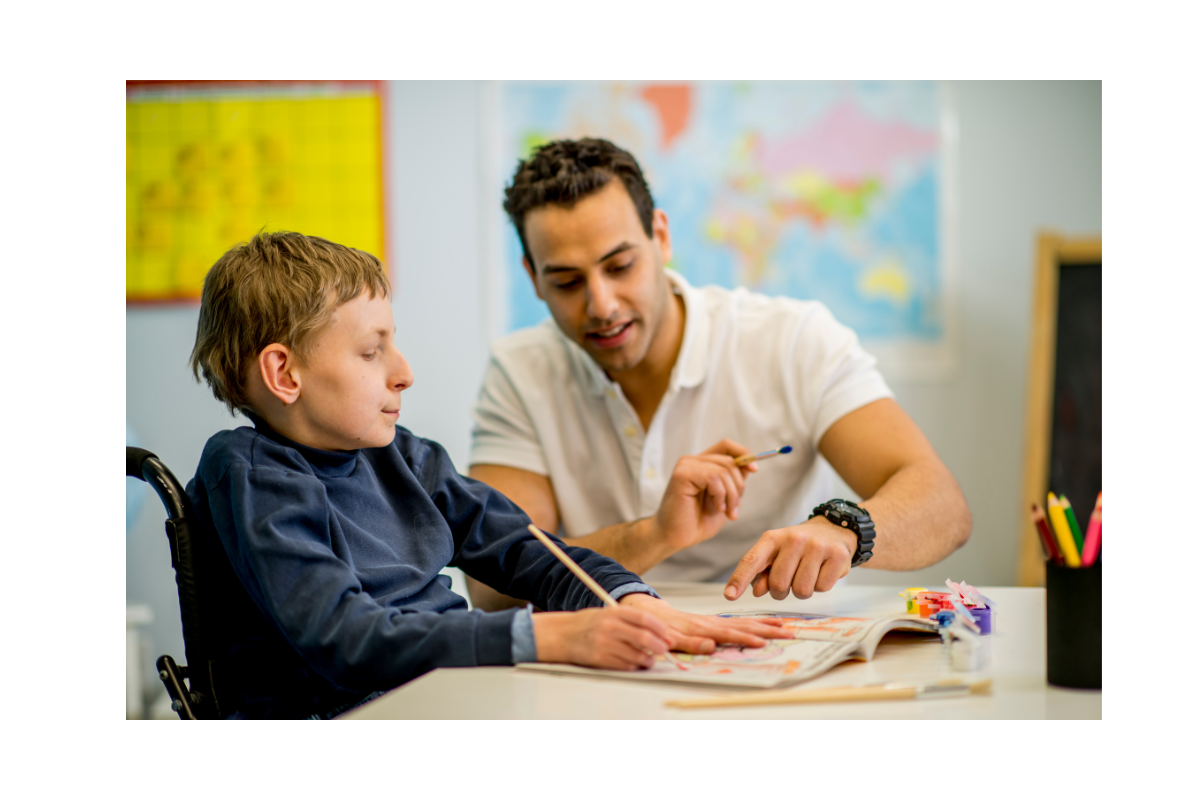
Developmental delay occurs when a child takes longer than expected to reach important milestones like speaking, walking, learning, or social interaction. While every child develops at their own pace, persistent delays may need early evaluation and intervention. In this article, let’s understand developmental delay symptoms, causes, treatment, and ways parents can support their child.
What Is Developmental Delay?
Developmental delay means a child reaches important milestones like speaking, walking, learning, or social interaction later than expected. Every child develops at their own pace, but when delays are significant or affect multiple areas of development, they may need medical evaluation and early intervention.
A developmental delay can affect speech and language, motor skills, learning, social behaviour, or daily living skills. With early diagnosis and the right therapies, many children make excellent progress and improve their overall development.
Types of Developmental Delay
Delays don’t show up the same way in every child. Doctors usually group them into five broad categories. A child might have a delay in just one area, or in more than one at the same time.
- Speech and language delay — small vocabulary, trouble forming sentences, difficulty understanding others.
- Motor skill delay — gross motor (sitting, walking, balance) or fine motor (holding a spoon, gripping a crayon).
- Cognitive delay — slower learning, problem-solving, and grasping basic concepts.
- Social and emotional delay — trouble reading emotions, avoiding eye contact, difficulty playing with peers.
- Adaptive or daily living skill delay — struggles with everyday independence like eating, dressing, or using the toilet.
Overlap between types is common it’s rarely just one clean category.
Developmental Milestones by Age
Milestones are not rigid checklists they’re general windows. Most children hit them within a range. But when a child is consistently outside that range across multiple areas, it’s worth investigating.
Here’s what typical development looks like:
- By 3–4 months — smiling socially, responding to voices, holding head up briefly
- By 6 months — rolling over, babbling, reaching for objects
- By 9 months — sitting without support, responding to their name
- By 12 months — standing with support, first words beginning to appear, basic gestures like waving
- By 2 years — speaking in simple two-word phrases, following basic instructions, recognising familiar people
- By 3–4 years — playing with other children, identifying colours and shapes, speaking in sentences
Missing one milestone occasionally is common. Missing several, consistently, across different areas that’s when a specialist’s opinion matters.
Symptoms of Developmental Delay
Developmental delays don’t always look the same. They show up differently depending on which area of development is affected:
- Speech and language Not talking at an expected age, unable to form simple sentences, difficulty expressing basic needs, or being significantly harder to understand than other children the same age.
- Motor skills Not sitting independently by 9 months, not walking by 18 months, difficulty with coordination, struggling with tasks like holding a pencil, drawing, or using utensils — things that require fine motor control.
- Social and emotional development Difficulty interacting with peers, avoiding eye contact, unable to play alongside or with other children, struggling to express or read emotions in age-appropriate ways.
- Any one of these areas, if significantly behind, is worth discussing with a paediatrician. When multiple areas are affected together, early evaluation becomes urgent.
Causes of Developmental Delay
Developmental delays can happen for many reasons and in some children, no clear cause is ever found. Known contributing factors include:
- Premature birth — the earlier a baby is born, the more likely some developmental areas will need extra time and support
- Low birth weight — linked to higher rates of developmental challenges across multiple domains
- Birth complications — oxygen deprivation or trauma during delivery can affect brain development
- Genetic disorders — conditions like Down syndrome, Fragile X, or chromosomal abnormalities
- Hearing or vision problems — a child who can’t hear well will fall behind in speech and language. This is why hearing tests matter early
- Nutritional deficiencies — iron, iodine, and other deficiencies in early childhood affect brain development directly
- Neurological disorders — conditions affecting the brain and nervous system
- Environmental factors — chronic stress, neglect, lack of stimulation, or exposure to toxins like lead in early years can all impact development
In many cases, treating the root cause a hearing problem, a nutritional deficiency is what changes how a child develops from that point.
Diagnosis of Developmental Delay
There’s no single test that diagnoses developmental delay. It’s a process that pieces together information from multiple sources:
- Medical history The doctor will ask about the pregnancy, birth, early illnesses, family history of developmental conditions, and the home environment. Details that seem unrelated often turn out to be relevant.
- Developmental screening Standardised tools that compare a child’s skills in language, movement, social interaction, and cognition to what’s typical for their age. This isn’t a pass/fail test. It’s a map of where a child is relative to expected development.
- Comprehensive evaluation If screening raises concerns, a fuller assessment follows physical examination, speech and hearing tests, cognitive assessment, and in some cases, genetic testing or neurological investigations. This is usually done by a team that may include a developmental paediatrician, psychologist, speech therapist, and occupational therapist.
Treatment Options for Developmental Delay
There’s no single treatment because developmental delay isn’t a single condition. The right intervention depends on what’s causing the delay and which areas are affected.
- Speech therapy For children with language delays, a speech therapist works on communication not just spoken words, but understanding language, expressing needs, and building social communication skills. Sessions are tailored to the child’s specific profile.
- Occupational therapy Addresses fine motor skills, sensory processing, and the everyday tasks children need to manage independently holding a pencil, getting dressed, eating with utensils. An occupational therapist assesses what’s difficult and builds targeted exercises around it.
- Physical therapy For children with gross motor delays sitting, standing, walking, coordination a physiotherapist helps strengthen muscles and improve movement patterns.
- Behavioural therapy For children with emotional or social challenges alongside developmental delays, behavioural approaches help build coping skills, reduce difficult behaviours, and improve social interaction.
- Early intervention programs Structured programs that combine educational support, therapy, and family counselling into a coordinated plan. Research consistently shows that starting before age 5 produces better outcomes than waiting.
- Special education support For school-age children, modified learning environments and support from trained special educators help children access the curriculum at a pace that works for them.
Strategies for Parents
What parents do at home matters as much as what happens in therapy sessions:
- Play with intention — play is how young children learn. Activities that involve building, sorting, pretending, and talking all stimulate development across multiple domains simultaneously
- Set realistic, achievable goals — celebrate the small steps. A child who couldn’t say two words yesterday and says three today has made real progress, even if it doesn’t look dramatic
- Build a support network — connect with other parents of children with developmental delays. The practical advice, emotional support, and shared resources from people who genuinely understand the experience are invaluable
- Stay consistent — therapy works best when the strategies are reinforced at home every day, not just during sessions
Possible Complications If Left Untreated
Delays that go unaddressed for too long can compound over time. A child with an untreated speech delay may struggle more in school, since reading and writing depend heavily on language skills. Motor delays left unmanaged can affect a child’s confidence in physical activities. Social-emotional delays, if ignored, sometimes make it harder to build friendships as they grow older.
This isn’t meant to scare you it’s why early evaluation matters so much. The first few years are often called a “window of opportunity” for brain development. Acting early shapes how much support your child needs later.
When Should Parents See a Doctor?
Don’t wait to see if a child “grows out of it.” Seek a paediatrician or developmental specialist’s opinion if your child:
- Is consistently missing milestones across speech, movement, or social development
- Has lost skills they previously had =this always warrants urgent evaluation
- Is significantly harder to understand than other children the same age
- Avoids eye contact, doesn’t respond to their name, or shows little interest in interacting with people
- Is struggling in school in ways that don’t improve with extra help at home
You can also book an online pediatric consultation through HealthPil without waiting weeks for an in-person appointment. Early evaluation is always better than a delayed one.
How HealthPil Can Help
HealthPil connects you with developmental paediatricians and specialists who can properly assess where your child is, identify what kind of support they need, and guide you through the process from first evaluation to long-term intervention planning.
Summary
Developmental delay affects speech, movement, learning, and social development in children. It can result from premature birth, genetic disorders, hearing or vision problems, nutritional deficiencies, neurological conditions, or environmental factors. Diagnosis involves medical history, developmental screening, and comprehensive evaluation by a specialist team. Treatment options include speech therapy, occupational therapy, physical therapy, behavioural therapy, early intervention programs, and special education support. Parents play a critical role through intentional play, consistency at home, and building a support network. If your child is consistently missing milestones or losing previously acquired skills, seek evaluation early. Book an online pediatric consultation through HealthPil today.
FAQs
What are the early signs of developmental delay in children?
Early signs may include delayed speech, difficulty sitting or walking, poor eye contact, trouble following instructions, and challenges with social interaction compared to children of the same age.
What causes developmental delays in children?
Developmental delays can occur due to premature birth, low birth weight, genetic conditions, birth complications, hearing or vision problems, nutritional deficiencies, or neurological disorders.
Can developmental delays improve with treatment?
Yes, many children show significant improvement with early intervention programs such as speech therapy, occupational therapy, physical therapy, and behavioral therapy.
When should parents consult a doctor for developmental delays?
Parents should consult a pediatrician if their child misses multiple milestones, has delayed speech, struggles with movement, or shows difficulties in learning and social interaction.
Can I book an online consultation for developmental delays?
Yes, parents can book an online pediatric consultation to discuss developmental concerns and get expert guidance on diagnosis and treatment options.
What happens if developmental delay is left untreated?
Untreated delays can affect learning, school performance, social relationships, and a child’s confidence over time. Early evaluation and therapy help reduce these long-term effects.
What are the main types of developmental delay?
The five main types are speech and language delay, motor skill delay, cognitive delay, social and emotional delay, and adaptive or daily living skill delay.
References
- Khan I, Leventhal BL. Developmental Delay. StatPearls Publishing. Available at:
NCBI Bookshelf - Juneja M, et al. Diagnosis and Management of Global Developmental Delay. Available at:
PubMed
Disclaimer:
This information is not intended to replace professional medical advice. Always consult a healthcare provider for diagnosis and treatment options.

Read our editorial policy