
Close Menu

    Subscribe to Updates

    Get the latest creative news from FooBar about art, design and business.

    Consent(Required)

    What's Hot

    Food Poisoning and Gastroenteritis Symptoms, Treatment & Prevention Guide

    May 6, 2026

    Hyperhidrosis (Excessive Sweating): Causes, Types, and Treatment Options

    May 1, 2026

    Muscle Cramps: Causes, Treatment, and When to See a Neurologist

    April 20, 2026
    Facebook X (Twitter) Instagram
    Facebook X (Twitter) Instagram YouTube
    Healthpil
    +91 962 596 0259 Book Appointment
    • Home
    • Ask Doubts
    • About
    • Consult Doctors
    • Medicine A to Z
      • Drugs A to Z
      • Diagnostics A to Z
    • Explore
      1. Healthpil Originals
      2. Health Gatha
      3. White Coat Chronicles
      4. Myth vs. Medicine
      5. Teen Talk Unfiltered
      6. Medical Specialities
      7. Hindi
      8. View All
      9. View All

      Are Herbal Supplements Hurting Your Kidneys? What You Need to Know

      September 18, 2025

      Is Your Herbal Medicine Bad for Your Heart?

      September 18, 2025

      Are Herbal Supplements Messing Up Your Digestive Health?

      September 17, 2025

      Can Ayurvedic and TCM herbs Harm Your Lungs? The Respiratory Risks of Traditional Medicine

      September 17, 2025

      Are Herbal Supplements Hurting Your Kidneys? What You Need to Know

      September 18, 2025

      Is Your Herbal Medicine Bad for Your Heart?

      September 18, 2025

      Are Herbal Supplements Messing Up Your Digestive Health?

      September 17, 2025

      Can Ayurvedic and TCM herbs Harm Your Lungs? The Respiratory Risks of Traditional Medicine

      September 17, 2025

      Are Herbal Supplements Hurting Your Kidneys? What You Need to Know

      September 18, 2025

      Is Your Herbal Medicine Bad for Your Heart?

      September 18, 2025

      Are Herbal Supplements Messing Up Your Digestive Health?

      September 17, 2025

      Can Ayurvedic and TCM herbs Harm Your Lungs? The Respiratory Risks of Traditional Medicine

      September 17, 2025

      Are Herbal Supplements Hurting Your Kidneys? What You Need to Know

      September 18, 2025

      Is Your Herbal Medicine Bad for Your Heart?

      September 18, 2025

      Are Herbal Supplements Messing Up Your Digestive Health?

      September 17, 2025

      Can Ayurvedic and TCM herbs Harm Your Lungs? The Respiratory Risks of Traditional Medicine

      September 17, 2025

      Are Herbal Supplements Hurting Your Kidneys? What You Need to Know

      September 18, 2025

      Is Your Herbal Medicine Bad for Your Heart?

      September 18, 2025

      Are Herbal Supplements Messing Up Your Digestive Health?

      September 17, 2025

      Can Ayurvedic and TCM herbs Harm Your Lungs? The Respiratory Risks of Traditional Medicine

      September 17, 2025

      Are Herbal Supplements Hurting Your Kidneys? What You Need to Know

      September 18, 2025

      Is Your Herbal Medicine Bad for Your Heart?

      September 18, 2025

      Are Herbal Supplements Messing Up Your Digestive Health?

      September 17, 2025

      Can Ayurvedic and TCM herbs Harm Your Lungs? The Respiratory Risks of Traditional Medicine

      September 17, 2025

      Are Herbal Supplements Hurting Your Kidneys? What You Need to Know

      September 18, 2025

      Is Your Herbal Medicine Bad for Your Heart?

      September 18, 2025

      Are Herbal Supplements Messing Up Your Digestive Health?

      September 17, 2025

      Can Ayurvedic and TCM herbs Harm Your Lungs? The Respiratory Risks of Traditional Medicine

      September 17, 2025

      Are Herbal Supplements Hurting Your Kidneys? What You Need to Know

      September 18, 2025

      Is Your Herbal Medicine Bad for Your Heart?

      September 18, 2025

      Are Herbal Supplements Messing Up Your Digestive Health?

      September 17, 2025

      Can Ayurvedic and TCM herbs Harm Your Lungs? The Respiratory Risks of Traditional Medicine

      September 17, 2025

      Are Herbal Supplements Hurting Your Kidneys? What You Need to Know

      September 18, 2025

      Is Your Herbal Medicine Bad for Your Heart?

      September 18, 2025

      Are Herbal Supplements Messing Up Your Digestive Health?

      September 17, 2025

      Can Ayurvedic and TCM herbs Harm Your Lungs? The Respiratory Risks of Traditional Medicine

      September 17, 2025
    • Contact Us
    Healthpil
    Home»Brain and Nerve Health»Autoimmune Encephalitis Symptoms: Causes, Treatment & Early Warning Signs
    Brain and Nerve Health

    Autoimmune Encephalitis Symptoms: Causes, Treatment & Early Warning Signs

    Dr. Ayesha Ayub ShaikhBy Dr. Ayesha Ayub ShaikhNovember 10, 2024Updated:May 30, 2026No Comments10 Mins Read
    Facebook Twitter WhatsApp Email
    Autoimmune encephalitis
    Share
    Facebook Twitter Email

    Autoimmune encephalitis is a rare condition in which the body’s immune system mistakenly attacks the brain, leading to symptoms such as memory problems, confusion, behavioural changes, seizures, and difficulty speaking. Because these symptoms can develop rapidly and may resemble psychiatric or neurological disorders, early diagnosis is important for timely treatment.

    In this article, we will discuss the symptoms of autoimmune encephalitis, its causes, diagnosis, treatment options, and the warning signs that should not be ignored. Understanding these symptoms can help patients and families seek medical care at the right time.

    Table of Content hide
    What is autoimmune encephalitis?
    Early Symptoms of Autoimmune Encephalitis
    Symptoms of Autoimmune Encephalitis: What to Look For
    Causes of Autoimmune Encephalitis
    Risk Factors of Autoimmune Encephalitis
    How Is Autoimmune Encephalitis Diagnosed?
    Treatment: How to Fight Back Against Autoimmune Encephalitis
    Complications of Autoimmune Encephalitis
    Autoimmune Encephalitis Recovery Time
    Prognosis: Can Autoimmune Encephalitis Be Reversed?
    When to See a Doctor
    How to Care for a Patient with Autoimmune Encephalitis
    Prevention of Autoimmune Encephalitis
    How HealthPil Can Help:
    Summary
    FAQ
    References

    What is autoimmune encephalitis?

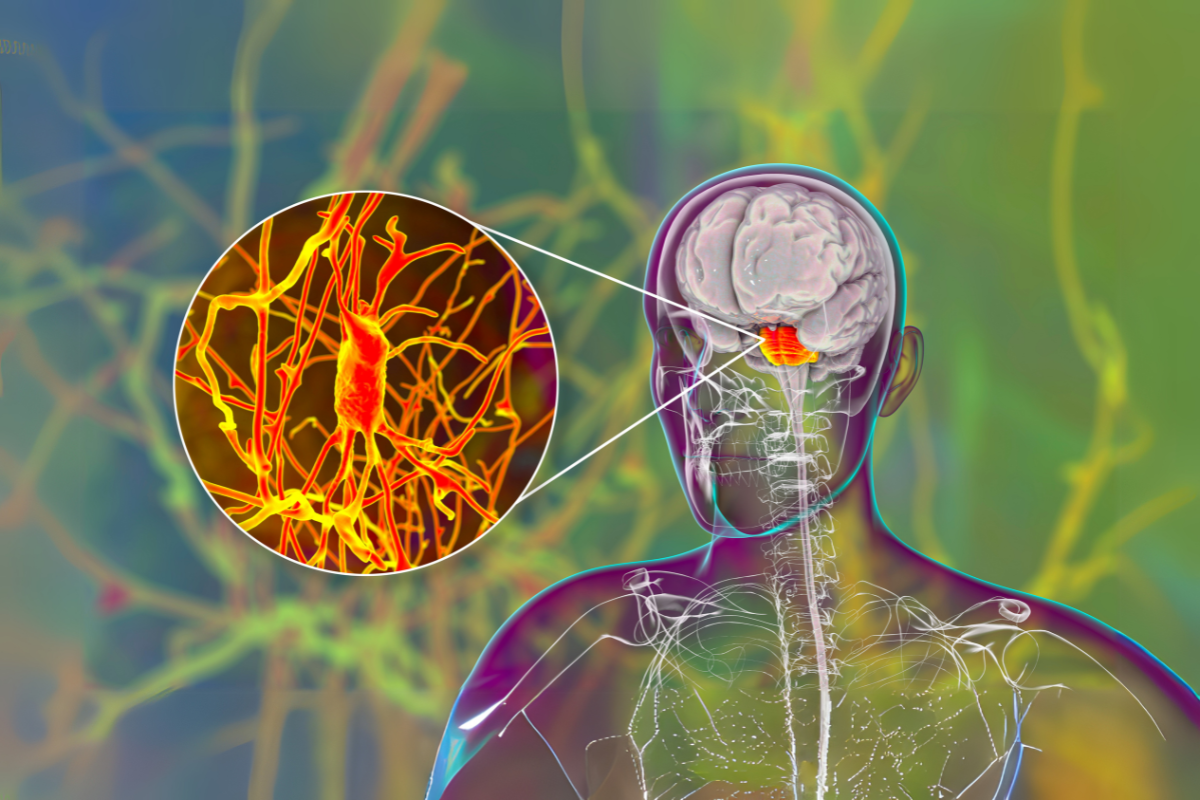
    A dangerous neurological disorder known as autoimmune encephalitis occurs when the body’s immune system unintentionally attacks the brain. The brain’s regular processes may be disrupted, and inflammation may result from this attack, which could cause sudden and drastic changes in memory, thinking, and behaviour. 

    The condition is relatively rare but extremely dangerous if not recognised and treated promptly. As a neurologist, I’ve witnessed the rapid progression of autoimmune encephalitis, where patients can go from normal function to being unable to speak, move, or recognise loved ones in a matter of days.
    Consult Neurologist for Autoimmune Encephalitis

    Early Symptoms of Autoimmune Encephalitis

    Early symptoms of autoimmune encephalitis include memory loss, confusion, mood changes, anxiety, and difficulty speaking. These symptoms may start gradually but can worsen quickly if not treated early.

    Symptoms of Autoimmune Encephalitis: What to Look For

    The symptoms of autoimmune encephalitis can vary greatly depending on the part of the brain affected, but common signs include:

    • Cognitive Dysfunction: Memory loss, confusion, and difficulty thinking clearly or following conversations.
    • Psychiatric Symptoms: Unexplained mood swings, anxiety, paranoia, and even psychosis (e.g., hallucinations or delusions).
    • Seizures: Sudden onset of seizures, which can occur without warning.
    • Movement Problems: Difficulty speaking, involuntary movements, or abnormal gait (walking).
    • Fluctuating Consciousness: A person may have difficulty staying awake, be unusually drowsy, or exhibit periods of confusion.
    • Autonomic Dysfunction: Symptoms like irregular heart rate, low blood pressure, or breathing problems can occur in severe cases.

    These symptoms may develop gradually, or they can appear suddenly. Because the symptoms can resemble psychiatric disorders or other neurological conditions, the diagnosis is often delayed, which is why early recognition is critical to avoid permanent damage.

    Causes of Autoimmune Encephalitis

    Autoimmune encephalitis causes include an abnormal immune response where the immune system attacks the brain. This condition may be triggered by infections, tumors, or unknown factors that lead to brain inflammation.

    Risk Factors of Autoimmune Encephalitis

    Risk factors of autoimmune encephalitis include autoimmune disorders, recent infections, underlying tumors, and genetic susceptibility. Individuals with conditions like lupus or weakened immune systems may have a higher risk.

    How Is Autoimmune Encephalitis Diagnosed?

    Neurologists diagnose probable cases of autoimmune encephalitis using a variety of methods.

    1. Medical History and Clinical Examination:

    The first step is to review the patient’s symptoms and medical history. We look for signs such as:

    • Recent infections (e.g., viral illnesses that may trigger an immune response).
    • New onset psychiatric symptoms or unexplained cognitive decline.

    2. Blood Tests and Antibody Screening:

    The detection of autoantibodies in the blood that target certain brain receptors is an important diagnostic step in blood tests and antibody screening. The following antibodies are commonly linked to autoimmune encephalitis:

    • Anti-NMDA receptor antibodies: Often associated with anti-NMDA receptor encephalitis, which is a common form of autoimmune encephalitis.
    • Anti-LGI1 and Anti-CASPR2 antibodies: Linked to other types of autoimmune encephalitis.

    These antibodies are often the first clue pointing to an autoimmune cause, as they are not typically found in other conditions.

    3. Lumbar Puncture (Spinal Tap):

    A lumbar puncture to collect cerebrospinal fluid (CSF) is done to assess for inflammation and immune activation in the brain. In autoimmune encephalitis, the CSF typically shows:

    • Elevated white blood cells (a sign of inflammation).
    • Elevated protein levels.
    • Normal glucose (distinguishing it from infections like meningitis).

    4. Neuroimaging (MRI/CT Scan):

    Any abnormalities in the brain caused by inflammation can be found with the help of an MRI scan. But, since MRI results in autoimmune encephalitis can often be normal, they are mostly used to rule out other possible causes, such as stroke or malignancies. 

    5. Electroencephalogram (EEG):

    EEG can be useful for detecting seizure activity, which is common in autoimmune encephalitis. It can help distinguish autoimmune encephalitis from other causes of seizures or altered mental status.

    Treatment: How to Fight Back Against Autoimmune Encephalitis

    Early intervention is important in treating autoimmune encephalitis. If you don’t get it treated, it can lead to permanent brain damage, severe cognitive deficits, or even death. The main goals of treatment are to help the patient’s recovery while controlling the immune system’s attack on the brain.

    1. Immunotherapy:

    The cornerstone of treatment for autoimmune encephalitis is immunotherapy, which aims to suppress the immune system’s abnormal response.

    • High dose corticosteroids (e.g., methylprednisolone) are often the first-line treatment to reduce inflammation.
    • Plasmapheresis (plasma exchange) is used to remove harmful antibodies from the blood, especially in severe cases.
    • Intravenous immunoglobulin (IVIg) therapy is another option, providing healthy antibodies to regulate the immune system.

    2. Seizure Control:

    If the patient is having seizures, antiepileptic medications (e.g., levetiracetam or valproic acid) are used to control them and prevent further brain damage.

    3. Supportive Care:

    In addition to specific treatments for the immune system, supportive care is essential:

    • Antipsychotic medications may be prescribed for severe psychiatric symptoms like agitation or delusions.
    • Cognitive and physical therapy help patients recover cognitive functions and regain mobility.

    4. Treatment for Underlying Triggers:

    If an infection or cancer is suspected to be triggering the autoimmune response, that condition must be treated as well.

    Complications of Autoimmune Encephalitis

    If left untreated, autoimmune encephalitis can lead to brain damage complications, seizures, memory loss, and long-term complications affecting cognitive and physical functions.

    Autoimmune Encephalitis Recovery Time

    Recovery time depends on early diagnosis and treatment. Mild cases may recover within weeks, while severe cases can take months and may require rehabilitation and ongoing care.

    Prognosis: Can Autoimmune Encephalitis Be Reversed?

    With early treatment, many patients experience significant recovery. However, the severity of the brain damage and the quickness at which treatment is started decide how much recovery is possible. 

    • Mild to moderate cases: Many patients recover well, though it can take months of treatment and therapy.
    • Severe cases: Some patients may experience long-term cognitive and psychiatric symptoms, even after the infection has been treated.

    When to See a Doctor

    You should seek immediate medical attention or consult a doctor if you experience:

    • Sudden memory loss or confusion
    • Seizures or unusual body movements
    • Difficulty walking or loss of coordination
    • Changes in behavior, mood, or personality
    • Difficulty speaking or understanding speech
    • Loss of consciousness or extreme drowsiness

    These symptoms may indicate inflammation in the brain and require urgent evaluation. Delaying treatment can increase the risk of serious complications, including long-term neurological damage.

    If symptoms are severe or rapidly worsening, it is important to consult a neurologist immediately. Through online doctor consultation, you can quickly discuss your symptoms and understand the next steps for diagnosis and treatment.

    How to Care for a Patient with Autoimmune Encephalitis

    Caring for a loved one with autoimmune encephalitis can be overwhelming, especially since the symptoms can fluctuate and cause significant distress. Here’s how to help:

    1. Monitor Symptoms:

    Watch for changes in behaviour, memory, and alertness. Any worsening of confusion, seizures, or physical function should be reported to a healthcare provider immediately.

    2. Support Mental Health:

    Patients may feel confused or have mood changes. Support them emotionally and with encouragement as they heal.

    3. Encourage Rehabilitation:

    Cognitive therapy and physical rehabilitation are essential to recovery. Encourage the patient so that they participate in therapy to help regain their strength and cognitive abilities.

    4. Medication Adherence:

    Ensure that the patient takes all prescribed medications regularly to manage inflammation, seizures, and psychiatric symptoms.

    Prevention of Autoimmune Encephalitis

    While autoimmune encephalitis is not always preventable, maintaining a healthy lifestyle, managing infections early, and regular medical checkups can help reduce the risk.

    How HealthPil Can Help:

    At HealthPil, we understand how frightening autoimmune encephalitis can be. Our neurologists specialise in early diagnosis and tailored treatment. For autoimmune encephalitis We provide online neurologist consultation in India, allowing you to connect with experienced specialists through neurologist teleconsultation without visiting a clinic.

    If you are experiencing symptoms of autoimmune encephalitis, don’t wait. Consult a neurologist online and get expert diagnosis from the comfort of your home. Book a neurologist appointment online today and start your treatment early.

    Summary

    Autoimmune encephalitis is a serious condition in which the body’s immune system attacks the brain, causing inflammation and sudden changes in memory, behavior, and thinking. Early symptoms like confusion, mood changes, seizures, and difficulty speaking can worsen quickly if not treated on time.

    Timely diagnosis and treatment are crucial to prevent complications and long-term brain damage. If you notice these warning signs, it is important to consult a doctor or neurologist early for proper evaluation and care.

    Consult Neurologist for Autoimmune Encephalitis

    FAQ

    What are the early symptoms of autoimmune encephalitis?

    Early symptoms include memory loss, confusion, mood changes, anxiety, and difficulty speaking. These signs may appear gradually but can worsen quickly, so early medical evaluation is important.

    Is autoimmune encephalitis a serious condition?

    Yes, autoimmune encephalitis is a serious and potentially life-threatening brain condition. If not treated on time, it can lead to seizures, severe brain inflammation, long-term neurological damage, or complications.

    What causes autoimmune encephalitis?

    Autoimmune encephalitis occurs when the immune system mistakenly attacks the brain. It can be triggered by infections, tumors, or underlying autoimmune disorders, although in some cases the exact cause is unknown.

    Can autoimmune encephalitis be cured or reversed?

    With early diagnosis and proper treatment, many patients can recover significantly. However, recovery time depends on how quickly treatment is started and the severity of the condition.

    Can I consult a doctor online for autoimmune encephalitis symptoms?

    Yes, you can consult a doctor online if you notice symptoms like confusion, seizures, or sudden behavioral changes. Through online doctor consultation, you can quickly get medical advice and understand whether urgent care or specialist evaluation is needed. You can also consult a neurologist online for proper diagnosis and treatment guidance.

    References

    1. Jammoul A, Mohammad SS, Pillai SC. Autoimmune Encephalitis. StatPearls Publishing. Available at:
      NCBI Bookshelf
    2. Great Ormond Street Hospital (GOSH). Autoimmune Encephalitis. Available at:
      GOSH NHS
    3. Abboud H, Probasco JC, Irani S, et al. Autoimmune encephalitis: proposed best practice recommendations for diagnosis and acute management. Practical Neurology. Available at:
      BMJ Practical Neurology

    Disclaimer:

    This article is for informational purposes only and should not be considered medical advice. Always seek immediate medical attention if you suspect autoimmune encephalitis or any other neurological condition.

    Dr. Ayesha Ayub Shaikh
    Written By Dr. Ayesha Ayub Shaikh
    Dr. Rahul Chawla
    Reviewed By Dr. Rahul Chawla
    Last Updated 30 May 2026
    We provide you with authentic, trustworthy and relevant information.
    Want to know more
    autoimmune encephalitis autoimmune encephalitis diagnosis autoimmune encephalitis symptoms autoimmune encephalitis treatment
    Share. Facebook Twitter WhatsApp Email
    Previous ArticlePeripheral Neuropathy Symptoms: Causes, Treatment & When to See a Doctor
    Next Article Muscle Weakness: Symptoms, Causes, Diagnosis & Treatment Guide

    Related Articles

    Online Workshop on Migraine Treatment by Neurologist Dr Rahul Chawla

    December 3, 2025 Brain and Nerve Health

    Parkinson’s Disease Symptoms, Causes & Treatment

    August 27, 2025 Brain and Nerve Health

    Guillain Barre Syndrome Symptoms, Causes & Treatment | Early Signs

    February 10, 2025 Brain and Nerve Health

    Multiple Sclerosis Symptoms, Causes & Treatment | Early Signs Guide

    January 16, 2025 Brain and Nerve Health
    Leave A Reply Cancel Reply

    1 × 2 =

    I agree to the terms and privacy policy.

    Disclaimer: Please avoid sharing personal health details in comments. Comments are public and moderated. For private health queries, use the Ask A Doubt section. By commenting, you agree to our Privacy Policy.

    Health and Wellness

    Child Safety and Online Predators: Why parents should think twice before posting children’s photos and videos on social media!

    November 11, 2025

    Fake ORS Banned by FSSAI: Why a Pediatrician Fought an 8-Year Battle to Stop Sugary Drinks Mislabelled as “ORS”?

    October 24, 2025

    Are Herbal Supplements Hurting Your Kidneys? What You Need to Know

    September 18, 2025

    Is Your Herbal Medicine Bad for Your Heart?

    September 18, 2025
    Connect with Us
    • Facebook
    • Instagram
    • YouTube
    • Twitter
    Don't Miss

    Child Safety and Online Predators: Why parents should think twice before posting children’s photos and videos on social media!

    Every parent loves to capture those little moments — the first step, the first day…

    Fake ORS Banned by FSSAI: Why a Pediatrician Fought an 8-Year Battle to Stop Sugary Drinks Mislabelled as “ORS”?

    October 24, 2025

    Why Asthma Attacks are on the Rise: Unseen Influence of Air Pollution!

    May 26, 2025

    Stroke and Air Pollution: Is Your Environment Putting You at Risk?

    May 26, 2025

    Subscribe to Updates

    Get the latest creative news from SmartMag about art & design.

    Consent(Required)

    About Us
    About Us

    HealthPil: Get Your Daily Dose of Trusted Health Advice– Consult a Doctor Anytime, Anywhere!
    We're accepting new partnerships right now.

    Facebook X (Twitter) Instagram YouTube
    Contact Us
    EmailEmail Us:
    contact@healthpil.com
    whatsappContact:
    +91 962 596 0259
    Specialties
    • Neurology
    • Cardiology
    • Psychiatry
    • Orthopedics
    • Gynaecology
    • Pediatrics
    • Neurosurgery
    • Neurosurgery
    • Ophthalmology
    • ENT
    • Oncology
    Quick Links
    • Home
    • About
    • Blog
    • Ask Doubts
    • Consult Doctors
    • Contact Us
    • Disclaimer
    • Privacy Policy
    • Terms and Conditions

    Type above and press Enter to search. Press Esc to cancel.

    Book Appointment
    Copyright © 2026 HealthPil. All Rights Reserved.