

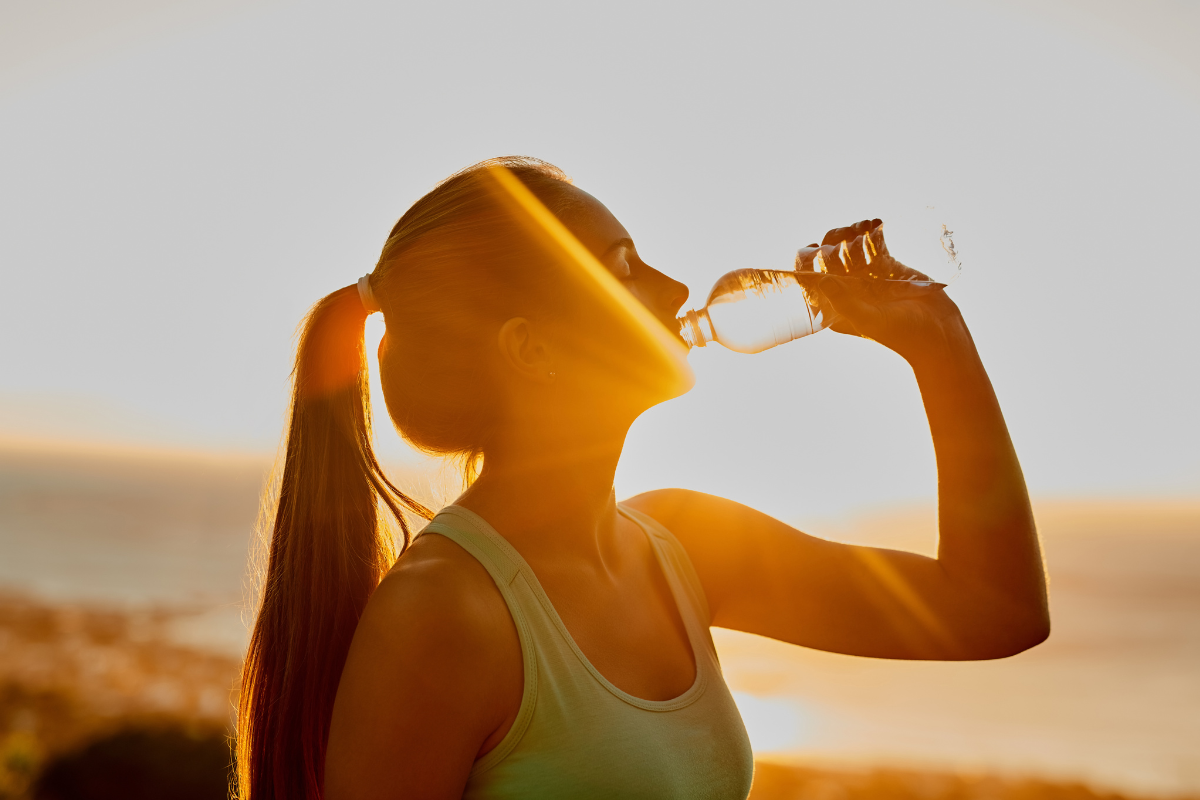
Life depends on water; however, hydration has become a myth-filled subject. Do you require eight glasses of water every day? Does drinking coffee cause dehydration for you? Additionally, how can you tell if you’re drinking enough? This article will discuss the science of hydration, dispel common myths, and offer practical advice on how to effectively meet your water needs.
What is Hydration?
Hydration is the process of maintaining the right balance of fluids in the body to support normal bodily functions. It is not just about drinking water but also replacing fluids and electrolytes lost through sweating, urination, breathing, and physical activity. Proper hydration helps regulate body temperature, transport nutrients, remove waste, support digestion, and keep organs functioning efficiently.
Why Hydration Is Important?
About 60% of an adult’s weight is made up of water, which is essential for:
1. Cellular Function Water transports nutrients to cells and removes waste products.
2. Temperature Regulation Sweating helps the body maintain optimal temperature.
3. Joint Lubrication Synovial fluid, which cushions joints, is water-based.
4. Cognitive Performance Even mild dehydration impairs memory, focus, and mood.
5.Skin Health Well-hydrated skin looks fuller and feels less dry. Chronic mild dehydration can make skin appear duller over time
How Does Water Help Your Body?
Water plays a vital role in almost every function of the body. It carries oxygen and nutrients to cells, supports healthy digestion, cushions joints, regulates body temperature, removes waste through urine and sweat, and helps maintain electrolyte balance. Staying well hydrated also improves concentration, energy levels, and overall physical performance.
How Much Water Do You Need?
The widely cited “8 glasses a day” rule is oversimplified. Hydration needs vary based on the following:
- Age: Older adults may have reduced thirst sensitivity.
- Climate: Hot and humid weather increases water loss through sweat.
- Activity Level: Athletes require more fluids to replace sweat losses.
- Diet: High-protein, high-salt, or high-fiber diets require more water for digestion.
Recommendations:
A simpler way to estimate your personal need multiply your body weight in kilograms by 30 to 35 ml. So someone weighing 60 kg would aim for roughly 1.8 to 2.1 litres a day, before adjusting for exercise, heat, or illness. This isn’t a strict rule, but it’s a more personalised starting point than a flat “8 glasses” number.
- National Academy of Medicine:
- Women: 2.7 liters/day (11 cups).
- Men: 3.7 liters/day (15 cups).
- World Health Organization (WHO): Recommends including fluids from food sources like fruits and vegetables.
Factors That Affect Daily Water Intake
Daily water requirements vary from person to person. Factors such as age, body weight, climate, physical activity, pregnancy, breastfeeding, illness, and certain medical conditions can all affect hydration needs. People who exercise regularly, work outdoors, or live in hot climates generally require more fluids than those with a sedentary lifestyle.
Hydration Tips for Older Adults
Older adults often have a weaker thirst signal, which means they can be dehydrated without feeling thirsty at all. If appetite is also low, plain water alone might not feel appealing. In such cases, fluids with some nutritional value help more coconut water, milk, thin soups, or diluted fruit juice. Encouraging small sips throughout the day, rather than waiting for thirst, is the safest approach for elderly family members.
Hydration Myths Debunked:
Myth 1: “Each person must drink eight glasses of water every day.”
- Fact: Fluid needs vary. The “8 glasses” rule is a general guideline, not a one-size-fits-all recommendation.
Myth 2: “Caffeinated drinks dehydrate you.”
- Fact: Moderate caffeine consumption contributes to hydration. Only excessive amounts act as diuretics.
Myth 3: “A clear urine sample indicates that you are sufficiently hydrated.”
- Fact: While pale yellow indicates good hydration, obvious urine may signal overhydration.
Myth 4: “You should drink water only when thirsty.”
- Fact: Thirst often lags behind your body’s hydration needs, especially in older adults and athletes.
Best Time to Drink Water
Drinking water consistently throughout the day is more beneficial than consuming large amounts at once. Start your morning with a glass of water after waking up, drink water before and after exercise, and stay hydrated during hot weather or illness. Drinking water before meals may also support digestion and help prevent overeating.
If you’re exercising, timing matters even more. Aim for a glass of water about 30 minutes before starting, then small sips every 15 to 20 minutes during activity, especially if the workout crosses an hour. After finishing, continue rehydrating gradually rather than gulping a large amount at once steady replacement works better than a single big refill.
Signs of Dehydration:
Early signs of dehydration include thirst, dry mouth, fatigue, dizziness, headaches, muscle cramps, and dark yellow urine. Severe dehydration may cause confusion, rapid heartbeat, low blood pressure, and reduced urine output. Recognising these warning signs early can help prevent serious health complications.
- Dry mouth and chapped lips.
● Dark yellow urine.
● Fatigue and dizziness.
● Headaches and irritability.
● Severe cases: confusion, rapid heartbeat, and low blood pressure.
Can You Drink Too Much Water?
Yes, overhydration or water intoxication can occur, leading to hyponatremia (low sodium levels). Symptoms include nausea, headaches, and confusion. It’s rare but dangerous, especially among athletes who consume excessive water without replenishing electrolytes.
When Do You Need Electrolytes?
Water alone may not always be enough, especially after prolonged exercise, excessive sweating, vomiting, or diarrhoea. In these situations, replacing electrolytes such as sodium and potassium is equally important to maintain fluid balance and prevent dehydration. Oral rehydration solutions or electrolyte drinks may be beneficial when recommended by a healthcare professional.
Tips for Staying Hydrated:
Carrying a reusable water bottle, setting hydration reminders, and choosing water-rich foods such as watermelon, cucumber, oranges, and tomatoes can make it easier to meet your daily fluid needs. Limiting sugary drinks and excessive alcohol intake also supports better hydration.
1. Sip Throughout the Day
- Avoid drinking large amounts at once; small sips are more effective.
2. Incorporate Water-Rich Foods
- Cucumbers, watermelons, and oranges contribute to hydration.
3. Adjust for Exercise
- For workouts longer than an hour, include electrolyte-rich beverages.
4. Limit Alcohol
- Alcohol can cause dehydration since it is a diuretic.
5. Monitor Urine Color
- An excellent sign of hydration is pale yellow urine.
What Science Says About Hydration:
1. Cognitive Function
- A Journal of Nutrition (2018) study found that mild dehydration reduced cognitive performance, particularly in tasks requiring attention and memory.
2. Athletic Performance
- Research in Sports Medicine (2020) highlighted that even 2% dehydration could impair physical performance.
3. Chronic Disease Prevention
- Staying well-hydrated lowers the risk of constipation, kidney stones, and UTIs.
When Should You See a Doctor?
Most dehydration is mild and resolves with fluids at home. But seek medical attention if you or a family member has:
Confusion, extreme drowsiness, or difficulty staying awake
A rapid heartbeat or very low blood pressure
No urination for 8 hours or more
Persistent vomiting or diarrhoea that prevents keeping fluids down
Fainting or severe dizziness that doesn’t improve with rest and fluids
Signs of heat exhaustion despite adequate fluid intake
People with kidney disease, heart failure, diabetes, or recurrent kidney stones should get personalised hydration advice rather than relying on general guidelines, since their fluid needs can be quite different from a healthy adult’s.
If you’re unsure about your daily water needs, you can book an online consultation with a HealthPil doctor or dietitian for personalised hydration guidance.
How HealthPil Can Help:
At HealthPil, our experts provide personalised hydration plans tailored to your health and lifestyle. Whether you’re an athlete or managing a medical condition like kidney stones or diabetes, we offer science-backed advice to optimise your hydration.
Summary
Staying hydrated is important, but everyone’s requirements are different. You should be mindful of what your body requires to stay well-hydrated and stay away from myths that are quite common. Contact HealthPil for expert guidance, and we’ll work with you to enhance your well-being.
FAQs About Hydration
1. How many litres of water should I drink a day?
General guidance is around 2.7 litres a day for women and 3.7 litres for men, including fluids from food. But actual needs vary with body weight, activity level, and climate.
2. Does tea or coffee count towards daily water intake?
Yes, in moderation. Tea and coffee do contribute to fluid intake, but excessive caffeine can have a mild diuretic effect, so it’s best to balance them with plain water through the day.
3. Is thirst a reliable sign that I need water?
Not always. Thirst often lags behind the body’s actual hydration needs, especially in older adults and people during intense exercise. It’s better to drink water consistently rather than waiting to feel thirsty.
4. Can drinking too much water be harmful?
Yes, in rare cases. Overhydration can lead to hyponatremia, a dangerous drop in blood sodium levels. This is more common in athletes who drink excessive water without replacing electrolytes.
5. What color urine indicates good hydration?
Pale yellow urine generally indicates good hydration. Very dark yellow suggests you need more fluids, while completely clear urine repeatedly may indicate overhydration.
6. Do I need electrolyte drinks, or is water enough?
For most daily activities, water is enough. Electrolyte drinks or oral rehydration solutions become useful after heavy sweating, vomiting, diarrhoea, or prolonged intense exercise, when the body loses salts along with water.
References
Disclaimer:
This article is for informational purposes only and does not replace medical advice. Consult a healthcare provider for specific hydration-related concerns.

Read our editorial policy