

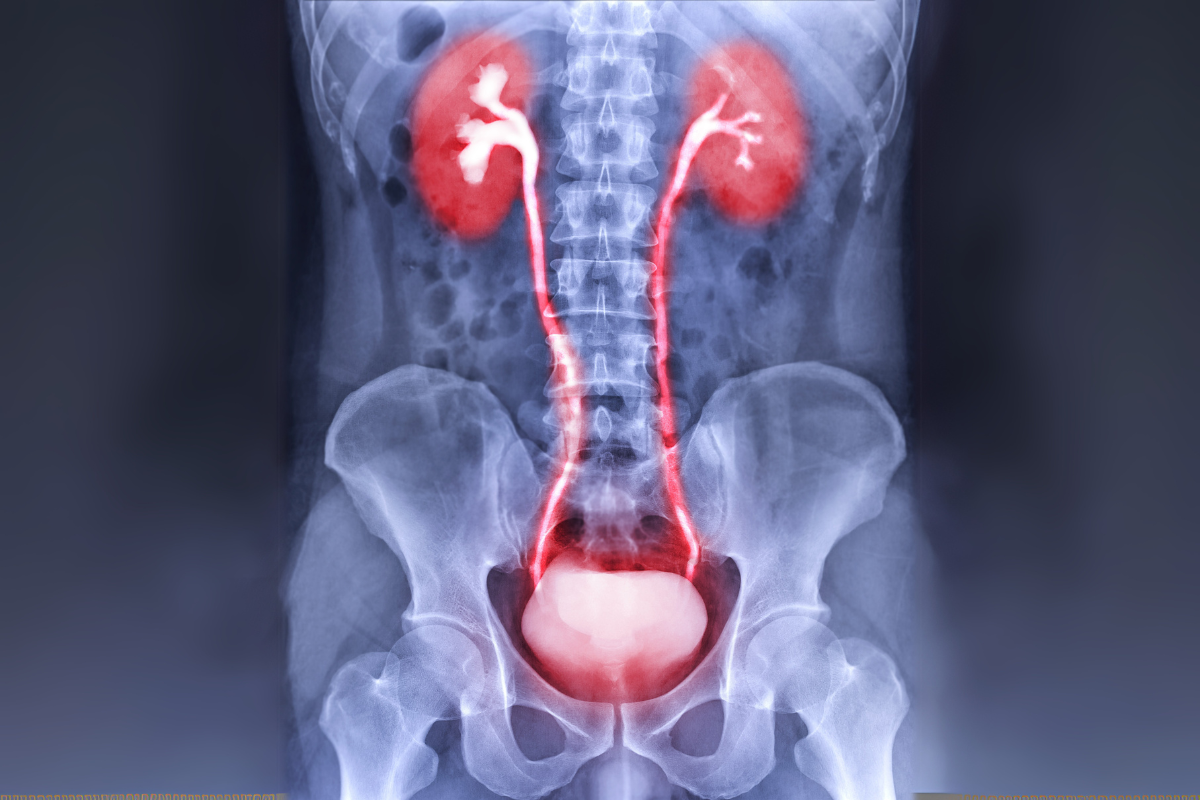
Does it burn every time you pee? Do you feel like you need to go to the bathroom every few minutes, even when nothing comes out? These could be signs of a urinary tract infection, often called a UTI. UTIs are one of the most common infections people get. They happen more often in women, but men can get them too. If they’re not treated, they can spread and turn into a serious kidney infection. This guide will walk you through what causes UTIs, how to spot the symptoms, and what you can do to treat and prevent them.
What Is a Urinary Tract Infection (UTI)?
A UTI happens when bacteria get into your urinary tract and start to grow. This usually starts at the urethra, the tube that carries urine out of your body. From there, bacteria can travel up and infect your bladder, and in more serious cases, your kidneys.
Most UTIs stay in the bladder. This is called cystitis. But if the infection travels further up, it can reach the kidneys. This is called pyelonephritis, and it’s much more serious. UTIs can range from mild discomfort to a real medical emergency, depending on how far the infection spreads.
Types of Urinary Tract Infections
Urinary tract infections can affect different parts of your urinary system. Where the infection happens changes how serious it is, and how it needs to be treated.
1. Lower Urinary Tract Infection
A lower UTI affects your bladder and urethra. A bladder infection is called cystitis. An infection of the urethra is called urethritis.
Common symptoms of a lower UTI include:
- Frequent urination
- A sudden, strong urge to urinate
- Painful urination, or a burning feeling when you pee
- Cloudy or strong-smelling urine
- Blood in the urine
- Discomfort in your lower belly or pelvic area
2. Upper Urinary Tract Infection
An upper UTI affects your kidneys and the tubes that connect them to your bladder (called ureters). A kidney infection is called pyelonephritis. This can happen when bacteria from a lower UTI travel up into the kidneys.
Symptoms of a kidney infection can include:
- Fever
- Chills
- Back pain or flank pain (pain on one side of your lower back)
- Nausea and vomiting
- Painful or frequent urination
A kidney infection needs medical care right away. If it’s left untreated, it can become very serious, very fast.
3. Simple and Complicated UTIs
Doctors also sort UTIs into two groups: simple and complicated.
A simple UTI usually just affects the bladder, and there’s no other health problem making it worse.
A complicated UTI is trickier. It might involve bacteria that don’t respond well to normal antibiotics, an infection that’s reached the kidneys, a physical problem in the urinary tract, a blockage, or another health condition making things harder to treat.
People who are pregnant, older, have a weak immune system, use a urinary catheter, or have a blockage in their urinary tract face a higher risk of getting a complicated UTI.
Causes and Risk Factors of UTIs
There’s rarely just one single cause of a UTI. It’s usually a mix of bacteria and something in your body or your habits that makes it easier for that bacteria to take hold.
- Bacterial infection: The most common cause of a UTI is a type of bacteria called E. coli. It normally lives in your gut, but if it enters your urethra, it can travel up and cause an infection.
- Poor hygiene: Wiping from back to front after using the toilet can move bacteria from the bowel area toward the urethra, giving it an easy path into your urinary tract.
- Urinary retention: Holding in your urine for a long time gives bacteria more time to sit and grow inside your bladder.
- Sexual activity: Bacteria can be pushed toward the urethra during sex. This is one reason why women who are sexually active tend to get UTIs more often.
- Underlying conditions: Health issues like pregnancy, diabetes, and kidney stones can all raise how often you get UTIs, since each one changes your body in a way that makes infection easier.
Other Risk Factors for UTIs
A few other things can raise your chances of getting a UTI:
- A previous UTI: If you’ve had one before, you’re more likely to get another.
- Urinary catheter use: A catheter gives bacteria a direct path into your urinary tract.
- Incomplete bladder emptying: If you can’t fully empty your bladder, leftover urine gives bacteria a place to grow.
- Menopause: Hormone changes after menopause can raise UTI risk in some women.
- Pregnancy: Changes in the urinary tract during pregnancy can make infections more likely.
- Enlarged prostate: In men, a bigger prostate can block normal urine flow and make it harder to fully empty the bladder.
- A weakened immune system: If your body’s defenses are lower, it’s harder to fight off bacteria before an infection sets in.
- Urinary tract blockages: Kidney stones or other blockages can stop urine from flowing freely, raising infection risk.
Symptoms of a UTI
Common UTI symptoms include:
- Painful urination (also called dysuria)
- A strong, frequent urge to urinate
- Cloudy urine or strong-smelling urine
- Pelvic pain or lower abdominal pain
- Back pain or fever, which can be a sign the infection has reached your kidneys
If you notice fever, chills, or pain in your back or side along with urinary symptoms, this could mean the infection has spread. Don’t wait get checked as soon as you can.
What Are Recurrent UTIs?
Some people get UTIs again and again. Doctors call this a recurrent UTI.
This can happen when an infection comes back after treatment, or when someone gets several separate infections over time. Things like a history of past UTIs, sexual activity, using spermicide, not fully emptying the bladder, urinary incontinence, or other urinary tract problems can all raise the risk of infections coming back.
If you keep getting UTIs, it’s important to see a doctor instead of just treating the symptoms on your own each time. A doctor may run a urine test and urine culture to find the exact bacteria causing it, and to check if there’s a deeper problem behind the repeat infections.
For people with recurrent UTIs, a doctor might suggest things like changing your birth control method, taking preventive medication in some cases, or treating an underlying urinary tract issue.
How Are UTIs Diagnosed?
Doctors usually diagnose a UTI by looking at your symptoms, asking about your health history, and testing your urine.
1. Urine Test
A sample of your urine is checked for white blood cells, red blood cells, and bacteria all signs that point to infection.
2. Urine Culture
A urine culture helps identify exactly which bacteria is causing your infection. This helps your doctor pick the right antibiotic, especially if your symptoms keep coming back or aren’t improving with the first treatment.
3. Imaging Tests
If you have recurrent or complicated UTIs, your doctor may want a closer look at your urinary tract using:
- Ultrasound
- CT scan
- MRI
- X-rays
These tests can help spot kidney stones, blockages, or other structural problems that might be behind your repeat infections.
4. Cystoscopy
A cystoscopy lets your doctor look directly inside your bladder and urethra using a thin tube with a tiny camera. This is usually only used when recurrent UTIs or other urinary problems need a closer, more direct look.
UTI Treatment: Antibiotics and Beyond
Completing Antibiotic Treatment
If your doctor prescribes antibiotics, take them exactly as directed, and finish the full course, even if you start feeling better after just a couple of days. Your symptoms can improve before the infection is actually fully gone.
Stopping antibiotics early, or using them without a doctor’s guidance, can lead to treatment failure and contributes to a bigger problem called antibiotic resistance where bacteria learn to survive the medicine that’s supposed to kill them.
Treatment for Complicated or Severe UTIs
Treatment depends on where the infection is and how bad it is. Complicated UTIs, kidney infections, or infections that don’t improve with the first round of antibiotics may need more testing and a different treatment plan.
If someone is seriously unwell, they may need to be treated in a hospital, with IV fluids and closer medical care, depending on how severe things are.
How to Get Rid of a UTI Fast
If you’re dealing with early UTI symptoms, here’s what genuinely helps speed up relief, alongside any treatment your doctor prescribes:
- See a doctor early. The sooner you start the right antibiotic, the faster your symptoms usually improve.
- Drink water steadily. This helps flush bacteria out of your system and dilutes your urine, which can ease the burning feeling.
- Don’t hold your urine. Go as soon as you feel the need to, so bacteria don’t get extra time sitting in your bladder.
- Use a heating pad. Gentle heat on your lower belly or back can ease cramping and discomfort while the antibiotics start working.
- Avoid bladder irritants. Skip coffee, alcohol, and spicy food for a few days, since these can make burning and urgency worse.
It’s worth being clear here: nothing at home can cure a bacterial UTI on its own. These steps ease discomfort and support recovery, but antibiotics are what actually clear the infection.
Home Remedies and Supportive Care for UTIs
Home care can help you feel more comfortable, but it should never replace medical treatment when antibiotics are needed.
Stay Hydrated
Drinking enough water helps keep urine flowing and may help flush bacteria out of your urinary tract. That said, if you have certain kidney or heart conditions, you may need to limit fluids always follow your doctor’s advice on this.
Urinate When You Need To
Try not to hold your urine for long stretches. Emptying your bladder regularly gives bacteria less time to sit and multiply.
Use Heat for Discomfort
A warm water bottle or warm cloth on your belly or back can ease some of the discomfort from a bladder or kidney infection.
Cranberry Juice for UTI
Cranberry juice is one of the most talked-about home remedies for UTIs, and it’s been studied for years. Some research suggests cranberry may help prevent bacteria from sticking to the walls of the urinary tract, which could lower the chance of infection in some people. But the evidence isn’t strong enough to say it can treat an active infection — think of it as a possible prevention habit, not a cure.
Probiotics
Some research has looked at probiotics, especially Lactobacillus strains, for urinary and vaginal health. The evidence on whether they actually prevent or treat UTIs isn’t conclusive yet, but they’re generally considered safe to try alongside standard care.
Remember: home remedies can’t reliably clear a bacterial UTI on their own. If your symptoms are severe, ongoing, or getting worse, see a healthcare professional.
How to Prevent UTIs
A few consistent habits can meaningfully lower how often UTIs happen:
- Avoid unnecessary spermicides. Some birth control methods that use spermicide have been linked to a higher risk of recurrent UTIs in some women.
- Empty your bladder completely. Don’t rush, and don’t hold urine for long periods.
- Urinate after sex. This helps clear out bacteria that may have been pushed toward the urethra during intercourse.
- Keep good genital hygiene. Wipe from front to back, and avoid heavily scented soaps or sprays that can irritate the area.
- Talk to your doctor about recurring infections. If UTIs keep coming back, a proper evaluation can uncover the real cause and the right prevention plan.
- Drink plenty of water. Staying well hydrated and urinating regularly helps your body naturally flush out bacteria before it can settle in.
For some women after menopause, a doctor may also discuss vaginal estrogen as a preventive option, since hormone changes after menopause can raise UTI risk.
What Happens If a UTI Is Left Untreated?
Most UTIs clear up well with proper treatment. But an infection that’s ignored or not fully treated can spread from the lower urinary tract up into the kidneys, and from there, become much more serious.
Kidney Infection
A bladder infection that isn’t treated can spread upward and cause pyelonephritis, a kidney infection that brings fever, chills, back or flank pain, nausea, and vomiting.
Recurrent Infections
Some people end up with repeat UTIs, especially if the underlying cause is never identified or treated properly.
Kidney Damage
Repeated or severe kidney infections can, over time, cause lasting kidney damage, especially if treatment keeps getting delayed.
Serious Systemic Infection
In severe, rare cases, bacteria from a urinary infection can enter the bloodstream and cause a serious, body-wide infection. Symptoms like high fever, severe weakness, confusion, or rapidly worsening illness need urgent medical attention this is a genuine emergency.
When Should You See a Doctor for a UTI?
See a doctor if you develop UTI symptoms, especially if they’re persistent, keep coming back, or seem to be getting worse.
Get medical help right away if you notice:
- Fever or chills
- Severe back or side pain
- Nausea or vomiting
- Blood in your urine
- Severe or worsening urinary symptoms
- Symptoms during pregnancy
- UTIs that keep coming back
- Symptoms that don’t improve after treatment
These signs could mean the infection has reached your kidneys, or that it’s become a more complicated case that needs closer evaluation.
How HealthPil Can Help
HealthPil connects you with experienced urologists and nephrologists who can diagnose and treat UTIs quickly and effectively. Whether you’re dealing with your first infection or frequent, recurrent UTIs, our specialists can help you find the underlying cause and build a plan to prevent future infections. Book an online consultation today.
Summary
A urinary tract infection (UTI) happens when bacteria, most often E. coli, enter the urinary tract and cause infection in the bladder (cystitis) or, if untreated, the kidneys (pyelonephritis). UTIs are more common in women, but men can get them too, especially with an enlarged prostate. Common symptoms include painful or frequent urination, cloudy or strong-smelling urine, pelvic pain, and fever or back pain if the kidneys are involved.
Treatment usually requires a full course of antibiotics, since home remedies like hydration, cranberry juice, and heat can ease discomfort but can’t cure the infection on their own. Left untreated, a UTI can spread to the kidneys and lead to serious complications. Staying hydrated, practising good hygiene, and urinating after sex are simple, effective ways to lower your risk, and anyone with recurrent UTIs should see a doctor to find and treat the underlying cause.
FAQs
What are the most common symptoms of a UTI?
Common UTI symptoms include painful or burning urination, frequent urination, a sudden urge to urinate, cloudy or strong-smelling urine, blood in the urine, and lower abdominal or pelvic discomfort.
How do you know if you have a UTI?
A UTI may cause burning during urination, frequent or urgent urination, cloudy or strong-smelling urine, blood in the urine, and lower abdominal or pelvic pain. A healthcare professional can confirm the diagnosis through symptoms and urine testing.
How do you get rid of a UTI fast?
A bacterial UTI may require antibiotics prescribed by a healthcare professional. Staying hydrated and urinating regularly may provide supportive care, but home remedies should not replace appropriate medical treatment.
Can a UTI turn into a kidney infection?
Yes. An infection that begins in the bladder can sometimes spread to the kidneys and cause pyelonephritis. Fever, chills, back or side pain, nausea, and vomiting may indicate kidney involvement.
Why do I keep getting UTIs?
Recurrent UTIs may be associated with previous infections, sexual activity, spermicide use, incomplete bladder emptying, urinary incontinence, urinary tract abnormalities, menopause, or other risk factors. A doctor can evaluate recurrent infections and identify possible underlying causes.
References
- Flores-Mireles AL, Walker JN, Caparon M, Hultgren SJ. Urinary Tract Infections: Epidemiology, Mechanisms of Infection and Treatment Options. Available at:
PMC - Chu CM, Lowder JL. Urinary Tract Infection in Women. StatPearls Publishing. Available at:
NCBI Bookshelf
Disclaimer:
This information is for educational purposes and should not replace professional medical advice. Always consult your healthcare provider for personalised recommendations.

Read our editorial policy