

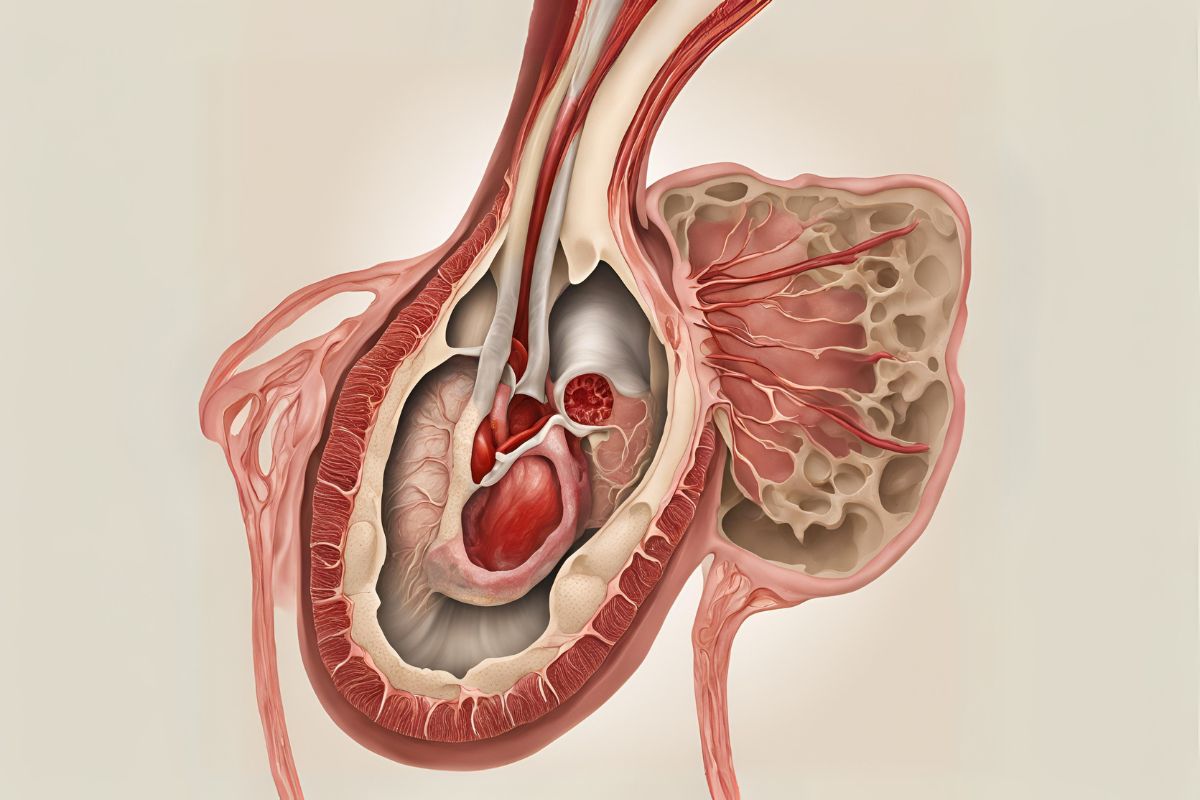
Imagine this: you’re going about your day, feeling just fine, when suddenly your heart skips a beat, or you find yourself out of breath after climbing a single flight of stairs. What if these seemingly harmless moments were actually early signs of something far more serious valvular heart disease? The scariest part is that many people don’t even know they have it until real damage has already been done. But don’t worry we’ll break it down clearly, walk through the hidden dangers, and show you exactly how to protect your heart.
What Is Valvular Heart Disease?
Your heart is made up of four chambers the left and right atria on top, and the left and right ventricles below. Blood moves through these chambers in one direction only, and that’s made possible by four heart valves: the mitral valve, aortic valve, tricuspid valve, and pulmonary valve.
Here’s how each one fits into the system: the mitral valve sits between the left atrium and left ventricle. The aortic valve sits between the left ventricle and the aorta, the body’s main artery. The tricuspid valve sits between the right atrium and right ventricle. And the pulmonary valve sits between the right ventricle and the pulmonary artery, which carries blood to the lungs. Each valve acts like a one-way door, opening to let blood through and then closing firmly so it can’t flow backward.
Valvular heart disease, sometimes called heart valve disease, develops when one or more of these valves stops working the way it should through regurgitation (leakage, where blood flows backward through a valve that isn’t closing properly) or stenosis (narrowing, where the valve’s opening becomes too tight to let enough blood flow through). Think of it like driving a car with a clogged fuel line the engine won’t fail immediately, but it will eventually struggle, and then stop performing altogether.
The genuinely frightening part is that valvular heart disease often develops silently, without noticeable symptoms in its early stages, and usually doesn’t announce itself until real damage has already occurred. Left unmanaged, valve dysfunction significantly raises the risk of heart failure, stroke, and even sudden cardiac death. That said this isn’t a reason to panic, it’s a reason to get informed. Let’s look at how to catch it early and keep it from taking control.
Understanding Heart Valve Problems: Stenosis, Regurgitation, and Prolapse
Heart valve disease isn’t a single condition it’s a category, and understanding the different ways a valve can malfunction helps make sense of a diagnosis.
- Stenosis (narrowing): the valve opening becomes too tight, restricting how much blood can pass through with each heartbeat. Aortic stenosis and mitral stenosis are two of the most commonly diagnosed forms.
- Regurgitation (leakage): the valve doesn’t close tightly enough, so some blood leaks backward instead of moving forward as it should.
- Prolapse: a valve, most commonly the mitral valve, slips slightly out of place, or its flaps (called leaflets) don’t close evenly. Mitral valve prolapse is a common and often mild form of this, though it can sometimes lead to regurgitation over time.
- Atresia: a rarer condition, usually congenital, where a valve doesn’t fully form at all, leaving a solid sheet of tissue that blocks normal blood flow between chambers.
Doctors sometimes describe long-standing, age-related valve wear as degenerative heart valve disease a condition where a valve becomes damaged or weakened gradually over the years, eventually affecting how well it opens and closes.
Causes of Valvular Heart Disease
Valvular heart disease can be present from birth (congenital heart valve disease) or can develop later in life (acquired heart valve disease). Understanding which category a person falls into helps guide both prevention and treatment.
Common causes include:
- Rheumatic fever: one of the leading causes of valve damage worldwide, and especially common in developing countries. This typically starts with an untreated strep throat infection in childhood — repeated episodes of sore throat, joint pain, and fever can lead to scarring of the heart valves over time, a pattern known as rheumatic heart disease. It’s considered the most common cause of valve disease globally, and the mitral valve is the one most frequently affected by it.
- Congenital heart valve defects: present from birth, such as a bicuspid aortic valve, where the valve has two leaflets instead of the usual three.
- Age-related degeneration and calcium buildup: valve tissue naturally stiffens and can accumulate calcium deposits over the years, gradually reducing flexibility.
- Infective endocarditis: a serious infection affecting the heart’s inner lining and valves, which can cause direct damage to the valve leaflets.
- High blood pressure: places ongoing extra stress on the heart valves, particularly the aortic valve.
- Atherosclerosis: the hardening of arteries from plaque buildup, made of fat, calcium, and cholesterol, which can also affect valve function over time.
- A previous heart attack: damages heart muscle, which can indirectly weaken the structures supporting the valves.
- Connective tissue disorders: conditions like Marfan syndrome and lupus can affect the structural integrity of heart valves.
- Previous radiation therapy to the chest: can cause valve tissue to stiffen or scar over time.
Identifying these causes early allows doctors to intervene before permanent valve damage sets in, protecting long-term heart health.
Symptoms You Should Never Ignore
You might feel completely fine and that doesn’t necessarily mean your heart is. Fatigue, difficulty breathing, or swelling in the legs are all signals worth paying attention to. Here’s what to watch for:
- Shortness of breath after light activity, like walking or climbing stairs this is often your heart telling you it’s struggling to keep up.
- Swelling in your legs, ankles, or abdomen, which can indicate that blood isn’t being pumped effectively and fluid is backing up.
- Chest pain or heart palpitations — these aren’t just uncomfortable, they can be your body’s way of signalling something needs attention.
- Fatigue and general weakness, even during everyday activities.
- Dizziness or fainting, particularly during exertion.
- Unexplained fever, which can sometimes point toward an underlying infection affecting the valves.
- Abdominal discomfort from an enlarged liver, which can occur specifically with tricuspid valve disorders, as fluid backs up through the venous system.
Here’s the sobering truth: by the time these symptoms become noticeable, meaningful damage may have already occurred. But that’s not a reason to panic — caught early, valvular heart disease is genuinely treatable, and many people manage it well for years with the right care.
Complications of Valvular Heart Disease
If left untreated, heart valve disease can lead to several life-threatening complications, including:
- Heart failure, due to reduced pumping ability as the heart works harder to compensate for a malfunctioning valve
- Stroke, caused by blood clots that form in the heart and travel to the brain
- Arrhythmias (irregular heartbeat), often triggered by the structural strain a damaged valve places on the heart
- Blood clot formation, particularly in chambers where blood flow has become turbulent or sluggish
- Pulmonary hypertension, where pressure builds up in the arteries supplying the lungs
- Sudden cardiac death, in severe, untreated cases
Early diagnosis and timely treatment can significantly reduce these risks this is exactly why regular check-ups matter, even when you feel completely fine.
Risk Factors of Valvular Heart Disease
Certain people are more likely to develop heart valve disease than others. Knowing your personal risk factors can help you and your doctor catch the condition before complications set in.
Risk factors include:
- Age above 60 years
- High blood pressure (hypertension)
- High cholesterol
- Diabetes
- Smoking or tobacco use
- Family history of heart disease
- A previous episode of rheumatic fever
- Congenital heart defects
- A history of infective endocarditis
- A previous heart attack
If one or more of these apply to you, regular heart check-ups and echocardiography can help detect valve disease well before it becomes symptomatic.
Recent Guidelines and Research: Shattering the Myths
Myth 1: “Valvular heart disease is just for the elderly.”
Reality: Age is a genuine risk factor, but congenital heart defects and rheumatic fever can affect young people too. In fact, valvular heart disease is increasingly being diagnosed in younger populations, partly due to rising cases of infective endocarditis and inconsistent management of rheumatic fever in childhood.
Myth 2: “Valvular heart disease cannot be prevented in any way.”
Reality: Regular screening can catch valve problems well before they worsen. Both the American College of Cardiology (ACC) and the American Heart Association (AHA) recommend consistent monitoring for people with risk factors like hypertension, diabetes, and a family history of heart disease.
Myth 3: “The only treatment for valve disease is surgery.”
Reality: While surgery becomes necessary in some cases, medication can effectively manage the disease in its earlier stages. Blood pressure medicine and anticoagulants can lower the burden on your heart and meaningfully slow disease progression.
How Is Valvular Heart Disease Diagnosed?
Diagnosing valvular heart disease early is genuinely one of the best ways to prevent permanent heart damage. Your cardiologist may recommend one or more of the following:
- Physical examination, listening specifically for a heart murmur an unusual sound caused by turbulent blood flow through a damaged valve
- Echocardiography (2D echo), considered the gold standard for evaluating valve function and blood flow through the heart, sometimes supplemented with 3D echocardiography or transesophageal echocardiography for a more precise view
- Electrocardiogram (ECG), to assess heart rhythm and detect any chamber enlargement
- Chest X-ray, to examine heart size and check for lung congestion
- Cardiac MRI, for detailed imaging when more precision is needed
- Cardiac CT scan, in selected patients
- Cardiac catheterization, typically used before surgery or in complex valve disease cases, to directly assess heart arteries and chamber pressure
- Stress test, to evaluate how the heart performs during physical exertion
Treatment Options for Valvular Heart Disease
Treatment depends on which valve is affected, how severe the disease is, and the patient’s overall health.
- Blood pressure medications, to reduce the ongoing strain on the heart
- Diuretics, to reduce fluid buildup in the body
- Blood thinners (anticoagulants), to prevent dangerous clot formation
- Medicines to control abnormal heart rhythm, when arrhythmias develop alongside valve disease
- Regular monitoring, appropriate for mild valve disease that isn’t yet significantly affecting heart function
- Heart valve repair surgery, done whenever the valve’s own structure can be preserved
- Heart valve replacement, using either a mechanical or biological valve
- Transcatheter Aortic Valve Replacement (TAVR), a minimally invasive option, particularly valuable for patients who are at higher risk for traditional open-heart surgery
Mechanical vs. Biological Heart Valves: What’s the Difference?
When valve replacement becomes necessary, patients typically choose between two types:
- Mechanical valves are made of titanium and pyrolytic carbon. They’re built to last a patient’s lifetime, which makes them a common choice for younger patients but they require lifelong blood-thinning medication to prevent clots from forming on the valve.
- Biological valves are made from animal tissue and typically last 15–20 years. They’re often preferred for patients around 60 and older, since they don’t require lifelong blood thinners, though they may eventually need replacement as they wear out.
Your cardiologist will weigh your age, lifestyle, and overall health when recommending which option fits you best.
How to Prevent and Manage Valvular Heart Disease
While not every case of valvular heart disease can be prevented, particularly congenital or genetic forms, healthy lifestyle choices and consistent medical care can meaningfully reduce your risk and slow disease progression.
- Control high blood pressure and cholesterol
- Manage diabetes effectively
- Eat a balanced diet rich in fruits, vegetables, whole grains, potassium, magnesium, and fibre
- Exercise for at least 150 minutes every week
- Maintain a healthy body weight
- Quit smoking and avoid tobacco products
- Limit alcohol consumption
- Treat sore throat and bacterial infections promptly, to reduce the risk of rheumatic fever taking hold
- Maintain good oral hygiene, which lowers the risk of infective endocarditis, since bacteria from the mouth can occasionally reach the bloodstream and settle on damaged valve tissue
- Attend regular heart check-ups, especially if you have a known heart murmur or a family history of heart disease
Life After Valve Surgery: Care and Recovery
If you’ve had valve repair or replacement surgery, ongoing care matters just as much as the procedure itself. Good oral hygiene remains important long-term, since untreated dental infections can put a repaired or replaced valve at risk. Any future minor surgical procedure, including routine dental work, should typically be covered with appropriate antibiotics beforehand for patients with valve disease your cardiologist or dentist can guide you on this. With proper long-term care, valve replacement is a genuinely well-established procedure, and most patients go on to live full, comfortable lives afterward.
How HealthPil Can Help
At HealthPil, we understand that navigating heart health can feel overwhelming. Our platform connects you with experienced cardiologists who can help diagnose, treat, and manage valvular heart disease at every stage. Whether you need a second opinion, help managing your medication, or guidance on your heart health more broadly, we’re here to support you book an online consultation and don’t wait for symptoms to worsen before taking control of your heart health.
Summary
Valvular heart disease is a condition in which one or more of the heart’s four valves (mitral, aortic, tricuspid, or pulmonary) fail to open or close properly, leading to stenosis (narrowing), regurgitation (leakage), prolapse, or, in rare cases, atresia. These valve problems disrupt normal blood flow and force the heart to work harder, increasing the risk of heart failure, stroke, arrhythmias, pulmonary hypertension, and sudden cardiac death if left untreated.
The disease may develop due to congenital heart defects, rheumatic fever, infective endocarditis, ageing, high blood pressure, atherosclerosis, connective tissue disorders, or previous heart attacks. Since early-stage valve disease often causes no symptoms, regular heart check-ups and echocardiography are essential for early diagnosis. Treatment depends on disease severity and may include medications, lifestyle modifications, heart valve repair, valve replacement, or minimally invasive procedures such as TAVR. With timely diagnosis and appropriate treatment, most people with valvular heart disease can lead healthy and active lives.
Frequently Asked Questions (FAQ)
1. What is valvular heart disease?
Valvular heart disease is a condition in which one or more of the heart valves do not function properly due to narrowing (stenosis), leakage (regurgitation), or prolapse, affecting normal blood flow through the heart.
2. What are the common symptoms of valvular heart disease?
Common symptoms include shortness of breath, fatigue, chest pain, heart palpitations, swelling of the legs or ankles, dizziness, fainting, and unexplained weakness. In the early stages, many people may not experience any noticeable symptoms.
3. How is valvular heart disease diagnosed?
Doctors diagnose valvular heart disease using a physical examination, echocardiography (2D Echo), ECG, chest X-ray, cardiac MRI, CT scan, stress testing, and cardiac catheterization depending on the patient’s condition. Echocardiography is considered the gold standard for diagnosis.
4. Can valvular heart disease be treated without surgery?
Yes. Mild or early-stage valve disease can often be managed with medications, blood pressure control, diuretics, anticoagulants, and regular monitoring. Surgery or valve replacement is usually recommended only when the condition becomes severe or symptoms worsen.
5. Can valvular heart disease be prevented?
Although congenital valve disease cannot be prevented, maintaining healthy blood pressure, controlling diabetes and cholesterol, eating a heart-healthy diet, exercising regularly, avoiding smoking, limiting alcohol, treating infections promptly, maintaining good oral hygiene, and attending regular heart check-ups can significantly reduce the risk and slow disease progression.
References
- Bonow RO, Mann DL, Zipes DP, Libby P. Valvular Heart Disease. Available at:
NCBI Bookshelf: https://www.ncbi.nlm.nih.gov/books/NBK209979/ - Aluru JS, Barsouk A, Saginala K, Rawla P, Barsouk A. Valvular Heart Disease Epidemiology. Available at:
PubMed: https://pubmed.ncbi.nlm.nih.gov/35736352/
- Bonow RO, Mann DL, Zipes DP, Libby P. Valvular Heart Disease. Available at:
Disclaimer:
This article is for informational purposes only and should not replace professional medical advice. Always consult a healthcare provider for proper diagnosis, treatment, and guidance on quitting smoking and improving cardiovascular health.

Read our editorial policy