

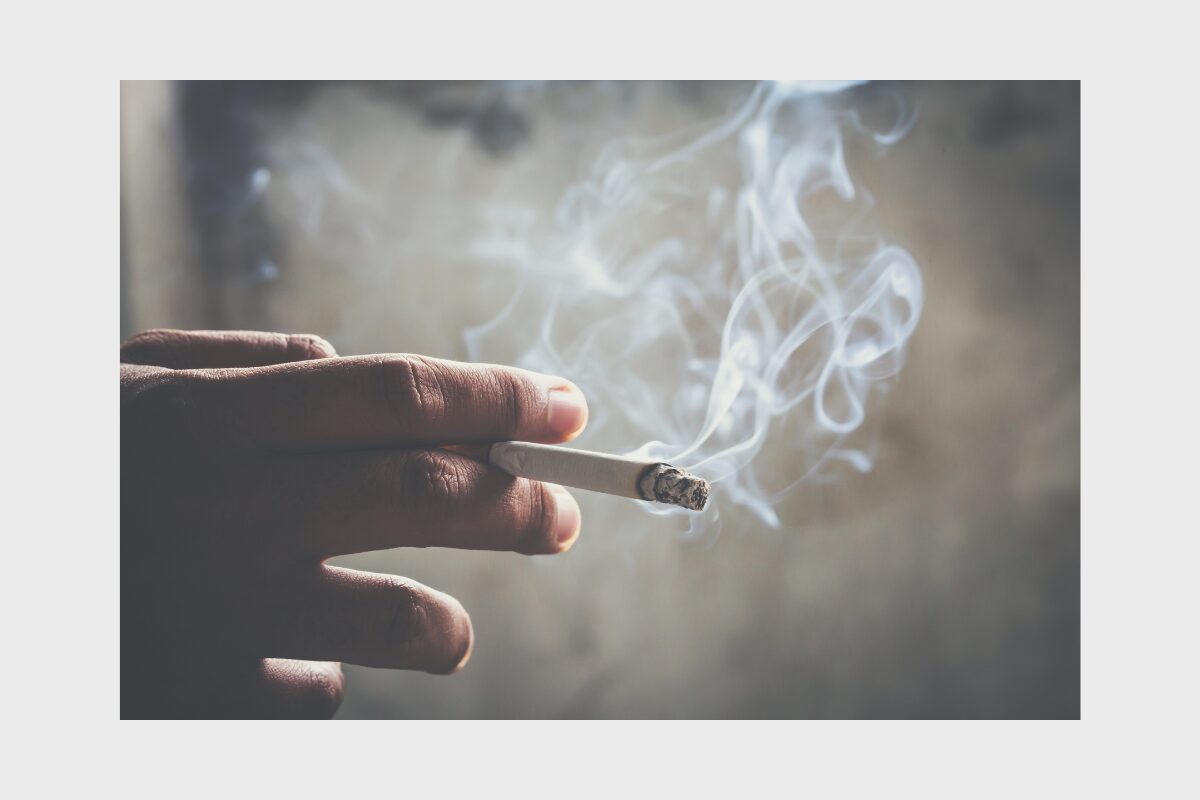
Quitting smoking is never easy. Nicotine is one of the strongest addictions known to medicine because it directly changes how your brain feels pleasure and relaxation. That’s why even when someone wants to stop, the cravings keep pulling them back. Every year, millions try to quit, and most relapse within weeks. What works best is a mix of scientific methods and daily practical steps that help both your body and mind recover from nicotine dependence.
Why Quitting Smoking Feels So Difficult
Nicotine reaches your brain within seconds of a puff. It triggers a rush of dopamine, the chemical that gives a short-lived sense of calm and focus. Gradually, your brain begins to depend on nicotine to maintain that feeling. The moment you stop, withdrawal symptoms such as irritability, anxiety, restlessness start to appear.
Evidence-Based Methods That Help People Quit Smoking
Nicotine Replacement Therapy (NRT)
NRT products such as patches, gums, lozenges, sprays, or inhalers supply your body with small doses of nicotine without the smoke and toxins found in cigarettes. They reduce the intensity of cravings and make withdrawal manageable. Studies consistently show that people using NRT are nearly twice as likely to quit successfully compared to those relying only on willpower.
Prescription Medications
Two medicines—Varenicline (Champix) and Bupropion (Zyban) are commonly used in smoking cessation. They work on brain chemistry to reduce the satisfaction from smoking and control mood changes during withdrawal. Under medical guidance, these are safe and highly effective tools for long-term success.
Behavioural Therapy and Counselling
Nicotine addiction is not only physical; it’s also emotional. Behavioural counselling helps people identify their triggers such as stress, social events, boredom and replace them with healthy alternatives. Evidence shows that when counselling is combined with medication, people are three times more likely to quit and stick to it.
Digital Support
Mobile apps such as WHO’s QuitNow or SmokeFree keep users motivated with progress trackers, daily messages, and habit logs. Digital accountability helps many stay focused through the first few months of quitting.
Gradual Reduction Plans
If quitting abruptly feels too hard, reducing the number of cigarettes gradually under medical supervision is another effective method. This controlled tapering reduces withdrawal discomfort and builds confidence over time.
Natural and At-Home Approaches That Help You Quit Smoking
For those who prefer natural, self-guided methods, several lifestyle changes can make a big difference. These methods are backed by the World Health Organization and India’s National Tobacco Control Programme.
1. Create a clear quit plan
Choose a date within the next two weeks to stop. Remove all smoking materials from your home and car. Tell your family and friends so that they can offer encouragement and keep you accountable. List your common triggers such as tea, alcohol, or stress, and decide what you’ll do instead; like walking, stretching, or drinking water.
2. Manage cravings smartly
Cravings are intense but brief, usually lasting only a few minutes. When they hit, distract yourself by taking a short walk, drinking water, or chewing gum. Mindfulness, meditation, and yoga have been proven to lower relapse risk by around 30% (JAMA Internal Medicine, 2019).
3. Support your body through diet
Nicotine leaves the body through urine, so staying hydrated helps. Eat foods high in vitamin C (like oranges, amla, and lemon) to reduce oxidative stress, and include magnesium- and omega-3-rich foods such as nuts, flaxseeds, and fish for better mood control. Try to limit caffeine and alcohol because they tend to trigger cravings.
4. Replace the habit, not the craving
Many smokers struggle with the hand-to-mouth habit. Replace cigarettes with fennel seeds, cloves, mint leaves, or carrots. Sipping cold water can also calm throat irritation and reduce the urge to smoke. These behavioral substitutions are endorsed by global cessation programs for light and moderate smokers.
5. Stay physically active
Exercise naturally boosts dopamine and relieves anxiety. Even a ten-minute brisk walk can cut cravings by half. Regular activity also improves lung function and helps your body heal faster.
6. Track your progress
Keep a small diary or use a mobile app to record each craving, smoke-free day, and milestone. Tracking helps you notice triggers and stay motivated when you see visible progress.
7. Get enough sleep
Nicotine affects sleep patterns. Maintain a steady sleep routine, avoid screens before bed, and limit caffeine after sunset. Rest helps your brain adjust faster and reduces emotional instability during withdrawal.
Scientific Evidence Behind These Methods
Intervention | Effect | Source |
Behavioural therapy + medication | Triples quit rate | Cochrane Review, 2022 |
Physical activity | Reduces craving & stress | CDC, WHO |
Mindfulness & yoga | 30% lower relapse rate | JAMA Internal Medicine, 2019 |
Vitamin C-rich foods | Reduced craving severity | Nutrients Journal, 2021 |
Frequently Asked Questions About Quitting Smoking
What’s the best way to quit smoking?
The most successful approach combines medication (like NRT or prescription drugs) with counselling and follow-up support.
Are nicotine gums and patches safe?
Yes, they are medically approved and much safer than smoking, as they avoid tar and other toxins from cigarette smoking.
Can I stop smoking suddenly without any aids?
Some can, but most find it easier with structured support. Gradual reduction or professional guidance improves long-term results.
How long do withdrawal symptoms last?
Physical discomfort peaks in the first few days and fades within two to three weeks, though mental cravings may linger longer.
Are e-cigarettes safer?
No, they still contain nicotine and can prolong addiction. WHO recommends approved therapies over vaping.
How HealthPil Supports Your Journey
At HealthPil, quitting smoking is a guided process, not a struggle you face alone. Our doctors and counsellors help select the best quit plan for you, prescribe safe nicotine replacement or medications, and teach techniques to manage cravings. We also assist with nutrition and detox guidance, digital follow-ups, and relapse prevention programs designed by medical professionals.
Whether you wish to quit gradually or stop entirely, HealthPil’s approach combines scientific evidence with continuous motivation to help you stay smoke-free for life.
Disclaimer
This article is intended for public education and should not replace medical consultation. Always seek professional advice before starting or stopping any treatment or nicotine replacement therapy.

