

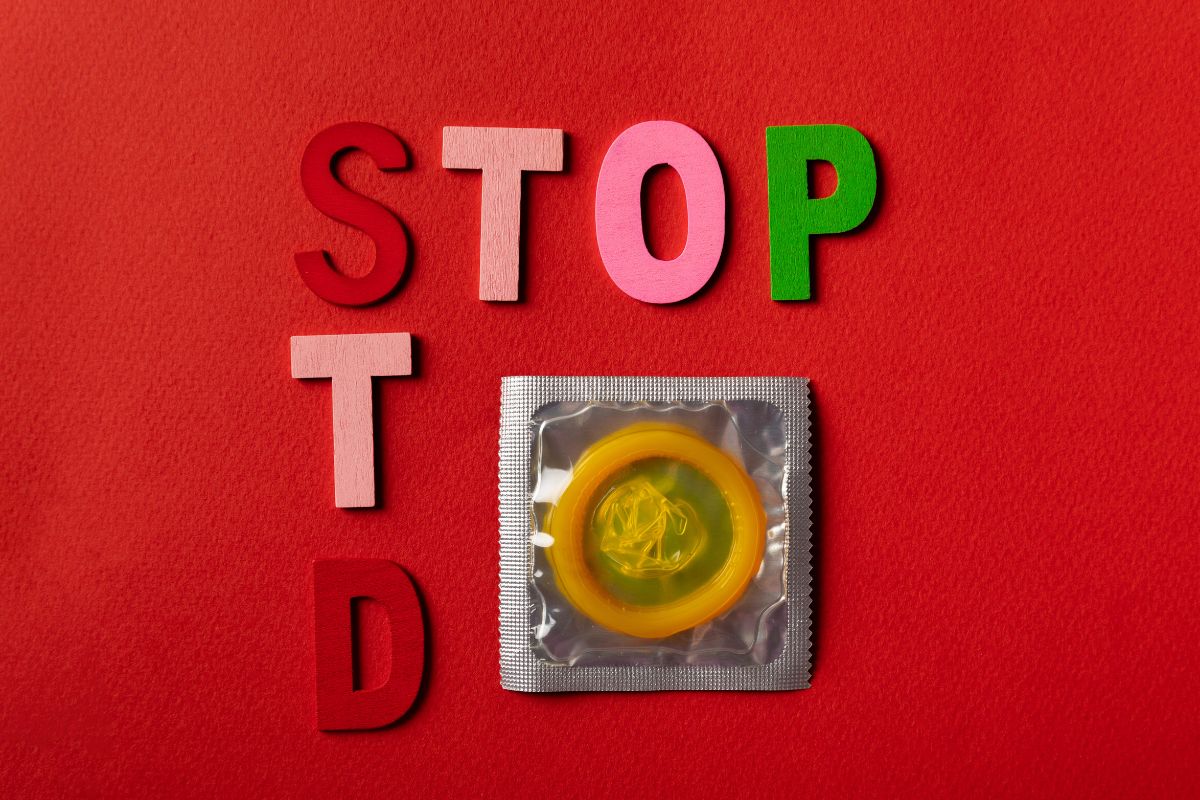
Sexually transmitted diseases (STDs) are becoming more common across India, yet a lot of people avoid getting tested or treated simply because of the stigma attached to them. You might think you can’t have an STD without symptoms, or that it only happens to people with multiple partners. Myths like these are dangerous on two fronts they put your own sexual health at risk, and they make the broader fight against STDs harder. Let’s put these myths to rest with the information that actually matters.
The Real Issue
Sexual health is still surrounded by stigma in India, leaving many people unaware of sexually transmitted diseases (STDs) and their risks. While HIV affects millions of people in the country, limited awareness and misconceptions often delay diagnosis and treatment. Understanding STDs, practising safe sex, and seeking timely medical care are essential for protecting your health.
What Are Sexually Transmitted Diseases (STDs)?
Sexually transmitted diseases (STDs), also called sexually transmitted infections (STIs), spread primarily through vaginal, anal, or oral sexual contact. Some can also spread through blood, shared needles, or from mother to baby during pregnancy or childbirth. A lot of STDs don’t cause noticeable symptoms in their early stages, which is exactly why regular testing and early diagnosis matter so much for protecting both sexual and reproductive health.
Common Types of STDs
Some of the most common sexually transmitted infections include:
- Human Immunodeficiency Virus (HIV)
- Human Papillomavirus (HPV) which can also cause genital warts, beyond its more widely known link to cervical cancer
- Chlamydia
- Gonorrhoea
- Syphilis
- Genital Herpes (caused by the Herpes Simplex Virus, or HSV)
- Trichomoniasis
Each of these has different symptoms, treatment approaches, and long-term health risks. Early diagnosis and timely treatment go a long way toward preventing serious complications down the line.
How Do STDs Spread?
STDs spread through:
- Unprotected vaginal sex
- Oral sex
- Anal sex
- Skin-to-skin genital contact
- Sharing contaminated needles
- Mother-to-child transmission during pregnancy, childbirth, or breastfeeding, for certain infections
Using condoms correctly, every time, along with regular STI testing, meaningfully reduces the risk of transmission for yourself and for anyone you’re sexually active with.
What’s the Difference Between an STD and an STI?
These two terms are often used interchangeably, but there’s a technical distinction. An STI refers to an infection that may not yet be causing symptoms, while an STD describes the disease that develops once an infection leads to noticeable signs or health complications. Since so many infections stay asymptomatic for a long time, healthcare professionals increasingly favour the term STI though both terms are widely understood to mean the same general thing in everyday conversation.
Common Myths About STDs
Myth: “You can’t have an STD if you don’t have symptoms.”
Fact: Many STDs, including chlamydia and gonorrhoea, are frequently asymptomatic especially in women meaning someone can carry and transmit an infection without ever noticing anything is wrong. Testing is the only reliable way to actually know your status.
Myth: “You can’t get an STD from oral sex.”
Fact: This one is genuinely dangerous to believe. Infections like herpes, gonorrhoea, and HPV can all be transmitted through oral sex, and oral HPV specifically has been linked to oral cancers in some cases. Protection matters during oral sex too, not just vaginal or anal sex.
Myth: “STDs are only a risk if you have multiple partners.”
Fact: Having multiple partners does raise risk, but anyone engaging in unprotected sex is at risk including people in long-term, seemingly monogamous relationships, since STIs can pass between partners even years into a relationship if one partner was exposed earlier.
Myth: “I’m in a committed relationship, so STDs don’t affect me.”
Fact: Monogamy doesn’t guarantee safety on its own. If a partner had unprotected sex before the relationship began, or at any point during it, an STI can pass along without either partner immediately realising it which is part of why routine testing matters even within committed relationships.
Common Symptoms of STDs
A lot of STDs cause no symptoms in their early stages, which is exactly why they spread unnoticed. When symptoms do show up, common signs include:
- Painful urination
- Unusual vaginal or penile discharge
- Genital sores or ulcers
- Blisters around the mouth or genitals
- Genital itching or irritation
- Lower abdominal pain
- Pain during sexual intercourse
- Fever or swollen lymph nodes
Symptoms Can Look Different in Men and Women
While there’s real overlap, some patterns differ by sex. In men, symptoms are more likely to include penile discharge, testicular pain or swelling, and burning during urination. In women, symptoms can be subtler or more easily mistaken for other issues unusual vaginal discharge, pelvic pain, bleeding between periods, or pain during sex which partly explains why STDs go undiagnosed in women more often. If you notice any of these signs, seeing a healthcare professional and getting tested promptly matters regardless of how mild it seems.
Who’s at Higher Risk?
Risk of contracting an STD increases if you:
- Have unprotected sex
- Have multiple sexual partners
- Share needles
- Have a previous history of STDs
- Skip regular STI screening
- Have a partner who’s been diagnosed with an STD
Being sexually active doesn’t automatically mean you have an STD but practising safe sex and staying current on routine testing is what actually keeps that true.
How Are STDs Diagnosed?
Doctors may recommend one or more of the following, depending on symptoms and medical history:
- Blood tests
- Urine tests
- Swab tests
- Physical examination
Early diagnosis makes treatment more effective and helps prevent passing the infection on to someone else in the meantime.
Can STDs Be Cured? How Are They Treated?
Treatment depends entirely on what type of infection is involved.
Bacterial STDs chlamydia, gonorrhoea, syphilis are generally curable with a course of antibiotics, provided treatment is completed as prescribed.
Viral STDs including HIV and genital herpes aren’t curable in the same way, but they’re very manageable with antiviral medications that control symptoms and significantly reduce the risk of transmission to others. Modern HIV treatment, in particular, allows people to live long, healthy lives with the virus fully suppressed.
Whatever the treatment, completing the full prescribed course and avoiding sexual activity until a healthcare provider confirms it’s safe is what actually protects both you and your partner.
Possible Complications of Untreated STDs
Left untreated, STDs can lead to:
- Infertility
- Pelvic inflammatory disease (PID)
- Pregnancy complications
- Chronic pelvic pain
- Increased risk of HIV infection
- Cervical cancer caused by persistent HPV infection
- Long-term damage to reproductive organs
Early diagnosis and treatment substantially cut down the risk of all of these which is really the core argument for testing sooner rather than later.
How to Prevent STDs
A few consistent habits meaningfully lower risk:
- Using condoms correctly during every sexual encounter
- Limiting the number of sexual partners
- Getting regular STD testing
- Getting HPV and Hepatitis B vaccinations
- Avoiding shared needles
- Talking openly with partners about sexual health and testing history
Prevention remains one of the most effective, low-effort ways to protect your long-term sexual health far easier than managing complications after the fact.
When Should You Book an Online Consultation?
It’s worth booking an online consultation with a qualified healthcare professional if you experience:
- Persistent genital sores or ulcers
- Pain during urination
- Unusual vaginal or penile discharge
- Pain during sexual activity
- A partner who’s been diagnosed with an STD
- Any symptoms following unprotected sex
You don’t need to have obvious symptoms to justify testing, either if it’s been a while since your last screening, or you’re simply unsure, that’s reason enough. At HealthPil, you can book an STD test online and consult experienced gynaecologists, urologists, and sexologists for confidential advice, testing guidance, and personalised treatment entirely at your own pace and privacy.
How HealthPil Can Help
At HealthPil, we offer teleconsultations with experienced gynaecologists, urologists, and sexologists who specialise in sexual health. Our team can guide you through STD prevention, testing, and treatment with complete privacy and zero judgment. Whether you need an online sexologist consultation, an online gynaecologist consultation, or help booking an STD test online, we’re here to help you take control of your sexual health without the stigma getting in the way.
Summary
Sexually transmitted diseases (STDs) are common but often misunderstood due to myths, stigma, and a lack of awareness. Many STDs do not cause noticeable symptoms in the early stages, making regular testing, early diagnosis, and timely treatment essential. Practising safe sex, using condoms consistently, limiting the number of sexual partners, and getting recommended vaccinations can significantly reduce the risk of infection.
Whether an STD is bacterial or viral, seeking prompt medical advice is the best way to prevent complications and protect your long-term sexual and reproductive health. If you have symptoms, have had unprotected sex, or simply want peace of mind, booking an online consultation with a qualified healthcare professional is a safe and confidential first step.
FAQ Section:
1. What is the difference between an STD and an STI?
An STI (Sexually Transmitted Infection) refers to an infection that may not cause symptoms, while an STD (Sexually Transmitted Disease) develops when the infection leads to noticeable signs or health complications. The terms are often used interchangeably.
2. Can you have an STD without any symptoms?
Yes. Many STDs, including chlamydia, gonorrhoea, and HPV, can remain asymptomatic for months or even years. Regular STD testing is the best way to detect infections early.
3. Can STDs spread through oral sex?
Yes. STDs such as herpes, gonorrhoea, syphilis, and HPV can be transmitted through oral sex. Using protection during oral sex can help reduce the risk of infection.
4. Can STDs be cured?
Some bacterial STDs, such as chlamydia, gonorrhoea, and syphilis, can usually be cured with antibiotics. Viral STDs, including HIV and genital herpes, cannot be cured but can be effectively managed with antiviral medications.
5. When should I get tested for STDs?
You should consider STD testing if you have had unprotected sex, have a new or multiple sexual partners, notice symptoms, or have a partner who has tested positive for an STD. Routine screening is also recommended for sexually active individuals.
6. How can I prevent sexually transmitted diseases?
You can reduce your risk by using condoms consistently, limiting the number of sexual partners, getting vaccinated against HPV and Hepatitis B, avoiding shared needles, and undergoing regular STI screening.
7. Can I book an online consultation for STD treatment?
Yes. At HealthPil, you can book an online consultation with experienced gynaecologists, urologists, and sexologists for confidential advice, STD testing guidance, diagnosis, and personalised treatment recommendations.
References
- Johnston C, et al. Sexually Transmitted Infections: An Update on Diagnosis, Treatment, and Prevention. Available at:
PubMed - Peeling RW, Mabey D, Kamb ML, et al. Sexually Transmitted Infections. Available at:
PMC
Disclaimer:
The information provided in this article is for educational purposes only. It is not intended to diagnose or treat any health condition. Please consult a qualified healthcare provider for personalised advice.

Read our editorial policy