
Close Menu

    Subscribe to Updates

    Get the latest creative news from FooBar about art, design and business.

    Consent(Required)

    What's Hot

    Food Poisoning and Gastroenteritis Symptoms, Treatment & Prevention Guide

    May 6, 2026

    Hyperhidrosis (Excessive Sweating): Causes, Types, and Treatment Options

    May 1, 2026

    Muscle Cramps: Causes, Treatment, and When to See a Neurologist

    April 20, 2026
    Facebook X (Twitter) Instagram
    Facebook X (Twitter) Instagram YouTube
    Healthpil
    +91 962 596 0259 Book Appointment
    • Home
    • Ask Doubts
    • About
    • Consult Doctors
    • Medicine A to Z
      • Drugs A to Z
      • Diagnostics A to Z
    • Explore
      1. Healthpil Originals
      2. Health Gatha
      3. White Coat Chronicles
      4. Myth vs. Medicine
      5. Teen Talk Unfiltered
      6. Medical Specialities
      7. Hindi
      8. View All
      9. View All

      Are Herbal Supplements Hurting Your Kidneys? What You Need to Know

      September 18, 2025

      Is Your Herbal Medicine Bad for Your Heart?

      September 18, 2025

      Are Herbal Supplements Messing Up Your Digestive Health?

      September 17, 2025

      Can Ayurvedic and TCM herbs Harm Your Lungs? The Respiratory Risks of Traditional Medicine

      September 17, 2025

      Are Herbal Supplements Hurting Your Kidneys? What You Need to Know

      September 18, 2025

      Is Your Herbal Medicine Bad for Your Heart?

      September 18, 2025

      Are Herbal Supplements Messing Up Your Digestive Health?

      September 17, 2025

      Can Ayurvedic and TCM herbs Harm Your Lungs? The Respiratory Risks of Traditional Medicine

      September 17, 2025

      Are Herbal Supplements Hurting Your Kidneys? What You Need to Know

      September 18, 2025

      Is Your Herbal Medicine Bad for Your Heart?

      September 18, 2025

      Are Herbal Supplements Messing Up Your Digestive Health?

      September 17, 2025

      Can Ayurvedic and TCM herbs Harm Your Lungs? The Respiratory Risks of Traditional Medicine

      September 17, 2025

      Are Herbal Supplements Hurting Your Kidneys? What You Need to Know

      September 18, 2025

      Is Your Herbal Medicine Bad for Your Heart?

      September 18, 2025

      Are Herbal Supplements Messing Up Your Digestive Health?

      September 17, 2025

      Can Ayurvedic and TCM herbs Harm Your Lungs? The Respiratory Risks of Traditional Medicine

      September 17, 2025

      Are Herbal Supplements Hurting Your Kidneys? What You Need to Know

      September 18, 2025

      Is Your Herbal Medicine Bad for Your Heart?

      September 18, 2025

      Are Herbal Supplements Messing Up Your Digestive Health?

      September 17, 2025

      Can Ayurvedic and TCM herbs Harm Your Lungs? The Respiratory Risks of Traditional Medicine

      September 17, 2025

      Are Herbal Supplements Hurting Your Kidneys? What You Need to Know

      September 18, 2025

      Is Your Herbal Medicine Bad for Your Heart?

      September 18, 2025

      Are Herbal Supplements Messing Up Your Digestive Health?

      September 17, 2025

      Can Ayurvedic and TCM herbs Harm Your Lungs? The Respiratory Risks of Traditional Medicine

      September 17, 2025

      Are Herbal Supplements Hurting Your Kidneys? What You Need to Know

      September 18, 2025

      Is Your Herbal Medicine Bad for Your Heart?

      September 18, 2025

      Are Herbal Supplements Messing Up Your Digestive Health?

      September 17, 2025

      Can Ayurvedic and TCM herbs Harm Your Lungs? The Respiratory Risks of Traditional Medicine

      September 17, 2025

      Are Herbal Supplements Hurting Your Kidneys? What You Need to Know

      September 18, 2025

      Is Your Herbal Medicine Bad for Your Heart?

      September 18, 2025

      Are Herbal Supplements Messing Up Your Digestive Health?

      September 17, 2025

      Can Ayurvedic and TCM herbs Harm Your Lungs? The Respiratory Risks of Traditional Medicine

      September 17, 2025

      Are Herbal Supplements Hurting Your Kidneys? What You Need to Know

      September 18, 2025

      Is Your Herbal Medicine Bad for Your Heart?

      September 18, 2025

      Are Herbal Supplements Messing Up Your Digestive Health?

      September 17, 2025

      Can Ayurvedic and TCM herbs Harm Your Lungs? The Respiratory Risks of Traditional Medicine

      September 17, 2025
    • Contact Us
    Healthpil
    Home»Bone And Spine Health»Spinal Injury: Symptoms, Causes, Diagnosis & Treatment Your Spine Trauma Guide
    Bone And Spine Health

    Spinal Injury: Symptoms, Causes, Diagnosis & Treatment Your Spine Trauma Guide

    Dr. Ayesha Ayub ShaikhBy Dr. Ayesha Ayub ShaikhSeptember 19, 2025Updated:June 17, 2026No Comments10 Mins Read
    Facebook Twitter WhatsApp Email
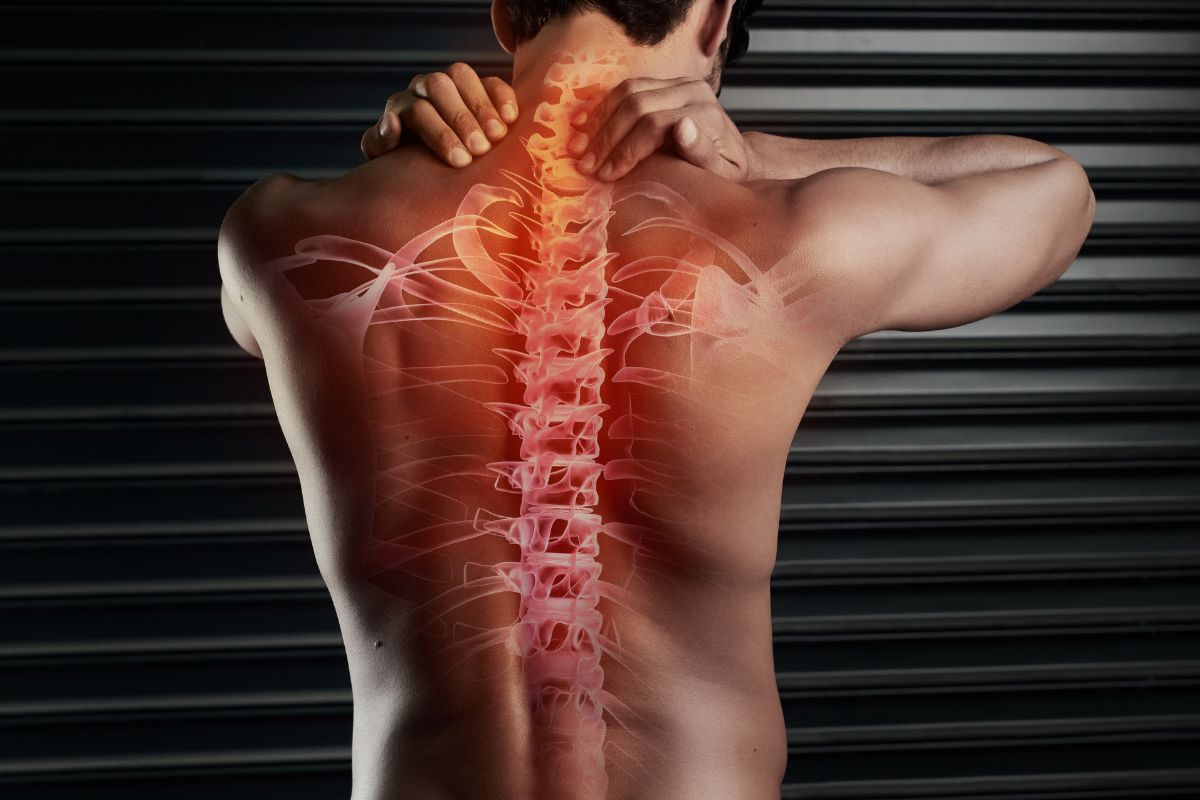
    A blow to your spine can leave you bed-bound for life - Know about Spinal Injury and its management.
    Share
    Facebook Twitter Email

    Spinal injury is a serious condition that can affect the bones, discs, nerves, or spinal cord, potentially leading to pain, mobility problems, neurological deficits, and other complications. These injuries may occur due to falls, road traffic accidents, sports injuries, workplace accidents, or other forms of high-impact trauma.

    The severity of a spinal injury can range from mild soft tissue damage to severe spinal cord injury that may result in permanent disability. Early diagnosis and appropriate treatment are essential to prevent complications and improve recovery outcomes.

    In this article, we discuss the symptoms, causes, types, diagnosis, treatment options, and prevention strategies for spinal injuries.

    Table of Content hide
    What is Spinal Injury?
    Symptoms of Spinal Injury
    Causes of Spinal Injury
    Types of Spinal Injuries
    Risk Factors for Spinal Injury
    How is Spinal Injury Diagnosed?
    Treatment Options for Spinal Injury
    Can Spinal Injury Cause Paralysis?
    Spinal Injury Recovery Timeline
    Complications of Spinal Injury
    How to Prevent Spinal Injuries
    When Should You See a Doctor?
    How HealthPil Can Help
    Summary
    FAQs:
    References
    Disclaimer:

    What is Spinal Injury?

    Essentially, spinal injury is any physical damage to your spinal cord or the vertebrae surrounding it. Most of the time, this happens during car accidents, slips, or high-impact sports. It might be a minor sprain, but it can quickly escalate to painful fractures or dislocations that carry a real risk of paralysis.

    Symptoms of Spinal Injury

    The symptoms of a spinal injury can vary depending on the location and severity of the injury. Some symptoms may appear immediately, while others can develop over time.

    Common symptoms of spinal injury include:

    • Severe neck or back pain

    • Pain that radiates to the arms or legs

    • Tingling or “pins and needles” sensation in the hands, arms, feet, or legs

    • Numbness in different parts of the body

    • Muscle weakness or loss of strength

    • Difficulty walking or maintaining balance

    • Loss of coordination

    • Reduced sensation to touch, heat, or cold

    • Difficulty controlling bladder or bowel function

    • Paralysis in severe cases

    If you experience any of these symptoms after a fall, accident, or trauma, seek immediate medical attention, as early diagnosis and treatment can help prevent further complications.

    Causes of Spinal Injury

    Most spinal injuries happen because of a sudden, high-impact force. For older adults, falls are actually the leading cause of spinal injury. For younger people, high-speed car crashes and contact sports — like diving into shallow water or rugby  are usually the culprits. Basically, any high-risk activity can put your spine in the line of fire.

    Types of Spinal Injuries

    Specialists look at these injuries in a few different ways. There’s the Spinal Fracture, which is an actual break in the bone. Then there’s the Spinal Cord Injury, where the nerves themselves get damaged, often leading to a loss of sensation. You might also deal with a Dislocation, where the spinal bones shift out of alignment, or a Compression Injury, where something is physically pressing on your spinal cord.

    Risk Factors for Spinal Injury

    Some people face a higher likelihood of spinal injury than others:

    Age — Older adults are more prone to spinal injury from falls, partly due to weaker bones from age-related conditions like osteoporosis.

    High-Risk Sports — Contact sports such as rugby and football, along with activities like diving and gymnastics, carry a higher risk of sudden spinal trauma.

    Occupation — Jobs involving heights, heavy machinery, or repetitive heavy lifting increase exposure to high-impact accidents.

    Road Travel Habits — Not wearing a seatbelt or riding a two-wheeler without proper protection significantly raises the risk of spinal injury during accidents.

    Pre-existing Spine Conditions — Conditions like spinal stenosis or previous spine surgery can make the spine more vulnerable to injury from a moderate impact that wouldn’t otherwise cause harm.

    Bone Health — Reduced bone density from osteoporosis or certain medical conditions makes the vertebrae more likely to fracture even with a minor fall.

    How is Spinal Injury Diagnosed?

    When it comes to the spine, every minute counts. Doctors will start with a neurological examination to check how your nerves are firing. After that, they’ll use imaging like an MRI for spinal injury to see soft tissue damage, or a CT Scan and X-ray to check the bone structure. Early diagnosis is the only way to stop complications before they start.

    Treatment Options for Spinal Injury

    Your treatment depends entirely on how bad the hit was.

    1. Immediate Care: First things first, emergency care is vital to stop the injury from getting worse.
    2. Medication: Doctors often use anti-inflammatories and pain relievers to manage the swelling around the cord.
    3. Physical Therapy: This is where the real work happens — rebuilding your strength and flexibility through rehabilitation.
    4. Surgery: If your spine is unstable, you might need spinal decompression or spinal fusion surgery to relieve pressure and stabilize the bones.
    5. Lifestyle: Long-term, staying at a healthy weight and doing core exercises will support your spine health.

    Can Spinal Injury Cause Paralysis?

    The short answer is yes. Severe damage to the spinal cord can cut off the brain’s communication with the rest of the body. The extent of paralysis depends on where the injury happened, but with early treatment and the right spinal rehabilitation, many people see significant improvements.

    Spinal Injury Recovery Timeline

    Recovery isn’t a straight line. The first few weeks are all about stabilization and pain control. Between 1 to 3 months, you’ll start intense physical therapy to get your mobility back. By the 6-month mark, the focus shifts to regaining full strength. For many, post surgery rehab is a long-term commitment to keep the body moving.

    Complications of Spinal Injury

    Leaving a spinal injury untreated, or delaying proper care, can lead to serious downstream effects:

    Permanent Nerve Damage — Prolonged pressure on the spinal cord without treatment can turn temporary nerve disruption into permanent loss of sensation or movement.

    Chronic Pain — Even after the initial injury heals, ongoing nerve irritation or spinal instability can lead to long-term pain.

    Loss of Bladder or Bowel Control — Severe spinal cord injury can permanently affect these functions if not treated promptly.

    Muscle Atrophy — Extended immobility after a spinal injury often leads to muscle wasting, which further slows the return of strength and mobility.

    Blood Clots — Reduced movement after a serious spinal injury increases the risk of deep vein thrombosis, particularly during the early recovery phase.

    Pressure Sores — Patients with limited mobility, especially those with paralysis, are at higher risk of skin breakdown and pressure ulcers without proper care.

    How to Prevent Spinal Injuries

    Follow road safety rules (wear your seatbelt!).
    Use proper protective gear during contact sports.
    Strengthen your back and core muscles to support your spine.
    Maintain a proper posture, especially if you sit for long hours.

    When Should You See a Doctor?

    If you’ve been in an accident or had a nasty fall, don’t play it safe. You need to seek help immediately if you have intense back pain, weakness in your limbs, or difficulty walking. We know that traveling to a clinic can be tough when you’re in pain, which is exactly why you can consult a spine doctor online through an online spine consultation. This gives you direct access to a neurosurgeon or orthopedic specialist who can review your MRI and provide expert advice. Getting an online spine consultation early can help catch neurological damage before it becomes permanent, ensuring you’re treated by the best doctor for spinal injury without the stress of a commute.

    How HealthPil Can Help

    Spinal injury is frightening, but you don’t have to navigate it alone. HealthPil connects you with the best spine specialists and neurosurgeons in the field. Whether you’re looking for a second opinion or a full rehabilitation plan, we help you find the expert care you need.

    Book your online spine consultation today and start your journey toward recovery with the right experts.

    Summary

    Spinal injuries are serious medical conditions typically caused by high-impact accidents, falls, or sports-related trauma. These injuries range from minor sprains to life-altering fractures that can permanently damage nerve function and mobility. Timely diagnosis using tools like MRI or CT scans is critical, as early intervention through surgery or physical therapy is the best way to prevent permanent disability. With structured rehabilitation and expert care, the long-term outcomes for patients with spinal injuries can be significantly improved.

    FAQs:

    1. Does every spinal injury result in permanent paralysis?

    No, not every injury leads to paralysis. It depends entirely on the location and severity of the damage to the spinal cord. Early medical intervention is the key to reducing this risk and protecting nerve function before the damage becomes permanent.

    2. How long does the recovery process usually take?

    Recovery is a marathon, not a sprint. While initial stabilization happens in the first few weeks, regaining full strength and mobility often takes anywhere from 6 months to a year, depending on the severity of the trauma and the consistency of your rehabilitation.

    3. Can I get a professional opinion without traveling to a clinic?

    Yes, absolutely. If moving is difficult or painful after an injury, you can easily consult a spine doctor online through an online spine consultation. A specialist can review your imaging reports and symptoms remotely to provide an expert treatment plan from the comfort of your home.

    4. Why is physical therapy so important after a spinal injury?

    Surgery is often used to stabilize the bones or relieve pressure, but physical therapy is what actually restores movement. It helps rebuild muscle strength, improves coordination, and retrains the body to function correctly after a traumatic event.

    5. What is the difference between a spinal fracture and a spinal cord injury?

    A spinal fracture is a break in the bones of the spine, while a spinal cord injury involves damage to the nerves running through the spine itself. A fracture can occur without nerve damage, but severe fractures can also injure the spinal cord.

    6. Can I consult a doctor online for a spinal injury?

    Yes, if you’re experiencing back pain, mobility issues, or recovering from a spinal injury, you can opt for an online spine consultation. A specialist can review your symptoms, medical reports, and imaging scans to guide you on the right treatment plan.

    References

    1. M Das J, Alzhrani G, Consigliere P. Spinal Cord Injury. StatPearls Publishing. Available at:
      NCBI Bookshelf
    2. Ahuja CS, Wilson JR, Nori S, et al. Traumatic Spinal Cord Injury. Nature Reviews Disease Primers. Available at:
      PubMed

    Disclaimer:

    This information is for educational purposes only and should not replace professional medical advice. Always consult your healthcare provider for personalised recommendations.

    Dr. Ayesha Ayub Shaikh
    Written By Dr. Ayesha Ayub Shaikh
    Dr. Rahul Chawla
    Reviewed By Dr. Rahul Chawla
    Last Updated 17 Jun 2026
    We provide you with authentic, trustworthy and relevant information.
    Read our editorial policy
    Share. Facebook Twitter WhatsApp Email
    Previous ArticleSustained Knee Ligament Injury? Here’s what you need to know about ACL Tear
    Next Article Shoulder Dislocation: Symptoms, Causes, Diagnosis & Treatment

    Related Articles

    Chronic Back Pain: Causes, Precautions & Management Guide

    March 28, 2026 Health Alerts

    Lumbar Disc Herniation & Sciatica: Symptoms, Causes & Treatment

    September 21, 2025 Bone And Spine Health

    Rotator Cuff Injury: Symptoms, Causes, Types, and Treatment

    September 21, 2025 Bone And Spine Health

    Tendonitis: Symptoms, Causes, Diagnosis, Treatment & Recovery

    September 21, 2025 Bone And Spine Health
    Leave A Reply Cancel Reply

    five × 4 =

    I agree to the terms and privacy policy.

    Disclaimer: Please avoid sharing personal health details in comments. Comments are public and moderated. For private health queries, use the Ask A Doubt section. By commenting, you agree to our Privacy Policy.

    Health and Wellness

    Child Safety and Online Predators: Why parents should think twice before posting children’s photos and videos on social media!

    November 11, 2025

    Fake ORS Banned by FSSAI: Why a Pediatrician Fought an 8-Year Battle to Stop Sugary Drinks Mislabelled as “ORS”?

    October 24, 2025

    Are Herbal Supplements Hurting Your Kidneys? What You Need to Know

    September 18, 2025

    Is Your Herbal Medicine Bad for Your Heart?

    September 18, 2025
    Connect with Us
    • Facebook
    • Instagram
    • YouTube
    • Twitter
    Don't Miss

    Child Safety and Online Predators: Why parents should think twice before posting children’s photos and videos on social media!

    Every parent loves to capture those little moments — the first step, the first day…

    Fake ORS Banned by FSSAI: Why a Pediatrician Fought an 8-Year Battle to Stop Sugary Drinks Mislabelled as “ORS”?

    October 24, 2025

    Why Asthma Attacks are on the Rise: Unseen Influence of Air Pollution!

    May 26, 2025

    Stroke and Air Pollution: Is Your Environment Putting You at Risk?

    May 26, 2025

    Subscribe to Updates

    Get the latest creative news from SmartMag about art & design.

    Consent(Required)

    About Us
    About Us

    HealthPil: Get Your Daily Dose of Trusted Health Advice– Consult a Doctor Anytime, Anywhere!
    We're accepting new partnerships right now.

    Facebook X (Twitter) Instagram YouTube
    Contact Us
    EmailEmail Us:
    contact@healthpil.com
    whatsappContact:
    +91 962 596 0259
    Specialties
    • Neurology
    • Cardiology
    • Psychiatry
    • Orthopedics
    • Gynaecology
    • Pediatrics
    • Neurosurgery
    • Neurosurgery
    • Ophthalmology
    • ENT
    • Oncology
    Quick Links
    • Home
    • About
    • Blog
    • Ask Doubts
    • Consult Doctors
    • Contact Us
    • Disclaimer
    • Privacy Policy
    • Terms and Conditions

    Type above and press Enter to search. Press Esc to cancel.

    Book Appointment
    Copyright © 2026 HealthPil. All Rights Reserved.