

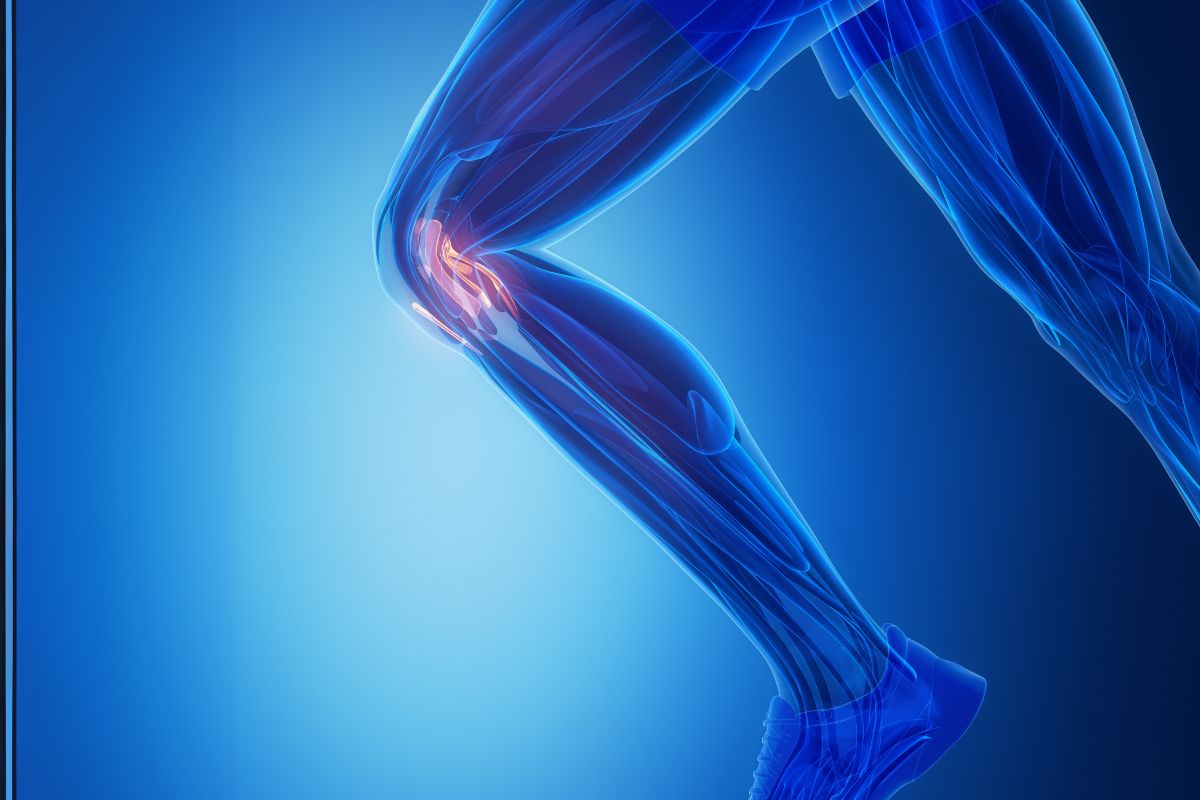
An ACL injury is one of the most common and serious knee injuries, particularly among people who participate in sports or other physically demanding activities. A torn anterior cruciate ligament can cause sudden knee pain, swelling, instability, and difficulty bearing weight on the affected leg. Recognizing ACL tear symptoms early and seeking appropriate treatment can help restore knee function and reduce the risk of long-term complications.
If you’ve ever felt your knee “pop” during a match or felt a sudden, sharp pain while twisting, you’re likely dealing with an anterior cruciate ligament injury. An ACL injury is easily one of the most frustrating setbacks for anyone active whether it’s a football knee injury, a cricket knee injury, or just a bad fall at the gym.
Knowing the right ACL Tear symptoms and finding the best treatment for ACL tear early can be the difference between getting back to your sport or dealing with permanent knee trouble.
What is an ACL Tear?
Essentially, the ACL is the “internal anchor” that provides knee joint stability. When you hear people talk about a torn acl, they mean this ligament has been stretched or snapped. It usually happens during high-speed moves like sudden stops or jumping.

Symptoms of a Torn ACL
One of the most commonly reported symptoms of an ACL tear is a popping sensation or audible “pop” at the time of injury. Other symptoms may include:
Sudden Pain: It feels sharp and immediate.
Swollen Knee After Injury: Your knee might look like a balloon within 2–3 hours.
Knee Instability: That “wobbly” feeling where your knee just gives out.
Locked Joint: Feeling like you can’t fully straighten or bend your leg.
ACL Tear Causes
Most athlete knee injury cases aren’t about someone hitting you; it’s usually about how you move:
Sudden Pivoting: Planting your foot and twisting your body.
Awkward Landings: Coming down from a jump with shaky form.
Muscle Weakness: If your hamstrings aren’t strong enough to support the joint.
Risk Factors for ACL Tear
Not everyone playing the same sport ends up with an ACL injury certain factors tilt the odds:
Sport Type — Football, basketball, badminton, and skiing carry the highest ACL injury rates because they involve frequent pivoting, jumping, and sudden direction changes.
Gender — Women are statistically more likely than men to suffer ACL tears in the same sports, a difference researchers link to variations in muscle strength balance, hormonal factors, and knee alignment.
Previous Knee Injury — A history of any ligament or meniscus injury makes the knee structurally more vulnerable to a future ACL tear.
Poor Landing Mechanics — Athletes who land from jumps with the knee buckling inward, rather than aligned over the foot, place far more stress on the ACL.
Weak Core and Leg Muscles — Limited strength in the hamstrings, glutes, and core reduces the body’s natural ability to stabilise the knee during quick movements.
Fatigue — Most ACL injuries in matches happen in the second half or during overtime, when muscle control and reaction time naturally decline.
Types of ACL Tears
Doctors grade these based on how bad the damage is:
Grade 1: A minor stretch. It hurts, but the knee is still stable.
Grade 2 (Partial ACL tear): The ligament is partially torn; you’ll feel some “looseness.”
Grade 3 (Complete ACL tear): The ligament is totally split. This usually leads to acl reconstruction surgery.
How is an ACL Tear Diagnosed?
You can’t just “guess” an ACL tear. An orthopedic specialist will perform stability tests like the Lachman test, Anterior drawer test, or Pivot shift test. To be 100% sure, they’ll order:
MRI for ACL tear: To see the actual tear and check for an MCL injury or PCL injury.
X-ray for ACL tear: To make sure no bones are broken (fracture).
CT scan for ACL tear: Used in complex cases.
Treatment Options of Torn ACL
1. Non-Surgical Treatment
Non-surgical treatment may be considered for partial ACL tears, individuals with low activity levels, or patients who do not experience significant knee instability. Treatment typically includes physiotherapy, bracing, activity modification, and rehabilitation exercises to improve knee strength and function.
2. Surgical Treatment (ACL Reconstruction)
ACL reconstruction surgery is often recommended for complete ACL tears, athletes, or individuals experiencing persistent knee instability. The procedure involves replacing the torn ligament with a graft to restore knee stability and function.
3. Rehabilitation
Rehabilitation is a critical part of ACL tear recovery, regardless of whether surgery is performed. A structured physiotherapy program helps restore range of motion, muscle strength, balance, and knee function while reducing the risk of future injuries.
Can You Walk With a Torn ACL?
Surprisingly, you can walk with a torn acl, especially if it’s partial. But it’s risky. Walking on an unstable knee can lead to meniscus tears or early arthritis. If your knee feels unstable, stay off it!
ACL Recovery Timeline
Weeks 1–2: Reducing the swollen knee and managing pain.
Weeks 3–6: Starting acl rehabilitation to regain range of motion.
Months 6–9: This is usually when you get the “OK” for a return to sports after acl surgery.
Complications of ACL Tear
Leaving an ACL tear untreated, or returning to sport too early, comes with real risks:
Chronic Knee Instability — Without the ACL providing support, the knee can keep “giving way” during everyday movements, not just sport.
Meniscus Damage — An unstable knee shifts abnormal stress onto the meniscus, making a secondary tear far more likely over time.
Early-Onset Osteoarthritis — Studies show that an ACL injury, treated or not, increases the long-term risk of developing knee osteoarthritis — sometimes decades earlier than expected.
Muscle Weakness and Imbalance — Avoiding activity after an ACL injury often leads to noticeable thigh muscle loss, which further reduces knee support.
Re-Injury Risk — Returning to sport before the knee and surrounding muscles are fully rehabilitated significantly raises the chance of re-tearing the same ACL or injuring the other knee.
How to Prevent ACL Tears
Do ACL prevention exercises like lunges and balance work.
Work on hamstring and quadriceps strength.
Learn the right way to pivot and land.
When Should You See a Doctor?
You should consult a doctor immediately if you hear a popping sound in your knee, notice sudden swelling, experience severe pain, or feel that your knee is unstable. Early diagnosis and treatment can help prevent long-term complications. You can also opt for an online orthopedic consultation for expert guidance.
How HealthPil Can Help
Don’t let a knee injury sideline you forever. HealthPil connects you with an expert acl specialist or sports medicine specialist. You can consult an orthopedic doctor online for a second opinion or book an acl consultation at a top-rated acl treatment hospital. Our online orthopedic consultation makes it easy to get expert advice on acl surgery from home.
Summary
An ACL tear is one of the most common serious knee injuries, especially among athletes and physically active individuals. It typically presents with a popping sensation, swelling, and a feeling of instability in the knee. Diagnosis relies on physical stability tests along with an MRI, while treatment ranges from physiotherapy for partial tears to ACL reconstruction surgery for complete tears.
With the right combination of treatment and structured rehabilitation, most people can expect to return to their sport within 6 to 9 months making early diagnosis and proper care the most important steps toward a full recovery
