

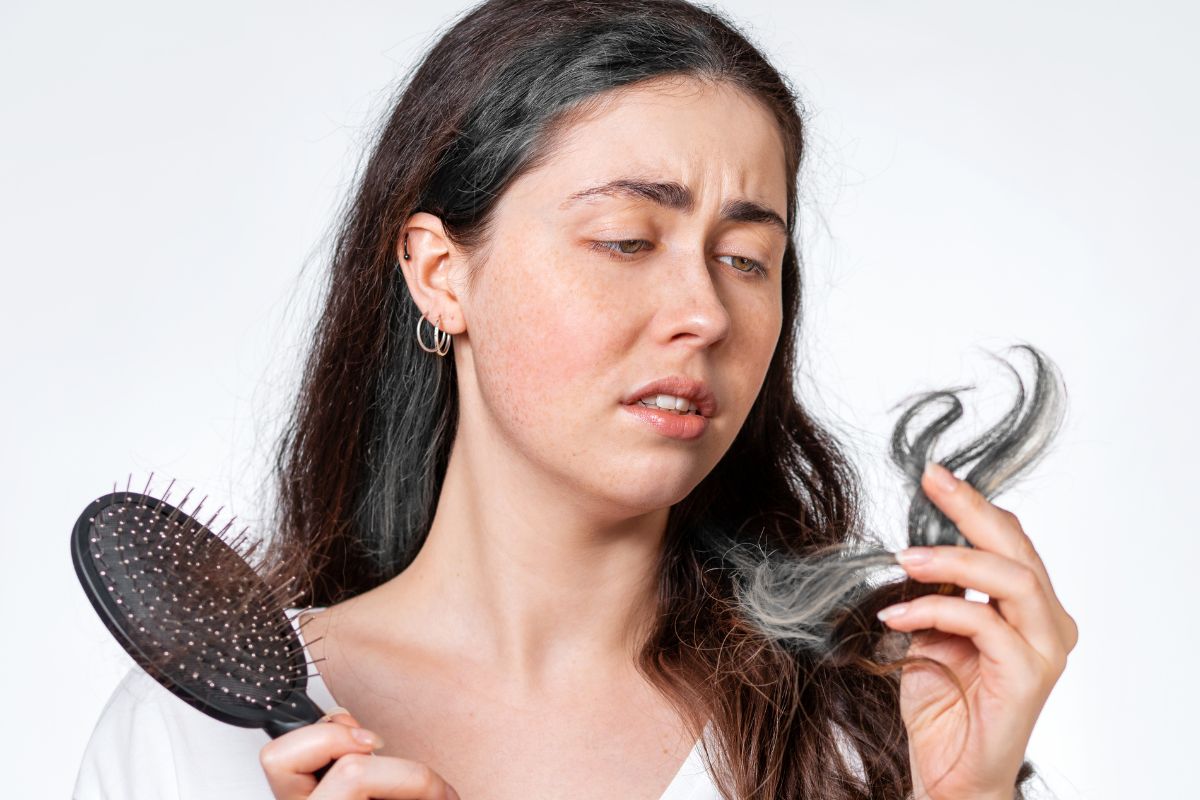
Are there more hairs on your brush, in your shower drain, or on your pillow all the time? Is your hair thinning, and you’re wondering if there’s any hope to reverse it? You’re not alone, and the good news is that there’s help! Here’s everything you need to know to get your hair back on track.
Understanding Hair Fall: Causes and What You Can Do About It
Seeing bald spots or thinning hair can be upsetting. It might affect your emotional well-being, confidence, self-esteem, and health in addition to being merely an aesthetic issue. But the truth is hair loss isn’t always permanent, and with the right approach, it can be managed or even reversed in many cases.
What Causes Hair Fall?
There are a number of causes for hair loss, so finding what is causing it is important for properly treating the issue.
1. Genetic Factors (Androgenetic Alopecia):
Genetics is the primary reason for male and female pattern baldness or hair loss. It may be depressing, but there are ways to slow it down. It usually begins at the crown or hairline and is progressive in nature.
2. Hormonal Changes:
Women’s hair thinning can arise from hormonal fluctuations that take place during pregnancy, menopause, or disorders like PCOS (polycystic ovarian syndrome). Such changes cause shedding and slower regrowth by interfering with the hair growth cycle.
3. Stress and Emotional Trauma:
Prolonged stress or trauma can cause telogen effluvium, a condition where hair falls out prematurely during periods of intense stress. The good news is that this hair loss is usually temporary, and once the stress is managed, hair can begin to regrow.
4. Nutrient Deficiencies:
Hair follicles might become weaker and shed more when essential vitamins and minerals like iron, zinc, vitamin D, and biotin are not present. Nutritional deficiencies often cause thinning hair and make it harder for new hair to grow back.
5. Excessive Styling and Chemical Treatments:
Damage to the hair shaft and follicles from heat styling, tight hairstyles, and chemical treatments can result in hair loss and breaking. If these products are used regularly over time, it may cause thinning hair.
Is hair fall reversible?
The short answer: Yes, in many cases, hair loss is reversible or at least manageable with the right treatment. If the cause is genetic, you can’t stop hair loss entirely, but you can slow it down and prevent further damage. For other causes like stress, hormonal imbalances, or nutritional deficiencies, hair loss can often be fully reversed once the root cause is addressed.
Effective Solutions for Hair Fall:
- Minoxidil (Rogaine):
One of the most widely recommended treatments, Minoxidil, is an over-the-counter medication that stimulates hair growth by improving blood flow to the hair follicles. Regular use of minoxidil can help regrow hair and slow down thinning. It’s FDA-approved and has shown success in helping both men and women. - Hair Transplants:
People suffering from severe baldness can finally wish for a permanent solution to their problem. In this process, a few good hair follicles are retaken from an area of a person’s scalp and implanted in bald areas of the scalp. However, this type of procedure is quite costly and invasive, but the success rate is quite high in fixing baldness as well as thinning of hair. - Nutritional Supplements:
If hair loss is due to nutrient deficiencies, taking supplements like biotin, iron, zinc, and vitamin D can help restore healthy hair growth. Additionally, eating a balanced diet rich in leafy greens, lean proteins, and healthy fats can nourish hair follicles from within. - Stress Management:
If stress seems to be the reason behind your hair fall, then you must actively work towards relieving it. Regular exercise, yoga, and meditation help calm the body, which in turn minimises the amount of hair fall. - Gentle Hair Care:
Use mild, sulfate-free shampoos, and avoid excessive heat styling or tight hairstyles that pull at the hair follicles. Choose natural hairstyles or loose braids so that they won’t harm your hair. Occasional scalp massages with natural oils, such as coconut oil, can encourage healthy hair development and increase circulation.
Myths About Hair Loss:
- Myth 1: “Hair loss only affects older people.”
Fact: Hair loss can happen to anyone at any age. Early stages of genetic hair loss can begin in the late teens or early 20s, especially in men. - Myth 2: “Hair loss means you’re unhealthy.”
Fact: While hair loss can sometimes be related to underlying health issues, many people experience shedding due to stress, hormonal changes, or genetics, which are not necessarily related to overall health. - Myth 3: “Shampooing more often will stop hair loss.”
Fact: No, if you overwash your hair, your hair will turn dry and will fall more, but if you use a mild shampoo for hair washing, it will keep the scalp clean and healthy.
Frequently Asked Questions
Can hair fall be reversed?
Yes! Hair fall can often be reversed or managed effectively, especially if caught early. Hair transplants, minoxidil, and treating the root problems (such as stress or malnutrition) can all be helpful.
Does Minoxidil really work for hair fall?
It has been proven that minoxidil works well to promote hair growth and reduce hair loss, specifically during the initial stages of hair thinning.
Are hair transplants permanent?
A permanent hair restoration treatment is given by transplanting healthy hair follicles to regions of hair loss.
How HealthPil Can Help:
Do you suffer from hair loss? In order to identify the reason behind your hair loss and suggest the most successful treatments for your problem, HealthPil links you with skilled dermatologists. Whether you need advice on hair transplants, prescriptions for Minoxidil, or specialised hair care routines, our doctors are here to help you reclaim your hair and confidence.
Disclaimer:
This article is intended for informational purposes only and should not replace professional medical advice. Always consult a healthcare provider before starting any treatment for hair loss.

