

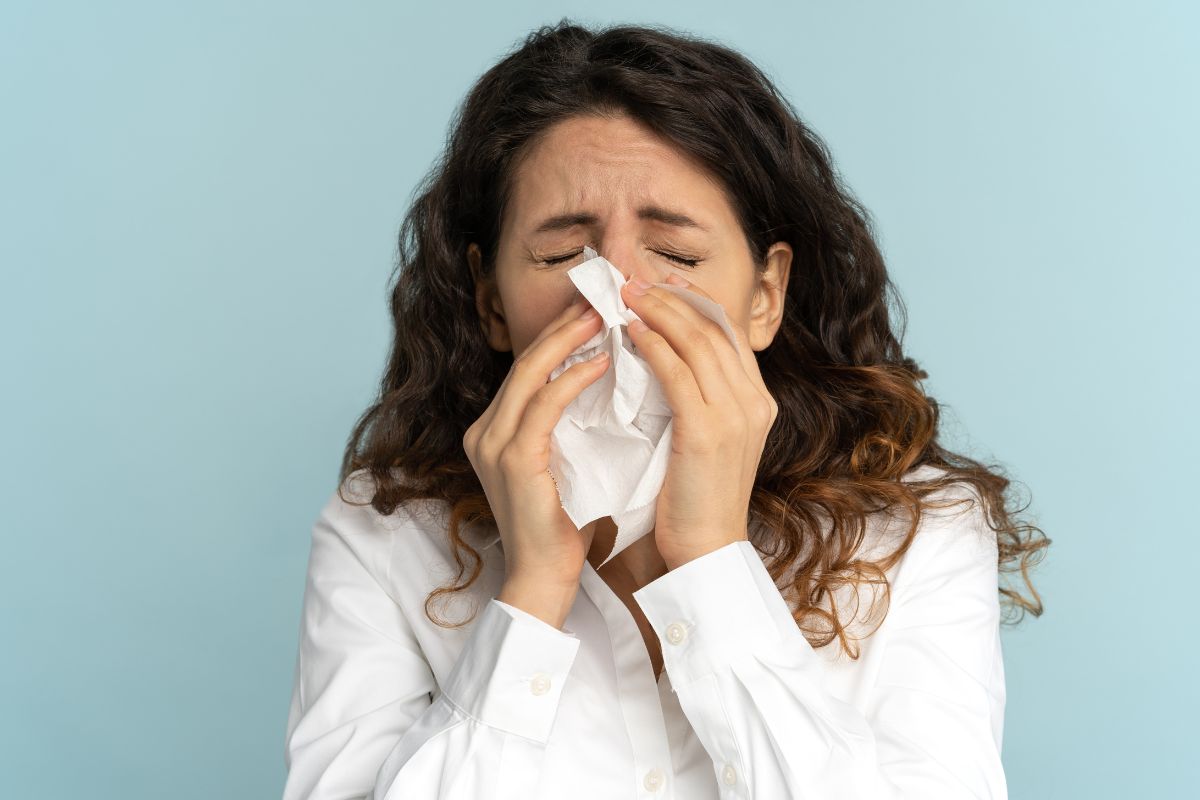
One sneeze. Fine. Two sneezes. Still fine. But ten sneezes before you’ve even had your morning tea that’s your body trying to tell you something.
Most people dismiss constant sneezing as a dust reaction or a sign that a cold is coming. They blow their nose, move on, and don’t think about it again. But when sneezing happens every day, multiple times a day, week after week it stops being a minor inconvenience and starts being a symptom worth paying attention to.
This blog covers what causes recurrent sneezing, what conditions are linked to it, how it’s diagnosed, what treatment works, and when you need to stop relying on home remedies and see a proper specialist.
What Is Recurrent Sneezing?
Sneezing is the body’s way of clearing irritants from the nasal passages. It’s a protective reflex. But when it becomes persistent happening in fits, every morning, or throughout the day for extended periods it means the nasal passages are repeatedly being triggered by something.
That something could be an allergen. An infection. A structural problem in the nose. Or an ongoing inflammatory condition. The sneezing itself isn’t the problem it’s the signal that something underneath needs addressing.
Why Do Some People Sneeze More in the Morning?
Morning sneezing is extremely common and has a specific cause. During sleep, dust mites, pet dander, and bedroom allergens accumulate on bedding, pillows, and mattresses. The moment you wake up and start moving turning over, sitting up, breathing more actively you disturb these particles. They enter the nasal passages and the sneezing begins.
This pattern of sneezing immediately after waking is one of the most telling signs of allergic rhinitis. It’s not random. It’s a consistent reaction to a consistent trigger. And when it’s happening every morning, it means the trigger is in your sleep environment.
Common Causes of Recurrent Sneezing
- Dust mites microscopic creatures that live in mattresses, pillows, carpets, and upholstered furniture. One of the most common causes of chronic sneezing. Dust mite allergen is present year-round, which is why people with this trigger sneeze consistently regardless of the season.
- Pollen trees, grass, and weeds release pollen that triggers immune reactions in sensitive individuals. Pollen-triggered sneezing follows seasonal patterns worse in spring and early monsoon, better in winter.
- Pet dander proteins in cat and dog skin cells, saliva, and urine cause significant allergic reactions. Pet dander triggers sneezing, itchy eyes, and nasal congestion in sensitive people, often within minutes of exposure.
- Mould spores damp environments, old buildings, bathrooms, and kitchens can harbour mould. Mould spore exposure causes sneezing and nasal irritation, particularly in humid conditions.
- Smoke, perfumes, and air pollution chemical irritants trigger sneezing without an immune response. This is called non-allergic rhinitis. The nasal passages react to the chemical rather than mounting an allergic response.
- Sudden weather or temperature changes stepping from a cool air-conditioned room into warm air, or breathing cold air in winter, can trigger sneezing reflexively. Temperature changes affect nasal blood vessel behaviour and mucous membrane sensitivity.
Symptoms That Come With Recurrent Sneezing
Recurrent sneezing rarely travels alone. What accompanies it helps identify the underlying cause.
- Runny nose clear, watery nasal discharge is the most common companion symptom. Characteristic of allergic rhinitis and viral upper respiratory infections.
- Itchy and watery eyes particularly common with seasonal pollen allergy and pet dander reactions. The eyes and nose share immune responses to airborne allergens.
- Nasal congestion a blocked feeling in the nose that makes breathing through it difficult. Can worsen at night, disrupting sleep.
- Coughing caused by post-nasal drip, where excess mucus runs down the back of the throat and triggers a cough reflex. Very common with both allergic rhinitis and sinusitis.
- Fatigue not something most people connect to sneezing, but constant nasal inflammation, broken sleep, and the immune system working overtime all cause genuine tiredness.
- Facial pressure or sinus pain if sinusitis is involved, there’s often a feeling of fullness or pressure around the cheeks, forehead, and behind the eyes.
- Hoarse voice when post-nasal drip and throat irritation develop alongside nasal symptoms, the voice can become rough or hoarse.
Conditions Linked to Recurrent Sneezing
- Allergic rhinitis the most common cause of chronic recurrent sneezing. The immune system overreacts to harmless substances like pollen, dust, or pet dander. This triggers inflammation in the nasal passages, producing sneezing, runny nose, and congestion. Allergic rhinitis can be seasonal or present all year round.
- Non-allergic rhinitis same symptoms as allergic rhinitis but no immune reaction involved. Triggered by irritants, temperature changes, strong smells, or hormonal changes. Allergy testing comes back negative.
- Sinusitis infection or inflammation of the sinus cavities. When sinuses are blocked and infected, mucus builds up, pressure develops, and the inflamed nasal passages trigger sneezing alongside facial pain and congestion.
- Nasal polyps soft, non-cancerous growths inside the nasal passages caused by chronic inflammation. They block airflow, cause constant congestion, and can trigger persistent sneezing. Often associated with chronic allergic rhinitis or sinusitis.
- Deviated nasal septum when the wall between the two sides of the nose is off-centre, airflow becomes uneven and the nasal passages are more sensitive to irritation.
- Common cold and viral infections acute viral upper respiratory infections cause sneezing as one of the first symptoms. This type resolves within one to two weeks.
How Is Recurrent Sneezing Diagnosed?
An ENT specialist will start with a full assessment of symptoms, history, and potential triggers before recommending tests.
- Physical examination the doctor examines the nasal passages for inflammation, structural abnormalities, and signs of infection.
- Allergy testing skin prick tests or specific IgE blood tests identify which allergens the immune system is reacting to. This is the most important step for anyone with suspected allergic rhinitis.
- Nasal endoscopy a thin flexible camera passed into the nasal passages provides a direct view of the nasal lining, sinuses, and any polyps or structural problems.
- CT scan of the sinuses detailed imaging of the sinus cavities. Used when sinusitis or nasal polyps are suspected and physical examination isn’t sufficient to assess the full picture.
- Blood tests check for elevated eosinophils or total IgE levels, which indicate allergic activity in the body.
Treatment for Recurrent Sneezing What Actually Works
- Antihistamines the first-line medication for allergic rhinitis and allergic sneezing. They block the histamine response that causes sneezing, itching, and runny nose. Available as tablets and nasal sprays. Non-drowsy formulations work well for daytime use.
- Nasal corticosteroids sprays that reduce inflammation directly in the nasal passages. More effective than antihistamines for long-term control of persistent sneezing. Need to be used consistently for a few days before full benefit is felt.
- Decongestants provide temporary relief from nasal congestion. Useful for short-term symptom control but shouldn’t be used for more than a few consecutive days without medical guidance.
- Allergy immunotherapy the only treatment that addresses the underlying cause rather than just the symptoms. Gradual exposure to increasing amounts of the allergen through allergy shots or sublingual tablets placed under the tongue desensitises the immune system over time. This is particularly effective for dust mite and pollen allergies. Long-term results are significant.
- Sinus treatments when sinusitis is causing sneezing, appropriate antibiotics, saline rinses, and in some cases endoscopic sinus surgery may be needed.
Home Remedies That Genuinely Help
These won’t cure the underlying cause but they meaningfully reduce symptom severity alongside proper treatment.
- Saline nasal rinse flushing the nasal passages with saline solution removes allergens, reduces inflammation, and clears excess mucus. One of the most consistently effective home measures for recurrent sneezing.
- Steam inhalation inhaling steam opens the nasal passages, loosens mucus, and soothes irritated membranes. Particularly helpful for sinusitis-related sneezing.
- Humidifier dry air worsens nasal irritation. A humidifier in the bedroom maintains air moisture and reduces morning sneezing significantly.
- Wash bedding regularly hot washing pillowcases, sheets, and duvet covers at 60°C kills dust mites. One of the most direct interventions for morning sneezing triggered by bedroom allergens.
- Keep pets out of bedrooms for people with pet dander sensitivity, keeping animals out of the sleeping environment makes a measurable difference to nighttime and morning symptoms.
- Avoid smoke and strong fragrances both are direct nasal irritants that worsen sneezing in anyone with sensitive nasal passages.
- Stay hydrated adequate fluid intake keeps mucous membranes moist and helps the nose function more effectively.
Tips to Prevent Recurrent Sneezing
Along with treating active symptoms, a few daily habits genuinely reduce how often sneezing fits happen:
- Keep windows closed during high pollen months, and use an air purifier indoors if pollen is a known trigger
- Vacuum and dust regularly — especially mattresses, curtains, and soft furnishings where dust mites collect
- Wash hands often, especially during cold and flu season, to reduce viral triggers
- Avoid sudden temperature shifts where possible — stepping straight from an air-conditioned room into hot air is a common trigger
- Manage stress — high stress can affect immune response and make nasal passages more reactive
- Get enough sleep — a tired body reacts more strongly to irritants and allergens
None of these guarantee zero sneezing, but together they meaningfully cut down frequency and severity.
Long-Term Effects if Left Unmanaged
Occasional sneezing is harmless. But when it goes on for weeks or months without proper management, it can start affecting daily life in ways people don’t always connect back to the sneezing itself:
- Disturbed sleep — a blocked or irritated nose at night affects sleep quality, which then affects energy the next day
- Reduced focus — constant sneezing and nasal discomfort are genuinely distracting during work, study, or daily tasks
- Skin irritation — repeated nose-wiping can cause soreness and redness around the nostrils
- Higher infection risk — chronic nasal inflammation makes sinus infections more likely over time
This is exactly why persistent sneezing deserves a proper look, rather than being managed indefinitely with over-the-counter antihistamines alone.
Red Flags That Need Medical Attention
Most recurrent sneezing has a manageable cause. But see a doctor if sneezing has been going on for several weeks without clear cause. If over-the-counter antihistamines aren’t providing adequate relief. If congestion is severe and affecting sleep quality significantly. If facial pain or pressure accompanies the sneezing suggesting sinusitis. If breathing through the nose has become genuinely difficult. If symptoms are worsening rather than staying stable.
An online ENT consultation through HealthPil means you can speak with an ENT specialist or allergist from home describe your trigger patterns, get allergy testing recommended, receive appropriate prescription medication, and have a proper management plan put in place without a long clinic wait.
When Should You See a Doctor?
Sneezing that happens occasionally after dust exposure is normal. But sneezing that is persistent, daily, affecting work or sleep, or accompanied by the symptoms above needs proper investigation.
Don’t manage chronic sneezing with antihistamines indefinitely without knowing what’s causing it. Identifying the trigger whether it’s dust mites, pollen, mould, or a sinus problem allows targeted treatment that actually resolves the problem rather than just suppressing symptoms repeatedly.
How HealthPil Can Help
HealthPil connects you with experienced ENT specialists and allergists who can properly assess chronic sneezing, identify the specific triggers through allergy testing, and develop a personalised treatment plan that goes beyond temporary symptom relief.
Whether you need allergy testing advice, prescription nasal sprays, or guidance on immunotherapy as a long-term solution expert support is available online from wherever you are. Book your online ENT consultation with HealthPil today.
Summary
Recurrent sneezing is most commonly caused by allergic rhinitis triggered by dust mites, pollen, pet dander, or mould. It can also result from non-allergic rhinitis, sinusitis, nasal polyps, or environmental irritants. Morning sneezing is a classic sign of bedroom allergen exposure. Diagnosis through allergy testing, nasal endoscopy, and sinus CT confirms the cause. Antihistamines and nasal corticosteroids control symptoms. Allergy immunotherapy addresses the underlying cause long-term. Saline nasal rinse, regular bedding washing, and humidifier use reduce symptom severity at home. If sneezing is persistent, affecting sleep, or not responding to over-the-counter treatment see an ENT specialist.
FAQ :
1. Is recurrent sneezing always due to allergies?
No. While allergic rhinitis is the most common cause, recurrent sneezing can also come from non-allergic rhinitis, sinus infections, structural nose problems, or environmental irritants with allergy tests coming back negative.
2. Is it normal to have a runny nose or frequent sneezing during pregnancy?
Yes, this is fairly common and is sometimes called rhinitis of pregnancy, caused by hormonal changes. Always check with your doctor before taking any medication during pregnancy.
3. Can recurrent sneezing be cured completely?
For allergic causes, avoiding the trigger can reduce or stop symptoms. For others, treatment focuses on long-term control rather than a permanent cure — though allergy immunotherapy can meaningfully reduce sensitivity over time.
4. How do I find out exactly what I'm allergic to?
An allergist can confirm this through a skin prick test or a specific IgE blood test, which identifies the exact allergens your immune system is reacting to.
5. Can stress make sneezing worse?
Yes. High stress can affect immune response and nasal sensitivity, sometimes making existing triggers feel more intense.
6. When does morning sneezing need a doctor's visit instead of home care?
If it happens daily for several weeks, disrupts sleep, comes with facial pain, or doesn’t respond to antihistamines, it’s time for a proper ENT evaluation rather than continued self-management.
References
- Leung AKC, Robson WLM. Sneezing. Available at:
PubMed - Hellings PW, Fokkens WJ. Allergic Rhinitis and Its Impact on Recurrent Sneezing. Available at:
PMC
Disclaimer:
This article is for informational purposes only and should not replace professional medical advice. Always consult an ENT specialist or healthcare provider for a proper diagnosis and treatment plan. HealthPil connects you with trusted doctors who can care for recurrent sneezing and other allergy-related issues.

Read our editorial policy