

You went for a routine blood test.
The report came back. And there it was one number flagged. High eosinophil count.
Now you’re sitting with the paper, not sure what to make of it. Is it serious? Is it just allergies? Do you need to worry?
Let’s talk about it. Simply. Clearly. No complicated words.
What Exactly Are Eosinophils?
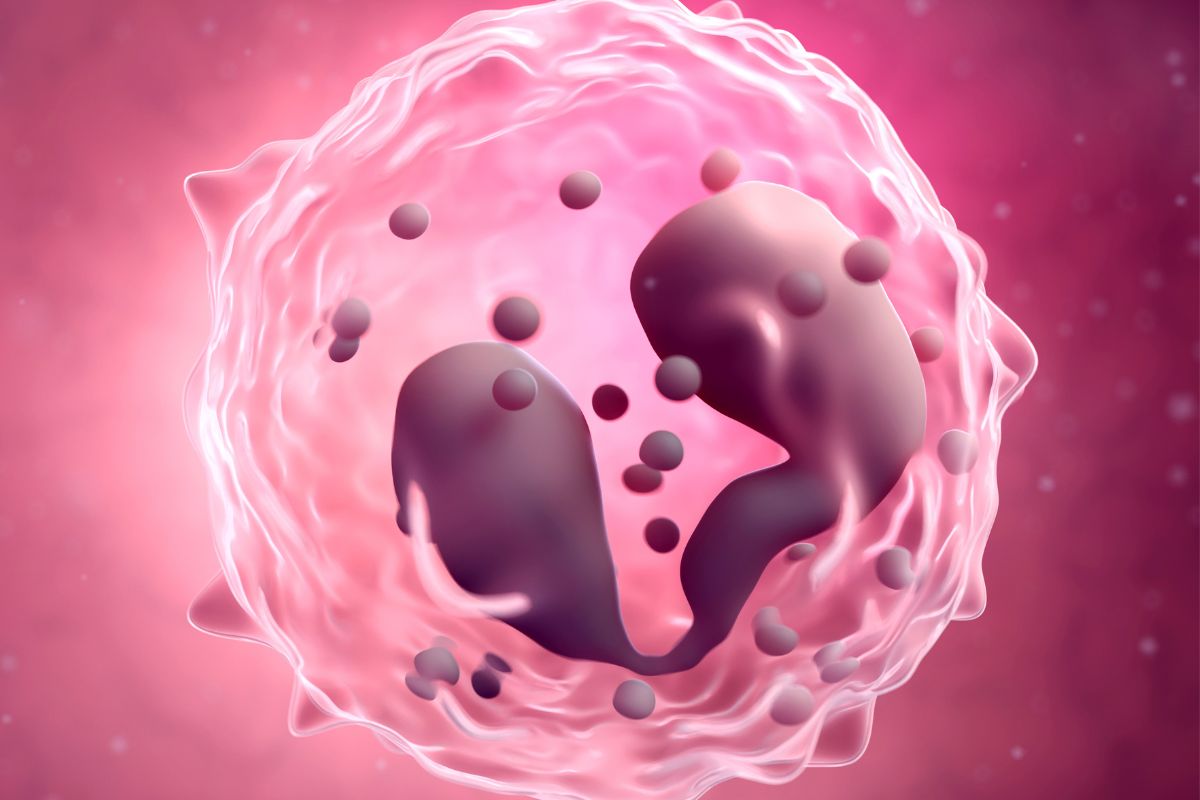
Eosinophils normally make up only 0 to 6 percent of your total white blood cells. In the lab, the blood sample is specially stained. Then eosinophils are counted. That percentage is multiplied by the total white blood cell count to get the absolute eosinophil count. This number is what tells the doctor whether eosinophilia is present or not.
A normal eosinophil count is between 0 and 500 cells per microliter of blood. When the number goes higher than that it’s called eosinophilia.
But here’s the thing. Elevated eosinophils aren’t a disease on their own. They’re a signal. Something in the body is causing the immune system to produce more of them than usual. The real question is what?
Types of Eosinophilia
- Blood eosinophilia — eosinophils are high in the bloodstream. This is what a complete blood count (CBC) test picks up.
- Tissue eosinophilia — eosinophils collect inside body tissues. The lungs, skin, gut, or nasal passages. Sometimes the blood count looks almost normal — but eosinophils are accumulating in tissue causing damage quietly.
- By severity: Mild 500 to 1,500. Usually allergy-related. Moderate 1,500 to 5,000. Needs proper investigation. Severe or hypereosinophilia above 5,000. Needs urgent specialist review.
Primary and Secondary Eosinophilia
Doctors also look at eosinophilia in two other ways. Primary eosinophilia happens when the problem starts directly in the blood cell-forming system like chronic eosinophilic leukaemia or hereditary eosinophilia. This is less common.
Secondary eosinophilia is far more common. It happens as a reaction to another condition allergy, infection, or autoimmune disease. Most cases fall into this category.
Hypereosinophilic Syndrome — HES is at the serious end. Very high eosinophil levels start damaging organs. The heart, lungs, and nervous system can all be affected. HES is rare but when it occurs, it needs specialist management immediately.
What Causes High Eosinophil Count?
Many things can drive eosinophilia. This is exactly why a proper workup matters.
- Allergies — this is the most common cause. Allergic rhinitis, hay fever, food allergy, drug allergy, skin allergy, eczema, atopic dermatitis. All of these trigger the immune system to push out more eosinophils. Allergy and eosinophilia are closely connected.
- Eosinophilic asthma — not all asthma is the same. In eosinophilic asthma, elevated eosinophils in the airways are directly driving inflammation. Wheezing, shortness of breath, and chronic cough that doesn’t respond well to standard treatment — this subtype matters for choosing the right therapy.
- Interestingly, eosinophilic asthma usually starts between the ages of 25 and 35. And oddly enough, most people with it don’t have typical allergies. It’s a distinct type of asthma that doesn’t fully respond to standard inhalers.
- Parasitic infection — one of the most common causes in India. Intestinal worms and parasites trigger a strong eosinophil response. The immune system is doing its job — fighting an invader. A stool test confirms this.
- Fungal infection — certain fungal infections, especially those involving the lungs, raise eosinophil levels.
- Drug allergy — antibiotics, anti-seizure drugs, NSAIDs — all of these can cause eosinophilia as part of a medication reaction. This is why a full medication history is always reviewed.
- Autoimmune disease — vasculitis and sarcoidosis involve significant immune overactivation. Both can raise eosinophil counts noticeably.
- Inflammatory bowel disease — Crohn’s and ulcerative colitis cause gut inflammation that elevates eosinophils.
- Chronic sinusitis — particularly when nasal polyps are also present, long-standing sinus inflammation drives elevated counts.
- Blood cancers — rare. But very high eosinophil counts always need this ruled out.
Eosinophilia Symptoms What You Might Feel
Here’s the honest truth. Eosinophilia itself often causes no direct symptoms. What you feel depends entirely on what’s causing the elevated count.
- Wheezing and shortness of breath — common when eosinophilic asthma or lung inflammation is involved.
- Chronic cough — a persistent cough that doesn’t respond to usual treatments can be linked to eosinophilic airway inflammation.
- Skin rash and itching — eczema, atopic dermatitis, and allergic skin conditions cause visible rash, redness, and intense itching.
- Sneezing, runny nose, watery eyes — classic allergic rhinitis and hay fever symptoms. Very common in allergy-driven eosinophilia.
- Fatigue — not ordinary tiredness. When the immune system is working overtime for months, the body exhausts. It doesn’t recover properly with sleep.
- Unexplained weight loss — this alongside elevated eosinophils is a red flag. See a doctor the same week.
- Stomach pain and digestive symptoms — bloating, diarrhoea, and abdominal discomfort when parasitic infection or inflammatory bowel disease is the driver.
- Breathing difficulty — when very high counts suggest lung involvement, breathing can be noticeably affected.
Red Flags Don’t Wait on These
Eosinophil count above 5,000 cells per microliter. Persistent breathing difficulty. Unexplained weight loss. Extreme fatigue that’s been going on for weeks. Chest pain alongside high eosinophil count. Severe skin rash not responding to treatment. Recurring digestive symptoms without clear cause.
These need urgent specialist consultation. Not more waiting.
How Eosinophilia Is Diagnosed
- Complete blood count — CBC — the eosinophil blood test that first identifies the problem. Usually found during routine blood work.
- Allergy testing — skin prick tests or IgE blood tests identify which specific allergens the immune system is reacting to. Essential when allergy and eosinophilia are linked.
- Stool examination — checks for parasites and their eggs when parasitic infection is suspected.
- CT scan — imaging of the chest, abdomen, or sinuses. Checks for organ involvement, lung disease, or tissue eosinophilia.
- Bone marrow biopsy — done when counts are very high and blood cancers or hypereosinophilic syndrome need to be ruled out properly.
- Additional blood tests — kidney function, liver function, and inflammation markers help understand how far eosinophilia has spread and whether organs are affected.
Eosinophilia Treatment
Treatment always targets the underlying cause. There is no single medicine that fixes all eosinophilia because what drives it differs in every person.
- Allergy treatment — antihistamines and nasal corticosteroids reduce allergic responses and bring eosinophil levels down. Avoiding the identified allergen reduces immune activation directly.
- Immunotherapy — allergy shots or sublingual tablets gradually desensitise the immune system to specific triggers. Particularly effective for allergic rhinitis and eosinophilic asthma over the long term.
- Corticosteroid treatment — oral or inhaled corticosteroids reduce inflammation powerfully. Used when counts are moderate to high or when organ involvement is present. Very effective at bringing eosinophil levels down.
- Antiparasitic treatment — when parasitic infection is confirmed, the right antiparasitic medicine clears the infection and normalises the count.
- Treating autoimmune or blood disorders — vasculitis, sarcoidosis, inflammatory bowel disease, and hypereosinophilic syndrome all have their own specific treatment pathways.
- Biologic medications — newer targeted therapies specifically reduce eosinophil production. Used for severe eosinophilic asthma and HES not controlled by standard treatment. This is an advancing area with meaningful results.
How to Reduce Eosinophil Count Naturally
Medical treatment comes first. But these lifestyle measures genuinely support immune balance alongside proper treatment.
- Avoid known triggers — dust, pollen, pet dander, and foods or medications that trigger reactions. Less allergen exposure means less immune activation.
- Quit smoking — smoking worsens airway inflammation and disrupts immune function directly.
- Keep the home clean — hot-wash bedding regularly. Vacuum with a HEPA filter. Reduce carpeting where possible. Dust mite exposure goes down significantly.
- Eat an anti-inflammatory diet — vegetables, fruits, oily fish with omega-3, whole grains. Reduce processed food and sugar. Both directly affect immune inflammation levels.
- Stay hydrated — water supports immune function more than most people realise.
- Manage stress — chronic stress actively dysregulates the immune system. Sleep, movement, and stress reduction all support better immune balance.
- Get vitamin D levels checked — deficiency is extremely common in India and is linked to worsening of allergic and inflammatory conditions.
- Treat infections promptly — parasitic and fungal infections that sit untreated keep pushing eosinophil counts upward month after month.
When Should You See a Doctor?
If a routine blood test flagged high eosinophil count and you haven’t had it investigated. If breathing difficulty, wheezing, or chronic cough is present. If skin rash and itching aren’t responding to basic allergy management. If fatigue has been unexplained for weeks. If digestive symptoms keep coming back. If a second blood test shows the count is still rising.
An online doctor consultation for eosinophilia through HealthPil means you can discuss your CBC results directly with an allergy specialist, immunologist, or hematologist from home. No hunting for the right clinic. No long wait to see the right specialist.
How HealthPil Can Help
HealthPil connects you with experienced allergists, immunologists, pulmonologists, and internal medicine specialists who can properly evaluate elevated eosinophils, identify the cause, and build the right treatment plan.
Whether it’s seasonal allergies, eosinophilic asthma, a parasitic infection, or something that needs further investigation expert support is available online. Book your consultation with HealthPil today.
Summary
Eosinophilia means elevated eosinophils above the normal count in blood. Most commonly caused by allergies, parasitic infection, or eosinophilic asthma. Can also result from autoimmune disease, inflammatory bowel disease, or rarely blood cancers. CBC test confirms the elevation. Allergy testing, stool examination, and CT imaging identify the cause. Treatment uses corticosteroids, antihistamines, antiparasitics, or immunotherapy depending on the root cause. Lifestyle changes support immune balance alongside medical treatment. High counts or worsening symptoms need specialist evaluation not waiting.
FAQ :
1. What is a high eosinophil count called?
It’s called eosinophilia. It means your eosinophil count has gone above 500 cells per microliter of blood. It’s not a disease by itself. It’s a sign that something else is going on in the body.
2. What is the normal eosinophil range?
A normal count is between 0 and 500 cells per microliter. In percentage terms, eosinophils usually make up 0 to 6 percent of your total white blood cells. Anything higher needs a closer look.
3. Can eosinophilia go away on its own?
Sometimes, yes especially if it’s linked to a mild allergy or a short infection. But if the count stays high or keeps rising, it won’t fix itself. The underlying cause needs proper treatment.
4. Is high eosinophil count serious?
Not always. Mild eosinophilia is often just allergies. But moderate to severe levels especially above 1,500 need proper investigation. Very high counts, above 5,000, can affect organs like the heart and lungs, so those need urgent care.
5. Which doctor should I consult for eosinophilia?
It depends on the cause. An allergist or immunologist is usually the first stop. If lungs are involved, a pulmonologist helps. For very high counts, a hematologist may be needed to rule out blood disorders.
6. Can diet help reduce eosinophil count?
Yes, alongside proper treatment. An anti-inflammatory diet, avoiding trigger foods, and staying hydrated all help. In some gut-related cases, doctors recommend a Six-Food Elimination Diet to identify the exact trigger.
7. Does eosinophilia mean I have a parasitic infection?
Not always, but it’s one of the most common causes, especially in India. A stool test can confirm or rule this out. Allergies and asthma are equally common causes too, so the count alone doesn’t tell you the reason testing does.
References
- Kanuru S, Sapra A. Eosinophilia. StatPearls Publishing. Available at:
NCBI Bookshelf - Kanuru S, Sapra A. Eosinophilia. Available at:
PubMed
Disclaimer:
This article is for informational purposes only and should not replace professional medical advice. Always consult your doctor for a proper diagnosis and treatment plan. HealthPil connects you with trusted doctors who can help manage eosinophilia and related conditions effectively.

Read our editorial policy