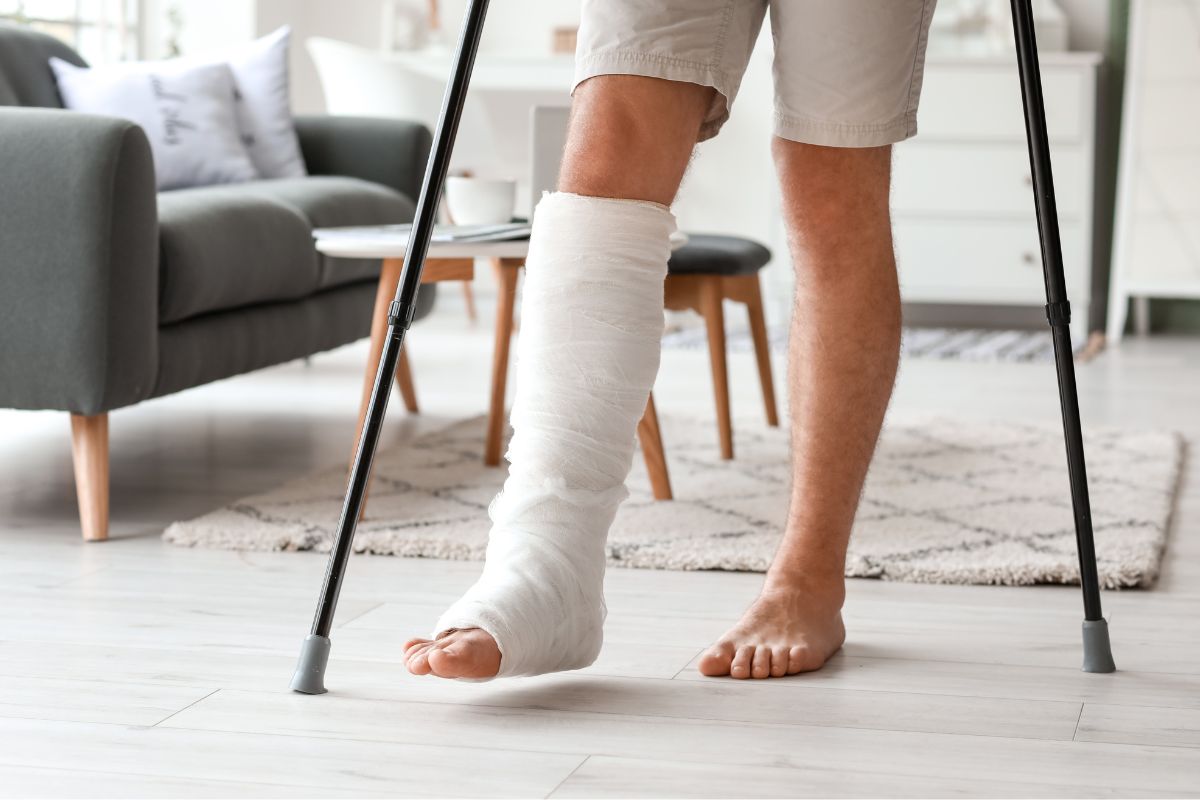
Orthopaedic injuries are prevalent, especially among athletes and active individuals. Understanding common injuries, their causes, prevention strategies, and treatment options is crucial for maintaining an active lifestyle and avoiding setbacks.
Common Orthopedic Injuries:
1. Sprains and Strains:
Injuries to ligaments (sprains) or muscles/tendons (strains) are often caused by overuse, falls, or twisting movements. Common sites include the ankle, knee, and wrist.
2. Fractures:
Broken bones can result from falls, accidents, or high-impact activities. The most common fractures include wrist, ankle, and hip fractures.
3. Tendonitis:
Inflammation of the connective tissues (tendons) that link your muscles and bones. It can be uncomfortable and often caused by repetitive activity. Tennis elbow and Achilles tendinitis are common examples.
Prevention Strategies:
1. Warm-Up and Cool Down:
Proper stretching and warming up before physical activity can prevent injuries, and cooling down helps with muscle recovery.
2. Use Proper Equipment:
Injury risk can be decreased by using appropriate footwear and protective equipment, such as braces or knee pads.
3. Strength Training:
Strengthening the muscles surrounding joints increases support and lowers the risk of injury. For total stability, concentrate on core strengthening workouts.
4. Listen to Your Body:
Your body uses pain to communicate. If you feel pain while doing any sort of activity, don’t ignore it. Give your body time to heal and seek treatment if required.
Treatment Options:
1. R.I.C.E. Method:
For acute injuries, Rest, Ice, Compression, and Elevation are a must for managing pain and swelling.
2. Physical Therapy:
Physiotherapy improves a patient’s strength and ability to walk easily. Physical therapists can design personalised exercise programs tailored to individual needs.
3. Surgery:
If conventional methods can’t treat your bones or ligament fractures, then surgery may be needed to fix those broken bones and ligaments.
FAQs
How long does it take to recover from an orthopaedic injury?
Recovery varies for each case. Depending on how severe and complicated a case is, it can take ranging from a few weeks to several months.
When should I see a doctor for an orthopaedic injury?
If you have excruciating pain, swelling, or difficulty using the affected area, get medical help.
Disclaimer:
This information is for educational purposes only and should not replace professional medical advice. Always consult your healthcare provider for personalised recommendations.
How HealthPil Can Help:
HealthPil connects you with orthopaedic specialists who can provide comprehensive assessments and tailored treatment plans for orthopaedic injuries. Schedule your appointment today and get back to doing what you love!
Author
-
The HealthPil Content Team is a collective of doctors, medical writers, and editors who care deeply about making health information easy to understand, genuinely helpful, and backed by scientific evidence, not trends or fear. What drives us is the belief that people deserve clear, honest answers to their health questions, without having to sift through clickbait, confusing jargon, or misinformation.
Our content is created in close collaboration with practising doctors and experts across various specialties, whether it’s diabetes, heart health, cancer, mental health, or even everyday issues like digestion, sleep, or skin concerns. This ensures that everything you read on HealthPil is not just scientifically accurate, but also practical, real, and something you can actually relate to.
We also understand that health is personal. That’s why we take time to answer queries completely free of cost, because sometimes all someone needs is the right information that offers value.
Every article, guide, or post on HealthPil is written with care and reviewed by our doctors, with the simple aim of helping you feel more confident and less overwhelmed when it comes to your health.
If there’s a health question on your mind, we’re happy to answer!