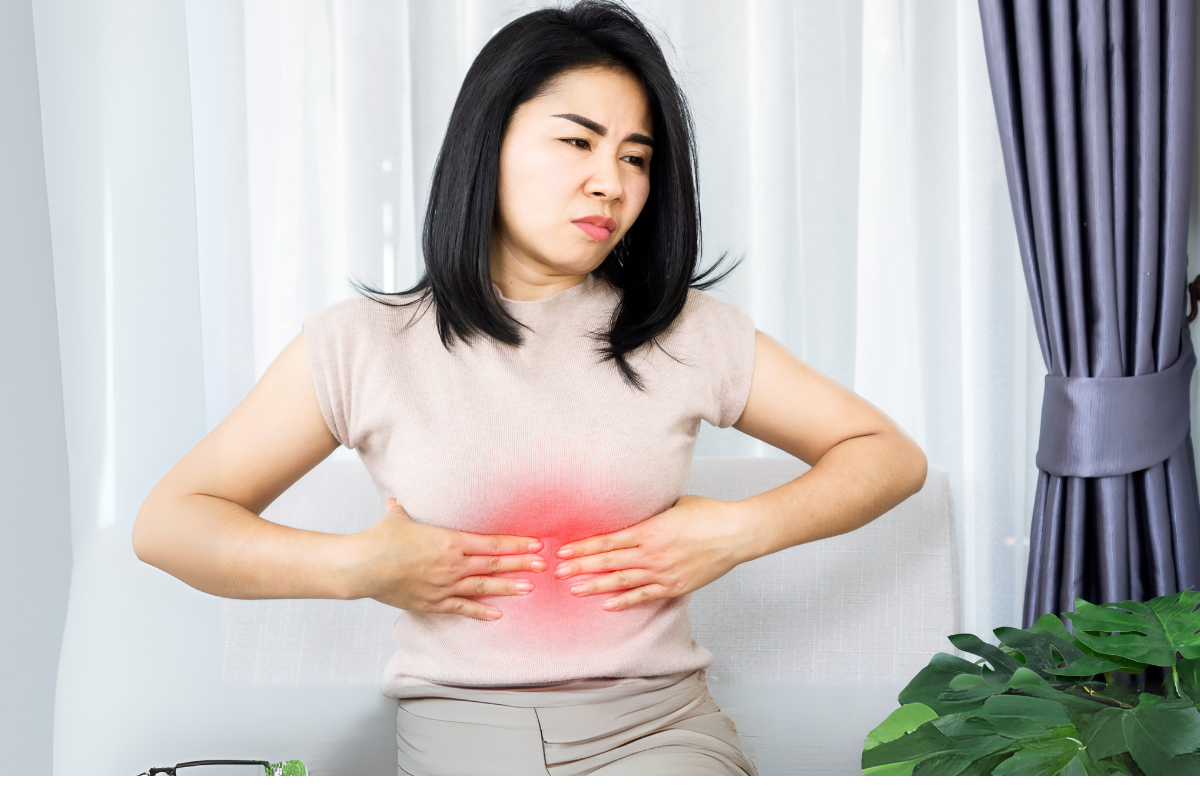
Millions of individuals suffer from gastroesophageal reflux disease (GERD) around the globe, which is a common and chronic gastrointestinal condition. This condition causes discomfort and many symptoms when bile or stomach acid irritates the food pipe lining. In India, the prevalence of GERD is increasing due to poor dietary habits, stress, and sedentary lifestyles. This article explores the symptoms, causes, treatment options, and preventive measures for GERD, along with a particular focus on managing it effectively.
What is GERD?
GERD happens when acid reflux becomes severe. As a result, stomach acid or bile starts flowing backwards into the oesophagus. This constant acid exposure can damage the lining of the oesophagus, causing inflammation and symptoms like dyspepsia, heartburn, regurgitation, and chest pain. If left untreated, GERD can lead to severe complications such as oesophagal stricture or even cancer.
Symptoms of GERD:
● Heartburn: A burning feeling in the throat area or chest that usually occurs after eating or while you’re sleeping.
● Regurgitation: Acid from the stomach entering the throat can result in a sour or bitter aftertaste in the mouth.
● Dysphagia: The trouble swallowing or the feeling that food is lodged in the throat or chest.
● Chronic Cough or Hoarseness: A persistent cough or sore throat resulting due to irritation from stomach acid.
● Chest Pain: Severe discomfort that can mimic a heart attack, particularly after eating or lying down.
Causes and Risk Factors
1. Weak Lower Esophageal Sphincter (LES):
The LES muscle keeps acid from returning to the oesophagus. When this muscle weakens or relaxes inappropriately, it allows acid reflux.
2.Obesity:
Carrying too much weight strains the stomach, which ultimately increases the chances of acid reflux.
3.Hiatal Hernia:
A condition where the stomach’s upper portion slides above the diaphragm, allowing acid reflux into the oesophagus.
4.Diet:
Citrus fruits, spicy foods, caffeine, or chocolates can trigger GERD.
5. Pregnancy:
Due to growing foetus and changes in hormones.
Treatment Options:
1. Lifestyle Modifications:
● Weight Management: Losing weight can reduce pressure on the stomach and its associated symptoms.
● Dietary Changes: Avoid large meals, caffeine, chocolate, and alcohol. Eat smaller, more frequent meals.
●Avoid Lying Down After Eating: After eating, give yourself at least two to three hours before you lie down or go to bed.
● Elevate the Head of Your Bed: Raise your bedhead to prevent acid from flowing back into the oesophagus during sleep.
2. Medications:
● Antacids: Over-the-counter antacids neutralise stomach acid and provide quick relief from heartburn.
● Proton Pump Inhibitors (PPIs) reduce stomach acid production, helping prevent GERD symptoms and oesophageal damage.
● H2 Receptor Antagonists: These drugs decrease stomach acid production and relieve symptoms.
3. Surgical Treatment:
● Fundoplication: When lifestyle modifications and medications are incapable of providing relief to a person, doctors might consider strengthening LES muscles through a surgery known as Fundoplication.