

Fear of cancer is common but sometimes, that fear is made worse by misinformation. Many people delay screenings, avoid treatment, or make decisions based on myths they read online. These misconceptions can genuinely affect health outcomes. This article addresses the most common cancer myths and replaces them with medically accurate facts.
What Are Cancer Myths?
Cancer myths are false beliefs or misconceptions that create unnecessary fear, delay diagnosis, or prevent people from seeking proper medical treatment. They spread through word of mouth, unverified online sources, and social media and in many cases, they cause more harm than the condition itself.
Why Are Cancer Myths Dangerous?
Believing cancer myths can delay early diagnosis, prevent timely treatment, increase anxiety, and negatively affect survival outcomes. A patient who believes cancer is always fatal, for example, may not pursue treatment at all — which directly reduces their chances of recovery.
Myth 1: Cancer is Always Inherited
Myth: If someone in your family had cancer, you will get it too.
Fact: Only a small percentage of cancers are directly inherited. The majority are caused by a combination of lifestyle choices, environmental exposure, and other factors unrelated to family history. Having a relative with cancer may slightly increase your risk for certain types, but it is not a certainty. Genetic counselling can help you understand your personal risk more clearly.
Can non-smokers get lung cancer?
Yes. Non-smokers can develop lung cancer due to secondhand smoke, air pollution, radon gas, asbestos exposure, or genetic factors. Smoking is the leading risk factor, but it is not the only one.
Myth 2: Cancer is a Death Sentence
Myth: A cancer diagnosis means there is no hope.
Fact: Cancer is not always fatal. Many cancers are highly treatable, particularly when detected early. Survival rates have improved significantly over the past two decades due to advances in surgery, chemotherapy, radiation therapy, targeted therapy, and immunotherapy. The outcome depends heavily on the type of cancer, the stage at diagnosis, and the treatment received — not the diagnosis alone.
Can cancer be cured?
Many cancers can be treated successfully when diagnosed early. The word “cure” depends on the cancer type, but long-term remission and full recovery are achievable outcomes for a significant number of patients.
Myth 3: Chemotherapy Always Causes Hair Loss
Myth: All chemotherapy treatment leads to hair loss.
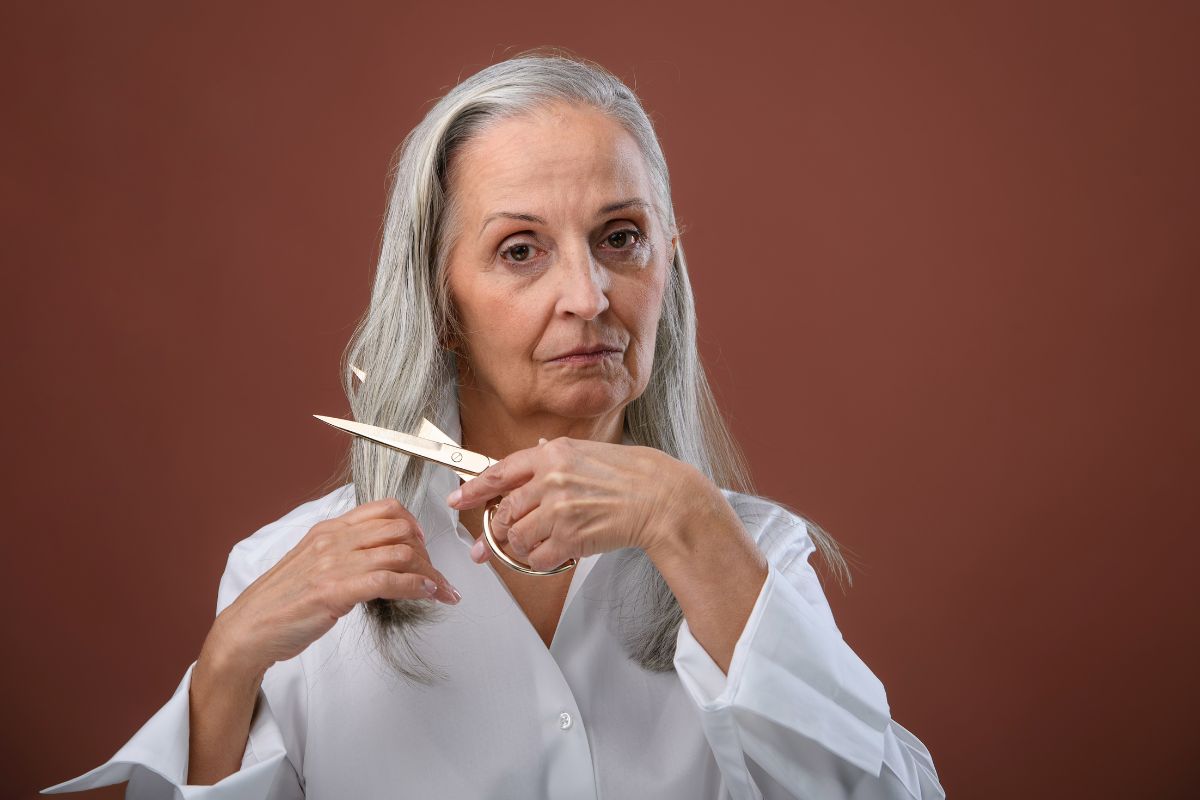
Fact: Hair loss is a side effect of some chemotherapy drugs, not all of them. Whether a patient experiences hair loss depends on the specific drug used, the dosage, and individual response. Some patients experience minimal hair thinning, while others may not experience it at all. Scalp cooling techniques are also available at many cancer centres and can reduce this side effect in eligible patients. Each treatment plan is personalised — side effects vary from person to person.
Myth 4: Alternative Therapies Can Cure Cancer
Myth: Natural remedies or alternative therapies can replace conventional cancer treatment.
Fact: There is no scientific evidence that alternative therapies alone can cure cancer. Conventional treatments — surgery, chemotherapy, radiation, targeted therapy, and immunotherapy — are supported by decades of clinical research and remain the standard of care. Some complementary therapies may help manage side effects such as nausea, fatigue, or anxiety when used alongside prescribed treatment. They should support conventional care, not replace it. Always inform your oncologist before starting any alternative or herbal remedy.
Are alternative therapies enough for cancer?
No. Alternative therapies may help manage symptoms or treatment side effects but should not replace evidence-based cancer treatments recommended by oncologists.
Myth 5: Cancer is Contagious
Myth: You can catch cancer from being around someone who has it.
Fact: Cancer is not contagious. It cannot spread from one person to another through physical contact, sharing food, or being in the same room. However, certain viruses — such as HPV (human papillomavirus) and Hepatitis B and C — can increase the risk of developing specific cancers. These viruses can be transmitted between people, but the virus itself is not cancer.
Early Signs of Cancer
The following symptoms do not always indicate cancer, but they should not be ignored — particularly if they persist for more than two to three weeks:
- A new lump or swelling anywhere in the body
- Unexplained weight loss
- Persistent cough or hoarseness
- Unusual bleeding or discharge
- A sore that does not heal
- Changes in bowel or bladder habits
- Persistent fatigue without a clear cause
- Changes in a mole or skin lesion
- Difficulty swallowing or persistent indigestion
Early evaluation by a doctor is always the right step when these symptoms are present.
Cancer Screening Saves Lives
Regular cancer screening can detect the disease at an early, more treatable stage often before symptoms even appear. Commonly recommended screening tests include:
- Mammogram — for breast cancer detection
- Pap smear — for cervical cancer screening
- Colonoscopy — for colorectal cancer
- PSA test — for prostate cancer in men
- Low-dose CT scan — for lung cancer in high-risk individuals
Talk to your doctor about which screenings are appropriate for your age, gender, and risk profile.
When Should You See a Doctor?
Consult a doctor if any of the early warning signs listed above persist for more than two to three weeks, or if you have concerns about your cancer risk based on family history or lifestyle factors. Do not wait for symptoms to become severe before seeking an evaluation.
If visiting a hospital is difficult, you can book an online oncologist consultation through HealthPil to discuss your symptoms, understand whether further tests or cancer screening are needed, and receive expert guidance from the comfort of your home.
How HealthPil Can Help
HealthPil connects you with experienced oncologists for second opinions, treatment guidance, cancer screening advice, and ongoing support. Whether you have questions about a recent diagnosis or want to understand your risk, expert help is available online without long wait times or hospital visits.
Summary
Cancer myths are common, but believing them can delay diagnosis and affect treatment outcomes. Most cancers are not inherited, many are treatable when caught early, and chemotherapy side effects vary widely between patients. Alternative therapies cannot replace conventional treatment, and cancer cannot be spread from person to person. The most effective tools available are accurate information, regular screening, and early medical consultation. If you notice any persistent symptoms or have concerns about your cancer risk, speak to a doctor the earlier, the better.
FAQs:
Is cancer always inherited?
No, only a small percentage of cancers are inherited. Lifestyle factors and environmental influences play a much more significant role.
Can cancer be cured?
If caught early, many cancers are treatable. Due to smart innovations, survival rates have increased significantly in recent years.
Does chemotherapy always cause hair loss?
Not all chemotherapy drugs cause hair loss. There are treatments available to minimise this side effect.
Can alternative therapies cure cancer?
No, there is no magical cure. Conventional treatments like chemotherapy and surgery remain the most effective options.
Is cancer contagious?
No, you cannot catch cancer from someone else. Cancer is not contagious.
Disclaimer:
The information provided here is for educational purposes only and should not be used as a substitute for professional medical advice, diagnosis, or treatment. Always consult your healthcare provider for medical advice tailored to your specific condition.

Read our editorial policy