

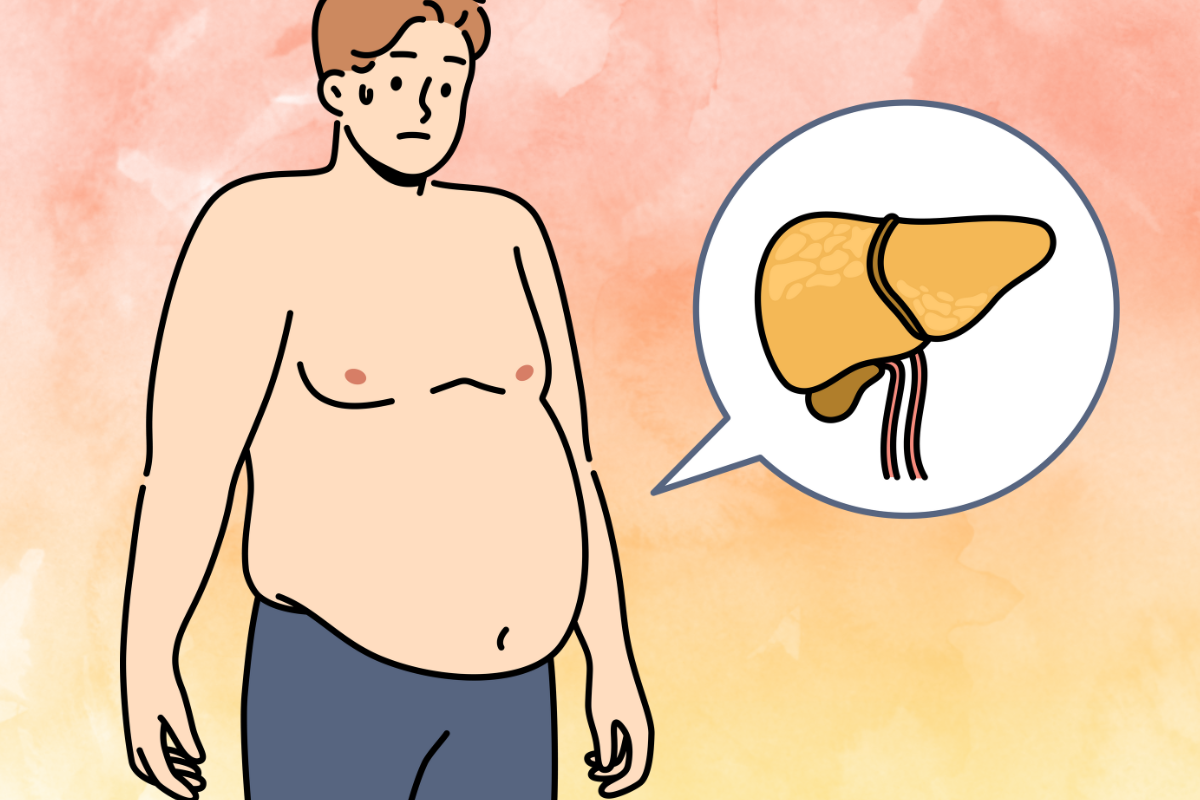
Liver cirrhosis is what happens after years of unaddressed liver damage. Scar tissue gradually replaces healthy liver cells. The liver shrinks, hardens, and loses its ability to function. And because the early signs of liver cirrhosis are either absent or easy to dismiss mild fatigue, some bloating, occasional weakness most people discover they have chronic liver disease later than they should.
This blog covers everything you need to know. What liver cirrhosis is, what causes it, what symptoms to watch for, how it is diagnosed, and what treatment actually helps.
What Is Liver Cirrhosis?
Liver cirrhosis is the end result of long-term, repeated liver damage. Every time the liver is injured by alcohol, a virus, fat accumulation, or another cause it heals by forming scar tissue. This is hepatic fibrosis. Over time, as liver fibrosis becomes extensive, it disrupts the normal architecture of the liver.
Blood cannot flow through properly. The liver cannot perform its functions producing proteins, clearing toxins, processing bile. Liver scarring accumulates. Liver inflammation persists. And eventually, liver damage becomes so extensive that the organ can no longer compensate.
This is liver cirrhosis. And once established, the scarring is irreversible. The goal of treatment at this stage is to prevent further liver damage and manage complications not to undo what has already happened.
According to the Indian Journal of Gastroenterology, chronic liver disease and cirrhosis are among the top ten causes of death in India with alcoholic liver disease and viral hepatitis being the leading drivers.
Early Signs of Liver Cirrhosis
Before cirrhosis develops fully, the liver goes through stages of liver inflammation and liver fibrosis that can last years or decades. During this time, symptoms of liver damage are minimal or absent which is why chronic liver disease is often called a silent condition.
Early signs of liver cirrhosis, when they do appear, include:
Fatigue and weakness — unexplained tiredness that does not improve with rest. The most common early symptom and the most frequently dismissed.
Mild loss of appetite — reduced desire to eat, particularly in the morning.
Vague abdominal discomfort — bloating and digestive issues after meals without a clear cause.
A general feeling of being unwell — not quite right, but nothing specific enough to investigate.
These early warning signs are easy to attribute to stress, poor sleep, or overwork. Many people do exactly that — for years. By the time more obvious symptoms of liver damage develop, significant liver scarring is usually already present.
Liver Cirrhosis Symptoms
As liver cirrhosis progresses and liver function deteriorates, symptoms become more pronounced and harder to ignore.
Jaundice — yellowing of the skin and eyes as the liver loses its ability to process bilirubin. One of the most visible liver cirrhosis symptoms.
Ascites and abdominal swelling — fluid accumulates in the abdominal cavity when portal hypertension and low albumin combine. The belly becomes visibly distended. Ascites treatment becomes necessary as the disease advances.
Swollen legs and oedema — fluid retention from reduced protein production causes swelling in the legs, ankles, and feet.
Itchy skin — bile salts accumulating in the skin cause persistent, distressing itching. A symptom many people don’t associate with liver disease.
Easy bruising and bleeding — the liver produces clotting proteins. When it cannot, minor injuries bleed more and bruises appear without obvious cause.
Fatigue and weakness — severe and persistent in advanced cirrhosis, often the most debilitating daily symptom of liver damage.
Unexplained weight loss — muscle wasting is common in advanced chronic liver disease. The liver’s reduced metabolic function contributes significantly.
Liver pain symptoms — dull discomfort or aching in the upper right abdomen where the liver sits.
Dark urine — tea-coloured urine from elevated bilirubin levels.
Hepatic encephalopathy and mental confusion — toxins the liver can no longer clear build up in the bloodstream and affect brain function. Ranges from mild confusion and forgetfulness to disorientation and coma in severe cases.
Spider angiomas — small spider-like blood vessels visible on the skin, particularly on the upper chest and face. A characteristic physical sign of cirrhosis.
Enlarged liver and enlarged spleen — detectable on physical examination or imaging.
Liver Cirrhosis Causes and Risk Factors
Alcoholic liver disease and chronic alcohol abuse — the most common cause of liver cirrhosis in India. Years of heavy drinking cause fat accumulation, then liver inflammation, then progressive liver fibrosis. Alcohol-related liver disease progresses silently until the liver damage is advanced. Stopping alcohol at any stage even late slows progression significantly.
Hepatitis B and Hepatitis C — viral hepatitis causes chronic liver inflammation that, over years and decades, drives liver fibrosis and cirrhosis. Hepatitis B vaccination has dramatically reduced new infections. Hepatitis C is now curable with modern antiviral treatment for hepatitis but only if diagnosed. Many people carry chronic hepatitis C for decades without knowing it.
Fatty liver disease — NAFLD and NASH — non-alcoholic fatty liver disease is now the fastest-growing cause of cirrhosis globally. In a subset of patients, NAFLD progresses to NASH non-alcoholic steatohepatitis where active liver inflammation drives fibrosis. Fatty liver to cirrhosis progression can take 10 to 20 years. Obesity and diabetes and liver disease are the primary drivers of this pathway.
Wilson’s disease and hemochromatosis — Wilson’s disease causes excess copper accumulation in the liver. Hemochromatosis causes excess iron buildup. Both cause progressive liver damage if untreated. These are rare but important causes of liver cirrhosis, particularly in younger patients.
Autoimmune hepatitis — the immune system attacks the liver’s own cells. Can affect any age group and responds well to immunosuppressive treatment when caught early.
Primary biliary cirrhosis and primary sclerosing cholangitis — both involve bile duct blockage and progressive liver damage. Primary biliary cirrhosis is more common in middle-aged women. Primary sclerosing cholangitis is often associated with inflammatory bowel disease. Both cause progressive liver scarring without management.
Obesity and diabetes and liver disease — both independently drive NAFLD and metabolic liver disease. Obesity and liver disease are increasingly inseparable in the Indian clinical context, with rising rates of metabolic syndrome contributing to chronic liver disease across all age groups.
Liver Cirrhosis Stages
Understanding liver cirrhosis stages helps explain why early diagnosis changes outcomes so dramatically.
Stage 1 — Liver inflammation
Mild liver damage, minimal liver fibrosis. Largely reversible if the underlying cause is addressed. No symptoms in most cases.
Stage 2 — Liver fibrosis
Scar tissue formation is underway. Liver function is reduced but still adequate. Still potentially reversible with treatment of the underlying cause.
Stage 3 — Cirrhosis
Severe, extensive liver scarring. Symptoms become visible. Liver function significantly impaired. Largely irreversible, but progression can be slowed.
Stage 4 — End-stage liver disease — ESLD
Liver failure. Major liver complications — ascites, variceal bleeding, hepatic encephalopathy. Liver transplantation becomes necessary.
Stage 5 — Hepatocellular carcinoma
Liver cancer arising from long-standing cirrhotic tissue. Hepatitis B, hepatitis C, and alcoholic liver disease significantly elevate liver cancer risk in cirrhotic patients. Regular ultrasound liver screening and AFP blood testing are essential.
Liver Cirrhosis Complications
Portal hypertension — liver scarring blocks blood flow through the liver, raising pressure in the portal vein. Portal hypertension treatment is central to managing cirrhosis complications.
Oesophageal varices — dilated veins in the oesophagus form as blood finds alternative routes around the blocked liver. When these rupture, they cause life-threatening internal bleeding a medical emergency.
Ascites — fluid accumulation in the abdomen from portal hypertension and low albumin. Uncomfortable, recurrent, and a marker of advanced chronic liver disease.
Spontaneous bacterial peritonitis — infection of ascitic fluid. A serious, potentially fatal liver complication requiring immediate antibiotic treatment.
Hepatic encephalopathy — toxins accumulate in the blood when the liver cannot clear them, affecting brain function. Hepatic encephalopathy treatment involves lactulose, rifaximin, and dietary modification.
Hepatorenal syndrome — kidney failure triggered by advanced liver disease. Indicates end-stage liver disease and poor prognosis without transplant.
Hepatocellular carcinoma — liver cancer arising from cirrhotic tissue. Regular liver screening is essential because early detection significantly improves outcomes.
Liver Cirrhosis Diagnosis
Liver function test and liver enzyme test — blood tests measuring ALT, AST, bilirubin, albumin, and clotting factors. Abnormal results indicate liver damage and help assess severity. Often the first abnormality detected on routine blood tests.
FibroScan liver — transient elastography — measures liver stiffness, a non-invasive marker of liver fibrosis and cirrhosis. Quick, painless, and increasingly the preferred method for liver monitoring and staging liver fibrosis without a biopsy.
Ultrasound liver — first-line imaging. Shows liver texture, size, and early signs of cirrhosis, portal hypertension, and ascites.
CT scan liver and MRI liver — more detailed imaging for assessing the extent of liver scarring, detecting hepatocellular carcinoma, and evaluating portal hypertension complications.
Liver biopsy — the definitive test for confirming cirrhosis and assessing the degree of hepatic fibrosis when non-invasive tests are inconclusive.
Liver Cirrhosis Treatment
There is no treatment that reverses established liver cirrhosis. The goals of liver disease treatment are stopping further liver damage, managing complications, and in appropriate cases, liver transplantation.
Treat the underlying cause — this is the most important intervention at every stage of chronic liver disease:
Antiviral treatment for hepatitis — modern antivirals for hepatitis C achieve cure in over 95 percent of patients. Hepatitis B antivirals suppress the virus and dramatically slow liver fibrosis progression.
Complete alcohol cessation — in alcoholic liver disease, stopping alcohol at any stage slows progression and improves liver cirrhosis life expectancy significantly.
Weight management for fatty liver — sustained weight loss in NAFLD patients reduces liver fat, liver inflammation, and liver fibrosis. One of the most effective lifestyle changes for liver health.
Liver medications:
Diuretics — spironolactone and furosemide reduce ascites through ascites treatment by promoting fluid excretion.
Lactulose — reduces ammonia absorption from the gut for hepatic encephalopathy treatment.
Beta-blockers — reduce portal hypertension and lower variceal bleeding risk through portal hypertension treatment.
Endoscopic banding — of oesophageal varices to prevent rupture and life-threatening bleeding.
Liver transplantation — for end-stage liver disease where liver function has deteriorated beyond medical management, liver transplant offers the only curative option. Liver transplant specialist evaluation should begin early in ESLD — not as a last resort. Five-year survival rates exceed 70 to 80 percent in most centres.
Diet and Lifestyle for Liver Health
Healthy liver diet — what to eat:
Fruits, vegetables, lean protein, whole grains, and adequate hydration. Adequate protein intake is important — malnutrition is common in liver cirrhosis and worsens outcomes. A liver healthy lifestyle begins with consistent dietary choices.
Liver recovery tips — what to avoid:
Alcohol completely. Processed foods. Excess salt which worsens fluid retention and ascites. Fried foods. Foods high in saturated fat. Avoid self-medicating with herbal supplements many cause direct liver toxicity in cirrhotic patients.
Exercise and liver care:
Regular gentle exercise where tolerated. Adequate sleep. Avoiding smoking. Strict avoidance of any medications not approved by the treating hepatologist.
Hepatitis vaccination:
All patients with chronic liver disease should be vaccinated against hepatitis A and B if not already immune. These infections can be catastrophic in a liver already compromised by cirrhosis.
Can Liver Cirrhosis Be Cured?
This is the question most patients ask. The honest answer depends on the stage.
Early-stage liver fibrosis before true cirrhosis establishes can be reversed when the underlying cause is effectively treated. Hepatitis C cure, alcohol cessation, and significant weight loss in NAFLD have all been shown to produce fibrosis regression.
Established liver cirrhosis cannot be fully reversed. But progression can be significantly slowed sometimes arrested — with the right liver cirrhosis treatment. Liver cirrhosis life expectancy varies enormously depending on the stage, cause, and how well it is managed. Many people with compensated cirrhosis no major complications live for decades with appropriate liver care and regular liver check-up.
Liver Disease Prevention
Hepatitis vaccination — hepatitis B vaccine is highly effective and widely available. Get vaccinated if not already immune.
Get tested for hepatitis C — it is curable but only if diagnosed. Many people carry it for years without symptoms.
Limit alcohol strictly — consistent, long-term alcohol reduction is one of the most powerful liver disease prevention measures available.
Maintain healthy weight — address fatty liver early before fatty liver to cirrhosis progression occurs.
Control diabetes and metabolic syndrome — both drive chronic liver inflammation independently.
Regular liver check-up and liver screening — liver function tests and ultrasound liver screening for high-risk individuals — those with fatty liver, viral hepatitis, family history, or prolonged alcohol use.
Avoid self-medicating — many herbal supplements and over-the-counter drugs cause direct liver toxicity.
When Should You See a Liver Specialist?
See a hepatologist or liver specialist immediately if you have jaundice yellowing of skin or eyes. Abdominal swelling or rapid weight gain from fluid. Mental confusion or unusual drowsiness suggesting hepatic encephalopathy. Vomiting blood or passing black tarry stools signs of variceal bleeding requiring emergency care. Persistent severe fatigue with any known liver condition.
For non-emergency concerns abnormal liver enzyme test results, known fatty liver disease, viral hepatitis, or family history of liver cirrhosis early liver specialist consultation prevents progression. A hepatologist near me search or an online liver consultation through HealthPil provides hepatologist access from home without a long wait.
How HealthPil Can Help
HealthPil connects you with experienced hepatologists and liver specialists who manage chronic liver disease, cirrhosis, and liver transplant evaluation regularly. Whether you need advanced liver care for abnormal blood tests, guidance on managing known cirrhosis, antiviral treatment for hepatitis, or liver transplant specialist consultation expert personalised liver care is available through an online liver consultation from wherever you are. Book your online liver consultation with HealthPil today.
Summary
Liver cirrhosis is the result of long-term liver damage from alcoholic liver disease, hepatitis B or C, NAFLD and NASH, Wilson’s disease, hemochromatosis, autoimmune hepatitis, or primary biliary cirrhosis causing progressive liver scarring and loss of function. Early signs of liver cirrhosis include fatigue, weakness, and bloating. Advanced liver cirrhosis symptoms include jaundice, ascites, hepatic encephalopathy, oesophageal varices, and liver cancer risk.
Diagnosed through liver function tests, FibroScan liver, ultrasound liver, CT scan liver, MRI liver, and liver biopsy. Treatment focuses on addressing the underlying cause antiviral treatment for hepatitis, alcohol cessation, weight management for fatty liver alongside liver medications for portal hypertension treatment, ascites treatment, and hepatic encephalopathy treatment. Liver transplantation is the option for end-stage liver disease. Liver cirrhosis life expectancy improves significantly with early diagnosis, consistent liver care, and regular liver check-up.
FAQs
1. What are the early symptoms of liver disease?
Early symptoms of liver disease may include fatigue, nausea, loss of appetite, abdominal discomfort, dark urine, and unexplained weight loss. Some people may not notice any symptoms until the disease becomes more advanced.
2. What are the most common causes of liver disease?
Common causes include fatty liver disease, hepatitis B and C, excessive alcohol consumption, obesity, diabetes, certain medications, autoimmune diseases, and genetic conditions.
3. Can liver disease be reversed?
Some forms of liver disease, such as early-stage fatty liver disease, may be reversible with lifestyle changes and proper treatment. However, advanced liver damage like cirrhosis is usually permanent but can be managed to slow its progression.
4. How is liver disease diagnosed?
Doctors may diagnose liver disease using liver function tests (LFTs), hepatitis screening, ultrasound, CT scan, MRI, FibroScan, or a liver biopsy, depending on the suspected condition.
5. How can I reduce my risk of liver disease?
Maintaining a healthy weight, limiting alcohol intake, eating a balanced diet, exercising regularly, getting vaccinated against hepatitis, and managing diabetes can help lower the risk of liver disease.
6. When should I see a doctor for liver disease?
You should see a doctor if you have persistent fatigue, jaundice, abdominal pain or swelling, dark urine, pale stools, unexplained weight loss, or abnormal liver function test results.
7. Can I consult a liver specialist online?
Yes. If you have symptoms of liver disease, fatty liver, hepatitis, or abnormal liver test results, you can book an online consultation with an experienced liver specialist through HealthPil for expert evaluation, treatment guidance, and follow-up care.
References
- Sharma B, John S. Hepatic Cirrhosis. StatPearls Publishing. Available at:
NCBI Bookshelf - Ginès P, Krag A, Abraldes JG, Solà E, Fabrellas N, Kamath PS. Liver Cirrhosis. Available at:
PubMed
Disclaimer:
This information is for educational purposes and should not replace professional medical advice. Always consult a healthcare provider for personalised recommendations.

Read our editorial policy