

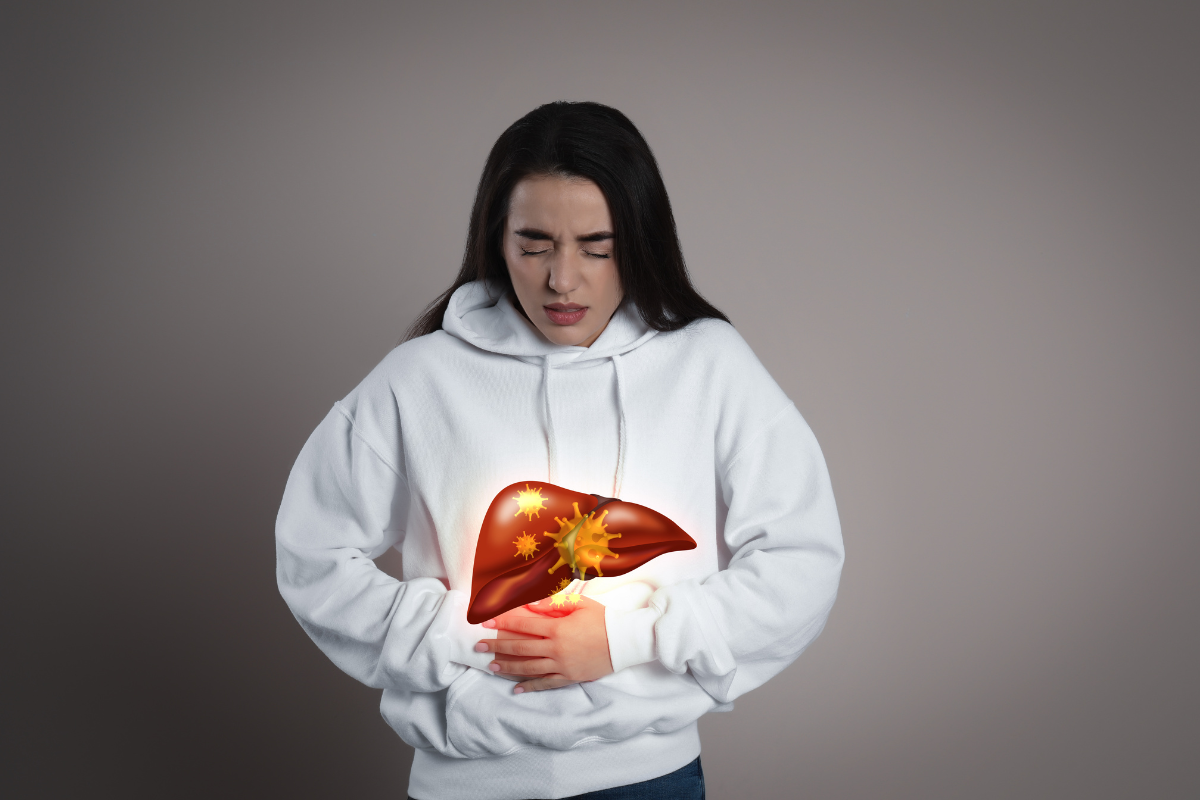
Most people find out about it by accident. A routine ultrasound done for something unrelated an abdominal check, a health screening comes back with a note: “fatty changes in liver.” The doctor mentions it almost in passing. No symptoms, no pain, nothing that felt wrong. Just a finding on a report.
This is how fatty liver disease typically announces itself. Or rather, how it doesn’t.
It’s one of the most common liver conditions in India today and one of the most underestimated. Because it causes no symptoms in its early stages, most people don’t take it seriously. They file away the report, make a mental note to “eat better,” and move on. Years later, some of them end up with liver inflammation, scarring, or worse.
Understanding what fatty liver disease actually is and what it can become if ignored is the starting point for doing something about it.
What is Fatty Liver Disease?
The liver is not supposed to store fat. When fat accumulates in liver cells a condition called hepatic steatosis it interferes with normal liver function. Over time, depending on the cause and whether it progresses, this fat buildup can trigger inflammation and scarring.
Fatty liver disease falls into two broad categories:
Non-alcoholic fatty liver disease (NAFLD) Occurs in people who drink little to no alcohol. The most common form in India, driven by obesity, diabetes, insulin resistance, and metabolic syndrome. NAFLD is now the leading cause of chronic liver disease globally.
Alcoholic fatty liver disease (AFLD) Results from heavy, prolonged alcohol consumption. The liver processes alcohol, and excess alcohol over years leads to fat accumulation, inflammation, and eventually cirrhosis.
Stages of Fatty Liver Disease
Fatty liver disease is not static. Left unmanaged, it progresses through stages:
- Simple fatty liver (steatosis) Fat accumulation in liver cells without significant inflammation. At this stage, the condition is largely reversible with lifestyle changes. Most people are at this stage when diagnosed.
- Non-alcoholic steatohepatitis (NASH) Fat plus active liver inflammation. The liver is being damaged. This stage carries a real risk of progression and is associated with elevated liver enzymes on blood tests.
- Fibrosis Repeated inflammation causes the liver to lay down scar tissue — fibrosis. Some liver function is preserved, but the architecture of the liver is changing.
- Cirrhosis Extensive scarring that disrupts normal liver structure and function. At this stage, complications become serious liver failure, portal hypertension, ascites, and significantly elevated liver cancer risk.
The reason early diagnosis matters so much is that the first two stages are largely reversible. The later stages are not.
Symptoms of Fatty Liver Disease
In early stages simple steatosis and early NASH most people have no symptoms at all. This is why fatty liver is often called a silent liver disease.
As the condition progresses, symptoms begin to appear:
- Fatigue and weakness — persistent tiredness that doesn’t improve with rest. Often the first symptom people notice, and frequently dismissed as stress or overwork
- Upper right abdominal pain or discomfort — a dull ache or fullness in the upper right side of the abdomen, where the liver sits
- Unexplained weight loss — losing weight without changes to diet or activity in advanced disease
- Loss of appetite — reduced desire to eat, often with nausea
- Jaundice — yellowing of the skin and eyes, indicating significant liver dysfunction
- Dark urine — tea-coloured urine is a sign of bilirubin being excreted abnormally
- Swelling in the abdomen (ascites) — fluid accumulating in the abdominal cavity in advanced cirrhosis
- Swelling in legs and ankles — from reduced protein production and fluid retention
Causes and Risk Factors of Fatty Liver Disease
- Obesity and fatty liver Excess body fat —particularly visceral fat around the abdomen is the single strongest risk factor for NAFLD. Fat in the abdomen is metabolically active and drives insulin resistance, which directly promotes fat deposition in the liver.
- Diabetes and fatty liver Insulin resistance and high blood sugar create conditions in which the liver preferentially stores fat rather than processing it. A large proportion of people with Type 2 diabetes have some degree of fatty liver disease.
- High cholesterol and fatty liver Hypercholesterolemia and high triglycerides are closely linked to liver fat accumulation. The liver produces and processes cholesterol when this system is overloaded, fat builds up.
- Metabolic syndrome A combination of obesity, high blood pressure, high blood sugar, and abnormal cholesterol levels each individually increases fatty liver risk, and together they multiply it.
- Alcohol consumption and liver disease In alcoholic fatty liver disease, the amount and duration of drinking determine the degree of liver damage. Even moderate-to-heavy drinking over years causes significant fat accumulation and inflammation.
- Processed foods and fatty liver Diets high in processed foods, refined carbohydrates, sugary beverages, and saturated fats drive obesity, insulin resistance, and liver fat accumulation directly.
- Sedentary lifestyle Physical inactivity reduces the liver’s ability to metabolise fat efficiently. Regular exercise is one of the most effective interventions for reducing liver fat — independent of weight loss.
- Genetics and fatty liver Some people are genetically predisposed to storing more fat in the liver. Variants in certain genes particularly PNPLA3 significantly increase fatty liver risk regardless of lifestyle.
Diagnosis of Fatty Liver Disease
- Liver function tests ALT and AST Blood tests that measure liver enzymes. Elevated ALT and AST indicate liver cell damage and inflammation. These are usually the first abnormality detected, often on a routine blood test.
- Lipid profile and blood sugar tests Assess cholesterol, triglycerides, and glucose levels key drivers of NAFLD.
- Liver ultrasound The most commonly used imaging tool for fatty liver. A bright or echogenic liver on ultrasound indicates fat accumulation. Non-invasive and widely available.
- CT scan for liver disease More detailed than ultrasound, can quantify the degree of fat infiltration. Not routine for initial diagnosis but useful in complex cases.
- MRI for fatty liver The most accurate imaging method for quantifying liver fat. Used in clinical research and in cases where precise fat quantification matters.
- FibroScan (transient elastography) A non-invasive test that measures liver stiffness a marker of fibrosis. Increasingly used to assess how much scarring is present without needing a liver biopsy. Quick, painless, and highly useful for staging.
- Liver biopsy The definitive test for distinguishing simple steatosis from NASH and assessing the degree of fibrosis. Involves removing a small sample of liver tissue with a needle. Reserved for cases where non-invasive tests are inconclusive or where the diagnosis will significantly change management.
Treatment of Fatty Liver Disease
There are currently no FDA-approved medications specifically for fatty liver disease though several are in advanced clinical trials. The primary treatment is lifestyle modification, and it works. Consistently.
- Weight loss for fatty liver Losing 7-10% of body weight produces significant, measurable reductions in liver fat, inflammation, and fibrosis. Even 3-5% weight loss improves liver enzymes. Gradual, sustained weight loss is more effective than rapid weight loss, which can actually worsen liver inflammation.
- Fatty liver diet
- Include: fruits, vegetables, whole grains, lean proteins, nuts, seeds, and omega-3 fatty acids found in fatty fish, flaxseeds, and walnuts. Omega-3s directly reduce liver triglycerides
- High fibre diet improves insulin sensitivity and supports healthy gut bacteria, which play a role in liver fat metabolism
- Avoid: processed foods, sugary beverages, fried foods, refined carbohydrates, and saturated fats
- Exercise for fatty liver Regular aerobic exercise for liver health — brisk walking, cycling, swimming reduces liver fat independent of weight loss. Even 150 minutes of moderate aerobic exercise per week produces measurable improvement on liver imaging. Resistance training also helps improve insulin sensitivity.
- Avoid alcohol for fatty liver Even in NAFLD, alcohol worsens liver inflammation and accelerates fibrosis. Complete alcohol avoidance is recommended in anyone with significant liver disease.
- Manage underlying conditions Controlling diabetes, bringing cholesterol and triglycerides down, and managing blood pressure all reduce the metabolic drive for liver fat accumulation.
- Vitamin E for fatty liver In non-diabetic adults with confirmed NASH on biopsy, Vitamin E has shown benefit in reducing liver inflammation in some studies. Used under specialist supervision not as a self-prescribed supplement.
- Liver transplant evaluation For patients who progress to end-stage cirrhosis with liver failure, transplant evaluation becomes necessary. This is the stage that aggressive early management is designed to prevent.
Can Fatty Liver Disease Be Reversed?
Yes in early stages. Simple steatosis and early NASH can be significantly improved or fully reversed with weight loss, dietary changes, regular exercise, alcohol avoidance, and management of diabetes and cholesterol.
The catch is that reversal requires consistent, sustained lifestyle change not a two-week diet. And it requires starting before fibrosis becomes established. Once significant scarring develops, the damage is harder to undo.
Prevention of Fatty Liver Disease
- Maintain a healthy weight visceral obesity is the biggest modifiable risk factor
- Eat a high fibre diet with plenty of vegetables, whole grains, and omega-3 rich foods
- Exercise regularly aerobic exercise for liver health, at minimum 150 minutes per week
- Limit processed foods, sugary drinks, and refined carbohydrates
- Avoid or limit alcohol
- Control diabetes, cholesterol, and blood pressure with medical support
- Get regular health checkups liver function tests and liver ultrasound are simple, inexpensive, and can catch the condition before symptoms develop
When Should You See a Doctor for Fatty Liver?
See a liver specialist, gastroenterologist, or hepatologist if:
- A routine ultrasound or blood test has flagged fatty liver or elevated liver enzymes
- You have persistent fatigue, upper right abdominal discomfort, or unexplained weight loss
- You have jaundice, dark urine, or swelling in the abdomen or legs
- You have obesity, diabetes, or high cholesterol these warrant regular liver screening even without symptoms
- A family member has been diagnosed with fatty liver disease or cirrhosis
You can book an online liver consultation through HealthPil a hepatologist or gastroenterologist consultation from home, without waiting weeks for an appointment.
How HealthPil Can Help
HealthPil connects you with experienced hepatologists and gastroenterologists who can assess your liver health, interpret your test results, and guide you through the right management plan whether that’s lifestyle modification, specialist monitoring, or further investigation.
Summary
Fatty liver disease is one of the most common silent liver conditions in India, with NAFLD driven by obesity, diabetes, insulin resistance, high cholesterol, metabolic syndrome, processed foods, and sedentary lifestyle. AFLD results from prolonged alcohol consumption. It progresses from simple steatosis through NASH, fibrosis, and cirrhosis with liver failure and liver cancer risk in advanced stages.
Symptoms are absent early on, appearing only as the disease progresses fatigue, abdominal discomfort, jaundice, ascites, and dark urine. Diagnosed through liver function tests checking ALT and AST, liver ultrasound, FibroScan, MRI, and liver biopsy where needed.
FAQs:
1. What are the early symptoms of fatty liver disease?
Fatty liver disease often does not cause symptoms in its early stages. As the condition progresses, some people may experience fatigue, weakness, pain or discomfort in the upper right side of the abdomen, loss of appetite, or unexplained weight loss.
2. Can fatty liver disease be reversed?
Yes. Fatty liver disease can often be reversed in its early stages through weight loss, a healthy diet, regular exercise, avoiding alcohol, and managing conditions such as diabetes and high cholesterol. However, advanced liver scarring (cirrhosis) is usually irreversible.
3. What causes fatty liver disease?
The most common causes of fatty liver disease include obesity, type 2 diabetes, insulin resistance, high cholesterol, metabolic syndrome, excessive alcohol consumption, unhealthy eating habits, and a sedentary lifestyle.
4. How is fatty liver disease diagnosed?
Doctors diagnose fatty liver disease using a combination of liver function tests, blood tests, liver ultrasound, FibroScan, CT scan, MRI, and in some cases, a liver biopsy to assess the extent of liver damage.
5. What is the best treatment for fatty liver disease?
There is no specific medication to cure fatty liver disease. Treatment mainly focuses on lifestyle changes such as losing weight, following a healthy diet, exercising regularly, avoiding alcohol, and controlling underlying conditions like diabetes and high cholesterol.
6. When should I see a doctor for fatty liver disease?
You should consult a doctor if you have persistent fatigue, upper abdominal pain, jaundice, dark urine, unexplained weight loss, or if a routine health check-up shows fatty liver or elevated liver enzymes.
7. Can I consult a doctor online for fatty liver disease?
Yes. You can book an online consultation with a hepatologist or gastroenterologist to discuss your symptoms, review your liver test reports, understand treatment options, and receive guidance on lifestyle changes and further evaluation if needed.
Disclaimer:
This information is meant for educational purposes and should not replace professional medical advice. Always consult your doctor for personalised recommendations.
References
- Manne V, Handa P, Kowdley KV. Nonalcoholic Fatty Liver Disease. StatPearls Publishing. Available at:
NCBI Bookshelf - Rinella ME, Lazarus JV, Ratziu V, et al. A Multi-Society Delphi Consensus Statement on New Fatty Liver Disease Nomenclature. Available at:
PubMed

Read our editorial policy