

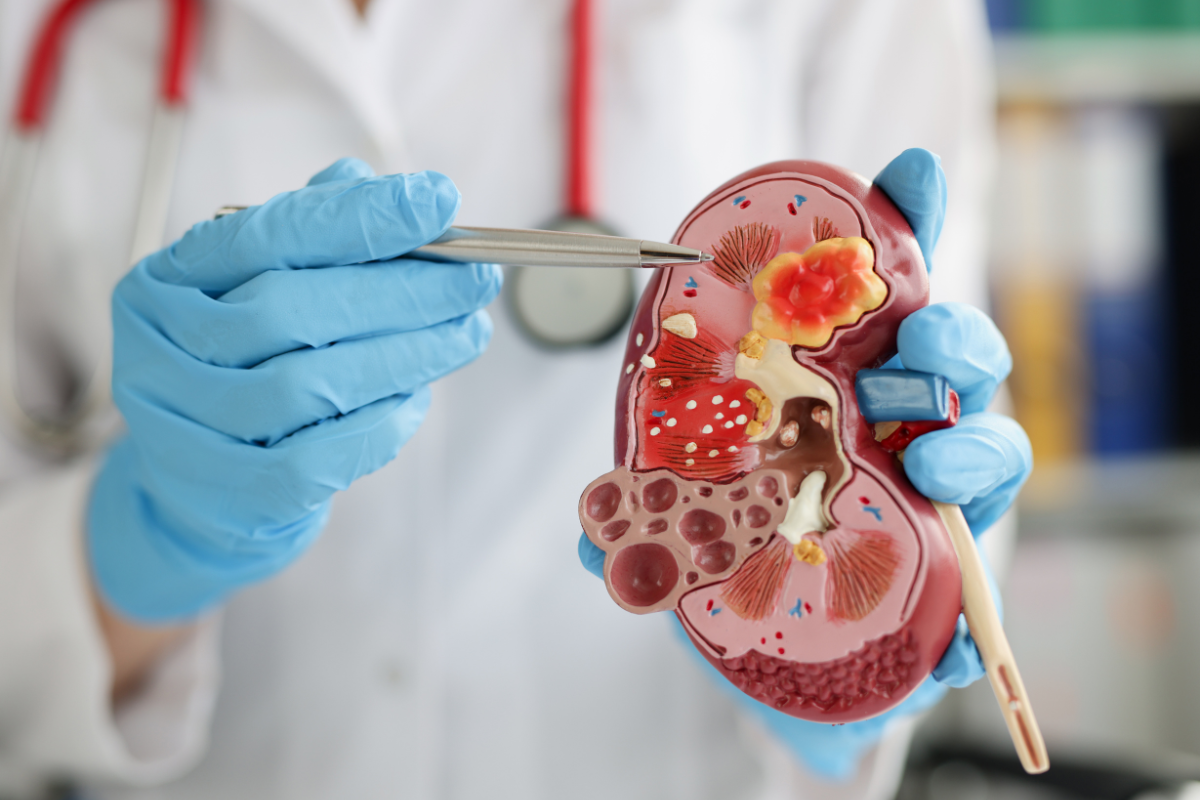
Nephrotic syndrome is a kidney disorder in which excessive protein is lost through urine, leading to swelling, fatigue, and other health complications. It is commonly seen in children and requires early diagnosis and treatment to prevent long-term kidney damage. In this article, let’s understand nephrotic syndrome symptoms, causes, treatment options, and care tips for parents.
What Is Nephrotic Syndrome?
Nephrotic syndrome isn’t a disease by itself. It’s a group of signs that show up when the kidneys’ filtering units called glomeruli get damaged and start leaking protein into the urine.
Normally, these filters hold on to important proteins while removing waste. When they’re damaged, protein escapes into urine instead of staying in the blood. That single change sets off everything else the swelling, the foamy urine, the fatigue.
It’s more common in children between 2 and 6 years old, though it can happen at any age.
Symptoms of Nephrotic Syndrome
The symptoms of nephrotic syndrome in children come from one central problem protein leaking out of the kidneys into the urine. Everything else follows from that:
- Swelling (oedema) — this is usually the first and most visible sign. Facial swelling, especially around the eyes in the morning, is common early on. As the condition progresses, leg swelling, abdominal swelling, and generalised puffiness develop
- Foamy urine or frothy urine — when large amounts of protein are present in urine, it creates a persistent frothy appearance that doesn’t settle the way normal urine does
- Weight gain due to fluid retention — the weight gain isn’t fat. It’s fluid accumulating in tissues. Children can gain several kilograms in a short period purely from fluid
- Fatigue in children — persistent tiredness that doesn’t improve with rest, caused by the body’s disrupted protein and fluid balance
- Loss of appetite — abdominal swelling can cause discomfort that reduces a child’s desire to eat
Causes of Nephrotic Syndrome
The kidneys filter blood through tiny structures called glomeruli. In nephrotic syndrome, these filters become leaky but what makes them leak varies:
Minimal change disease is the most common cause of nephrotic syndrome in children, particularly under the age of 8. Under a regular microscope, the kidney tissue looks normal — the changes are only visible at an electron microscope level. The good news is that minimal change disease typically responds well to steroids.
Focal segmental glomerulosclerosis (FSGS) — scarring of some glomeruli. More likely to be steroid-resistant and can progress to chronic kidney disease if not managed carefully.
Membranous nephropathy — the glomerular membrane thickens, reducing its ability to hold protein back. More common in older children and adults.
Secondary causes include conditions that affect the kidneys as part of a broader disease process:
- Lupus nephritis — when the autoimmune disease lupus attacks the kidneys
- Diabetes-related kidney disease — less common in children but seen in those with long-standing Type 1 diabetes
- Infections — hepatitis B, hepatitis C, and HIV infections can all damage the glomeruli
- Genetic causes of nephrotic syndrome — particularly relevant in congenital cases or children who don’t respond to standard treatment
Types of Nephrotic Syndrome
- Primary nephrotic syndrome — the kidney itself is the site of the problem, not caused by another disease
- Secondary nephrotic syndrome — caused by another condition like lupus nephritis, diabetes-related kidney disease, or hepatitis B or C
- Congenital nephrotic syndrome — present at birth, almost always due to genetic mutations affecting the kidney’s filtration apparatus. Rare but serious
Diagnosis of Nephrotic Syndrome
When nephrotic syndrome is suspected, three investigations form the core of the workup:
- Urine test for protein A simple urine dipstick test can detect proteinuria. A 24-hour urine collection or a spot urine protein-to-creatinine ratio gives a more accurate picture of how much protein is being lost.
- Blood tests for kidney function Blood tests check kidney function tests — creatinine, urea, electrolytes — as well as albumin levels (which drop when protein is being lost), cholesterol, and where relevant, tests for underlying causes like lupus or hepatitis B and C.
- Kidney biopsy Not required in every child — most children under 8 with typical nephrotic syndrome are treated presumptively for minimal change disease without a biopsy. A kidney biopsy is recommended when the child is older, doesn’t respond to initial treatment, or when FSGS or another cause is suspected. It involves taking a small sample of kidney tissue to examine under a microscope.
Nephrotic vs Nephritic Syndrome: What’s the Difference?
Parents often mix these two up since the names sound alike. Here’s the simple difference:
Nephrotic syndrome mainly causes protein loss heavy swelling, foamy urine, and normal or slightly high blood pressure. Nephritic syndrome, on the other hand, involves inflammation of the glomeruli, causing blood in the urine, reduced urine output, and high blood pressure.
Both affect the kidneys, but the underlying problem and treatment approach are different. Your child’s nephrologist will confirm which one you’re dealing with based on urine and blood test results.
Complications of Nephrotic Syndrome
Left untreated or poorly controlled, nephrotic syndrome can lead to serious problems:
- Infections — low albumin and the use of immunosuppressants both increase infection risk significantly. Bacterial peritonitis, pneumonia, and cellulitis are real risks
- Blood clots — protein loss includes the loss of natural anticoagulants, making clotting more likely. Blood clots in leg veins or lungs are a recognised complication
- High cholesterol — the liver overproduces cholesterol to compensate for low albumin. This can persist and contribute to cardiovascular risk over time
- High blood pressure — fluid retention and kidney involvement can raise blood pressure, which in turn stresses the kidneys further
- Acute kidney injury — in severe cases, especially with heavy fluid overload or infection
- Chronic kidney disease — particularly in FSGS or cases that are steroid-resistant and progress despite treatment
Treatment Options for Nephrotic Syndrome
- Steroids for nephrotic syndrome Corticosteroids usually prednisolone are the first line of treatment for most children. They reduce inflammation and allow the glomeruli to stop leaking protein. Most children with minimal change disease respond within a few weeks. The full course typically runs for several months, with gradual tapering.
- Immunosuppressants For children who relapse frequently or don’t respond to steroids, immunosuppressive medications like cyclophosphamide, mycophenolate, or tacrolimus may be used. These reduce the immune system’s attack on the kidney filters.
- Diuretics for swelling Diuretics help the body remove excess fluid, reducing oedema. They address the symptom rather than the cause, so they’re used alongside other treatments.
- Cholesterol medicines Given the high cholesterol commonly seen in nephrotic syndrome, cholesterol-lowering medication may be prescribed, particularly in prolonged or frequently relapsing cases.
- Low sodium diet Reducing salt in the diet helps limit fluid retention and oedema. A renal dietitian can help parents plan meals appropriately.
- Vaccinations Children on immunosuppressants are at higher infection risk. Certain vaccines are recommended before starting treatment live vaccines are generally avoided while on immunosuppression.
ACE Inhibitors / ARBs add inside Treatment:
Alongside steroids and immunosuppressants, ACE inhibitors (like enalapril) or ARBs (like losartan) are sometimes prescribed in nephrotic syndrome particularly in children with frequent relapses or significant protein loss. These medications reduce pressure inside the kidney’s filtering units, decreasing how much protein leaks into the urine. They are not a cure but an important supportive treatment in certain cases.
Prevention Section for Nephrotic Syndrome
- Reducing the Risk of Relapses Nephrotic syndrome frequently relapses but certain steps genuinely reduce how often it happens.
- Treat infections early. Upper respiratory infections are the most common relapse trigger. Don’t wait get medical guidance at the first sign of illness.
- Vaccinations matter. Live vaccines are avoided during immunosuppression. But flu and pneumococcal vaccines are recommended. Always check with the nephrologist before any jab.
- Avoid NSAIDs. Ibuprofen reduces kidney blood flow and worsens protein leak. Unless specifically cleared by the doctor — avoid it.
- Keep salt low — always. Not just during flares. Consistent low sodium intake reduces fluid retention and eases pressure on the kidneys.
Who Is More at Risk?
Along with the direct causes, a few things can raise a child’s chances of developing nephrotic syndrome:
- Family history — having a close relative with kidney disease or nephrotic syndrome
- Age — most common in children between 2 and 6 years
- Recent infections — colds, throat infections, or other illnesses sometimes trigger a first episode or relapse
- Allergic reactions — in some children, allergies seem to play a role in triggering flares
None of these guarantee a child will develop the condition. They just mean it’s worth being extra alert to early signs.
Diet and Lifestyle Tips
Food choices can make a real difference in how a child feels day to day.
- Cut back on salt — this is the single biggest diet change. Less sodium means less fluid retention and less swelling.
- Keep protein moderate — not too high, not too low. Your doctor or a renal dietitian can guide the right amount based on your child’s condition.
- Limit oily and fried foods — helps manage the high cholesterol that often comes with this condition.
- Stay on top of hydration — but follow your doctor’s guidance, since fluid intake sometimes needs to be watched closely during flares.
- Small, frequent meals — helpful if appetite is low due to abdominal swelling.
Caring for a Child with Nephrotic Syndrome
Managing nephrotic syndrome at home is as important as what happens in the clinic:
- Keep a symptom diary — track swelling, urine appearance, weight, and any infections. This information helps the paediatric nephrologist adjust treatment accurately
- Monitor urine at home — parents are usually taught to use urine dipsticks to check for protein daily during and after treatment. A return of protein in urine is often the first sign of a relapse
- Encourage rest during flares — the child’s body is working hard during active disease. Rest helps
- Follow dietary guidance — low sodium diet consistently, especially during relapses when fluid retention is active
- Keep up with regular follow-ups — nephrotic syndrome can relapse. Monitoring kidney function tests and protein levels over time is how complications get caught before they become serious
Myth 1: Nephrotic syndrome means kidney failure.
Not in most children. Minimal change disease the most common type in children responds well to steroids and rarely leads to chronic kidney damage. Long-term kidney failure is more associated with steroid-resistant types like FSGS, and even those can often be managed effectively with the right treatment.
Myth 2: My child will need dialysis.
Most children with nephrotic syndrome do not require dialysis. Dialysis becomes relevant only in severe, prolonged cases with significant kidney function loss which is uncommon in children with minimal change disease.
Myth 3: Once in remission, my child is cured.
Remission means protein is no longer detectable in the urine which is excellent news. But relapses are common, particularly in the first few years. Remission is not a cure; it is the goal of each treatment cycle. Ongoing monitoring and knowing the early signs of relapse are essential.
Myth 4: A low-protein diet is always needed.
Protein restriction is not universally recommended in nephrotic syndrome. During active protein loss, adequate protein intake is actually important to compensate for what is being lost. Dietary guidance should always come from the nephrologist or a renal dietitian not from general advice online.
When Should Parents See a Doctor?
Seek immediate medical attention if your child has:
- Severe or rapidly worsening swelling particularly abdominal swelling or breathing difficulty from fluid around the lungs
- Reduced urine output or no urine for several hours
- Blood in urine
- High fever infection in a child on immunosuppressants needs urgent assessment
- Persistent fatigue with no clear cause
- Sudden weight gain over a short period
For ongoing management or if you’re concerned about kidney symptoms, book an online nephrologist consultation through HealthPil access to a kidney specialist consultation without a long wait.
How HealthPil Can Help
HealthPil connects you with experienced pediatric nephrologists who manage nephrotic syndrome in children regularly from first diagnosis through relapses, treatment adjustments, and long-term kidney monitoring. Whether you need a first opinion, a second opinion, or ongoing guidance, expert help is available.
Summary
Nephrotic syndrome protein leaking from damaged kidney filters. Result: swelling, foamy urine, weight gain, fatigue. Most common cause in children: minimal change disease. Treatment: steroids first. Most children respond well. Diagnose early. Monitor at home. Follow up regularly. Book an online nephrologist consultation through HealthPil today.
FAQs
What are the early signs of nephrotic syndrome in children?
Early signs include swelling around the eyes, face, legs, or abdomen, foamy urine, sudden weight gain, fatigue, and loss of appetite.
What causes nephrotic syndrome in children?
The most common cause in children is minimal change disease. Other causes include infections, autoimmune disorders, genetic conditions, and kidney diseases like FSGS.
Is nephrotic syndrome curable in children?
Many children respond well to treatment, especially those with minimal change disease. However, some children may experience relapses and require long-term monitoring.
When should parents seek emergency medical help?
Parents should seek immediate medical attention if their child has severe swelling, breathing difficulties, reduced urine output, blood in urine, or extreme weakness.
Can I consult a pediatric nephrologist online?
Yes, parents can book an online pediatric nephrologist consultation to discuss symptoms, diagnosis, treatment options, and follow-up care.
References
- Tapia C, Bashir K. Nephrotic Syndrome. StatPearls Publishing. Available at:
NCBI Bookshelf - Tapia C, Bashir K. Nephrotic Syndrome. Available at:
PubMed
Disclaimer:
This information is not intended to replace professional medical advice. Always consult a healthcare provider for diagnosis and treatment options.

Read our editorial policy