

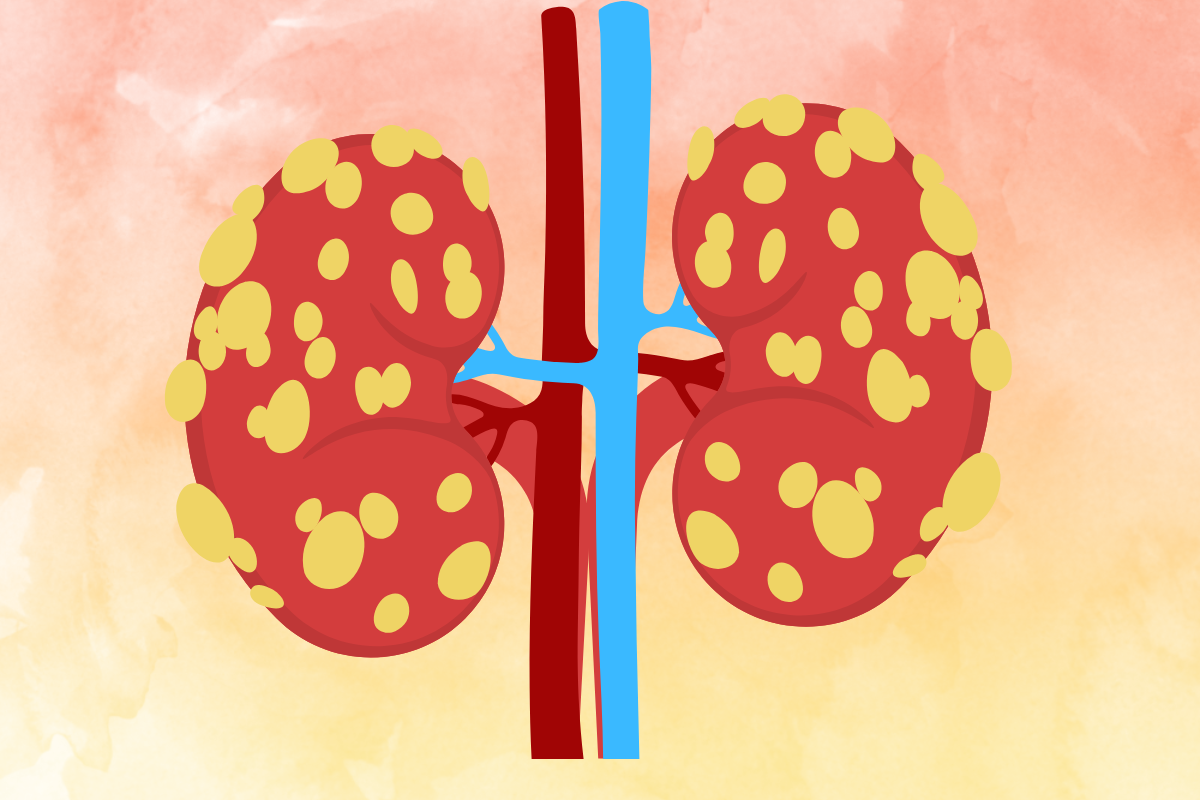
Imagine your kidneys, which are normally about the size of your fist, slowly filling up with hundreds of fluid-filled balloons some as small as a pea, others growing large enough to make your abdomen visibly swollen. That’s what happens in polycystic kidney disease, one of the most common inherited kidney conditions in the world. It’s passed down through genes, which means if a parent has it, there’s a real chance their child will too, and it doesn’t announce itself loudly. Many people carry the faulty gene for years, even decades, without knowing anything is wrong until a routine scan or a stubborn blood pressure problem finally uncovers it.
Polycystic kidney disease, or PKD, affects an estimated 1 in 1,000 people in India and is considered one of the most frequent genetic diseases affecting the kidneys worldwide. It’s also one of the leading inherited causes of kidney failure globally. This guide breaks down exactly what happens inside the kidneys when PKD develops, why it runs in families, what symptoms actually look like at each stage, and what treatment and long-term management genuinely involve so you know what to expect and when it’s time to see a specialist.
What Is Polycystic Kidney Disease?
Every kidney is built from roughly a million tiny filtering units, and PKD interferes with these units by causing fluid-filled sacs, called cysts, to form and grow inside them. As these cysts multiply and expand, they physically enlarge the kidneys and press against healthy tissue, gradually crowding out the kidney’s ability to filter blood properly. Over years, this crowding effect is what pushes kidney function downward, and in a meaningful number of people, it eventually leads to chronic kidney disease or complete kidney failure.
At the root of it, PKD is caused by a genetic mutation, usually one that’s been passed down from a parent. The specific genes involved PKD1, PKD2, and PKHD1 carry instructions for proteins that help kidney cells sense fluid flow through tiny hair-like structures called cilia. When these genes are mutated, the cilia stop signaling correctly, and the cells lining the kidney’s tubules begin multiplying and forming pouches instead of behaving normally. That’s the mechanical reason cysts form in the first place — a communication breakdown at the cellular level that causes uncontrolled pouch-like growth rather than a normal, evenly filtering tube.
PKD isn’t limited to the kidneys either. Because the same genetic mutations affect similar tissue elsewhere in the body, cysts can also develop in the liver, and less commonly in the pancreas, while blood vessel walls particularly in the brain and heart can develop weak spots as well.
Types of Polycystic Kidney Disease
PKD comes in three distinct forms, and knowing which one you’re dealing with changes almost everything about how it’s monitored and managed.
1. Autosomal Dominant PKD (ADPKD)
This is by far the most common form, responsible for roughly 90% of all PKD cases, and it’s often called “adult PKD” because symptoms typically show up between the ages of 30 and 40, though they can occasionally start in childhood. The word “dominant” here explains the inheritance pattern in a very practical way: if just one parent carries the mutated gene, each child has a 50% chance of inheriting the condition, regardless of gender. In about 10% of cases, there’s no family history at all the mutation happens spontaneously, without either parent carrying it.
Two genes are responsible for most ADPKD cases. Mutations in the PKD1 gene, located on chromosome 16, account for around 85% of cases, while mutations in the PKD2 gene, on chromosome 4, account for roughly 15%. This distinction matters clinically because the two forms don’t progress the same way — people with PKD1 mutations tend to develop more cysts earlier and are more likely to need dialysis or a transplant by their 60s, while PKD2 mutations generally cause a milder disease course, with high blood pressure and kidney failure showing up later in life.
2. Autosomal Recessive PKD (ARPKD)
ARPKD is much rarer and far more severe, and unlike ADPKD, both parents need to carry a copy of the faulty gene — usually PKHD1, responsible for roughly 90% of cases — for a child to be affected. If both parents are carriers, each pregnancy carries a 25% chance of the child developing ARPKD. This form often shows up before birth or within the first months of life, and because it can affect a developing baby’s kidneys and liver simultaneously, it tends to cause more serious complications early on, including breathing difficulties in newborns caused by underdeveloped lungs and enlarged kidneys taking up space in the abdomen.
3. Acquired Cystic Kidney Disease (ACKD)
This one isn’t inherited at all. ACKD develops later in life in people who already have long-standing kidney problems, particularly those who have been on dialysis for an extended period. The cysts that form here are a consequence of prolonged kidney damage rather than a genetic mutation passed down through a family.
How Common Is PKD? (Prevalence)
PKD isn’t a rare curiosity it’s one of the most frequently occurring inherited kidney disorders anywhere in the world. ADPKD affects somewhere between 1 in 400 and 1 in 1,000 people globally, cutting across every ethnic background, and it’s estimated to affect around 1 in 1,000 people in India as well, striking men and women in roughly equal numbers. Among people who need dialysis or a kidney transplant for chronic kidney disease in India, PKD is behind close to 5% of those cases.
ARPKD, by contrast, is far rarer, affecting somewhere between 1 in 20,000 and 1 in 40,000 newborns, which works out to roughly 1 in 70 people in the general population carrying the gene without knowing it.
The numbers on long-term outcomes are worth understanding honestly rather than glossing over: research suggests close to half of people with ADPKD develop kidney failure by the time they turn 60, and that figure climbs to around 60% by age 70. That said, this doesn’t mean kidney failure is inevitable for everyone — the pace of decline varies enormously from person to person, and catching PKD early through monitoring genuinely changes how well it can be managed.
Symptoms of Polycystic Kidney Disease
PKD symptoms depend heavily on which type you have and how far the cysts have progressed. In ADPKD specifically, cysts usually need to reach around half an inch in size before symptoms become noticeable, which is exactly why so many people live with the condition unknowingly for years.
Symptoms of ADPKD (the adult-onset form) can include:
- High blood pressure often the very first sign, sometimes appearing even before any cysts are visible on a scan
- Pain or discomfort in the back, sides, or abdomen, which can be dull and constant or sharp and occasional
- A feeling of fullness or heaviness in the abdomen as enlarged kidneys press against surrounding organs
- Blood in the urine (hematuria)
- Frequent urination or noticeable changes in urination patterns
- Recurring urinary tract infections
- Kidney stones
- Headaches, particularly ones tied to high blood pressure
- Fatigue or general weakness
- Skin that bruises easily, or a paler skin tone, both of which can point to reduced kidney function affecting blood cell production
- Nail changes, in some cases
Symptoms of ARPKD (the rarer, early-onset form) can include:
- High blood pressure, often appearing very early
- Frequent urinary tract infections
- Slower-than-expected growth in infants and children
- Reduced red blood cell counts
- Varicose veins
- Liver scarring, since ARPKD frequently affects the liver alongside the kidneys
It’s worth flagging that because so many people with PKD, especially ADPKD, stay symptom-free for years, anyone with a parent or sibling diagnosed with PKD benefits from getting checked even without symptoms — early monitoring is what makes the biggest difference to long-term kidney health.
Causes and Risk Factors
The core cause of PKD is genetic, but understanding exactly how the inheritance and risk factors work helps explain why some people develop it and others in the same family don’t.
Genetics and inheritance sit at the centre of it all. ADPKD follows a dominant inheritance pattern, meaning one mutated copy of PKD1 or PKD2, inherited from just one parent, is enough to cause the disease — each child of an affected parent carries a 50-50 chance regardless of sex. ARPKD works differently: it requires both parents to carry a mutated copy of PKHD1, and even then, each child only has a 25% chance of developing the disease, since they need to inherit the faulty gene from both sides.
Family history is the single strongest risk factor for the inherited forms. Since PKD is passed down through genes, having a parent, sibling, or close relative with the condition significantly raises the likelihood of carrying the mutation yourself.
Gender plays a role specifically in how ADPKD progresses rather than in who develops it men with ADPKD tend to experience faster loss of kidney function and are more likely to reach end-stage kidney disease compared to women with the same condition.
Long-term dialysis is the key risk factor for acquired cystic kidney disease. People who have relied on dialysis for years, usually because of unrelated kidney failure, have a meaningfully higher chance of developing ACKD later on, even without any family history of PKD.
Complications of Polycystic Kidney Disease
As cysts continue to grow, they don’t just affect the kidneys in isolation PKD is a condition that can ripple outward into several other organ systems, which is part of why it needs ongoing medical supervision rather than a one-time diagnosis.
Kidney-related complications include chronic kidney disease and, eventually, end-stage kidney disease requiring dialysis or a transplant. Kidney stones and recurring urinary tract infections are also more common in people with PKD, since the enlarged, cyst-filled kidneys don’t drain and function as efficiently as healthy ones.
Liver cysts are one of the most frequent complications outside the kidneys, especially in ADPKD. They tend to become more common with age found in roughly 10-20% of people by their 30s, climbing to 50-70% of people past 60 and while they’re often harmless, they can occasionally cause discomfort or, rarely, liver-related complications if they grow very large.
Brain aneurysms are the most serious potential complication, and they deserve serious attention rather than casual mention. A weakened, bulging spot in a blood vessel in the brain occurs roughly four times more often in people with ADPKD than in the general population. If it ruptures, it can cause a stroke or be fatal, which is why doctors often recommend screening for aneurysms in people with PKD who have a family history of brain aneurysm or unusually severe headaches.
Heart and blood vessel issues can also develop, including abnormal heart valves mitral valve prolapse being one of the more commonly reported findings in people with PKD.
Additional complications worth knowing about include diverticulosis (small pouches forming in the wall of the intestine), abdominal wall or inguinal hernias caused by the physical pressure of enlarged kidneys, and in ARPKD specifically, more serious issues such as portal hypertension, poor growth and nutrition in affected children, and in severe newborn cases, breathing difficulty caused by underdeveloped lungs.
Diagnosis of Polycystic Kidney Disease
Diagnosing PKD usually starts with a conversation about family history, since the inherited forms almost always run in families, followed by imaging and, when necessary, genetic testing to confirm the diagnosis.
Medical and family history is often the first clue. If a parent or close relative has been diagnosed with PKD, doctors will specifically look for cysts even before symptoms appear.
Ultrasound is usually the first imaging test used because it’s non-invasive, doesn’t involve radiation, and is effective at spotting fluid-filled cysts in the kidneys. As a general rule, finding even two kidney cysts in a 30-year-old with a family history of PKD is considered strongly suggestive of the disease.
CT scan offers more detailed images than ultrasound and can pick up smaller cysts that might otherwise be missed, which is useful in borderline or early cases.
MRI gives an even more detailed look at kidney structure and is particularly useful for tracking how the total kidney volume changes over time something doctors increasingly rely on to monitor disease progression.
Blood and urine tests help assess how well the kidneys are currently functioning. Blood tests check for signs of reduced kidney function or anaemia, while urine tests look for blood, protein, or signs of infection.
Genetic testing identifies the specific mutation responsible PKD1, PKD2, or PKHD1 and is particularly useful when imaging results are unclear, when someone is considering having children and wants to understand inheritance risk, or when a definitive diagnosis is needed before starting a clinical trial or a treatment like tolvaptan.
In ARPKD specifically, the condition can often be picked up before birth, since a prenatal ultrasound of the developing baby may reveal enlarged kidneys, and liver imaging is usually recommended too, given how frequently ARPKD affects the liver alongside the kidneys.
Understanding PKD Stages
Doctors typically stage ADPKD the same way they stage any chronic kidney disease — based on a lab value called the estimated glomerular filtration rate, or eGFR, which measures how efficiently the kidneys are filtering blood.
- Stage 1: eGFR of 90 or above kidney function is largely normal, though cysts may already be visible on imaging
- Stage 2: eGFR between 60 and 89mild reduction in kidney function
- Stage 3: eGFR between 30 and 59 moderate reduction, where symptoms and complications often start becoming noticeable
- Stage 4: eGFR between 15 and 29 severe reduction, with dialysis or transplant planning usually beginning at this point
- Stage 5: eGFR below 15 kidney failure, where dialysis or a transplant becomes necessary
Staging matters because it gives both patients and doctors a concrete, trackable number to base treatment decisions on, rather than relying purely on symptoms, which can lag well behind what’s actually happening inside the kidneys.
Treatment of Polycystic Kidney Disease
There is currently no cure that reverses or removes the genetic mutation responsible for PKD. Treatment instead focuses on slowing the disease down, controlling symptoms, and protecting kidney function for as long as possible.
Blood pressure management sits at the centre of PKD treatment, and for good reason — persistently high blood pressure accelerates kidney damage faster than almost any other factor. Doctors generally aim to keep blood pressure around 120/80 mmHg through a combination of medication and lifestyle changes, since tight blood pressure control has been shown to meaningfully slow the pace of kidney function decline.
Medication to slow disease progression is now available for select ADPKD patients. Tolvaptan, approved for this specific use, works by blocking a hormone signal that would otherwise encourage cyst cells to keep growing and accumulating fluid, and clinical evidence shows it can slow the decline in kidney function in people with rapidly progressing ADPKD. Because it can affect the liver, anyone on tolvaptan needs regular liver function monitoring while taking it.
Pain management for the discomfort caused by enlarged kidneys, cysts, or kidney stones needs to be handled carefully. NSAIDs such as ibuprofen are generally best avoided in PKD, since they can further strain kidney function — pain relief should always be discussed with a doctor rather than self-managed with over-the-counter options.
Treatment for urinary tract infections typically involves antibiotics once a bacterial infection is confirmed, and recurrent infections may need a more thorough workup to understand why they keep happening.
Diet and lifestyle changes genuinely help protect kidney function over time. A lower-sodium diet, regular physical activity, maintaining a healthy weight, and quitting smoking all reduce the overall strain placed on the kidneys.
Dialysis and kidney transplant become necessary once kidney function has declined to the point where the kidneys can no longer clear waste and excess fluid on their own typically in Stage 5. A kidney transplant is often considered the better long-term option for eligible candidates, though the enlarged, cystic kidneys are usually left in place rather than removed, since removing them carries its own surgical risks and generally isn’t necessary before a transplant.
Growth hormone therapy is sometimes used in children with ARPKD to help address growth delays caused by the disease.
Prevention and Long-Term Management
Because PKD is fundamentally a genetic condition, there’s currently no way to prevent it from developing in someone who has inherited the gene. What genuinely makes a difference is slowing its progression and catching complications early, and there’s a fair amount within your control on that front.
- Keep blood pressure tightly controlled, ideally around 120/80 mmHg, since this is the single most impactful lever for slowing kidney damage in PKD
- Stay well hydrated with plain water throughout the day adequate water intake, generally at least 2 to 3 litres daily unless your doctor advises otherwise based on your kidney function, may help limit cyst growth and reduces the risk of kidney stones
- Limit caffeine intake, since caffeine has been shown in some studies to potentially stimulate cyst growth
- Reduce salt intake, which supports blood pressure control and eases the workload on the kidneys
- Exercise regularly as advised by your doctor, since maintaining a healthy weight reduces overall cardiovascular and kidney strain
- Avoid smoking, which compounds cardiovascular risk on top of existing kidney vulnerability
- Avoid NSAIDs like ibuprofen unless specifically approved by your doctor
- Attend regular kidney function checkups, especially if you have a known family history, so that changes in kidney function or new complications are caught as early as possible
- Consider genetic counselling if you have a family history of PKD and are planning to have children, since a genetic counsellor can walk you through the actual inheritance odds and what they mean for your specific family situation
When to See a Doctor
PKD often progresses silently, which makes it easy to overlook warning signs until they’ve been building for a while. It’s worth getting evaluated if you notice:
- Persistent pain in the back, sides, or abdomen
- Blood in the urine or urine that looks abnormally coloured
- Blood pressure that stays high despite lifestyle changes
- Recurrent urinary tract infections
- Kidney stones or repeated flank pain
- Abdominal swelling or a feeling of heaviness
- Frequent headaches, especially alongside high blood pressure
- A known family history of PKD, even without any symptoms yet
If any of this sounds familiar, it’s worth booking an online consultation with a nephrologist through HealthPil rather than waiting for symptoms to escalate. Early evaluation genuinely changes how well PKD can be managed over the years that follow.
How HealthPil Can Help
HealthPil connects you with experienced nephrologists who can guide you through the right diagnostic tests, help interpret imaging or genetic testing results, and build a long-term management plan tailored to your type and stage of PKD. Whether you need a first evaluation because of a family history of PKD or ongoing management of an existing diagnosis, you can book an online consultation with a specialist through HealthPil without the long wait times of an in-person appointment.
Summary
Polycystic kidney disease is a genetic condition where fluid-filled cysts grow inside the kidneys, gradually enlarging them and reducing how well they filter blood. It comes in three forms autosomal dominant PKD (the most common, usually appearing in adulthood), autosomal recessive PKD (rarer and more severe, often appearing before birth or in early childhood), and acquired cystic kidney disease (not inherited, linked to long-term dialysis).
Symptoms often stay hidden for years before showing up as high blood pressure, back or flank pain, blood in urine, or recurring infections, and complications can extend beyond the kidneys to the liver, brain blood vessels, and heart. While there’s no cure, tight blood pressure control, hydration, avoiding NSAIDs, and in select ADPKD cases, medication like tolvaptan, can meaningfully slow disease progression. Anyone with a family history of PKD benefits from early screening, since catching the condition before symptoms appear gives doctors the best chance of protecting long-term kidney function.
FAQs
Is polycystic kidney disease curable?
There is currently no cure that removes the inherited genetic cause of PKD. However, appropriate treatment and regular monitoring can help manage symptoms, control complications, and protect kidney function.
Can someone live a normal life with polycystic kidney disease?
Many people with PKD can continue their normal activities for many years, particularly when blood pressure and kidney health are monitored regularly. The course of PKD varies from person to person.
Does PKD cause kidney failure?
PKD can progressively reduce kidney function and may eventually lead to kidney failure in some people. The risk and timing vary depending on the type of PKD and individual disease progression.
Can PKD cause high blood pressure?
Yes. High blood pressure is a common complication of PKD. Controlling blood pressure is important because uncontrolled hypertension can contribute to further kidney damage.
Can PKD be inherited by children?
Yes. Because PKD can be inherited, people with the condition who are planning a family may benefit from speaking with a genetic counsellor or healthcare professional about inheritance risks.
References
- Polycystic Kidney Disease. StatPearls Publishing. Available at:
NCBI Bookshelf - Bergmann C, Guay-Woodford LM, Harris PC, et al. Polycystic Kidney Disease. Available at:
PubMed
Disclaimer:
This information is for educational purposes and should not replace professional medical advice. Always consult your healthcare provider for personalised recommendations.

Read our editorial policy