

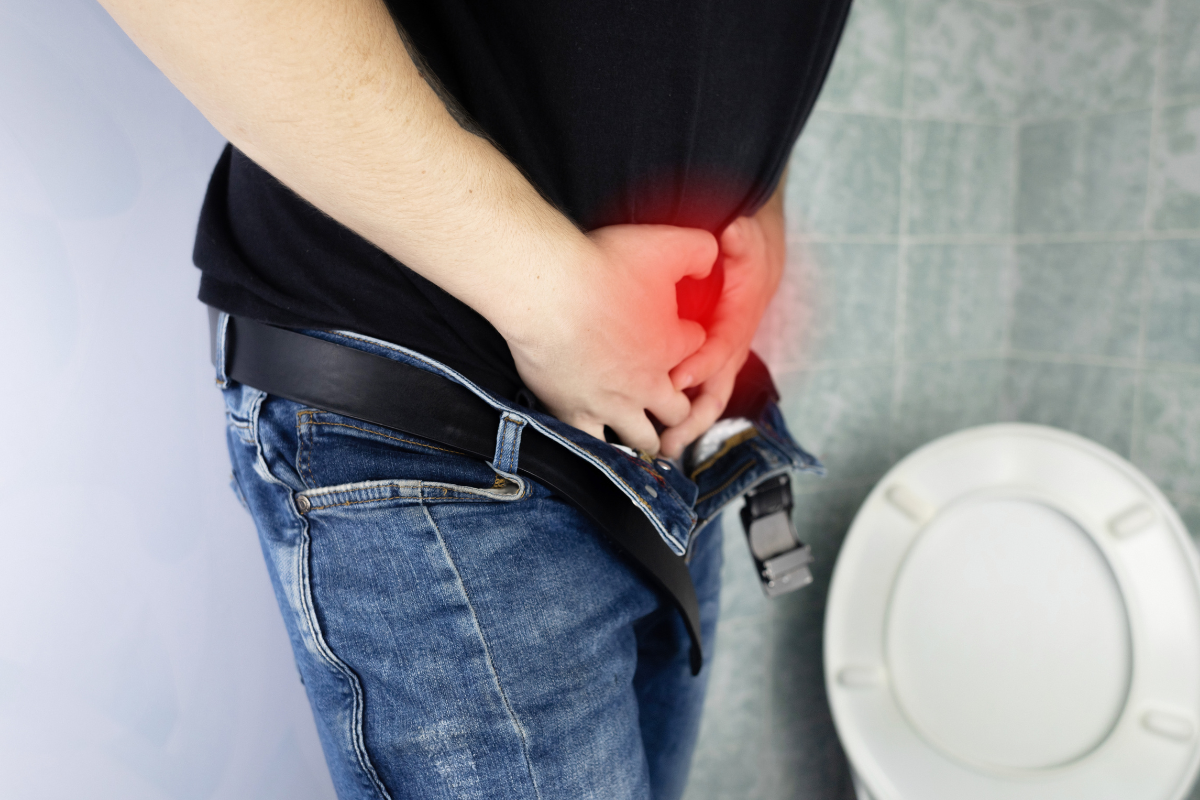
Getting up three times a night to pee. Standing at the toilet longer than you used to, waiting for the stream to actually start. A dribble that just won’t stop even after you think you’re done. If any of this sounds familiar and you’re a man past 50, you’re not imagining things and you’re definitely not alone.
This is almost always benign prostatic hyperplasia, or BPH: a non-cancerous enlargement of the prostate gland that quietly affects the majority of aging men. It’s uncomfortable, it’s disruptive, and it’s rarely talked about openly — but it’s also one of the most manageable urological conditions out there once you understand what’s actually happening inside your body.
What Exactly Is Benign Prostatic Hyperplasia?
Your prostate is a small, walnut-sized gland sitting just below the bladder, wrapped around the urethra the tube that carries urine (and semen) out of the body. In a young man, the prostate typically weighs around 25–30 grams. As you cross your 40s and 50s, hormonal shifts cause the gland to keep growing sometimes reaching 35–45 grams or more by your 60s, and continuing to expand beyond that in many men.
Why the Prostate Squeezes the Urethra
To understand BPH properly, it helps to know that the prostate isn’t one uniform lump of tissue it’s organized into zones. BPH almost always originates in the transition zone, the region that directly surrounds the urethra. This is different from prostate cancer, which more commonly starts in the peripheral zone, further away from the urethra. That anatomical distinction is part of why BPH creates urinary blockage so directly, while early prostate cancer often causes no urinary symptoms at all until it’s advanced.
Here’s the number that puts things in perspective: around 50% of men develop signs of BPH by age 60, and that climbs to roughly 90% by age 80–85. In India specifically, studies have recorded incidence among elderly men as high as 92–93%. This isn’t a rare disease it’s closer to a near-universal part of male aging, which is exactly why it deserves a straightforward, non-alarming explanation rather than being brushed under the carpet.
Is BPH the Same as Prostate Cancer?
No and this is the question that worries most men the moment they hear “prostate enlargement.” BPH is benign, meaning it is not cancer and does not turn into cancer. The two conditions arise from different tissue and different biological processes, even though they can sit in the same organ.
That said, BPH and prostate cancer can produce overlapping urinary symptoms, and having BPH doesn’t rule out an undetected prostate cancer sitting alongside it. That’s exactly why persistent or worsening symptoms need proper evaluation rather than guesswork a urologist can examine you, run the right tests, and tell you definitively which one you’re dealing with.
What Causes an Enlarged Prostate?
Doctors haven’t pinned down one single cause of BPH it’s usually a mix of the following:
- Age: The single biggest risk factor. BPH becomes dramatically more common after 50.
- Hormonal changes: As men age, testosterone levels shift, and a related hormone dihydrotestosterone (DHT) becomes relatively more dominant in prostate tissue. DHT binds to receptors in the prostate and directly signals cells to multiply, which is the core biological engine behind prostate growth. This is also precisely why the most effective long-term medications for BPH are built around blocking DHT.
- Family history: If your father or brother had BPH, your own risk goes up research suggests a genetic component that influences how sensitive prostate tissue is to hormonal signals.
- Diabetes and Type 2 diabetes: Linked with a higher likelihood of urinary symptoms tied to prostate enlargement, possibly through effects on nerve function and bladder muscle behavior.
- Obesity and inactivity: Excess body weight is associated with higher estrogen-to-testosterone ratios and increased inflammation, both of which appear to encourage prostate tissue growth.
- Metabolic syndrome and inflammation: Emerging research increasingly points to chronic low-grade inflammation within prostate tissue as a driver of BPH progression, independent of hormones alone.
In short age and hormones set the stage, inflammation and metabolic health decide how quickly the story escalates.
The Symptoms of BPH You Shouldn’t Ignore
BPH symptoms build up gradually, which is why most men dismiss them for years before mentioning it to a doctor. Doctors typically group symptoms into two categories:
Obstructive symptoms (from the physical blockage):
- Weak urine stream, or a stream that starts and stops
- Difficulty starting urination even when you clearly need to go
- Straining to urinate
- Dribbling after urination that just won’t quit
- A nagging feeling of incomplete bladder emptying
Irritative symptoms (from the bladder working harder against the blockage):
- Frequent urination at night (nocturia) that wrecks your sleep
- A sudden, hard-to-control urge to urinate (urinary urgency)
- Increased daytime urination frequency
- In some cases, urinary incontinence leaking urine unintentionally
In more advanced cases: painful urination, blood in the urine, or urinary retention a genuinely serious situation where the bladder becomes difficult or impossible to empty on its own and may need emergency care.
How Doctors Measure Symptom Severity
Rather than relying on a vague “how bad is it,” urologists commonly use a standardized questionnaire called the International Prostate Symptom Score (IPSS) sometimes called the AUA Symptom Score. It asks seven questions covering incomplete emptying, frequency, intermittency, urgency, weak stream, straining, and nocturia, each scored 0–5. The total (0–35) classifies symptoms as mild (0–7), moderate (8–19), or severe (20–35), and this score directly guides whether watchful waiting, medication, or a procedure makes sense. Knowing this exists is genuinely useful it turns a vague conversation with your doctor into a measurable, trackable one.
Conditions That Can Mimic BPH
Several other conditions produce nearly identical urinary symptoms, including prostatitis (prostate inflammation, often infection-related, and sometimes accompanied by pelvic pain or fever, which BPH alone doesn’t cause), bladder stones, an overactive bladder (a nerve-signaling issue rather than a mechanical blockage), and prostate cancer.
This overlap is precisely why a proper clinical diagnosis matters more than matching your symptoms to a Google search the treatment path for each of these is completely different.
How Doctors Diagnose BPH
A urologist typically works through a structured process to confirm BPH and rule out lookalike conditions:
- Medical history and IPSS scoring symptom onset, severity, medications, and family history, often quantified using the IPSS questionnaire above.
- Physical exam, including a digital rectal exam (DRE) to assess prostate size, shape, and texture. An enlarged but smooth, symmetrical prostate points toward BPH; irregular hardness raises suspicion for something else.
- Urine tests to rule out infection or blood that could point toward a UTI or stones instead.
- Blood tests, including kidney function, and where relevant, a prostate-specific antigen (PSA) test a screening marker that can be elevated in both BPH and prostate cancer, which is why it’s interpreted alongside the DRE and imaging rather than in isolation.
- Imaging ultrasound of the prostate and urinary tract to measure prostate volume directly, sometimes an intravenous pyelogram (IVP) if kidney involvement is suspected.
- Urinary flow and bladder testsuroflowmetry measures how fast and how much you urinate in a single void, giving an objective number instead of a subjective “it’s weak.” A post-void residual scan checks how much urine is left behind afterward. A cystoscopy a thin scope passed into the urethra may be used in select cases to directly view the blockage and rule out other causes.
This full picture not just one test is what lets a urologist confidently separate simple BPH from something that needs a different treatment path, and it’s also what determines prostate volume, which in turn shapes which medication or procedure will actually work best for your specific case.
What Happens If BPH Is Left Untreated?
BPH isn’t cancer, but ignoring it isn’t harmless either. Left unmanaged, an enlarged prostate can progressively choke off urine flow and lead to:
- Urinary retention — complete inability to pass urine, sometimes requiring emergency catheterization to relieve pressure
- Urinary tract infections (UTIs) from urine sitting in an incompletely emptied bladder, creating a breeding ground for bacteria
- Bladder stones forming from minerals crystallizing in that same retained urine
- Bladder muscle damage — years of straining against the blockage can cause the bladder wall to thicken, weaken, and eventually lose its ability to contract effectively, a change that isn’t always fully reversible even after the blockage is treated
- Kidney problems in severe, prolonged cases, as backed-up pressure travels upstream from the bladder to the kidneys
- Blood in the urine, from strained or ruptured blood vessels in the bladder lining
Not every man with BPH will hit these complications but persistent symptoms are the body’s way of asking you not to wait, especially since some of these downstream effects (like bladder muscle damage) accumulate silently over years.
Watchful Waiting: When You Don’t Need Treatment Yet
If your IPSS score falls in the mild range and symptoms aren’t interfering with daily life, your doctor may simply recommend watchful waiting regular follow-ups (often annually) to track whether things are stable, improving, or worsening, paired with lifestyle tweaks like:
- Cutting back on caffeine and alcohol
- Reducing fluids two hours before bedtime
- Not holding urine for long stretches
- Staying active and managing weight
- Reviewing any medications (like decongestants and antihistamines) that can tighten the muscles around the bladder neck and worsen symptoms
Studies tracking men on watchful waiting show that a meaningful proportion never progress to needing medication or surgery at all but regular monitoring is what makes that a safe bet rather than a gamble.
BPH Treatment: Medications That Actually Help
When symptoms start affecting quality of life, medication is usually the first step, and the two drug classes work through genuinely different mechanisms.
Alpha-blockers — Tamsulosin, Silodosin, and Alfuzosin relax the smooth muscle in the prostate and bladder neck within days, physically widening the channel urine flows through. They act fast, often improving flow within a week, but they don’t touch the underlying tissue growth stop the medication, and the muscle tone effect fades.
5-alpha reductase inhibitors — Finasteride and Dutasteride work upstream, blocking the enzyme that converts testosterone into DHT. Because DHT is the actual driver of tissue proliferation, these medications can shrink prostate volume by roughly 20–30% over 6–12 months of consistent use. The trade-off is that they take months to show effect, which is why they’re typically reserved for men with a significantly enlarged prostate rather than mild cases.
Combination therapy — an alpha-blocker plus a 5-alpha reductase inhibitor together gives you the fast symptom relief of the first and the long-term size reduction of the second. Large clinical trials have shown combination therapy reduces the long-term risk of symptom progression and the need for surgery more effectively than either drug alone in men with larger prostates.
Some doctors also prescribe Tadalafil, typically known as an erectile dysfunction medication, since it independently relaxes smooth muscle in the urinary tract and has shown real benefit for BPH symptoms useful for men managing both conditions at once.
As always start, stop, or combine these only under a qualified urologist’s guidance, since each class carries its own set of side effect considerations that a doctor needs to weigh against your overall health.
When Medication Isn’t Enough: Surgical and Minimally Invasive Options
If symptoms are severe, medications aren’t cutting it, or complications like retention, recurrent UTIs, or kidney strain show up, a procedure becomes the next step:
- TURP (Transurethral Resection of the Prostate): The long-standing surgical gold standard — excess tissue is shaved away through the urethra using a resectoscope, no external incision needed. It offers durable, well-studied results, though it typically requires a short hospital stay and catheter recovery period.
- HoLEP (Holmium Laser Enucleation of the Prostate): A laser-based alternative that removes tissue more like an “enucleation” than a shave, and is particularly effective even for very large prostates, often with less bleeding and a shorter catheter time than TURP.
- TUIP (Transurethral Incision of the Prostate): Instead of removing tissue, small incisions release the pressure squeezing the urethra — suited to men with smaller prostates and milder obstruction.
- Prostatic Urethral Lift: Tiny permanent implants physically hold enlarged tissue away from the urethra without cutting or removing anything — attractive for men who want to preserve sexual function, since it avoids some side effects associated with tissue removal.
- Rezūm Therapy: Uses targeted steam injections to destroy obstructing tissue over the following weeks minimally invasive, often done without general anesthesia, with a faster return to normal activity.
Which one fits you depends on prostate size, symptom severity, and overall health a conversation only your urologist can settle properly, usually guided by the same imaging and flow data gathered during diagnosis.
Can Diet and Natural Remedies Actually Help?
They can support symptom management, but they’re not a replacement for medical treatment once BPH is moderate to severe. Some of the most researched natural options:
- Saw palmetto — inhibits the same 5-alpha reductase enzyme that prescription drugs target, and also has anti-inflammatory properties and effects on estrogen/androgen receptor activity, though evidence on its real-world effectiveness compared to placebo remains mixed.
- Stinging nettle and pygeum — carry anti-inflammatory, antioxidant compounds that some studies link to improved quality-of-life scores in BPH patients, though not necessarily a reduction in prostate volume.
- Rye grass pollen — used in some countries as a branded supplement (Cernilton) for symptom relief, with research suggesting a possible role in slowing prostate growth.
- Lycopene — the pigment responsible for tomatoes’ red color; may improve quality of life without significantly changing prostate volume. Richest in tomatoes, watermelon, papaya, and pink grapefruit.
- Green tea, zinc, soy, and omega-3s — each linked in research to lower BPH risk or milder symptom progression, largely through anti-inflammatory and hormone-modulating effects.
- Cranberry — early research, including animal studies, suggests a possible role in easing urinary symptoms by inhibiting the same DHT-producing enzyme.
None of these should replace a prescribed treatment plan think of them as supporting actors, not the lead, and worth discussing with your doctor before starting, especially if you’re already on prescription medication.
Practical Daily Habits That Genuinely Help
- Double voiding: Urinate, wait a minute, try again to fully empty the bladder.
- Pre-empty before heading out: Reduces the risk of urgency or leaks in public.
- Limit fluids before bed, especially caffeine and alcohol, both of which have a mild diuretic and bladder-irritant effect.
- Watch your sodium intake — high salt consumption has been linked to worsened urinary symptoms in BPH; cutting back on processed and salty food can genuinely help.
- Stay active and manage weight — both directly correlate with milder symptoms, likely through reduced inflammation and better hormonal balance.
- Urethral massage after urinating — gently pressing upward from the base of the scrotum can help clear residual urine trapped in the urethra.
- For men managing leaks day-to-day, absorbent pads or urinary sheaths can offer practical, judgment-free support until treatment takes full effect.
When Should You See a Urologist?
If a weak stream, nighttime bathroom trips, or incomplete emptying have become part of your routine rather than an occasional annoyance, that’s the signal to stop waiting. Left unchecked, BPH tends to get louder, not quieter and the earlier it’s assessed, the more treatment options stay on the table.
How HealthPil Can Help
HealthPil connects you with experienced urologists who specialize in prostate health, so you can get a proper diagnosis, an accurate IPSS assessment, and a treatment plan built around your specific symptoms not generic advice.
Summary
BPH (Benign Prostatic Hyperplasia) is a non-cancerous enlargement of the prostate, commonly affecting men as they age. The enlarged prostate can press on the urethra and cause urinary problems such as weak urine flow, difficulty starting urination, frequent urination, nocturia, urgency, dribbling, and incomplete bladder emptying.
FAQs
Is BPH the same as an enlarged prostate?
Yes — “BPH” and “enlarged prostate” describe the same non-cancerous condition.
At what age does BPH usually start?
Symptoms typically begin after 50, with prevalence rising sharply through the 60s, 70s, and beyond, affecting roughly 90% of men by 80–85.
Does BPH increase the risk of prostate cancer?
No, BPH itself doesn’t raise cancer risk but because symptoms can overlap, ruling out cancer is still an important step in diagnosis.
Can BPH go away on its own?
Mild BPH can stay stable for years with lifestyle changes and watchful waiting, but the underlying tissue enlargement typically doesn’t reverse without medication or a procedure.
Is surgery always required for BPH?
No most men manage BPH successfully with lifestyle changes and medication. Surgery is reserved for severe symptoms (high IPSS scores) or complications like retention, recurrent infections, or kidney involvement.
How is BPH severity measured?
Through the International Prostate Symptom Score (IPSS), a standardized 7-question tool combined with prostate volume from ultrasound and flow rate from uroflowmetry.
References
- Ng M, Leslie SW, Baradhi KM. Benign Prostatic Hyperplasia. StatPearls Publishing. Available at:
PubMed: PubMed - Ng M, Leslie SW, Baradhi KM. Benign Prostatic Hyperplasia. StatPearls Publishing. Available at:
NCBI Bookshelf: NCBI Bookshelf
Disclaimer
This information is for educational purposes and should not replace professional medical advice. Always consult your healthcare provider for personalised recommendations.

Read our editorial policy