

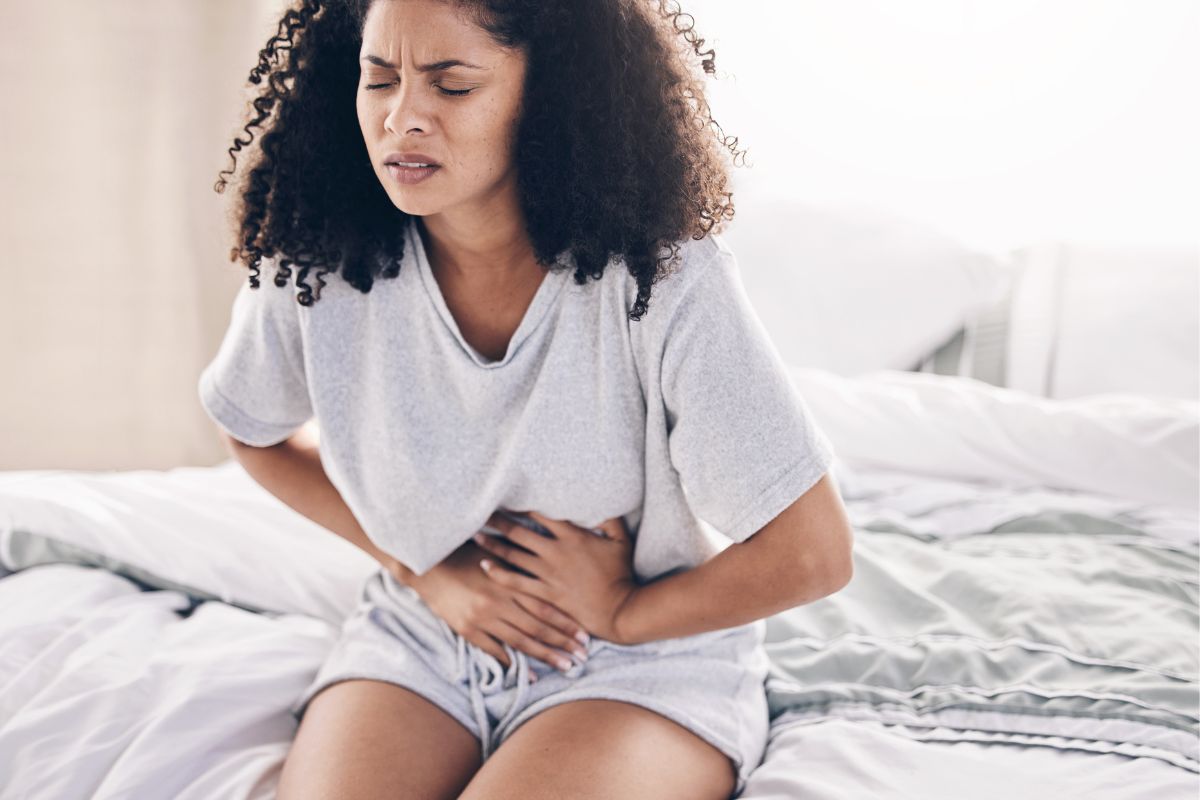
Do you struggle with getting pregnant, unusually heavy periods, or pelvic pain that just won’t let up? You might be dealing with endometriosis a condition that quietly affects millions of women worldwide, yet often takes years to get properly diagnosed. Endometriosis is one of the leading causes of infertility, but here’s the reassuring part: with the right diagnosis and treatment, symptoms can genuinely be managed, and most women go on to live full, active lives. This article breaks down what endometriosis actually is, how it shows up, and the treatment options available today.
What Is Endometriosis?
Endometriosis happens when tissue similar to the lining of the uterus the endometrium starts growing in places it shouldn’t. Instead of staying inside the uterus, it can show up on the ovaries, fallopian tubes, the outer surface of the uterus, or even other organs in the abdomen.
Here’s what makes it painful: this misplaced tissue behaves exactly like the normal uterine lining every month. It thickens, breaks down, and bleeds except it has nowhere to go. With no way to leave the body, this trapped blood and tissue causes inflammation, irritation, and over time, scarring.
How Common Is Endometriosis?
Endometriosis isn’t rare roughly 1 in 10 women of reproductive age deals with it globally. In India specifically, studies using laparoscopy (a direct look inside the pelvis) have found rates ranging from 34% to 48% among women investigated for related symptoms, with the condition most frequently diagnosed between ages 25 and 35.
One of the toughest parts of endometriosis isn’t the disease itself it’s getting diagnosed. On average, it takes 4 to 10 years from the first symptoms to an actual diagnosis, simply because the symptoms overlap so much with other conditions like IBS or pelvic inflammatory disease. If your pain has never quite added up to an explanation, it’s worth pushing for a proper evaluation rather than assuming it’s “just bad periods.”
Types of Endometriosis
Endometriosis is classified by where the tissue grows:
- Superficial Peritoneal Endometriosis: The most common type, where lesions develop along the lining of the pelvic cavity — accounts for roughly 80% of cases.
- Ovarian Endometriosis (Endometrioma): Endometrial tissue forms cysts inside the ovaries, filled with dark, blood-stained fluid — commonly called “chocolate cysts.”
- Deep Infiltrating Endometriosis (DIE): A more severe form where tissue grows deeper than 5mm into structures like the bowel, bladder, or pelvic ligaments.
Knowing the type helps your doctor map out the right treatment approach.
Symptoms of Endometriosis
Symptoms vary hugely from person to person some women have almost unbearable pain with only mild disease, while others with advanced endometriosis feel very little. That mismatch is exactly why endometriosis is so often missed or dismissed.
- Pelvic Pain: The most common symptom, typically worse during periods but can show up at other times too.
- Heavy Menstrual Bleeding (Menorrhagia): Periods that are unusually heavy, prolonged, or both.
- Infertility: Scarring and adhesions caused by endometriosis can block the fallopian tubes and make conceiving harder.
- Pain During Intercourse: Often described as a deep pain, especially with deep penetration.
- Painful Urination and Bowel Movements: Particularly noticeable during your period.
- Fatigue, bloating, and digestive issues like constipation or diarrhoea, which tend to flare around menstruation.
It’s also worth knowing that some women have no symptoms at all sometimes called “silent” endometriosis and only find out they have it while being evaluated for unexplained infertility.
Causes of Endometriosis
The exact cause of endometriosis still isn’t fully understood, but a few theories are widely accepted:
- Retrograde Menstruation: Menstrual blood flows backward through the fallopian tubes into the pelvis instead of leaving the body, allowing endometrial cells to implant outside the uterus. This is thought to explain the majority of cases.
- Genetics: Having a close relative with endometriosis raises your own risk.
- Immune System Dysfunction: A weaker immune response may fail to clear the misplaced endometrial cells before they take hold.
- Surgical implantation: Rarely, endometrial tissue gets carried to a surgical scar (like after a C-section) and starts growing there.
Risk Factors for Endometriosis
Certain factors are linked with a higher chance of developing endometriosis:
- Starting menstruation at an early age (particularly before 11)
- Short menstrual cycles (less than 27 days)
- Heavy or prolonged menstrual bleeding
- Family history of endometriosis
- High estrogen levels
- Never having been pregnant
- Congenital abnormalities affecting menstrual flow
Having one or more of these doesn’t guarantee you’ll develop endometriosis but it’s a good reason to stay aware and get evaluated if symptoms show up.
Interesting flip side: some factors are actually protective. Prolonged breastfeeding, tubal ligation, regular physical activity, and current use of oral contraceptives have all been linked to a lower risk, mostly because they reduce estrogen exposure or interrupt ovulation-related inflammation.
Treatment for Endometriosis
Treatment isn’t one-size-fits-all it depends on your symptoms, how severe they are, and whether you’re hoping to conceive.
- Pain Management: NSAIDs like ibuprofen can ease mild to moderate pain.
- Hormonal Therapy: Birth control pills, progestin therapy (including hormonal IUDs), and GnRH agonists/antagonists all work by controlling the hormonal swings that fuel endometrial tissue growth.
- Surgery: In more severe cases, laparoscopic surgery can remove or destroy endometrial implants while preserving fertility. Hysterectomy is generally considered only as a last resort.
- Lifestyle Changes: Reducing stress, eating an anti-inflammatory diet, and staying active can meaningfully support symptom control alongside medical treatment.
Stages of Endometriosis
Doctors classify endometriosis into four stages based on how much tissue growth, depth, and scarring is present:
- Stage 1 – Minimal: Small, superficial lesions with little to no scar tissue.
- Stage 2 – Mild: More lesions and shallow implants, with limited scarring.
- Stage 3 – Moderate: Deeper implants, ovarian cysts, and more extensive adhesions.
- Stage 4 – Severe: Large ovarian cysts, dense scar tissue, and widespread involvement of pelvic organs.
Important to remember: the stage doesn’t always match the pain. Some women with early-stage disease have severe symptoms, while others with advanced disease barely notice anything.
How Is Endometriosis Diagnosed?
Because symptoms overlap with so many other conditions, diagnosis can take time. Your doctor may recommend:
- Pelvic examination
- Transvaginal ultrasound
- MRI scan
- Laparoscopy — the gold standard, since it’s the only way to directly view and confirm endometrial tissue outside the uterus
Getting diagnosed earlier even if it takes a few appointments to get there genuinely improves how well symptoms and fertility can be managed.
Can Endometriosis Be Prevented?
There’s currently no guaranteed way to prevent endometriosis. But certain habits may help reduce your risk or keep symptoms from worsening:
- Exercising regularly
- Maintaining a healthy body weight
- Eating an anti-inflammatory diet
- Managing stress
- Following your doctor’s treatment plan consistently
Possible Complications of Endometriosis
Left untreated, endometriosis can lead to:
- Infertility
- Ovarian cysts (endometriomas)
- Adhesions and scar tissue binding pelvic organs together
- Chronic pelvic pain
- Pain during intercourse
- Bladder and bowel problems
- Reduced quality of life
- Anxiety and depression linked to living with chronic, often invisible pain
That last point deserves more attention than it usually gets. Years of unexplained pain, combined with fertility worries, take a real toll on mental health and addressing that emotional side is just as important as treating the physical symptoms. Don’t hesitate to seek support, whether through counselling or a patient support group, alongside your medical treatment.
Lifestyle Tips to Manage Endometriosis
- Exercise regularly
- Eat an anti-inflammatory diet
- Get adequate sleep
- Practise stress management techniques
- Avoid smoking
- Limit alcohol intake
- Stay physically active
These measures support overall wellbeing but work best alongside medical treatment, not instead of it.
Can You Get Pregnant with Endometriosis?
Yes. Many women with endometriosis conceive naturally, though fertility can be affected depending on how advanced the disease is. If conceiving is proving difficult, options include:
- Fertility medications
- Laparoscopic surgery to remove tissue and improve chances of conception
- Intrauterine Insemination (IUI)
- In Vitro Fertilization (IVF)
If you have endometriosis and are hoping to have children, it’s worth discussing family planning timelines with your doctor sooner rather than later, since the condition can progress over time.
Endometriosis vs. Other Conditions: Don’t Get Confused
Endometriosis symptoms often overlap with other gynaecological conditions, which adds to diagnostic delays. Here’s a quick way to tell them apart:
- Endometriosis vs. Adenomyosis: Adenomyosis is when endometrial tissue grows into the muscular wall of the uterus itself, rather than outside it. It tends to cause heavy bleeding and an enlarged uterus, while endometriosis is more associated with pelvic pain and infertility.
- Endometriosis vs. PCOS: PCOS (Polycystic Ovary Syndrome) involves small cysts in the ovaries linked to hormonal imbalance, and typically shows up as irregular periods, weight gain, and excess hair growth — quite different from endometriosis’s pain-and-infertility pattern.
- Endometriosis vs. Uterine Fibroids: Fibroids are non-cancerous growths within the uterine wall itself, mainly causing heavy bleeding and pelvic pressure, whereas endometriosis tissue grows outside the uterus.
- Endometriosis vs. IBS: Because both cause bloating, cramping, and altered bowel habits, they’re commonly mistaken for one another and it’s entirely possible to have both at once, which complicates diagnosis further.
If your symptoms don’t fit neatly into one box, that’s exactly the kind of situation where a gynaecologist’s evaluation matters most.
Myths About Endometriosis
Myth: “Endometriosis only affects older women.”
Truth: It can affect women of any age, including teenagers, though it’s most commonly diagnosed in women in their late 20s to 40s.
Myth: “Endometriosis causes infertility in all women.”
Truth: While it can affect fertility, many women with endometriosis conceive naturally or with the help of fertility treatment.
Myth: “Endometriosis will go away on its own.”
Truth: It typically doesn’t resolve without treatment and generally needs ongoing management to control symptoms.
How HealthPil Can Help
Endometriosis can be diagnosed and treated with the help of gynaecologists and fertility specialists available for consultation at HealthPil. Contact us today to build a treatment strategy suited to your situation.
When Should You See a Doctor for Endometriosis?
Talk to a gynaecologist if you notice:
- Severe pelvic pain that interferes with daily activities
- Painful menstrual cramps that worsen over time or don’t improve with medication
- Heavy menstrual bleeding or bleeding between periods
- Pain during or after sexual intercourse
- Pain while urinating or during bowel movements, especially around your period
- Difficulty getting pregnant after trying to conceive
- Persistent fatigue, bloating, nausea, constipation, or diarrhoea tied to your cycle
- Symptoms that keep affecting your quality of life despite home remedies or medication
Early diagnosis genuinely changes outcomes it can reduce complications, preserve fertility, and significantly improve day-to-day quality of life. Endometriosis can be diagnosed and treated with the help of gynaecologists and fertility specialists available for consultation at HealthPil
Summary
Endometriosis is a chronic condition in which tissue similar to the uterine lining grows outside the uterus, causing symptoms such as pelvic pain, heavy periods, painful intercourse, and infertility. Early diagnosis and appropriate treatment can help manage symptoms, improve quality of life, and protect fertility. If you experience persistent symptoms, book an online consultation with a qualified gynaecologist through HealthPil for personalised evaluation and care.
FAQ
Is endometriosis dangerous?
It’s not life-threatening, but left untreated, it can lead to chronic pain, cysts, adhesions, and fertility issues that affect quality of life significantly.
Can endometriosis cause cancer?
No, endometriosis itself isn’t cancer. There’s a slightly increased risk of a specific type of ovarian cancer in women with long-standing endometriosis, but this remains rare, and most women with the condition never develop it.
What happens if endometriosis is left untreated?
It can progressively worsen, leading to chronic pain, deeper tissue infiltration, and a higher chance of fertility complications over time.
Does removing the uterus cure endometriosis?
Not always. Hysterectomy can improve symptoms for some women, but if endometrial tissue remains elsewhere in the pelvis, symptoms can persist even after the surgery.
Can diet help with endometriosis symptoms?
Some studies suggest that an anti-inflammatory diet may help reduce symptoms, though more research is needed.
References
- Biehl C, Burnham JM. Endometriosis. StatPearls Publishing. Available at:
NCBI Bookshelf - As-Sanie S, Mackenzie SC, Morrison L, Schrepf A, Zondervan KT, Horne AW, Missmer SA. Endometriosis: A Review. Available at:
PubMed
Disclaimer:
This article should not be used in place of expert medical advice; it is merely meant to be informative. For a diagnosis and treatment plan, always get advice from a physician.

Read our editorial policy