

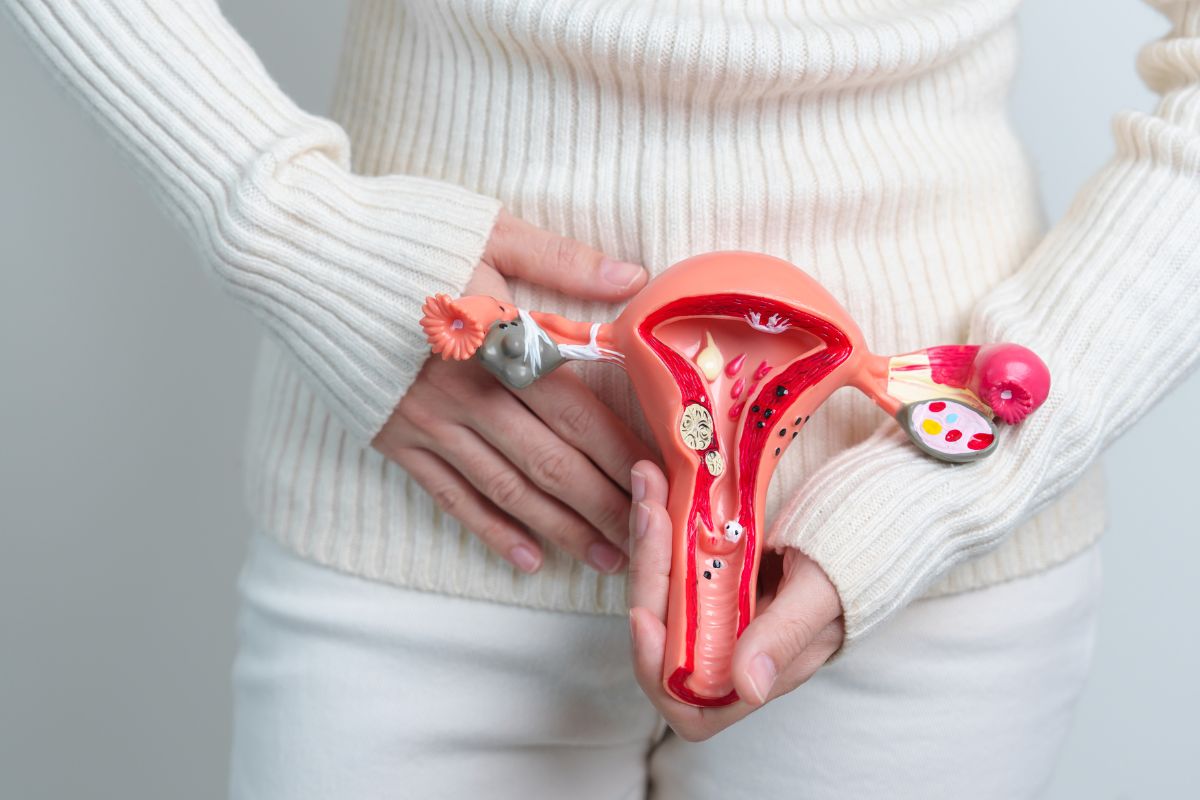
Uterine fibroids are non-cancerous growths that develop in or around the uterus and are common during the reproductive years. While many fibroids cause no symptoms, some can lead to heavy menstrual bleeding, pelvic pain, frequent urination, or fertility concerns. This article explains what uterine fibroids are, their types, symptoms, causes, risk factors, diagnosis, treatment options, possible complications, and when to consult a doctor to help you make informed decisions about your health.
What Are Uterine Fibroids?
Uterine fibroids are non-cancerous growths made of muscle and fibrous tissue that develop in or on the uterus. They can range dramatically in size from tiny nodules smaller than a pea to large masses that noticeably change the shape of the uterus. Fibroids can technically affect a woman at any age, but they’re most common between ages 30 and 50, largely because estrogen and progesterone the hormones driving your menstrual cycle are also what fuel fibroid growth.
Here’s something worth knowing upfront: as many as half of all women with fibroids never notice a thing. Many are only discovered incidentally, during a routine pelvic exam or an ultrasound done for an unrelated reason.
Types of Uterine Fibroids
Fibroids are classified by exactly where they grow, and location has a lot to do with which symptoms show up:
- Intramural Fibroids: Develop within the muscular wall of the uterus and are the most common type. These can make the uterus feel enlarged and sometimes cause discomfort during intercourse.
- Submucosal Fibroids: Grow just beneath the uterine lining and push into the uterine cavity. These are the ones most likely to cause very heavy bleeding, fertility problems, and recurrent miscarriages, since they can distort the shape of the cavity itself.
- Subserosal Fibroids: Develop on the outer surface of the uterus. These rarely cause heavy bleeding but can grow large enough to press on nearby organs, leading to constipation or frequent urination.
- Pedunculated Fibroids: Attached to the uterus by a thin stalk. If that stalk twists (a process called torsion), it can trigger sudden, sharp pelvic pain that needs urgent attention.
It’s also entirely possible to have more than one type at once which is part of why symptoms can look so different from woman to woman.
What Causes Uterine Fibroids?
The exact cause isn’t fully understood, but research consistently points to a mix of hormonal, genetic, and lifestyle factors working together.
- Estrogen and progesterone: Fibroids actually contain more hormone receptors than normal uterine muscle, which is why they tend to grow during the reproductive years and shrink after menopause once hormone levels drop.
- Genetics: A family history of fibroids especially in a mother or sister raises your own risk, and certain genetic changes in uterine muscle cells appear to trigger their development.
- Growth factors: Substances like insulin-like growth factor (IGF), along with a build-up of the fibrous material that holds cells together, are thought to contribute to how firm and fibrous these growths become.
- Obesity: Extra body fat increases estrogen production, indirectly fuelling fibroid growth.
Symptoms of Uterine Fibroids
Symptoms depend heavily on the size, number, and location of the fibroid which is why a small fibroid in a sensitive spot can sometimes cause more trouble than a large one elsewhere.
- Heavy menstrual bleeding (menorrhagia): Needing to change a pad or tampon every 1–2 hours, or periods lasting more than 7 days
- Pelvic pain or pressure: A constant dull ache, or a feeling of heaviness low in the abdomen
- Frequent urination or difficulty emptying the bladder: Especially with fibroids pressing directly on the bladder
- Constipation and bloating: From pressure on the bowel
- Pain during intercourse
- Lower back pain or leg pain: From pressure on pelvic or spinal nerves
- Iron-deficiency anaemia: A direct result of ongoing heavy blood loss, showing up as fatigue, weakness, or dizziness
- Difficulty getting pregnant, or recurrent miscarriages: Particularly with submucosal fibroids that distort the uterine cavity
How Are Uterine Fibroids Diagnosed?
Diagnosis usually starts with a conversation about your symptoms, followed by a physical exam and imaging:
- Pelvic examination: Your doctor may feel an enlarged or irregularly shaped uterus
- Ultrasound: The most common first step can be done abdominally or transvaginally to get a clear image of the uterus
- Transvaginal ultrasound: Offers a closer, more detailed view
- MRI scan: Useful for complex cases, or when planning surgery, since it shows size, location, and blood supply in detail
- Hysterosonography (saline infusion sonography): Saline is injected into the uterus during the ultrasound to get a clearer picture of the lining particularly useful for spotting submucosal fibroids
- Hysterosalpingography (HSG): An X-ray using dye to highlight the uterus and fallopian tubes, often used during fertility evaluations
- Hysteroscopy: A thin, lighted scope inserted through the cervix to directly view the inside of the uterus — and sometimes treat fibroids in the same sitting
- Blood tests: Won’t detect fibroids directly, but help confirm anaemia from heavy bleeding
Treatment for Uterine Fibroids
Treatment isn’t a one-size-fits-all decision it depends on your symptoms, fibroid size and location, age, and whether you’re planning a pregnancy.
Watchful waiting: If your fibroids are small and causing no symptoms, your doctor may simply recommend regular monitoring with ultrasounds every 6–12 months, rather than jumping straight to treatment.
Medications: These manage symptoms rather than eliminate fibroids entirely.
- Hormonal therapy (birth control pills, GnRH agonists) can temporarily shrink fibroids and reduce bleeding
- Tranexamic acid specifically targets heavy bleeding
- NSAIDs like ibuprofen help with pain, though not bleeding
- Hormonal IUDs can control heavy flow without shrinking the fibroid itself
Minimally invasive procedures:
- Uterine Artery Embolization (UAE): Cuts off blood supply to the fibroid, causing it to shrink gradually — a good option for women not planning future pregnancies
- MRI-Guided Focused Ultrasound: A newer, non-surgical treatment that uses focused ultrasound waves to destroy fibroid tissue without any incisions at all
Surgical options:
- Myomectomy: Removes the fibroids while preserving the uterus the preferred choice for women who want to retain fertility
- Hysterectomy: Complete removal of the uterus — a definitive fix with zero chance of recurrence, generally reserved for severe cases where childbearing isn’t a concern
Risk Factors for Uterine Fibroids
- Age between 30–50 years
- Family history of fibroids
- Early onset of menstruation (early menarche)
- Obesity or excess body weight
- High estrogen exposure, including prolonged exposure from early periods or late menopause
- A diet high in red meat and low in fruits and vegetables
- Vitamin D deficiency notably common in India despite abundant sunlight
- High blood pressure
- Polycystic Ovary Syndrome (PCOS)
- Never having been pregnant
Complications of Uterine Fibroids
Most fibroids stay harmless, but left untreated, they can occasionally lead to:
- Severe iron-deficiency anaemia from ongoing blood loss
- Infertility or recurrent miscarriage
- Pregnancy complications, including preterm labour or abnormal fetal positioning
- Bladder dysfunction or persistent constipation
- Fibroid degeneration: If a fibroid outgrows its own blood supply, it can start to break down, causing sudden, severe pain along with fever
- A rare cancerous transformation (leiomyosarcoma): This affects less than 1% of cases and isn’t believed to be an existing fibroid “turning cancerous” but it’s exactly why regular monitoring matters
Lifestyle Tips for Managing Uterine Fibroids
While lifestyle changes can’t make fibroids disappear entirely, they genuinely help manage symptoms and support overall reproductive health:
- Maintain a healthy weight
- Eat plenty of fruits, vegetables, and whole grains
- Limit processed foods and red meat
- Exercise regularly aim for roughly 150 minutes of moderate activity a week
- Manage stress through yoga or meditation
- Correct vitamin D deficiency if your doctor recommends it
- Keep up with regular gynaecological check-ups
Can Uterine Fibroids Affect Pregnancy?
Many women with fibroids go on to have completely healthy pregnancies. That said, depending on size and location, fibroids can raise the risk of infertility, miscarriage, preterm birth, abnormal fetal positioning, placental complications, or a need for C-section delivery. If you’re planning a pregnancy and know you have fibroids, it’s worth discussing your specific situation with a gynaecologist ahead of time rather than after conceiving.
Prevention of Uterine Fibroids
Although uterine fibroids cannot always be prevented, adopting healthy lifestyle habits may help reduce the risk or delay their development.
- Maintain a healthy body weight.
- Eat a balanced diet rich in fruits, vegetables, and whole grains.
- Limit processed foods and excessive red meat consumption.
- Exercise regularly.
- Manage chronic medical conditions such as high blood pressure.
- Attend regular gynaecological check-ups for early detection.
Myths About Uterine Fibroids
Myth: “Fibroids always cause symptoms.”
Truth: Many women have fibroids without ever noticing anything at all.
Myth: “Every fibroid requires surgery.”
Truth: Small, symptom-free fibroids often just need regular monitoring nothing more.
Myth: “Fibroids always return after treatment.”
Truth: It depends on the treatment. Hysterectomy removes fibroids permanently, while myomectomy carries some chance of new fibroids developing later.
How HealthPil Can Help
At HealthPil, we offer consultations with experienced gynaecologists who can help diagnose, treat, and manage uterine fibroids. Our experts will work with you to build the right treatment plan based on your symptoms and health goals.
When Should You See a Doctor?
Consult a gynaecologist if you experience:
- Heavy menstrual bleeding or periods lasting longer than seven days
- Severe pelvic pain or pressure
- Bleeding between menstrual periods
- Difficulty getting pregnant
- Frequent urination or persistent constipation
- Rapid enlargement of the abdomen
- Symptoms that interfere with your daily life
Seek immediate medical attention if you experience sudden severe pelvic pain, excessive bleeding, fainting, dizziness, or fever with pelvic pain, as these may indicate a medical emergency.
If you’re experiencing any of these symptoms, don’t ignore them. Book an online consultation with an experienced HealthPil gynaecologist for an accurate diagnosis and a personalised treatment plan. Early care can help prevent complications and improve your quality of life.
Summary
This blog explains uterine fibroids, including their types, causes, risk factors, symptoms, diagnosis, and treatment options. It also covers possible complications, pregnancy-related concerns, prevention and lifestyle tips, common myths, FAQs, and when to seek medical care, helping women understand the condition and make informed decisions. It concludes by encouraging readers to book an online consultation with HealthPil’s experienced gynaecologists for accurate diagnosis and personalised treatment.
FAQ
Can uterine fibroids turn into cancer?
Almost never. Fibroids are overwhelmingly benign, and the chance of a cancerous transformation is under 1%.
What size of fibroid is considered a problem?
There’s no single “normal” size location often matters more than size itself. Fibroids under 3–4 cm usually cause no symptoms, while larger ones (5cm+) or fast-growing ones are more likely to need evaluation.
Do fibroids shrink on their own?
Yes, commonly after menopause since fibroids depend on estrogen and progesterone to grow, falling hormone levels usually cause them to shrink naturally.
Will fibroids come back after treatment?
They can, after medication or myomectomy. Hysterectomy is the only option that rules out recurrence completely, since it removes the uterus itself.
Is surgery the only way to treat fibroids?
Not at all. Many women manage symptoms well with medication or minimally invasive options like UAE or MRI-guided focused ultrasound surgery is generally reserved for severe or persistent cases.
References
- Barjon K, Kahn J, Singh M. Uterine Leiomyomata. StatPearls Publishing. Available at:
NCBI Bookshelf - Ahmad A, Kumar M, Bhoi NR, et al. Diagnosis and Management of Uterine Fibroids: Current Trends and Future Strategies. Available at:
PubMed
Disclaimer:
This article serves solely as a source of information and is not intended to substitute for professional medical advice. It is necessary to consult your healthcare provider for accurate diagnosis and treatment alternatives.

Read our editorial policy