

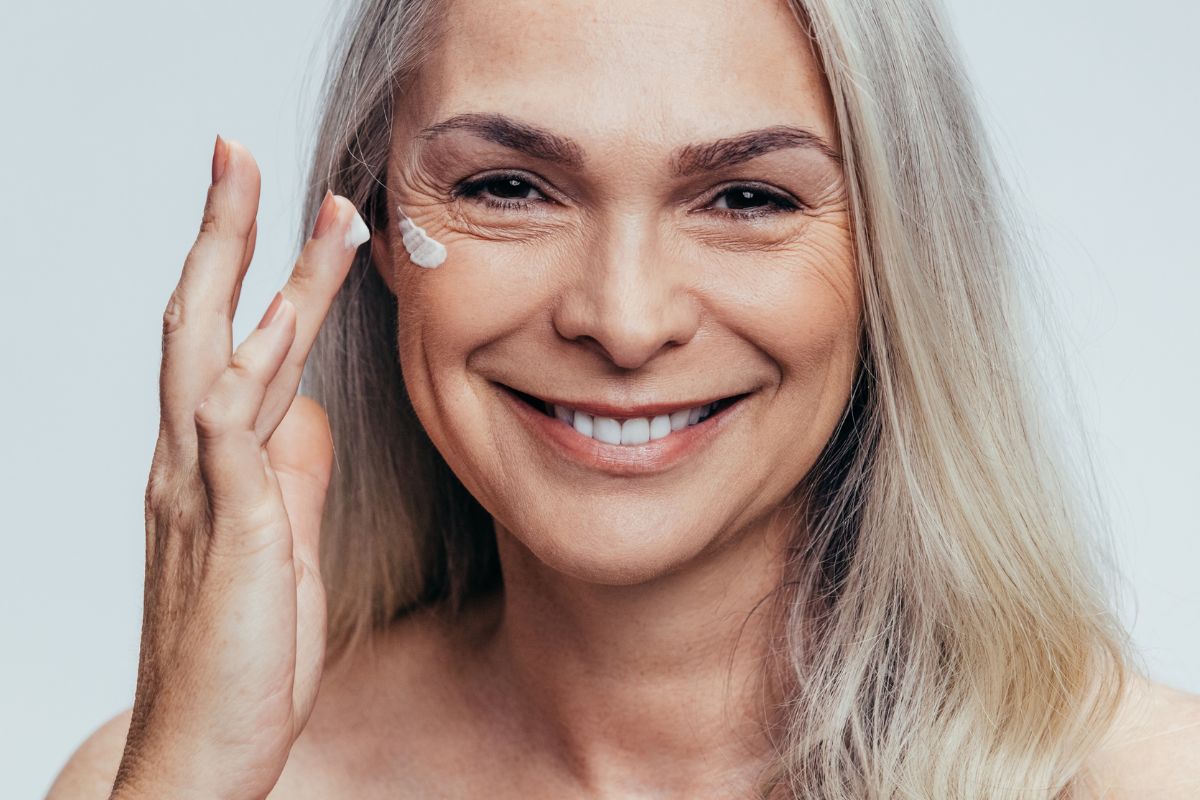
Tired of noticing fine lines and wrinkles creeping in, and unsure whether those expensive jars actually do anything? Let’s go through the real evidence what genuinely works, what’s mostly marketing, and how to build a routine that actually earns its shelf space.
What Are Anti-Aging Creams, Really?
Anti-aging creams claim to reduce wrinkles, tighten skin, and reverse visible signs of ageing. The ones that actually have something behind them contain ingredients like retinol, hyaluronic acid, vitamin C, and peptides each backed by a different degree of scientific evidence.
So, Do They Actually Work?
Yes, to a real but bounded degree. Anti-aging creams with clinically proven ingredients retinol, hyaluronic acid, vitamin C, peptides, niacinamide, ceramides can genuinely improve fine lines, wrinkles, texture, and hydration. What they can’t do is stop the ageing process entirely or erase deep, established wrinkles. The best results come from consistent use over months, daily sun protection, and a reasonably healthy lifestyle not from any single miracle ingredient.
Why Does Skin Age in the First Place?
Skin ageing happens through two overlapping processes: intrinsic ageing (the natural, genetically driven decline in collagen and elastin as you get older) and extrinsic ageing (damage from things you’re exposed to UV radiation, pollution, smoking, poor diet, stress, lack of sleep). The extrinsic factors are where prevention actually has leverage, and one number is worth remembering here: sun exposure alone is responsible for up to 90% of visible skin ageing. Everything else diet, sleep, stress matters, but sunscreen is doing the heaviest lifting of anything on this list.
Early Signs Worth Paying Attention To
Ageing rarely announces itself with a single dramatic wrinkle it shows up gradually, and it’s easy to write off the early signals. Worth noticing:
- Dryness or tightness despite regular moisturising
- Faint crow’s feet appearing when you smile
- Uneven tone or early pigmentation patches
- Slight sagging along the jawline or under the eyes
- Skin looking duller than it used to
- Fine lines that don’t disappear even after a good night’s sleep and hydration
If a few of these sound familiar, that’s less a cause for alarm and more a nudge to actually start paying attention which, conveniently, is also the best time to start.
The Evidence Behind Each Ingredient
Retinol (Vitamin A)
The most researched anti-ageing ingredient by a wide margin. It increases cell turnover, stimulates collagen production, and reduces the appearance of fine lines. Research consistently places retinoids among the most effective treatments specifically for photoaging (sun-damage-driven ageing).
Hyaluronic Acid
A humectant meaning it draws moisture into the skin which temporarily plumps it up and softens the look of wrinkles. Studies show topical hyaluronic acid meaningfully improves skin suppleness and moisture. A small technique detail that matters: it works best applied to slightly damp skin, then sealed in with a moisturiser, since it needs surrounding moisture to actually draw from.
Vitamin C
An antioxidant that brightens skin and helps fade pigmentation, while also encouraging collagen formation the combination is what gives skin that tighter, more even look. One practical catch: vitamin C oxidises easily when exposed to air and light, which is why serums degrade over time and should be stored properly (and replaced once they change colour).
Peptides
Peptides support collagen production, improve texture, and help reduce the appearance of wrinkles generally gentler and slower-acting than retinol, which makes them a reasonable option for more sensitive skin.
Niacinamide (Vitamin B3)
Strengthens the skin barrier, reduces pigmentation, minimises the appearance of enlarged pores, and improves overall texture. It also supports hydration and calms redness, making it one of the more broadly tolerable ingredients on this list well suited to sensitive skin and long-term routines.
Ceramides
Natural lipids that maintain the skin barrier and prevent moisture loss. Ceramide-based moisturisers are particularly useful for ageing or sensitive skin, since barrier function tends to weaken with age, making skin more prone to dryness and irritation.
Using These Ingredients Without Irritating Your Skin
Retinol is powerful but needs a slow introduction start with a low strength (0.25–0.5%), just one or two nights a week, and build up gradually as your skin builds tolerance. Some initial dryness or mild irritation is normal, not a sign it’s “not working for you.” And because retinol increases sun sensitivity, daytime sunscreen isn’t optional while using it.
Vitamin C is generally safe but can irritate sensitive skin, so patch-testing a new serum is worth the extra day.
Hyaluronic acid is one of the gentler options on this list and rarely causes issues, making it a reasonable starting point if you’re new to actives altogether.
A Practical Anti-Aging Routine, Morning and Night
Rather than treating these ingredients as a random pile of products, here’s how they typically fit together:
Morning:
- Gentle cleanser
- Antioxidant serum (Vitamin C) protects against the day’s environmental damage
- Moisturiser
- Broad-spectrum sunscreen, SPF 30 or higher non-negotiable, rain or shine, indoors or out (UV passes through windows too)
Evening:
- Cleanser (to remove the day’s makeup, sunscreen, and pollutants)
- Exfoliant, 2–3 times a week only AHAs (like glycolic acid) or BHAs (like salicylic acid) work better here than physical scrubs, which can be too abrasive
- Retinol or retinoid (on non-exfoliation nights, to avoid over-stressing the skin)
- Night cream or hydrating oil
A couple of extras worth folding in: the skin on your neck and hands ages just as visibly as your face but gets neglected far more often extend your sunscreen and retinoid routine there too. And if you’re someone who tosses and turns, a silk pillowcase genuinely reduces the friction that contributes to sleep lines over time, as a small bonus on top of the products themselves.
Who Should Actually Start Using These, and When?
Most dermatologists recommend starting preventive anti-ageing skincare in your late 20s or early 30s this is squarely about prevention, not correction. That said, it’s genuinely never too late: skin at 40 or 50 still responds well to the right care, restoring hydration, softening texture, and improving tone even if you’re starting from scratch. The earlier you start, the more you’re preventing; the later you start, the more you’re actively repairing both are worthwhile, just with slightly different expectations.
Products should be chosen by skin type and specific concern, not simply by age.
Common Myths Worth Retiring
Myth 1: “You don’t need anti-aging products until your 40s.”
Fact: By the time visible signs are well established, they’re considerably harder to reverse. Starting earlier is about prevention, which is a fundamentally easier job than correction.
Myth 2: “More expensive products work better.”
Fact: What matters is the ingredient list and concentration, not the price tag a well-formulated affordable product can outperform an expensive one with weaker active ingredients.
Myth 3: “Natural or DIY ingredients are automatically safer.”
Fact: Not even close. Lemon juice, baking soda, and undiluted essential oils are common DIY skincare suggestions that can genuinely irritate or chemically burn skin. “Natural” describes origin, not safety dermatologically tested formulations exist for a reason.
Professional Treatments, When Creams Aren’t Enough
For more advanced signs of ageing, topical products alone often can’t deliver a meaningful change, and dermatologists may recommend:
- Chemical peels — exfoliate the outer skin layer to improve fine lines, sun damage, and uneven tone
- Microneedling — stimulates collagen and elastin through controlled micro-injuries, often paired with hyaluronic acid or peptide serums for amplified results
- Laser treatments — fractional CO2 lasers target texture and wrinkles, while IPL (Intense Pulsed Light) focuses more on pigmentation and redness
- Botox — temporarily relaxes the muscles behind dynamic wrinkles (crow’s feet, frown lines)
- Dermal fillers — restore lost volume in areas like the cheeks, lips, and under the eyes
These are genuinely more effective for advanced concerns than any cream, but they need to be performed under proper medical supervision not at a walk-in salon.
Lifestyle Habits That Do Real Work Alongside Skincare
Products only get you partway there. The habits that meaningfully support the same goal:
Drink enough water throughout the day, eat antioxidant-rich foods (berries, leafy greens, nuts, healthy fats), get 7–9 hours of sleep (your skin genuinely repairs itself overnight), avoid smoking and limit alcohol (both actively break down collagen), manage stress (chronic stress drives inflammation that shows up as breakouts, pigmentation, and dullness), and exercise regularly, since it improves circulation and nourishes skin cells directly. One more mechanism worth knowing: diets high in sugar and processed food contribute to a process called glycation, where sugar molecules attach to collagen fibres and stiffen them another reason “eat less sugar” shows up on basically every dermatologist’s list.
Give It Time
Whatever combination you land on, give new products 6–12 weeks before judging whether they’re working this is roughly how long visible skin turnover takes. Switching products every few weeks because you don’t see instant results is one of the most common ways people undermine routines that would have actually worked.
When Should You Visit a Dermatologist?
Consult a dermatologist if:
- You notice persistent wrinkles that aren’t responding to a consistent OTC routine after several months
- Your skin seems to be ageing unusually fast for your age
- You have severe pigmentation or noticeable loss of elasticity
- You’re unsure which ingredients or routine actually suit your specific skin type and concerns
A dermatologist can build a routine and recommend professional treatments if warranted genuinely tailored to your skin, rather than you cycling through generic products by trial and error. If an in-person visit isn’t convenient right now, an online consultation is a solid way to start you can describe your skin concerns and current routine and get a clear read on what’s actually worth adding (or dropping). HealthPil connects you with experienced dermatologists who can help you choose effective, safe products tailored to your skin’s specific needs.
How HealthPil Can Help:
If you’re unsure which anti-ageing products are right for you, HealthPil connects you with experienced dermatologists who can help you choose effective, safe skincare products tailored to your skin’s needs.
Summary
Anti-aging creams can help improve fine lines, wrinkles, skin texture, hydration, and overall skin appearance when they contain scientifically proven ingredients such as retinol, hyaluronic acid, vitamin C, peptides, niacinamide, and ceramides. However, no cream can completely stop the natural ageing process or permanently remove deep wrinkles. Consistent skincare, daily broad-spectrum sunscreen, healthy lifestyle habits, and dermatologist guidance provide the best long-term results. If over-the-counter products do not improve your skin concerns after regular use, consulting a dermatologist can help you choose the most effective treatment plan.
Frequently Asked Questions
1. Do anti-aging creams really work?
Yes. Anti-aging creams containing clinically proven ingredients such as retinol, hyaluronic acid, vitamin C, peptides, niacinamide, and ceramides can improve fine lines, wrinkles, hydration, and skin texture. However, they cannot completely stop ageing or permanently remove deep wrinkles.
2. At what age should I start using anti-aging creams?
Most dermatologists recommend starting preventive anti-aging skincare in your late 20s or early 30s. Starting early helps protect collagen and delay visible signs of ageing.
3. Which ingredients are best in anti-aging creams?
Look for ingredients such as retinol, hyaluronic acid, vitamin C, niacinamide, peptides, ceramides, and broad-spectrum sunscreen, as these have the strongest scientific evidence for improving skin health.
4. Can anti-aging creams remove wrinkles permanently?
No. Anti-aging creams can reduce the appearance of fine lines and early wrinkles, but they cannot permanently remove deep wrinkles. Advanced wrinkles may require professional dermatological treatments.
5. How long does it take for anti-aging creams to show results?
Most anti-aging products require consistent use for 6 to 12 weeks before noticeable improvements in skin texture, hydration, and fine lines become visible.
6. Is sunscreen necessary when using anti-aging creams?
Yes. Daily broad-spectrum sunscreen with SPF 30 or higher is essential because UV exposure is one of the biggest causes of premature skin ageing. It also protects skin while using ingredients like retinol.
7. When should I consult a dermatologist for anti-aging concerns?
Consult a dermatologist if your wrinkles worsen quickly, you have severe pigmentation or loss of skin elasticity, or if over-the-counter anti-aging products do not improve your skin after several months of regular use.
References
- Lau M, Gollogly JM, Wang JY, Jagdeo J. Cosmeceuticals for Antiaging: A Systematic Review of Safety and Efficacy. Available at:
PubMed - Cosmeceuticals for Antiaging: A Systematic Review of Safety and Efficacy. Available at:
PMC
Disclaimer:
This article is for informational purposes only. Always consult a healthcare provider before you think of starting any new skincare treatments.

Read our editorial policy