

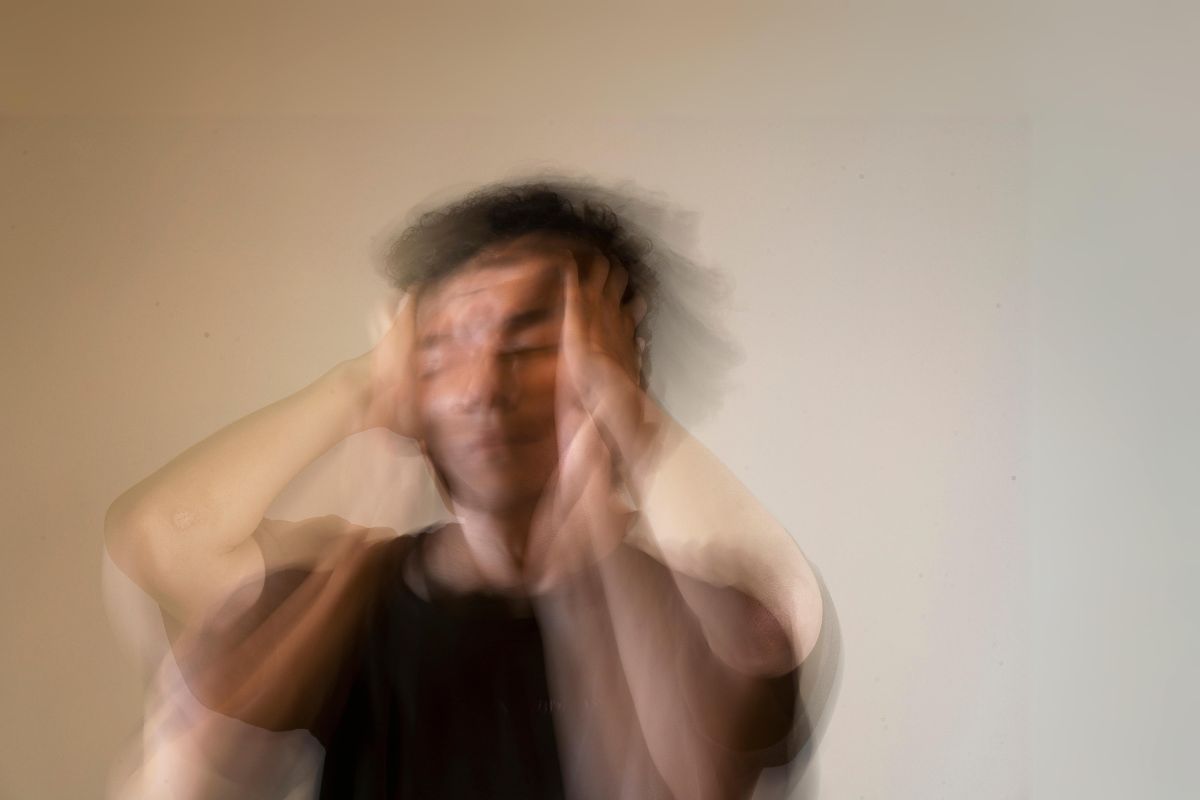
One week you feel unstoppable full of ideas, energy, and confidence. A few weeks later, getting out of bed feels impossible. If this rollercoaster sounds familiar, either for yourself or someone you love, you might be dealing with more than just “mood swings.” You could be looking at bipolar disorder.
Bipolar disorder is a long-term mental health condition that affects how a person’s mood, energy, and behaviour shift over time. Unlike the everyday ups and downs everyone experiences, these shifts are intense, they last for days or weeks at a stretch, and they can quietly take over a person’s relationships, career, sleep, and sense of self.
It used to be called manic depression, and it affects millions of people around the world. The good news? It’s not a life sentence of chaos. With the right diagnosis, treatment, and support system, people with bipolar disorder go on to live full, stable, and genuinely happy lives.
Let’s break down what it actually looks like, why it happens, and what real treatment involves.
What Exactly Is Bipolar Disorder?
At its core, bipolar disorder is a mood disorder built around two extremes: mania (or its milder cousin, hypomania) and depression.
During a manic phase, someone might feel wired overly confident, restless, impulsive, talking a mile a minute. During a depressive phase, it’s almost the opposite: heavy sadness, no motivation, and a sense that nothing matters.
In between these episodes, most people go through stretches of stability, known as euthymia, where they feel and function like themselves. But without treatment, these stable periods tend to shrink over time, and the mood episodes often become more frequent or more severe.
Bipolar disorder doesn’t discriminate it can affect anyone, at any age though it typically first shows up in the late teens or early twenties. And importantly, it’s treatable. A combination of medication, therapy, and lifestyle changes helps most people manage it well.
The Different Types of Bipolar Disorder
Not everyone with bipolar disorder experiences it the same way. Doctors classify it into a few distinct categories based on how severe and how frequent the mood episodes are.
Bipolar I Disorder
This is diagnosed when someone has had at least one full manic episode lasting seven days or more — or one severe enough to require hospitalisation. Many people with Bipolar I also go through major depressive episodes, though depression isn’t required for the diagnosis.
Signs to watch for:
- Extremely elevated or euphoric mood
- A sudden surge of energy
- Impulsive, out-of-character decisions
- Risk-taking behaviour
- Barely needing sleep, yet not feeling tired
- In severe cases, delusions or hallucinations
Bipolar II Disorder
Bipolar II involves at least one major depressive episode along with one hypomanic episode — a lower-intensity version of mania. There’s no full-blown manic episode here, but that doesn’t make it any less serious. In fact, people with Bipolar II often spend far more time in depressive states, which can be just as disruptive to daily life.
Cyclothymic Disorder (Cyclothymia)
Think of cyclothymia as a quieter, longer-running version of bipolar disorder. It involves repeated hypomanic and mild depressive symptoms that persist for at least two years in adults (or one year in children and teens). The symptoms are milder, but if left untreated, cyclothymia can eventually progress into full Bipolar I or II disorder.
Other Specified and Unspecified Bipolar Disorders
Some people show a pattern of symptoms that looks like bipolar disorder but doesn’t tick every box for the categories above. These cases still deserve a proper evaluation — and treatment — from a mental health professional.
What Causes Bipolar Disorder?
Nobody knows the exact cause. What research does point to is a mix of genetic, biological, and environmental factors working together, rather than one single trigger.
- Genetics: Having a parent or sibling with bipolar disorder raises your own risk.
- Brain chemistry: Imbalances in neurotransmitters like dopamine, serotonin, and norepinephrine appear to play a role in mood regulation.
- Biological differences: Brain imaging studies have found structural and functional differences in some people with bipolar disorder, though more research is still needed here.
- Stressful life events: A major loss, divorce, financial crisis, or trauma can act as a trigger in someone already predisposed to the condition.
- Childhood trauma: Physical abuse, neglect, or exposure to violence early in life is linked to a higher risk later on.
- Alcohol and drug misuse: Substance use doesn’t cause bipolar disorder on its own, but it can trigger episodes, worsen symptoms, and complicate treatment.
Who’s More at Risk?
A few factors tend to raise the odds of developing bipolar disorder or of triggering an episode:
- Family history of the condition
- Genetic predisposition
- Childhood trauma or abuse
- Severe emotional stress
- Major life changes
- Alcohol or drug misuse
- Sleep deprivation
- Co-existing conditions like anxiety or ADHD
- Hormonal or biological shifts
- Onset typically between ages 15 and 30
Having one or more of these doesn’t guarantee anything — it just means it’s worth paying closer attention to your mental health.
Recognising the Symptoms
Symptoms swing between two very different states, and the picture looks quite different depending on which phase someone is in.
During Mania or Hypomania
- Unusually euphoric or elevated mood
- A noticeable jump in energy and activity
- Inflated self-confidence or self-esteem
- Barely sleeping, without feeling exhausted
- Fast, pressured speech and racing thoughts
- Trouble focusing
- Taking on lots of new projects at once
- Impulsive spending or reckless driving
- Risky sexual behaviour
- Poor judgment in decisions
- Irritability or sudden aggression
- A burst of creativity or productivity
- In severe cases, delusions or hallucinations
These symptoms can spiral quickly into problems at work, in relationships, and with money.
During a Depressive Episode
- Persistent sadness or a feeling of emptiness
- Losing interest in things that used to feel enjoyable
- Constant fatigue
- Hopelessness or feelings of worthlessness
- Excessive guilt
- Trouble concentrating or remembering things
- Appetite and weight changes
- Sleeping too little or too much
- Withdrawing from friends and family
- Slowed speech or movement
- Unexplained aches and pains
- Thoughts of death, self-harm, or suicide
If any of these symptoms stick around for more than two weeks, it’s time to talk to a psychiatrist or mental health professional.
Bipolar Disorder in Children and Teens
It’s less commonly diagnosed in younger people, partly because the symptoms can look a lot like ADHD, anxiety, or just “normal” teenage moodiness. Still, it’s worth knowing the warning signs:
- Frequent, intense mood swings
- Irritability or aggressive outbursts
- Sudden bursts of energy
- Slipping grades
- Trouble concentrating
- Disrupted sleep patterns
- Risky or reckless behaviour
- Pulling away from friends
- Ongoing sadness
- Thoughts of self-harm
If these patterns are affecting school, friendships, or daily life, it’s worth getting a professional opinion sooner rather than later. Catching it early tends to lead to much better outcomes down the line.
How Is Bipolar Disorder Diagnosed?
There’s no blood test or scan that can confirm bipolar disorder on its own. Diagnosis comes from a thorough clinical evaluation — looking at symptoms, history, and behaviour patterns over time. And because the symptoms often overlap with depression, anxiety, ADHD, or schizophrenia, getting an accurate diagnosis sometimes takes a bit of patience.
A typical evaluation covers:
- Current symptoms and how severe they are
- How long and how often mood changes occur
- Any past episodes of mania, hypomania, or depression
- Personal and family mental health history
- Sleep habits and daily routine
- Alcohol or substance use
- Recent stressful or traumatic events
- Any physical health issues that could be contributing
Physical exams and lab tests are often used too, mainly to rule out other causes:
- Thyroid function tests
- Complete blood count (CBC)
- Vitamin B12 and D levels
- Blood sugar levels
- Liver and kidney function
- Hormonal tests, when relevant
Psychiatric assessment digs deeper into mood, thought patterns, memory, decision-making, and any risk of self-harm. Family members are sometimes brought into this conversation too, since people in a manic phase often don’t realise how much their behaviour has changed.
Mood charting — keeping a daily log of mood, sleep, energy, medication, and stress helps doctors spot patterns and track how well treatment is working.
Most professionals rely on the DSM-5 (Diagnostic and Statistical Manual of Mental Disorders, 5th Edition) to guide an accurate diagnosis across Bipolar I, Bipolar II, Cyclothymia, and related conditions.
Treating Bipolar Disorder: What Actually Works
Bipolar disorder is lifelong, but it’s absolutely manageable. The goal of treatment isn’t to “cure” it — it’s to reduce how often and how severely episodes happen, and to help someone feel steady and in control of their life again. Every treatment plan should be built around the individual, not a one-size-fits-all template.
Medication
Mood stabilisers are usually the first line of defence Lithium, Valproate, Lamotrigine, and Carbamazepine are common choices, often used long-term.
Antipsychotic medications like Olanzapine, Risperidone, Quetiapine, or Aripiprazole may be added during severe manic episodes or when psychotic symptoms show up.
Antidepressants can help with depressive symptoms, but they’re usually paired with a mood stabiliser — on their own, they can sometimes trigger a manic episode. This is exactly why medication needs to be managed by a psychiatrist, not self-adjusted.
Therapy
- Cognitive Behavioural Therapy (CBT): Helps identify and reshape negative thought patterns, manage anxiety and depression, and build relapse-prevention skills.
- Interpersonal and Social Rhythm Therapy (IPSRT): Focuses on keeping daily routines — sleep, meals, activity — consistent, since stable rhythms reduce the risk of future episodes.
- Family-Focused Therapy: Brings loved ones into the process, improving communication and helping the whole family recognise early warning signs.
- Psychoeducation: Teaches patients about their condition — how to spot relapse signs early, stick with medication, and build long-term coping strategies.
Electroconvulsive Therapy (ECT)
Reserved for severe cases — treatment-resistant depression, catatonia, psychosis, or high suicide risk — ECT is performed under general anaesthesia and is considered safe when done by trained professionals.
Lifestyle Habits That Make a Real Difference
Medication and therapy do the heavy lifting, but daily habits matter more than people expect:
- Stick to a consistent sleep schedule
- Eat balanced, regular meals
- Move your body — aim for 30 minutes most days
- Try yoga, meditation, or mindfulness
- Steer clear of alcohol and recreational drugs
- Keep a structured daily routine
- Take medications exactly as prescribed
- Don’t skip psychiatric follow-ups
- Lean on a solid support system
- Build healthy ways to manage stress
What Happens Without Treatment?
Left unmanaged, bipolar disorder can spill into nearly every part of life:
- Strained relationships and family conflict
- Struggles at work or school
- Financial trouble from impulsive spending
- Alcohol or substance misuse
- Anxiety disorders
- Isolation from friends and family
- Legal trouble from risky decisions
- Self-harm or suicide attempts
- Repeated hospitalisations
- An overall decline in quality of life
The encouraging part: early diagnosis and steady treatment dramatically lower these risks.
Can It Be Prevented?
Not entirely genetics and biology play too big a role for that. But early action can make episodes less frequent and less severe:
- Learn to spot early warning signs of mania or depression
- Don’t wait to get help once symptoms appear
- Take medication consistently
- Protect your sleep schedule
- Manage stress with healthy coping tools
- Avoid alcohol and drugs
- Keep up with psychiatric appointments
- Build a support network you can lean on
- Prioritise regular exercise and good nutrition
When Should You See a Doctor?
If mood changes are sticking around and starting to interfere with work, relationships, or everyday functioning, it’s worth reaching out to a psychiatrist. Watch for:
- Sadness lasting more than two weeks
- Sudden bursts of high energy or excitement
- Mood swings that disrupt daily life
- Sleep problems tied to mood changes
- Impulsive or risky behaviour
- Hallucinations or delusions
- Trouble concentrating or getting things done
- Pulling away from people you care about
- Thoughts of self-harm or suicide
Seek emergency help immediately if someone is expressing suicidal thoughts, attempting self-harm, showing severe psychotic symptoms, becoming extremely aggressive, or unable to keep themselves safe.
How HealthPil Can Support You
Living with bipolar disorder can feel like a lot to carry but nobody has to carry it alone. At HealthPil, we believe timely diagnosis, expert guidance, and consistent support are what make long-term management actually work.
Access to experienced specialists: Connect with qualified psychiatrists and psychologists who specialise in diagnosing and treating bipolar disorder, whether you’re noticing symptoms for the first time or need ongoing care.
Consultations from wherever you are: Through HealthPil’s secure teleconsultation platform, you can book appointments without the hassle of travel or long waits.
Treatment built around you: No two people experience bipolar disorder the same way. Our specialists design personalised plans that may include medication management, therapy, lifestyle counselling, stress management, and sleep support.
Ongoing follow-up: Managing bipolar disorder is a long game. HealthPil helps you stay consistent with regular check-ins, medication reviews, and symptom tracking to lower the risk of relapse.
Privacy you can count on: Mental health deserves the same discretion and respect as any physical health concern. Every consultation on HealthPil is confidential and handled with genuine care.
Summary
Bipolar disorder is a chronic mental health condition that causes recurring episodes of mania, hypomania, and depression, affecting mood, energy, behaviour, and daily life. Early diagnosis through psychiatric evaluation and timely treatment with medication, psychotherapy, and healthy lifestyle changes can help manage symptoms effectively. With consistent medical care and support, most individuals with bipolar disorder can lead stable, healthy, and fulfilling lives.
Frequently Asked Questions (FAQs)
1. What is bipolar disorder?
It’s a mental health condition marked by recurring episodes of mania, hypomania, and depression, which significantly affect mood, energy, and day-to-day functioning.
2. What are the early signs of bipolar disorder?
Look out for unusual mood swings, spikes in energy, reduced need for sleep, irritability, rapid speech, persistent sadness, loss of interest in activities, poor concentration, and changes in appetite or sleep.For some people, yes symptoms can improve with age, especially with early diagnosis and treatment. For others, challenges continue into adulthood in a different form.
3. What causes bipolar disorder?
There’s no single known cause. Genetics, brain chemistry, family history, childhood trauma, major life stress, and substance misuse are all believed to play a part
4. How is bipolar disorder diagnosed?
Through a detailed psychiatric evaluation, medical history review, physical exam, mood charting, and assessment against DSM-5 criteria. Lab tests may be used to rule out other conditions.
5. Can bipolar disorder be cured?
There’s no permanent cure, but with the right treatment medication, therapy, and healthy habits most people manage their symptoms well and live fulfilling lives.
References
- Jain A, Mitra P. Bipolar Disorder. StatPearls Publishing. Available at:
NCBI Bookshelf - Jain A, Mitra P. Bipolar Disorder. Available at:
PubMed
- Jain A, Mitra P. Bipolar Disorder. StatPearls Publishing. Available at:
Medical Disclaimer:
This article is for general health awareness and education only. The information provided here does not constitute medical advice, diagnosis, or treatment. Always talk to a qualified healthcare professional if you have medical concerns. Do this before changing your health routine. If you are experiencing a medical emergency, call your local emergency services immediately

Read our editorial policy