

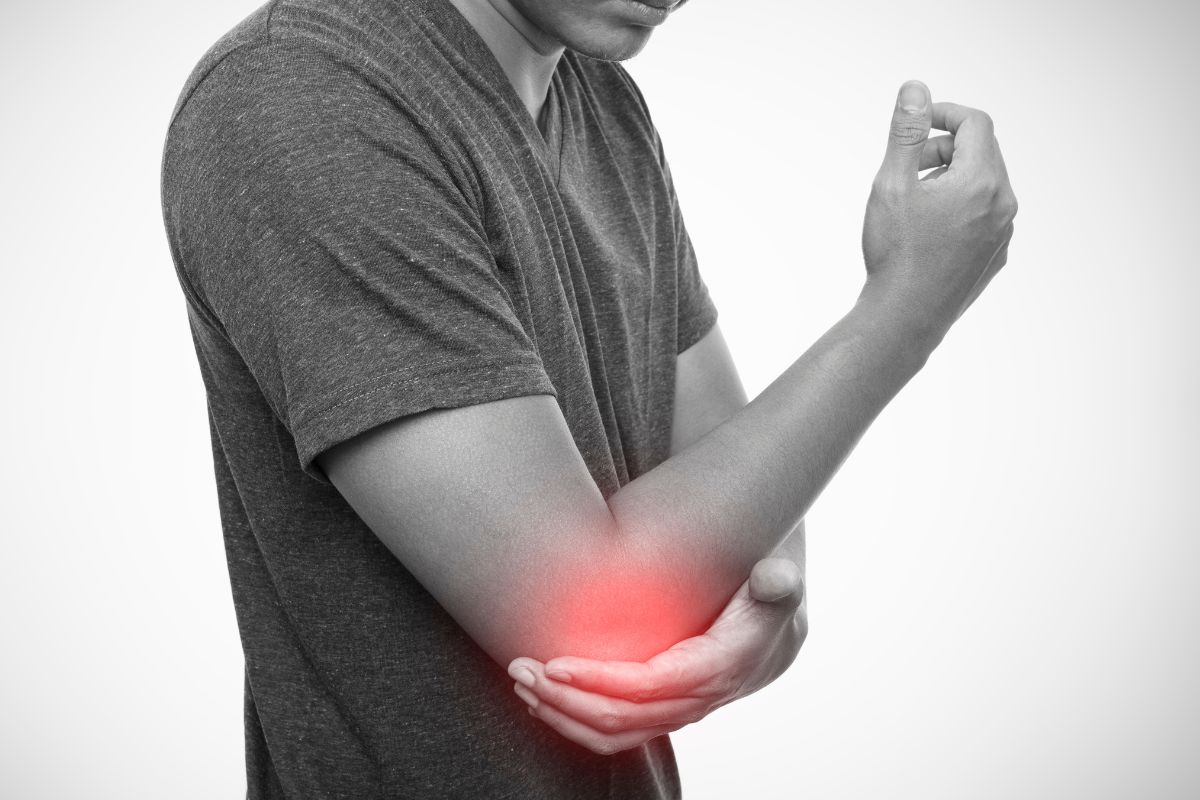
Tennis Elbow (lateral epicondylitis) is a common overuse injury that affects the tendons on the outer side of the elbow. Although it is commonly associated with racquet sports, the condition can affect anyone who performs repetitive wrist, hand, or forearm movements. It can cause pain, reduced grip strength, and difficulty performing everyday activities. Early diagnosis and appropriate treatment can help relieve symptoms and prevent long-term complications.
In this article, we discuss the symptoms, causes, diagnosis, treatment options, and prevention strategies for Tennis Elbow.
What exactly is Tennis Elbow?
In simple terms, it’s an inflammation of the tendons that join your forearm muscles to the outside of your elbow. When you repeat the same wrist or arm motions day in and day out, tiny tears start to form in those tendons. This leads to that sharp, irritating pain that makes simple things like turning a key or holding a heavy mug feel like a massive chore.
How is it Diagnosed?
When you talk to a doctor, they’ll mostly want to hear about your daily routine. Since this is a “repetitive strain” issue, your job or your hobbies usually hold all the answers. After a physical check-up to test your grip and pain points, they might suggest:
- X-ray or MRI: To make sure it’s not actually arthritis or a more serious tear.
- EMG (Electromyography): Used in rare cases just to ensure a pinched nerve isn’t causing the trouble.
Symptoms of Tennis Elbow
- Ache on the Outer Elbow: A sharp or dull pain that often travels down your forearm.
- Weak Grip: Suddenly finding it hard to open a jar or even shake someone’s hand.
- Morning Stiffness: That “rusty” feeling in the joint when you first wake up.
Stages of Tennis Elbow
If you ignore it, Tennis Elbow usually gets worse in stages:
- Mild irritation (it comes and goes).
- Tendon degeneration (the pain becomes your new normal).
- Partial tears (it starts hurting even when you’re resting).
- Chronic damage (where treatment becomes much more complicated).
Causes of Tennis Elbow
- Repetitive Motions: Typing all day, painting walls, or even gardening can be just as risky as sports.
- Bad Technique: Using the wrong form at the gym puts a ton of unnecessary stress on the elbow.
- Aging: As we get older, our tendons lose their elasticity, making them way easier to injure.
Treatment Options for Tennis Elbow
Most cases of Tennis Elbow improve with conservative treatment and do not require surgery. Treatment typically includes:
- Activity Modification: Reduce or modify activities that aggravate the symptoms, particularly repetitive gripping, lifting, or wrist-extension movements. Relative rest is recommended rather than complete immobilization, as maintaining gentle movement can support recovery.
- Ice Therapy: Great for calming down the swelling after a long day.
- Physical Therapy: Exercises to build forearm strength and get your flexibility back.
- Bracing: Using a forearm strap (counterforce brace) to give that injured tendon a break.
Non-Surgical Treatment for Tennis Elbow
For the vast majority, conservative treatment is all you need. Doctors might suggest Steroid injections or PRP therapy if rest isn’t doing the trick. Occupational therapy is also a great way to learn how to move your arm differently at work to avoid a relapse.
Recovery Timeline
- Mild cases: Usually clear up in a few weeks with rest.
- Moderate cases: Might need 2 to 6 months of dedicated physical therapy.
- Severe cases: If surgery is involved, the rehab journey will be much longer and more structured.
When Should You See a Doctor?
You should consult a doctor if your elbow pain lasts for more than two to three weeks, gets worse over time, or if you notice weakness in your hand or difficulty performing daily activities. Early diagnosis and treatment can help prevent the condition from worsening. You can also opt for an online orthopedic consultation to discuss your symptoms and get expert guidance.
How HealthPil Can Help
Elbow pain shouldn’t keep you from your work or hobbies. HealthPil connects you with experienced orthopedic specialists who know exactly how to handle repetitive strain injuries. Whether you need a diagnosis or a step-by-step rehab plan, we bring the experts to you. Book your online orthopedic consultation today and start your journey back to a pain-free life.
Summary
Tennis elbow is a common overuse injury caused by repeated strain on the tendons that connect the forearm muscles to the elbow. It can lead to pain on the outer side of the elbow, weak grip strength, and difficulty performing daily tasks. Most cases can be treated with rest, physical therapy, braces, and lifestyle changes, while severe cases may require advanced treatments. Early diagnosis and proper care can help prevent long-term complications and support faster recovery.
