
Close Menu

    Subscribe to Updates

    Get the latest creative news from FooBar about art, design and business.

    Consent(Required)

    What's Hot

    Food Poisoning and Gastroenteritis Symptoms, Treatment & Prevention Guide

    May 6, 2026

    Hyperhidrosis (Excessive Sweating): Causes, Types, and Treatment Options

    May 1, 2026

    Muscle Cramps: Causes, Treatment, and When to See a Neurologist

    April 20, 2026
    Facebook X (Twitter) Instagram
    Facebook X (Twitter) Instagram YouTube
    Healthpil
    +91 962 596 0259 Book Appointment
    • Home
    • Ask Doubts
    • About
    • Consult Doctors
    • Medicine A to Z
      • Drugs A to Z
      • Diagnostics A to Z
    • Explore
      1. Healthpil Originals
      2. Health Gatha
      3. White Coat Chronicles
      4. Myth vs. Medicine
      5. Teen Talk Unfiltered
      6. Medical Specialities
      7. Hindi
      8. View All
      9. View All

      Are Herbal Supplements Hurting Your Kidneys? What You Need to Know

      September 18, 2025

      Is Your Herbal Medicine Bad for Your Heart?

      September 18, 2025

      Are Herbal Supplements Messing Up Your Digestive Health?

      September 17, 2025

      Can Ayurvedic and TCM herbs Harm Your Lungs? The Respiratory Risks of Traditional Medicine

      September 17, 2025

      Are Herbal Supplements Hurting Your Kidneys? What You Need to Know

      September 18, 2025

      Is Your Herbal Medicine Bad for Your Heart?

      September 18, 2025

      Are Herbal Supplements Messing Up Your Digestive Health?

      September 17, 2025

      Can Ayurvedic and TCM herbs Harm Your Lungs? The Respiratory Risks of Traditional Medicine

      September 17, 2025

      Are Herbal Supplements Hurting Your Kidneys? What You Need to Know

      September 18, 2025

      Is Your Herbal Medicine Bad for Your Heart?

      September 18, 2025

      Are Herbal Supplements Messing Up Your Digestive Health?

      September 17, 2025

      Can Ayurvedic and TCM herbs Harm Your Lungs? The Respiratory Risks of Traditional Medicine

      September 17, 2025

      Are Herbal Supplements Hurting Your Kidneys? What You Need to Know

      September 18, 2025

      Is Your Herbal Medicine Bad for Your Heart?

      September 18, 2025

      Are Herbal Supplements Messing Up Your Digestive Health?

      September 17, 2025

      Can Ayurvedic and TCM herbs Harm Your Lungs? The Respiratory Risks of Traditional Medicine

      September 17, 2025

      Are Herbal Supplements Hurting Your Kidneys? What You Need to Know

      September 18, 2025

      Is Your Herbal Medicine Bad for Your Heart?

      September 18, 2025

      Are Herbal Supplements Messing Up Your Digestive Health?

      September 17, 2025

      Can Ayurvedic and TCM herbs Harm Your Lungs? The Respiratory Risks of Traditional Medicine

      September 17, 2025

      Are Herbal Supplements Hurting Your Kidneys? What You Need to Know

      September 18, 2025

      Is Your Herbal Medicine Bad for Your Heart?

      September 18, 2025

      Are Herbal Supplements Messing Up Your Digestive Health?

      September 17, 2025

      Can Ayurvedic and TCM herbs Harm Your Lungs? The Respiratory Risks of Traditional Medicine

      September 17, 2025

      Are Herbal Supplements Hurting Your Kidneys? What You Need to Know

      September 18, 2025

      Is Your Herbal Medicine Bad for Your Heart?

      September 18, 2025

      Are Herbal Supplements Messing Up Your Digestive Health?

      September 17, 2025

      Can Ayurvedic and TCM herbs Harm Your Lungs? The Respiratory Risks of Traditional Medicine

      September 17, 2025

      Are Herbal Supplements Hurting Your Kidneys? What You Need to Know

      September 18, 2025

      Is Your Herbal Medicine Bad for Your Heart?

      September 18, 2025

      Are Herbal Supplements Messing Up Your Digestive Health?

      September 17, 2025

      Can Ayurvedic and TCM herbs Harm Your Lungs? The Respiratory Risks of Traditional Medicine

      September 17, 2025

      Are Herbal Supplements Hurting Your Kidneys? What You Need to Know

      September 18, 2025

      Is Your Herbal Medicine Bad for Your Heart?

      September 18, 2025

      Are Herbal Supplements Messing Up Your Digestive Health?

      September 17, 2025

      Can Ayurvedic and TCM herbs Harm Your Lungs? The Respiratory Risks of Traditional Medicine

      September 17, 2025
    • Contact Us
    Healthpil
    Home»Bone And Spine Health»Hip Fracture in Elderly: Symptoms, Treatment & Prevention
    Bone And Spine Health

    Hip Fracture in Elderly: Symptoms, Treatment & Prevention

    Dr. Ayesha Ayub ShaikhBy Dr. Ayesha Ayub ShaikhDecember 30, 2024Updated:June 16, 2026No Comments8 Mins Read
    Facebook Twitter WhatsApp Email
    Hip Fracture
    Share
    Facebook Twitter Email

    A hip fracture is one of the more serious injuries we see in older adults. What surprises many people is that it doesn’t always take a major accident sometimes just slipping on a wet floor or losing balance for a moment is enough. For someone with weak bones, even that small amount of force can cause a fracture that leads to weeks or months of recovery. Understanding what causes hip fractures, how they’re treated, and how you can prevent them goes a long way in staying safe.

    Table of Content hide
    Types of Hip Fractures
    Femoral neck fractures — This break happens just below the ball of the hip joint. It’s the most common type in elderly patients with osteoporosis, and it can sometimes affect the blood supply to the bone.
    Intertrochanteric fractures — This occurs slightly lower, between two bony points on the thigh bone. These are generally easier to repair and don’t usually disrupt blood flow.
    Subtrochanteric fractures — Located further down the femur shaft, these fractures tend to be more complex and may require more extensive surgery.
    Factors Causing Hip Fractures
    Risk Factors of Hip Fracture
    Symptoms of Hip Fracture
    What to Do Immediately After a Hip Fracture
    Diagnostic Approaches
    Treatment Options for Hip Fractures
    1. Surgical Interventions
    2. Rehabilitation
    Recovery Time
    Possible Complications of Hip Fractures
    Prevention of Hip Fractures
    Healthy Bones
    Avoiding Falls
    When to See a Doctor for Hip Fractures
    How HealthPil Can Help
    Summary
    FAQs
    References
    Disclaimer:

    Types of Hip Fractures

    Doctors classify hip fractures based on exactly where the break occurs. The three main types are:

    • Femoral neck fractures — This break happens just below the ball of the hip joint. It’s the most common type in elderly patients with osteoporosis, and it can sometimes affect the blood supply to the bone.

    • Intertrochanteric fractures — This occurs slightly lower, between two bony points on the thigh bone. These are generally easier to repair and don’t usually disrupt blood flow.

    • Subtrochanteric fractures — Located further down the femur shaft, these fractures tend to be more complex and may require more extensive surgery.

    Identifying the exact type helps the surgeon decide which treatment approach will work best.

    Hip Pain
Hip Fracture

    Factors Causing Hip Fractures

    The most common causes include:

    • A fall — by far the leading cause of hip fractures in older adults
    • Osteoporosis, where bones lose density over time and become more susceptible to breaking
    • High-impact trauma such as a road accident, which can cause fractures even in younger, otherwise healthy individuals

    Risk Factors of Hip Fracture

    Certain people have a higher chance of experiencing a hip fracture. Age is the biggest factor as we get older, bones naturally become less dense and muscles weaker, making falls more likely and more damaging. Women are at greater risk than men, largely because they tend to lose bone mass faster after menopause.

    Other risk factors include smoking, excessive alcohol consumption, a diet low in calcium and vitamin D, medical conditions like arthritis or Parkinson’s disease, poor balance, and certain medications that cause dizziness or affect bone strength.

    Symptoms of Hip Fracture

    The signs of a hip fracture are usually hard to miss. After a fall or sudden impact, a person may experience:

    • Sharp, severe pain in the hip or groin area
    • Inability to stand or put any weight on the affected leg
    • The injured leg appearing shorter or rotated outward compared to the other leg
    • Swelling and bruising around the hip

    If someone falls and develops these symptoms, they should be treated as a medical emergency.

    What to Do Immediately After a Hip Fracture

    If you suspect someone has fractured their hip, here’s what to do while waiting for medical help:

    • Call emergency services right away
    • Keep the person still moving them unnecessarily can worsen the injury
    • Apply a gentle ice pack wrapped in cloth to help reduce swelling, if available
    • Don’t give food or water, as surgery may be required shortly after arrival

    Diagnostic Approaches

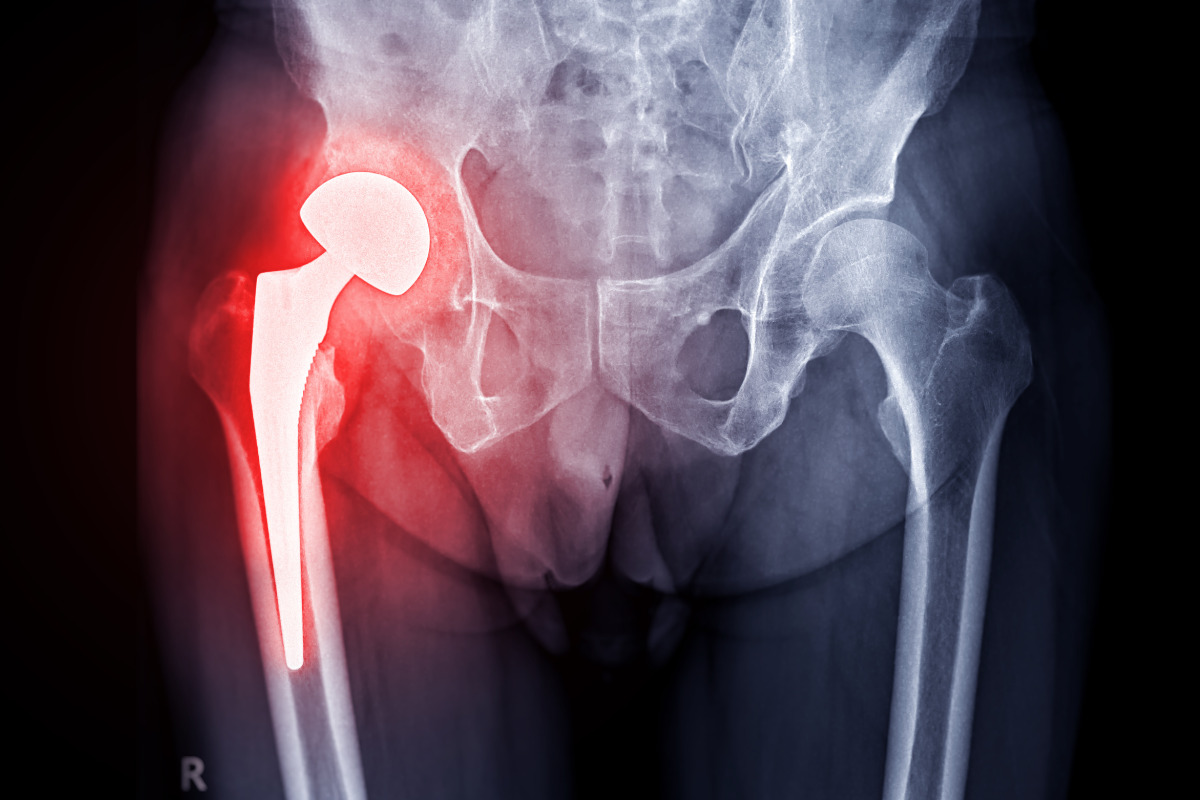
    When a patient arrives at the hospital, the doctor will first examine the hip checking for pain, how the leg is positioned, and how much movement is possible. An X-ray is the standard first step and will confirm most fractures. In some cases, if the fracture isn’t clearly visible on X-ray, an MRI or CT scan may be needed to get a more detailed picture.

    Treatment Options for Hip Fractures

    1. Surgical Interventions

    Surgery is almost always necessary for hip fractures. The right procedure depends on which bone is affected and how severe the break is:

    • Hip pinning (internal fixation): Metal screws or plates are used to hold the broken bone in place while it heals. This is usually done for less severe fractures where the bone is still in good alignment.
    • Partial hip replacement: If the femoral head (the ball part of the hip joint) is badly damaged, only that part is replaced. The socket is left intact.
    • Total hip replacement: In more complex cases, both the ball and socket are replaced. This is typically recommended when the joint is severely damaged.

    In rare cases involving very minor fractures in patients who can’t safely undergo surgery, a non-surgical approach with bed rest and physical therapy may be considered though this is uncommon.

    2. Rehabilitation

    Recovery doesn’t end when surgery is over. A physiotherapist will guide the patient through a structured rehabilitation program that begins surprisingly early sometimes just a day or two after surgery. The exercises focus on rebuilding strength, improving balance, and getting the patient moving safely again. Most people start walking with support within the first week.

    Recovery Time

    How long recovery takes depends on several factors: the type of fracture, which surgery was performed, the patient’s overall health, and how well they engage with rehabilitation. Generally, most patients take three to six months to recover meaningfully. Full recovery  returning to previous levels of activity can sometimes take up to a year for older adults.

    Possible Complications of Hip Fractures

    Hip fractures can lead to complications, especially in elderly patients who spend time immobile after surgery. These include:

    • Blood clots in the legs or lungs
    • Infection at the surgical site
    • Pneumonia or chest infections from prolonged bed rest
    • Pressure sores (bedsores) from lying in one position for too long
    • Chronic pain and reduced mobility
    • Loss of independence which can also lead to depression and anxiety

    This is why early mobilization after surgery is so strongly encouraged.

    Prevention of Hip Fractures

    Healthy Bones

    Bone strength declines naturally with age, but there’s a lot you can do to slow that process. Eating foods rich in calcium dairy products, leafy greens, nuts, and legumes combined with adequate vitamin D (from sunlight or supplements) helps maintain bone density. Regular weight-bearing exercise, like walking, is one of the most effective ways to keep bones strong. For those already diagnosed with osteoporosis, doctors may also prescribe medication to reduce fracture risk.

    Avoiding Falls

    Most hip fractures in older adults happen at home. Simple changes make a real difference: keeping walkways clutter-free, using non-slip mats in the bathroom, ensuring rooms are well-lit, and wearing proper footwear with good grip. Assistive devices like walking sticks or grab bars near stairs and toilets are also worth considering for anyone with balance issues.

    When to See a Doctor for Hip Fractures

    If you or someone you know experiences severe hip pain, swelling, difficulty walking, bruising, or any visible change in how the leg looks after a fall, seek medical attention immediately. Delaying treatment can allow complications to develop and make recovery significantly harder.

    If getting to a clinic is difficult due to pain or limited mobility, you can also opt for an online orthopedic consultation to share your symptoms and reports and get guidance from a specialist without leaving home.

    How HealthPil Can Help

    HealthPil connects patients with experienced orthopaedic specialists for diagnosis, treatment, rehabilitation, and online care. Consult an orthopaedic doctor online and book an orthopaedic appointment online today for expert guidance.

    Summary

    Hip fractures are serious injuries most commonly seen in older adults, typically triggered by falls on a background of osteoporosis or weak bones. The main symptoms of severe hip pain, inability to walk, and visible change in the leg’s position  usually make the condition recognizable. Diagnosis involves X-rays and, when needed, MRI or CT scans. Treatment almost always requires surgery, followed by a structured rehabilitation program. With proper care, most patients can regain meaningful mobility. Preventing future fractures comes down to keeping bones strong and reducing the risk of falls.

    Hip Pain
Hip Fracture

    FAQs

    1. Can hip fractures heal without surgery?

    Some minor fractures may heal without surgery, but most hip fractures require surgical treatment.

    2. How long does it take to recover from a hip fracture?

    Recovery usually takes around 3–6 months depending on age, fracture severity, and rehabilitation.

    3. Can osteoporosis increase hip fracture risk?

    Yes, osteoporosis weakens bones and significantly increases fracture risk.

    4. What foods help strengthen bones after a fracture?

    Calcium-rich foods, vitamin D, protein, dairy products, leafy vegetables, and nuts help improve bone healing.

    5. Can I consult a doctor online for hip fractures?

    Yes, you can book an online orthopedic consultation for treatment guidance, rehabilitation advice, and recovery planning.

    References

    1. National Health Service (NHS). Hip Fracture. Available at:
      NHS
    2. Kennedy MT, Mitra A. Hip Fracture Overview. StatPearls Publishing. Available at:
      NCBI Bookshelf
    3. Wilson JM, Bortz CA, et al. Hip Fracture Care and Management. Available at:
      PubMed

    Disclaimer:

    This information is for educational purposes only and should not replace professional medical advice. Always consult your healthcare provider for personalised recommendations.

    Dr. Ayesha Ayub Shaikh
    Written By Dr. Ayesha Ayub Shaikh
    Dr. Rahul Chawla
    Reviewed By Dr. Rahul Chawla
    Last Updated 16 Jun 2026
    We provide you with authentic, trustworthy and relevant information.
    Read our editorial policy
    elderly hip fracture treatment Hip Fracture hip fracture in elderly hip fracture prevention
    Share. Facebook Twitter WhatsApp Email
    Previous ArticleMigraine Headache: Symptoms, Causes, Treatment & Prevention
    Next Article Multiple Sclerosis Symptoms, Causes & Treatment | Early Signs Guide

    Related Articles

    Chronic Back Pain: Causes, Precautions & Management Guide

    March 28, 2026 Health Alerts

    Lumbar Disc Herniation & Sciatica: Symptoms, Causes & Treatment

    September 21, 2025 Bone And Spine Health

    Rotator Cuff Injury: Symptoms, Causes, Types, and Treatment

    September 21, 2025 Bone And Spine Health

    Tendonitis: Symptoms, Causes, Diagnosis, Treatment & Recovery

    September 21, 2025 Bone And Spine Health
    Leave A Reply Cancel Reply

    10 + 10 =

    I agree to the terms and privacy policy.

    Disclaimer: Please avoid sharing personal health details in comments. Comments are public and moderated. For private health queries, use the Ask A Doubt section. By commenting, you agree to our Privacy Policy.

    Health and Wellness

    Child Safety and Online Predators: Why parents should think twice before posting children’s photos and videos on social media!

    November 11, 2025

    Fake ORS Banned by FSSAI: Why a Pediatrician Fought an 8-Year Battle to Stop Sugary Drinks Mislabelled as “ORS”?

    October 24, 2025

    Are Herbal Supplements Hurting Your Kidneys? What You Need to Know

    September 18, 2025

    Is Your Herbal Medicine Bad for Your Heart?

    September 18, 2025
    Connect with Us
    • Facebook
    • Instagram
    • YouTube
    • Twitter
    Don't Miss

    Child Safety and Online Predators: Why parents should think twice before posting children’s photos and videos on social media!

    Every parent loves to capture those little moments — the first step, the first day…

    Fake ORS Banned by FSSAI: Why a Pediatrician Fought an 8-Year Battle to Stop Sugary Drinks Mislabelled as “ORS”?

    October 24, 2025

    Why Asthma Attacks are on the Rise: Unseen Influence of Air Pollution!

    May 26, 2025

    Stroke and Air Pollution: Is Your Environment Putting You at Risk?

    May 26, 2025

    Subscribe to Updates

    Get the latest creative news from SmartMag about art & design.

    Consent(Required)

    About Us
    About Us

    HealthPil: Get Your Daily Dose of Trusted Health Advice– Consult a Doctor Anytime, Anywhere!
    We're accepting new partnerships right now.

    Facebook X (Twitter) Instagram YouTube
    Contact Us
    EmailEmail Us:
    contact@healthpil.com
    whatsappContact:
    +91 962 596 0259
    Specialties
    • Neurology
    • Cardiology
    • Psychiatry
    • Orthopedics
    • Gynaecology
    • Pediatrics
    • Neurosurgery
    • Neurosurgery
    • Ophthalmology
    • ENT
    • Oncology
    Quick Links
    • Home
    • About
    • Blog
    • Ask Doubts
    • Consult Doctors
    • Contact Us
    • Disclaimer
    • Privacy Policy
    • Terms and Conditions

    Type above and press Enter to search. Press Esc to cancel.

    Book Appointment
    Copyright © 2026 HealthPil. All Rights Reserved.